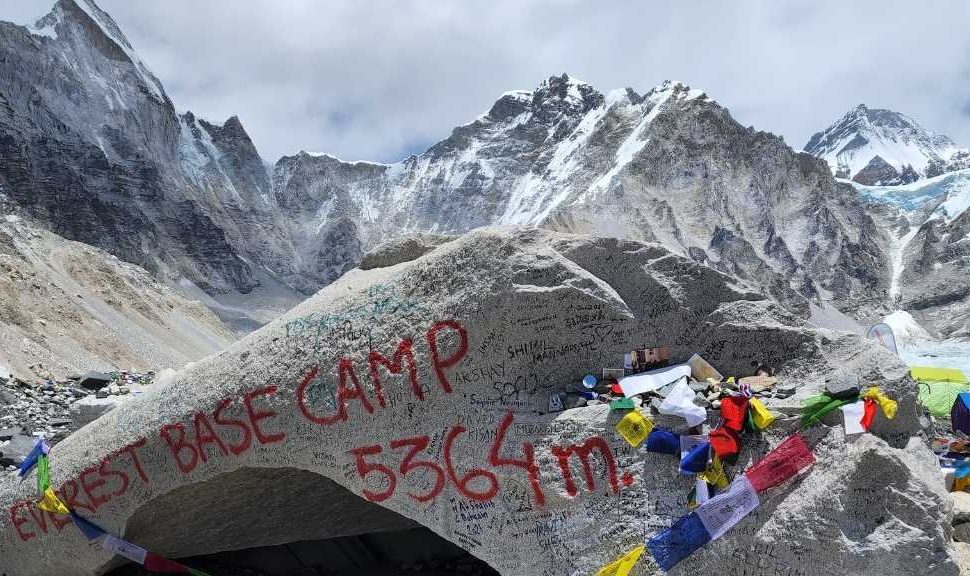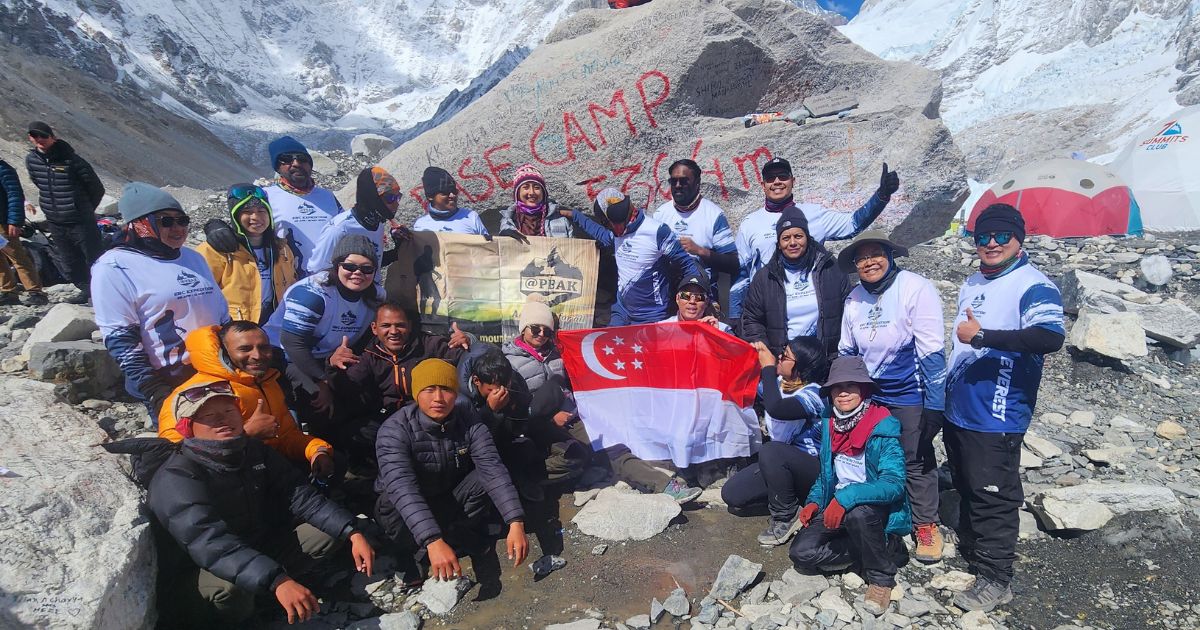
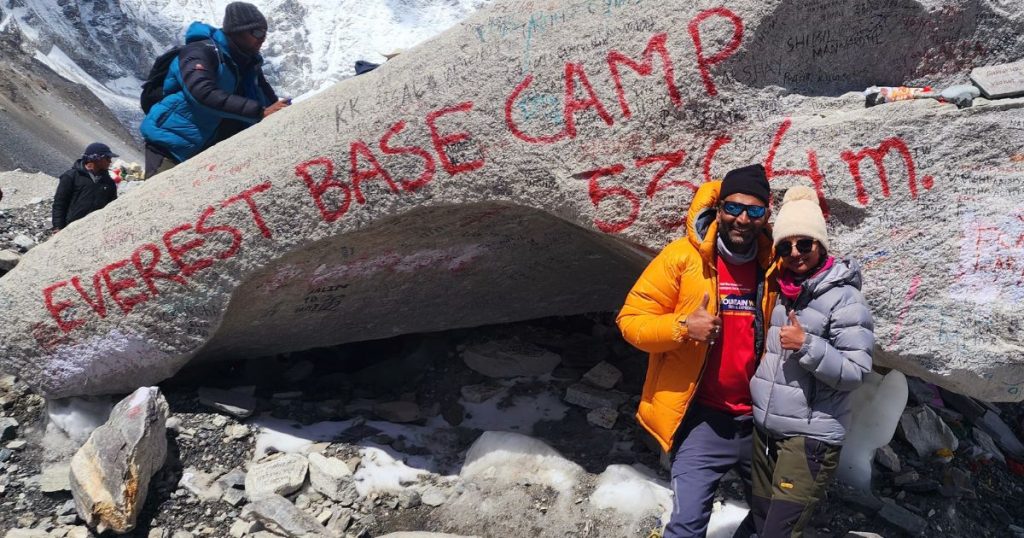
There is a particular kind of regret that only trekkers understand. It’s not the regret of walking too slowly or taking an extra rest day. It’s the regret of standing at Everest Base Camp (5,364 m / 17,598 ft), surrounded by the Himalayas, while painful blisters, freezing hands, or the wrong clothing stop you from fully enjoying one of the greatest moments of your life.
The good news? Most of these problems are completely avoidable with the right packing list.
Packing for the Everest Base Camp Trek isn’t complicated, but it does require careful planning. The Khumbu region is remote, and replacing forgotten or unsuitable gear on the trail is difficult, expensive, and sometimes impossible. The right equipment won’t make the trek easier, but it will make it safer, warmer, and far more comfortable.
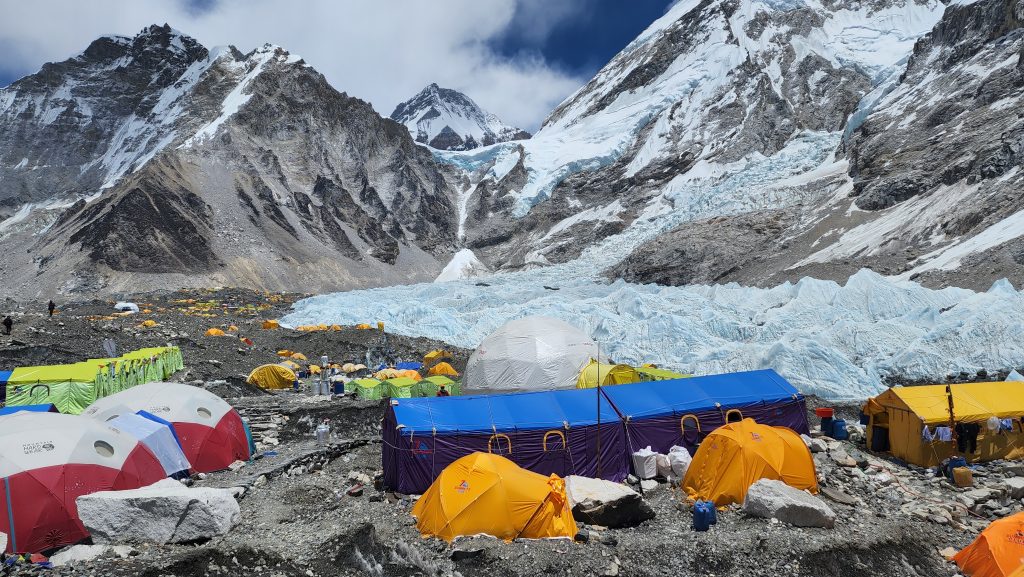
Your journey begins in Lukla (2,860 m / 9,383 ft) and climbs to Everest Base Camp, with an optional hike to Kala Patthar (5,545 m / 18,192 ft). Along the way, you’ll experience everything from cool mornings in Namche Bazaar to freezing temperatures and strong winds near Gorak Shep, so your gear needs to perform in a wide range of conditions.
Whether you’re joining our Everest Base Camp Trek package or trekking independently, this complete packing list covers everything you need, including clothing, footwear, trekking gear, first aid, travel documents, and practical packing tips, so you can trek with confidence.
From Our Experience
After guiding trekkers to Everest Base Camp for more than 30 years, we’ve found that most first-time trekkers don’t struggle because they’re unfit. They struggle because they bring the wrong gear. A few smart packing decisions before leaving Kathmandu can make the difference between simply reaching Base Camp and truly enjoying every step of the journey.
The Golden Rule of Packing for Everest Base Camp
Pack Light. Trek Happy.
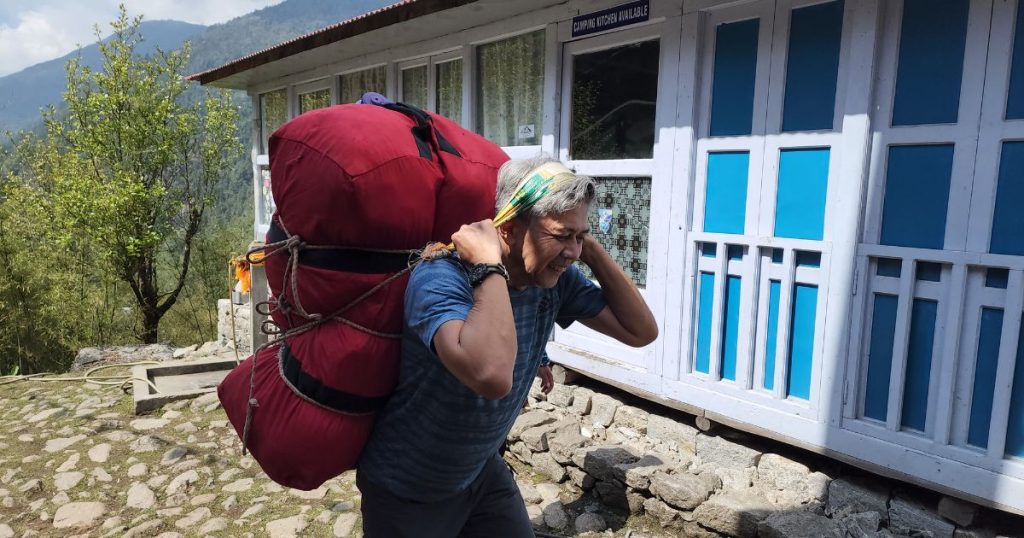
The secret to a comfortable Everest Base Camp Trek is simple: pack only what you truly need. If you’re hiring a porter, keep your total luggage to around 15 kg (33 lbs). Your porter will carry your main duffel bag (up to 12 kg), while you carry a lightweight daypack of around 3 kg with essentials like water, snacks, a rain jacket, sunscreen, and your camera. If you’re trekking without a porter, aim to keep your total pack weight below 10 kg (22 lbs).
Most first-time trekkers overpack by 3 to 5 kg. It may not sound like much, but every extra kilogram feels heavier as you climb the steep trail above Thukla Pass at 4,610 m (15,125 ft). Pack only what you’ll actually use and leave unnecessary items behind.
Hiring a porter isn’t about making the trek easier. It’s about conserving energy, reducing fatigue, and enjoying the spectacular Himalayan scenery instead of carrying unnecessary weight.
The Three Altitude Zones of the Everest Base Camp Trek
One of the biggest mistakes trekkers make is packing for the Everest Base Camp Trek as if the entire journey has the same weather. It doesn’t.
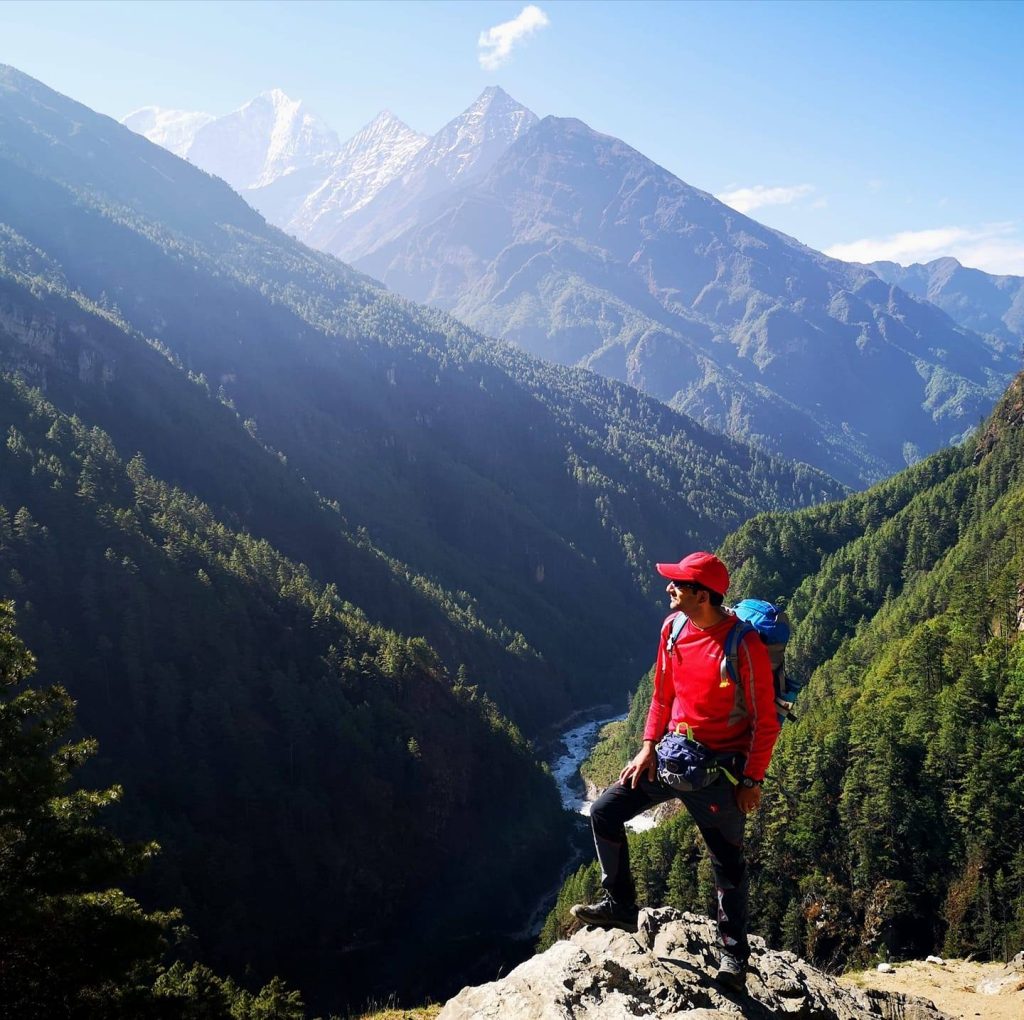
From the moment you land in Lukla until you reach Everest Base Camp and climb Kala Patthar, you’ll pass through three distinct altitude zones. Each has different temperatures, weather conditions, and clothing requirements. Understanding these zones will help you pack smarter and avoid carrying unnecessary weight.
Zone 1: Lower Khumbu (Lukla to Namche Bazaar | 2,860 m–3,440 m)
Your trek begins in Lukla and follows the Dudh Koshi Valley through Phakding to Namche Bazaar. This section passes through pine and rhododendron forests, crosses suspension bridges, and generally has the mildest temperatures on the trek. Days can be pleasantly warm in the sun, while mornings and evenings are cool. Lightweight trekking clothes, breathable layers, and a light fleece are usually enough, while your heavier winter gear can remain packed in your duffel bag.
Zone 2: Upper Khumbu (Namche Bazaar to Lobuche | 3,440 m–4,940 m)
Beyond Namche Bazaar, the landscape becomes more open and the air noticeably thinner. As you pass through Tengboche, Dingboche, and Lobuche, temperatures drop and the weather becomes more unpredictable. Cold mornings, freezing evenings, strong winds, and intense UV exposure become part of the daily experience. This is where a proper layering system becomes essential, and many trekkers realize they didn’t pack enough warm clothing.
Zone 3: High Alpine Zone (Gorak Shep, Everest Base Camp & Kala Patthar | 5,140 m–5,545 m)
The final section of the trek is the coldest and most demanding. Gorak Shep, Everest Base Camp, and Kala Patthar sit above 5,000 meters, where thin air, freezing temperatures, and strong winds are the norm. Nighttime temperatures often fall below -15°C (5°F) during the main trekking seasons, and the early morning climb to Kala Patthar can feel significantly colder because of the wind chill. By this stage, you’ll likely be wearing your thermal base layers, insulated down jacket, warm gloves, beanie, and other cold-weather gear all at once.
Pack for All Three Zones
The secret to packing well for the Everest Base Camp Trek is preparing for all three altitude zones, not just the highest one. Every item in your backpack should have a clear purpose. Lightweight clothing keeps you comfortable in the lower valleys, while an effective layering system protects you from freezing temperatures higher up. Packing smart means carrying only what you’ll actually use, keeping your backpack lighter without sacrificing comfort or safety.
Day-by-Day Gear Guide: Essential Gear for Every Stage of the Everest Base Camp Trek
| Trek Stage (Altitude) | Essential Gear |
| Lukla – Phakding (2,610 m) | Lightweight trekking clothes, broken-in hiking boots, light daypack |
| Phakding – Namche Bazaar (3,440 m) | Breathable layers, rain jacket, trekking poles |
| Namche Bazaar (Acclimatization) (3,440 m) | Daypack, sun hat, sunglasses, sunscreen |
| Namche Bazaar – Tengboche (3,867 m) | Fleece or mid-layer, waterproof jacket, trekking poles |
| Tengboche – Dingboche (4,410 m) | Warm fleece, gloves, beanie |
| Dingboche (Acclimatization) (4,410 m) | Daypack, sun protection, trekking poles |
| Dingboche – Lobuche (4,940 m) | Full layering system, down jacket, trekking poles |
| Lobuche – Gorak Shep – Everest Base Camp (5,140–5,364 m) | Down jacket, thermal layers, gloves, beanie, buff |
| Kala Patthar Hike (5,545 m) | Headlamp, insulated jacket, warm gloves, beanie, snacks |
| Gorak Shep – Pheriche (4,371 m) | Trekking poles, comfortable layers, camp shoes |
| Pheriche – Namche Bazaar (3,440 m) | Lighter layers, optional trail shoes |
| Namche Bazaar – Lukla (2,860 m) | Lightweight clothing, comfortable hiking gear |
The Complete Everest Base Camp Trek Packing List
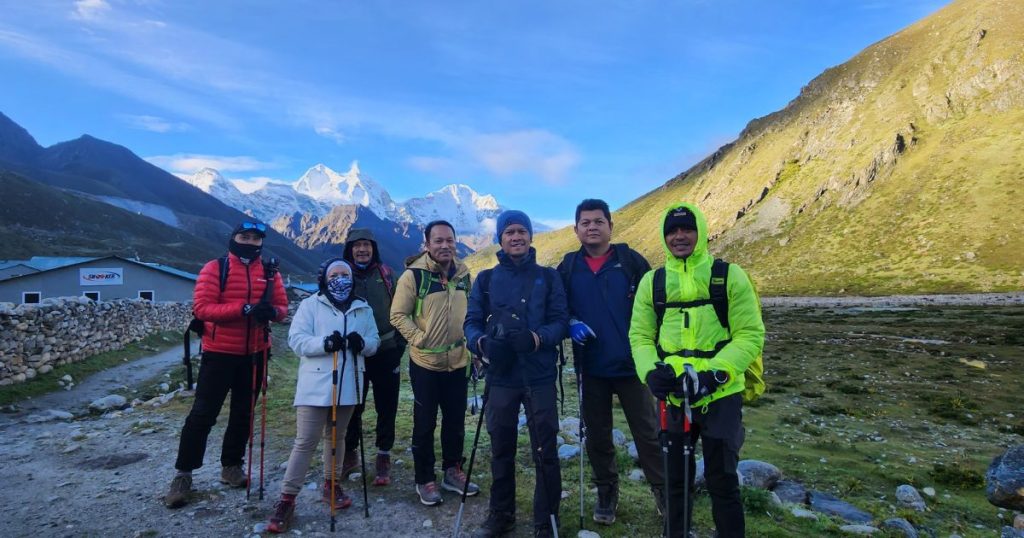
The checklist below is organized by category, starting with the gear you’ll use every day and ending with items needed only in specific conditions. Some essentials, like your hiking boots and base layers, will be used daily, while others, such as your down jacket or headlamp, may only be needed for the early morning hike to Kala Patthar or cold nights at Gorak Shep.
Go through this Everest Base Camp Trek packing list carefully before your trek. Remember the golden rule: every item should serve a purpose. If you don’t think you’ll use it, leave it behind and keep your pack as light as possible.
1. Clothing: The Layering System
A proper layering system is the key to staying comfortable on the Everest Base Camp Trek. Instead of relying on one thick jacket, you’ll add or remove layers as temperatures change from Lukla to Kala Patthar.
Base Layer (Next to Your Skin)
- 2–3 merino wool or synthetic thermal tops
- 2 thermal bottoms
- Moisture-wicking underwear
- Avoid cotton. It traps moisture, dries slowly, and can make you dangerously cold at high altitude.
Mid Layer (Insulation)
- 1 fleece jacket or softshell
- 1 insulated down jacket (essential above 4,000 m)
- 3–4 quick-dry trekking shirts
- 2 pairs of trekking pants (convertible zip-off pants work well)
Outer Layer (Weather Protection)
- 1 waterproof hardshell jacket with a hood
- 1 waterproof or water-resistant trekking pants
Head & Hands
- Warm beanie
- Balaclava or neck gaiter for cold mornings
- Sun hat or cap
- Warm insulated gloves
- Thin liner gloves (optional but recommended)
Footwear
- Broken-in waterproof hiking boots
- 3–4 pairs of moisture-wicking trekking socks
- 1–2 pairs of liner socks (optional)
- Lightweight camp shoes or sandals
Pro Tip:
You’ll wear lightweight layers in the Lower Khumbu, but above Dingboche your fleece, down jacket, gloves, and beanie quickly become daily essentials. A good layering system keeps you warm without carrying unnecessary weight.
2. Footwear: Your Most Important Gear Choice
Your hiking boots can make or break your Everest Base Camp Trek. They should be waterproof, provide good ankle support, and, most importantly, be fully broken in before you arrive in Nepal. Never bring brand-new boots; blisters at high altitude can quickly turn an enjoyable trek into a painful one.
Recommended Footwear
- Waterproof hiking boots with good ankle support
- Boots fully broken in before the trek
- Lightweight camp shoes or sandals for teahouses
- 3–4 pairs of moisture-wicking trekking socks
- 1–2 pairs of liner socks (optional, but helpful for preventing blisters)
- Gaiters (optional for snow or winter treks)
Pro Tip
Wear your trekking boots on several hikes before traveling to Nepal. By the time you land in Lukla, they should feel comfortable enough to wear all day. In the evenings, changing into lightweight camp shoes or sandals gives your feet a chance to recover before the next day’s hike.
3. Sleeping: Stay Warm at High Altitude
A good night’s sleep becomes increasingly important as you gain altitude. Above Dingboche, nighttime temperatures can drop to -15°C or lower, and teahouse blankets alone are rarely enough to keep you warm. A properly rated sleeping bag is one of the most important items you’ll carry on the Everest Base Camp Trek.
Sleeping Essentials
- Sleeping bag (comfort rating of -15°C or lower)
- Sleeping bag liner (adds 3–5°C of warmth and keeps your sleeping bag clean)
- Inflatable or compressible travel pillow (optional but recommended for extra comfort)
Pro Tip
If you don’t own a suitable sleeping bag, rent one in Kathmandu before the trek. Always ask for the comfort rating rather than the survival rating to ensure it will keep you warm during cold nights at Gorak Shep and other high-altitude villages.
4. Trekking Equipment
The right equipment makes the Everest Base Camp Trek safer, more comfortable, and less tiring. From trekking poles that reduce stress on your knees to a reliable headlamp for the pre-dawn hike to Kala Patthar, these are the essential items you’ll use throughout the trek.
Essential Trekking Equipment
- Trekking poles (pair) – Highly recommended for steep ascents and long descents.
- Main backpack (50–70 L) – If you’re carrying all your own gear.
- Daypack (25–35 L) – For water, snacks, camera, extra layers, permits, and valuables.
- Duffel bag – If you’re hiring a porter (we provide one).
- Headlamp with spare batteries – Essential for early morning hikes and power outages.
- Rain cover – Keep your backpack dry during unexpected rain or snow.
- Micro crampons or Yaktrax (optional) – Helpful if trails are icy, especially in late autumn or winter.
- Trekking gaiters (optional) – Keep snow, mud, and small rocks out of your boots.
Pro Tip
If you’re hiring a porter, carry only your daily essentials in your daypack and let the porter handle the rest. A 4–6 kg daypack is comfortable for most trekkers and helps conserve energy at high altitude. Trekking poles are one of the best investments you can make, especially on the long descents from Gorak Shep and Lobuche, where they reduce strain on your knees.
5. Personal Care & Hygiene
Good hygiene helps keep you healthy and comfortable throughout the Everest Base Camp Trek. The cold, dry air and strong UV rays at high altitude can quickly take a toll on your skin, lips, and overall well-being, so pack these essentials.
Personal Care Essentials
- Sunscreen (SPF 50+) – High-altitude UV rays are extremely strong, even on cloudy days.
- SPF lip balm – Prevents dry, cracked lips.
- Moisturizer – Helps combat dry skin caused by cold mountain air.
- Hand sanitizer – Use before every meal and after using the toilet.
- Wet wipes – Great for staying fresh when showers aren’t available.
- Biodegradable soap and shampoo – Better for the environment and suitable for teahouse use.
- Quick-dry microfiber towel – Lightweight and dries quickly.
- Toilet paper or tissues – Many teahouses charge extra or have limited supplies.
- Small toiletry kit – Toothbrush, toothpaste, deodorant, nail clippers, and other personal essentials.
Pro Tip
Carry sunscreen, lip balm, and hand sanitizer in your daypack so they’re always within easy reach. Apply sunscreen every few hours, even on cloudy days, and use hand sanitizer before every meal to reduce the risk of stomach infections during the trek.
6. First Aid & Health
The Everest Base Camp Trek takes you into a remote high-altitude environment where medical facilities are limited. Carry a well-stocked first aid kit and any personal medications you’ll need throughout the trek.
First Aid Essentials
- Diamox (Acetazolamide) – Consult your doctor before using it to help prevent altitude sickness.
- Ibuprofen or Paracetamol – For headaches, muscle aches, and fever.
- Oral Rehydration Salts (ORS) – Help prevent dehydration.
- Blister kit – Compeed, moleskin, antiseptic wipes, and medical tape.
- Antihistamines – For allergies or insect bites.
- Anti-diarrheal medication – Such as loperamide.
- Antiseptic cream and bandages – For cuts and scrapes.
- Pulse oximeter (optional) – Useful for monitoring oxygen saturation during acclimatization.
- Personal prescription medications – Bring enough for the entire trek, plus a few extra days.
Altitude Sickness
Altitude sickness is the most common health concern on the Everest Base Camp Trek. Proper acclimatization, staying hydrated, maintaining a steady pace, and recognizing symptoms early are the best ways to stay safe. If symptoms worsen or become severe, descend immediately. For a complete guide to symptoms, prevention, treatment, and emergency warning signs, read our Everest Base Camp Altitude Sickness Guide.
7. Documents & Money
Without the right documents and enough cash, your trek can quickly become stressful. Keep all important items in a waterproof pouch and carry them in your daypack.
Essential Documents
- Passport (original) – Required for domestic flights and permit checkpoints.
- Nepal visa – Obtain on arrival or before traveling.
- Trekking permits – Sagarmatha National Park Entry Permit and Khumbu Pasang Lhamu Rural Municipality Permit. If you’re trekking with an agency, these are usually arranged for you.
- Travel insurance – Make sure it covers high-altitude trekking and emergency helicopter evacuation. Keep your policy details and emergency contact number easily accessible.
- Emergency contact information – Carry a card with your emergency contacts and any important medical information.
- Cash (Nepali Rupees) – Bring enough cash for the entire trek. While ATMs are available in Namche Bazaar, they aren’t always reliable, and there are no dependable banking services higher up the trail.
- Plan for personal expenses such as meals (if not included), drinks, hot showers, Wi-Fi, device charging, snacks, souvenirs, and tips for your guide and porter.
8. Electronics & Power
Keeping your devices charged becomes more challenging as you gain altitude. Electricity is available in most teahouses, but charging usually comes with an additional fee and may rely on solar power in the higher villages.
Electronics Checklist
- Camera or smartphone – To capture the incredible Himalayan scenery.
- Power bank (20,000 mAh or larger) – Essential for keeping your devices charged between teahouses.
- Charging cables – Bring cables for all your devices and consider carrying a spare.
- Universal travel adapter – Needed for charging devices in Kathmandu and most teahouses.
- Waterproof phone case or dry bag – Protects your electronics from rain, snow, and accidental spills.
- Offline maps – Download the Everest Base Camp route on apps like Maps.me or Gaia GPS before leaving Kathmandu, as mobile coverage is limited and unreliable in many sections of the trail.
Tip: To save battery life at high altitude, switch your phone to airplane mode when you don’t need a signal and keep batteries or power banks inside your sleeping bag at night. Cold temperatures drain batteries much faster than normal.
What to Rent vs. Buy in Kathmandu
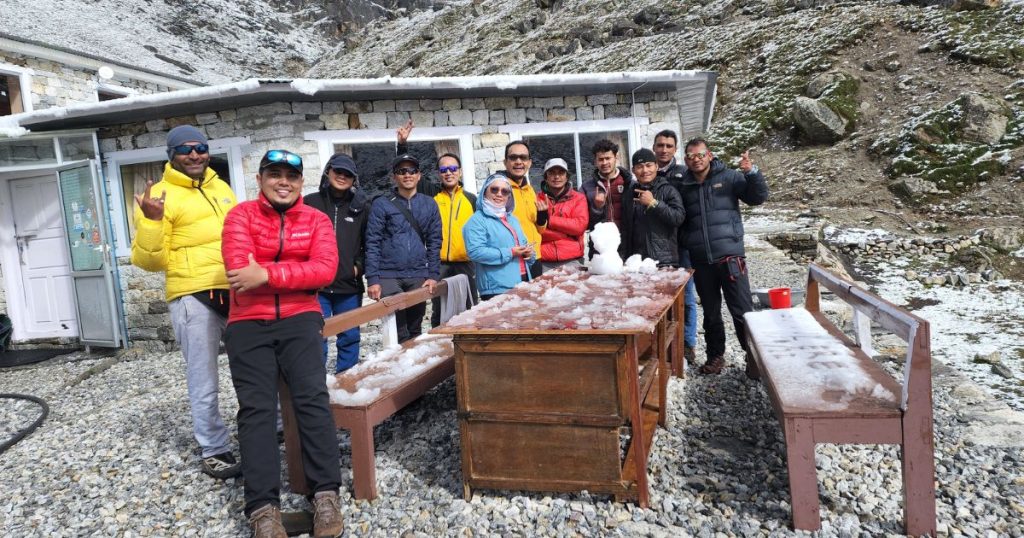
Most trekking gear, including sleeping bags, down jackets, and trekking poles, can be rented in Kathmandu. Thamel has dozens of reliable outdoor gear shops offering both rental and purchase options.
| Item | Recommendation |
| Sleeping Bag (-15°C) | provided by Mountain World Treks |
| Down Jacket | Rent – $1–2/day |
| Trekking Poles | Rent or buy – $1/day or $7+ |
| Duffel Bag | provided by Mountain World Treks |
| Gaiters | Rent or buy – $0.50–1/day or $5+ |
| Micro Crampons | Buy – $5–15 (Check if needed) |
| Waterproof Trekking Boots | Buy – $80–200 (break them in before the trek) |
| Headlamp | Buy – $10–25 |
| Pulse Oximeter | provided by Mountain World Treks |
Tip: Mountain World Treks provides a sleeping bag for the trek. If you’re bringing your own, make sure it has a comfort rating of at least -15°C. A sleeping bag that’s simply labeled “good for cold weather” may not be warm enough for the freezing nights at Gorak Shep and higher elevations.
What Not to Pack for the Everest Base Camp Trek
Packing light is just as important as packing the right gear. Avoid carrying items that add unnecessary weight or won’t be useful on the trail.
- Jeans or cotton clothing – Heavy, slow to dry, and uncomfortable when wet. Choose quick-drying trekking clothes instead.
- More than one book – One paperback or an e-reader is plenty for the trek.
- Full-size toiletries – Transfer liquids into travel-sized containers to save space and weight.
- Jewelry or expensive valuables – Leave them at home to avoid loss or damage.
- Too many snacks – Bring a few of your favorites, but remember that teahouses sell chocolate, biscuits, and other snacks along the route.
- Hair dryer or unnecessary electrical appliances – Electricity is limited, especially above Namche Bazaar, and charging comes with an extra cost.
- Items you don’t really need – If you haven’t used it during previous hikes or can’t justify carrying it for two weeks, leave it behind.
Golden Rule: Every item in your backpack should have a purpose. A lighter pack means less fatigue, more comfort, and a more enjoyable Everest Base Camp Trek.
Final Packing Advice
After years of guiding trekkers to Everest Base Camp, one lesson stands out: packing smart is more important than packing more. The best gear isn’t always the most expensive, it’s the gear that’s reliable, well-tested, and suitable for the conditions.
Make sure your boots are broken in before the trek, your sleeping bag is warm enough for freezing nights, and your clothing works as a layering system. A few well-chosen essentials will do far more for your comfort than a backpack full of unnecessary items.
When you finally stand at Everest Base Camp or watch the sunrise over Mount Everest from Kala Patthar, you’ll be glad you packed carefully. Instead of worrying about cold feet, wet clothes, or dead batteries, you’ll be able to focus on what really matters, enjoying one of the most unforgettable trekking experiences in the world.
Pack light, prepare well, and let the Himalayas do the rest.
Does the Everest Base Camp Packing List Change by Season?
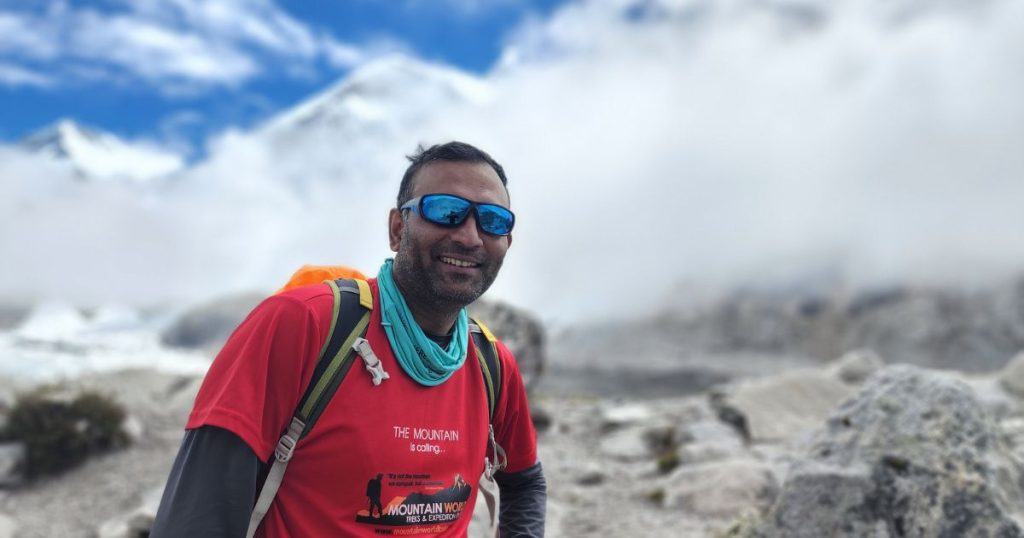
Yes, but only slightly. The clothing you wear in the lower elevations may vary depending on the season, but your essential high-altitude gear remains the same.
Autumn (September–November)
Autumn is the most popular season for the Everest Base Camp Trek, offering clear skies, stable weather, and spectacular mountain views. However, nights above 4,000 meters are extremely cold, so you’ll need the full packing list, including a warm down jacket, insulated sleeping bag, thermal layers, gloves, and a waterproof outer shell.
Spring (March–May)
Spring brings warmer temperatures in the lower Khumbu and beautiful rhododendron forests in bloom. You may be comfortable wearing lighter clothing below 3,500 meters, but once you reach higher elevations, conditions are very similar to autumn. Cold-weather gear remains essential for Everest Base Camp and Kala Patthar.
Winter (December–February)
Winter is much colder, with frequent snowfall and freezing temperatures throughout the trek. If you’re trekking during winter, pack additional insulation, thicker gloves, extra thermal layers, and be prepared for icy trail conditions.
Monsoon (June–August)
The monsoon season brings regular rain to the lower elevations, while higher sections remain cold and often cloudy. Waterproof clothing, a quality rain cover, and quick-drying layers become especially important during this time of year.
Choosing the right season is just as important as packing the right gear. Read our Best Time for the Everest Base Camp Trek guide to compare the weather, temperatures, trail conditions, mountain views, crowd levels, and the pros and cons of trekking in every season.
Essential Gear Never Changes
No matter when you trek, don’t compromise on your high-altitude gear. A properly rated sleeping bag, quality down jacket, waterproof outer layer, warm gloves, sturdy trekking boots, and a reliable layering system are essential for a safe and comfortable Everest Base Camp Trek.
How Much Does Everest Base Camp Trek Gear Cost?
One of the most common questions trekkers ask is, How much should I budget for gear? The answer depends on what you already own.
If you already have good hiking boots, a waterproof jacket, and basic trekking clothing, you’ll only need to rent or buy a few additional items in Kathmandu. If you’re starting from scratch, expect to spend considerably more.
Estimated Gear Costs
| If You… | Typical Cost |
| Already own most trekking gear | $80–150 |
| Have some gear but need key items | $100–200 |
| Are starting from scratch | $300–400 |
What’s Included?
| Situation | What You’ll Need |
| Already own most gear | Rent a sleeping bag, down jacket, and trekking poles. Buy a headlamp, micro crampons, pulse oximeter, sunscreen, first aid kit, and personal items. |
| Have some gear | Rent a sleeping bag and down jacket. Buy or rent trekking poles and gaiters, and replace any worn-out clothing. |
| Starting from scratch | Buy trekking boots (don’t rent them). Rent a sleeping bag, down jacket, trekking poles, and gaiters. Purchase clothing, electronics, first aid supplies, and personal essentials. |
Money-Saving Tips
- Always buy your trekking boots. Break them in before arriving in Nepal to avoid blisters.
- Rent bulky gear in Kathmandu. Sleeping bags, down jackets, and trekking poles are inexpensive to rent in Thamel.
- Inspect rental gear carefully. Check zippers, insulation, and the sleeping bag’s comfort rating before taking it.
- Local brands offer excellent value. If you need trekking clothing, Nepali brands are more than adequate for most trekkers and cost much less than imported brands.
Final Budget
If you already own the essentials, budget around $100–250 for gear in addition to your Everest Base Camp Trek package.
If you’re buying almost everything from scratch, expect to spend around $300–400, depending on the brands you choose and how much equipment you decide to purchase.
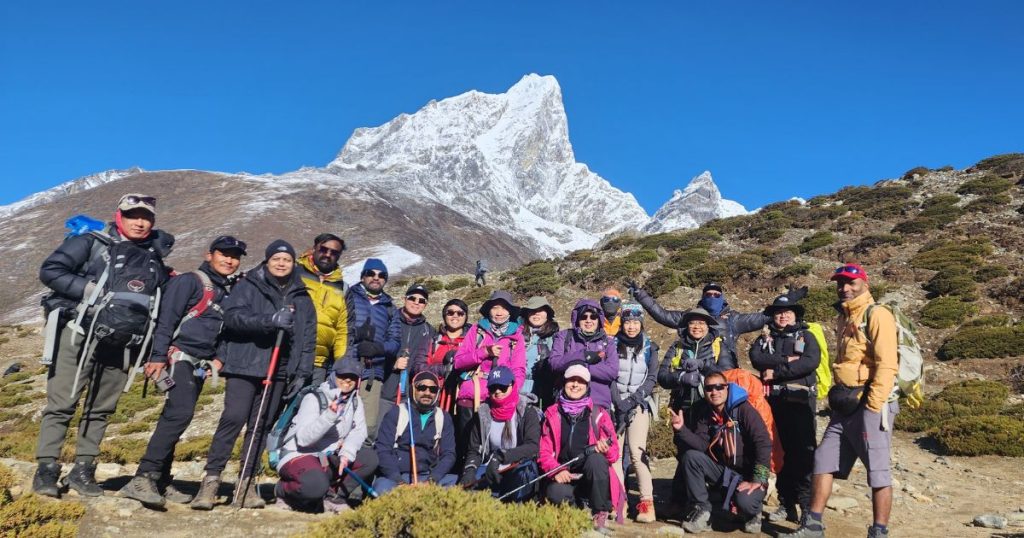
Quick-Reference Master Packing Checklist
Print this. Screenshot it. Check it off the night before you leave Kathmandu. Everything on this list has been mentioned in the guide above for a reason.
| Category | Item | Packed |
| Clothing | Merino wool or synthetic thermal tops (x3) | |
| Thermal bottoms (x2) | ||
| Fleece jacket or softshell | ||
| Down jacket (rated for cold) | ||
| Quick-dry trekking shirts (x3) | ||
| Trekking pants (x2, convertible preferred) | ||
| Waterproof hardshell jacket with hood | ||
| Waterproof trekking pants | ||
| Warm hat or beanie | ||
| Balaclava | ||
| Sun hat or wide-brim cap | ||
| Warm gloves (fleece or softshell) | ||
| Thin liner gloves | ||
| Trekking socks wool or synthetic (x3 pairs) | ||
| Liner socks (x2 pairs) | ||
| Camp sandals or lightweight shoes | ||
| Footwear | Waterproof trekking boots (broken in) | |
| Sleeping | Sleeping bag rated to -15°C | |
| Sleeping bag liner | ||
| Inflatable pillow (optional) | ||
| Equipment | Trekking poles (x2) | |
| Main backpack 50 to 70L with rain cover | ||
| Daypack 25 to 35L | ||
| Duffel bag for porter | ||
| Headlamp with spare batteries | ||
| Trekking gaiters | ||
| Micro crampons or Yaktrax | ||
| Hygiene | Sunscreen SPF 50 or higher | |
| SPF lip balm | ||
| Moisturizer | ||
| Wet wipes and dry shampoo | ||
| Hand sanitizer | ||
| Biodegradable soap and shampoo | ||
| Toilet paper and small trowel | ||
| Microfibre towel | ||
| First Aid | Diamox (consult doctor first) | |
| Ibuprofen and paracetamol | ||
| Oral rehydration salts | ||
| Blister kit (moleskin, Compeed, antiseptic) | ||
| Antihistamines | ||
| Diarrhea medication (loperamide) | ||
| Antiseptic cream and wound dressings | ||
| Pulse oximeter | ||
| Personal prescription medications | ||
| Documents | Passport original | |
| Nepal visa | ||
| Trekking permit copies (TIMS, Sagarmatha NP) | ||
| Travel insurance documents with emergency number | ||
| Cash in Nepali rupees (enough for full trek) | ||
| Emergency contact card | ||
| Electronics | Camera or smartphone | |
| Portable power bank 20,000mAh minimum | ||
| Universal travel adapter | ||
| Waterproof phone case or dry bag | ||
| Offline maps downloaded |
Packing is only one part of preparing for the Everest Base Camp Trek. To help you plan every aspect of your adventure, also read our Everest Base Camp Trek Cost guide to understand your budget and our Everest Base Camp Trek Difficulty guide to learn about fitness, altitude, and what to expect on the trail.
Before leaving Kathmandu, take a few minutes to go through this checklist one last time. Careful preparation can make the difference between simply reaching Everest Base Camp and truly enjoying every step of the journey. If you have any questions about what to pack, our local trekking experts are always happy to help you prepare for a safe, comfortable, and unforgettable adventure.
Frequently Asked Questions About the Everest Base Camp Trek Packing List
1. What should I pack for the Everest Base Camp Trek?
Pack clothing that works as a layering system, waterproof trekking boots, a warm down jacket, a sleeping bag rated to at least -15°C, trekking poles, a small first aid kit, sunscreen, toiletries, travel documents, and enough cash for personal expenses. Packing light while carrying the essentials is the key to a comfortable trek.
2. What is the most Essential item on the Everest Base Camp Trek packing list?
A warm sleeping bag with a comfort rating of at least -15°C is one of the Most Essential items. Nights at Gorak Shep can be extremely cold, and teahouses are not heated, so a properly rated sleeping bag makes a huge difference.
3. How much should my backpack weigh for the Everest Base Camp Trek?
If you’re hiring a porter, keep your main duffel bag to around 12 kg and your daypack between 4 and 6 kg. If you’re carrying everything yourself, try to keep your total pack below 10–12 kg.
4. Can I rent trekking gear in Kathmandu?
Yes. Thamel has plenty of shops where you can rent sleeping bags, down jackets, trekking poles, gaiters, and other equipment at reasonable prices. However, trekking boots should always be bought and broken in before your trip.
5. Do I need a down jacket for the Everest Base Camp Trek?
Yes. A quality down jacket is essential above 4,000 meters. Even during spring and autumn, temperatures around Everest Base Camp and Kala Patthar can drop well below freezing.
6. What kind of trekking boots should I wear?
Choose waterproof hiking boots with good ankle support and make sure they’re fully broken in before your trek. New boots are one of the most common causes of painful blisters.
7. Can I wear running shoes instead of hiking boots?
Running shoes may be comfortable on the lower trail, but they don’t provide enough grip, support, or protection for the rocky and uneven terrain near Everest Base Camp. Proper trekking boots are strongly recommended.
8. Do I need trekking poles?
Yes. Trekking poles reduce strain on your knees, improve balance, and make steep ascents and descents much easier, especially on the way down from Kala Patthar and Lobuche.
9. Are micro crampons necessary for the Everest Base Camp Trek?
Micro crampons aren’t always required, but they’re highly recommended during spring, autumn, and winter when icy sections are common around Lobuche, Gorak Shep, and Kala Patthar.
10. How many pairs of clothes should I pack?
You don’t need a different outfit for every day. Two or three moisture-wicking shirts, two trekking pants, thermal base layers, and warm outer layers are usually enough for the entire trek.
11. What should I carry in my daypack?
Carry water, snacks, a rain jacket, sunscreen, gloves, a warm layer, your camera or phone, passport, permits, cash, and any personal medication. Everything else can go in your porter’s duffel bag.
12. How much cash should I bring on the Everest Base Camp Trek?
Bring enough Nepali Rupees for the entire trek. You’ll need cash for hot showers, WiFi, charging devices, snacks, drinks, and guide and porter tips. ATMs are available in Namche Bazaar but aren’t reliable farther up the trail.
13. Can I buy forgotten items during the trek?
Yes, but only to a limited extent. Namche Bazaar has the best selection of trekking gear, while Dingboche offers only a few basic supplies. Above that, your options are extremely limited.
14. What should I avoid packing for the Everest Base Camp Trek?
Avoid cotton clothing, jeans, heavy books, unnecessary electronics, expensive jewelry, oversized toiletries, and anything you don’t genuinely expect to use on the trail.
15. How cold does it get at Everest Base Camp?
During the trekking seasons, daytime temperatures are often around -5°C to 5°C, while nights at Gorak Shep can drop to -15°C or lower, especially in late autumn and winter.
16. Do I need a sleeping bag if I’m staying in teahouses?
Yes. Although teahouses provide blankets, they’re often not warm enough at higher elevations. Bringing or renting a properly rated sleeping bag is highly recommended.
17. Should I bring a power bank?
Definitely. Electricity is available in most villages, but charging usually costs extra and becomes less reliable at higher elevations. A 20,000mAh power bank is ideal for keeping your devices charged.
18. Do I need travel insurance for the Everest Base Camp Trek?
Yes. Travel insurance that covers high-altitude trekking and emergency helicopter evacuation is strongly recommended. Medical evacuations in the Everest region can be extremely expensive without insurance.
19. Is it better to buy or rent trekking gear?
Essential items like trekking boots should always be purchased so you can break them in before your trip. Bulky gear such as sleeping bags, down jackets, and trekking poles can be rented easily in Kathmandu, saving both money and luggage space.
20. What’s the biggest packing mistake first-time trekkers make?
The most common mistakes are overpacking, bringing brand-new boots, relying on cotton clothing, and underestimating how cold it gets above 4,000 meters. A lightweight packing list with quality cold-weather gear will make your trek much more enjoyable.