
14-day Everest Base Camp Trek itinerary with a detailed day-by-day guide, walking hours, distances, altitude, acclimatization days, and expert trekking tips.
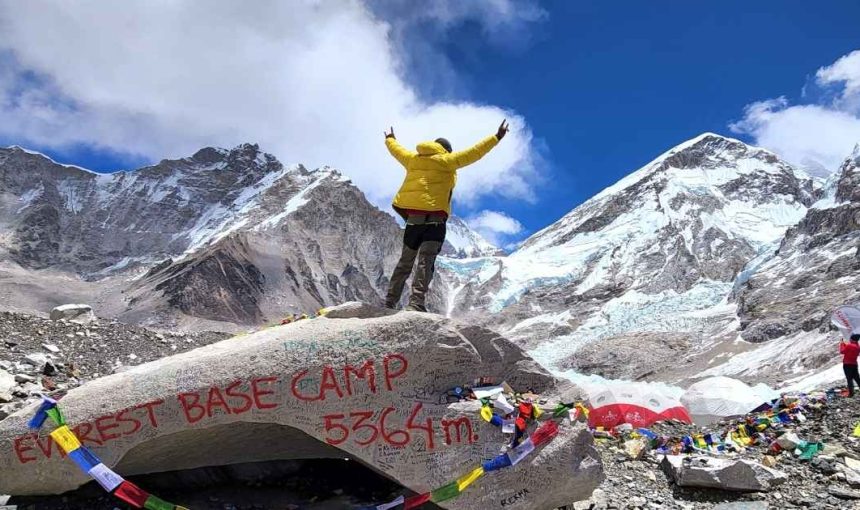
14-day Everest Base Camp Trek itinerary with a detailed day-by-day guide, walking hours, distances, altitude, acclimatization days, and expert trekking tips.
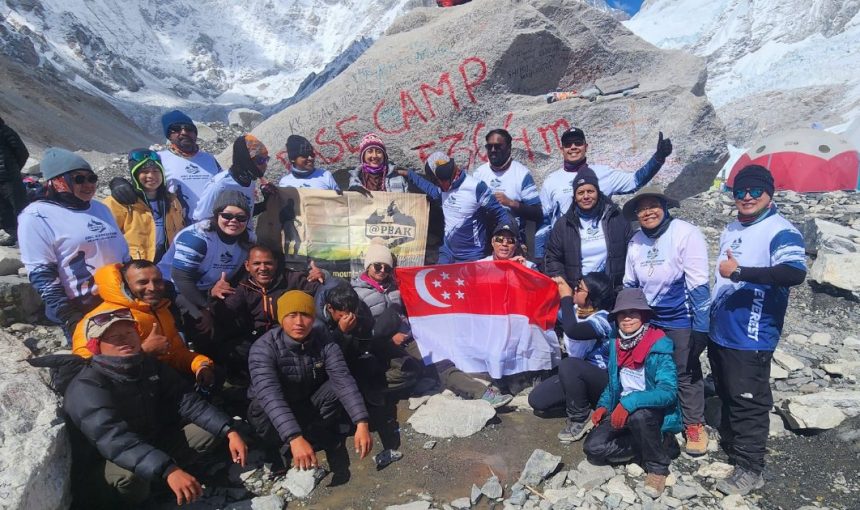
Here is the complete Everest Base Camp Trek packing list, including clothing, gear, documents, medicines, and essentials for a safe and comfortable adventure.

Food and accommodation on the Everest Base Camp Trek: teahouses, toilets, hot showers, food, and costs at every village from Lukla to Gorak Shep.
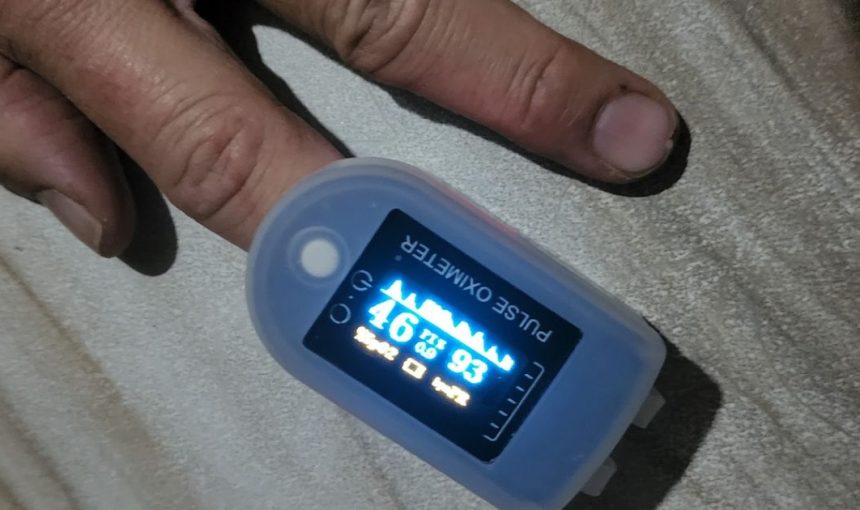
Everest Base Camp trek altitude sickness explained: symptoms by stage, acclimatization schedule, Diamox use, and when to descend, so you trek safely to 5,364m.
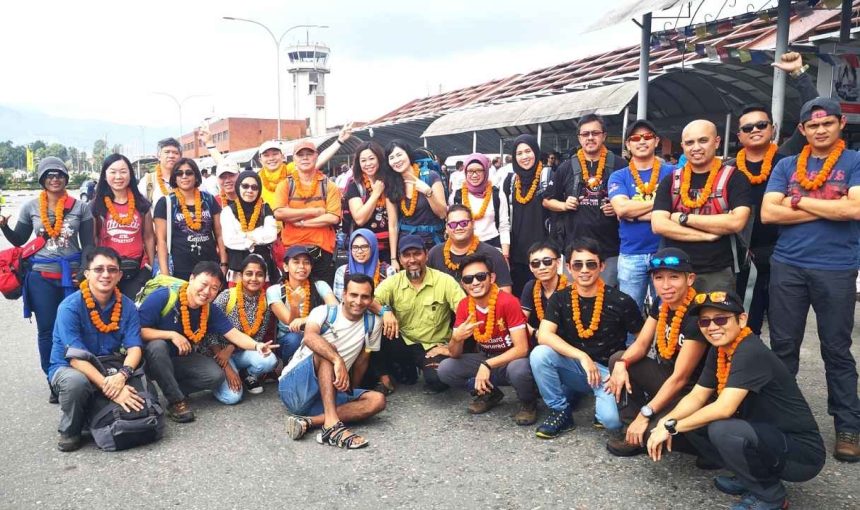
Everest Base Camp Trek cost 2026–2027 explained: permits, guides, flights, accommodation, food and gear expenses with budget and luxury breakdown.
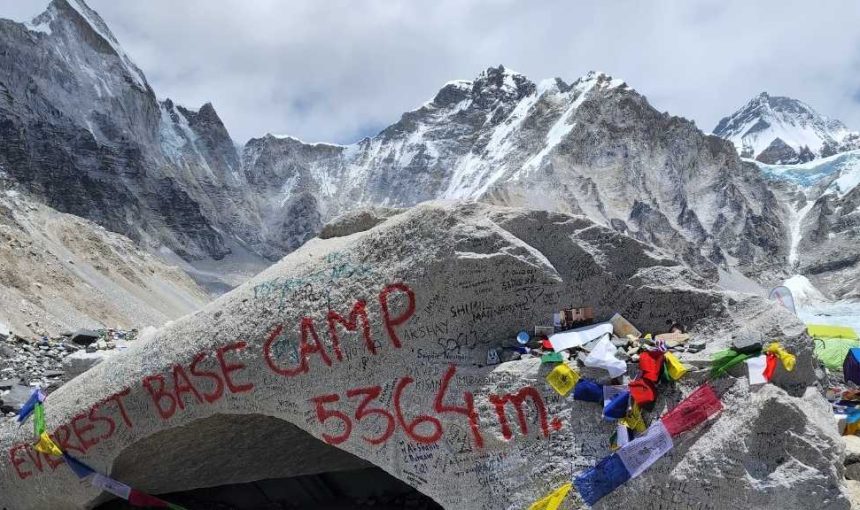
The Everest Base Camp trek is rated moderate to challenging, not because of technical climbing skills but because of high altitude, long trekking days, and unpredictable mountain weather. Most trekkers walk five to seven hours a day for twelve to fourteen days, reaching heights above 5,000 meters where oxygen levels drop significantly. No prior mountaineering experience is required, but a reasonable level of cardiovascular fitness and a properly planned acclimatization schedule make the biggest difference between an enjoyable trek and a miserable one. With the right preparation, pacing, and guide support, trekkers of varying fitness levels successfully reach Base Camp every year.
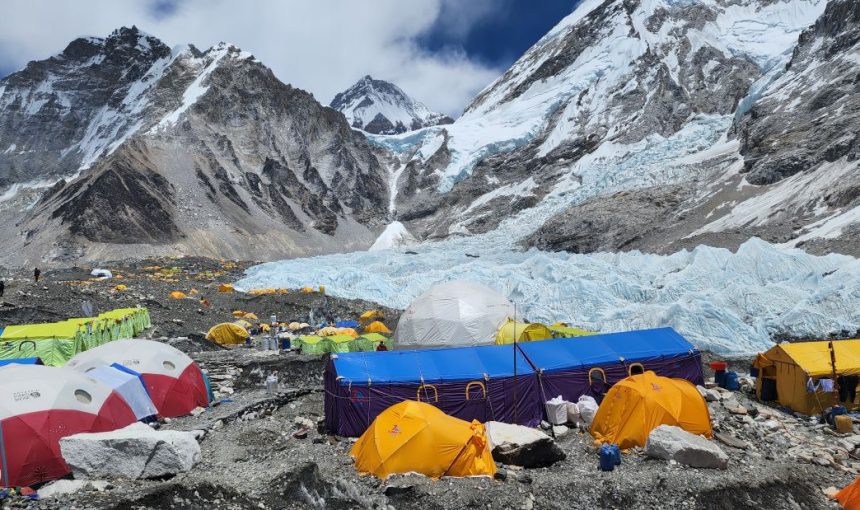
Planning your EBC trek? Find the best time for Everest Base Camp trek with our month-by-month guide to weather, temperature, and trail safety.