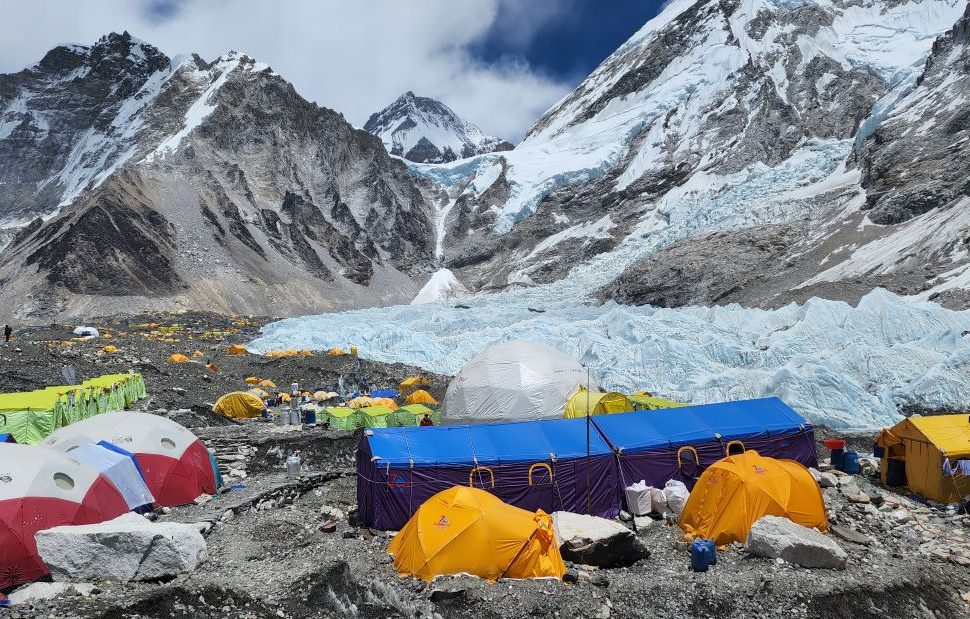
The Everest Base Camp Trek difficulty is generally rated moderate to challenging. While no technical climbing or mountaineering experience is required, the trek demands a good level of fitness, mental determination, and proper acclimatization.
Over 12–14 days, you’ll trek approximately 130 km (80 miles), walk 5–7 hours most days, and reach Everest Base Camp (5,364 m / 17,598 ft) before continuing to Kala Patthar (5,545 m / 18,192 ft.), the highest point of the trek. At these elevations, the thinner air makes every step more challenging.
Before continuing, you may also find our Everest Base Camp Trek page helpful. It includes the complete itinerary, cost, what’s included, trip highlights, Best time to visit, packing ideas and other useful information for planning your adventure.
Reaching Everest Base Camp and standing on Kala Patthar are unforgettable moments that make every challenge worthwhile. The good news is that the trek is challenging in a way you can prepare for. With the right fitness, proper training, and a well-planned itinerary that allows enough time to acclimatize, thousands of first-time trekkers reach Everest Base Camp every year. With the right preparation, you can too.
In this guide, you’ll learn what makes the Everest Base Camp Trek difficult, how altitude affects your body, the fitness level you’ll need, and practical tips to help you prepare for a safe and successful journey. If you prefer watching first, check out our Everest Base Camp Trek Difficulty video for a quick overview before diving into the guide.
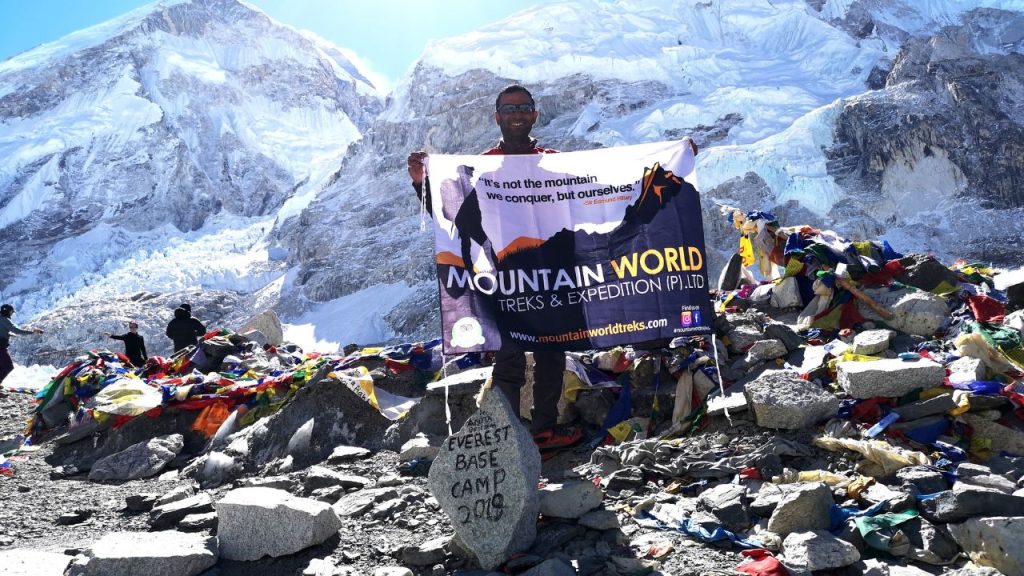
How Difficult Is the Everest Base Camp Trek?
The Everest Base Camp Trek is generally rated moderate to strenuous. It doesn’t require technical climbing or mountaineering experience, but it does require good physical fitness, mental resilience, and the ability to hike for multiple days at high altitude.
Everest Base Camp Trek Difficulty at a Glance
| Factor | Details |
| Difficulty Rating | Moderate to Strenuous |
| Duration | 12–14 days |
| Total Distance | Approximately 130 km (80 miles) |
| Maximum Altitude | 5,364 m (17,598 ft) – Base Camp 5,545 m (18,192 ft) – Kalapatthar |
| Daily Walking Time | 4–7 hours |
| Technical Climbing | Not required |
| Main Challenge | High altitude and reduced oxygen levels |
| Suitable For | Beginners with good fitness and proper preparation, as well as experienced trekkers |
What Makes the Everest Base Camp Trek Challenging?
The difficulty comes from a combination of factors rather than a single obstacle:
- High altitude reaching 5,364 m (17,598 ft) at Kala Patthar.
- Consecutive days of trekking, with 4–7 hours of walking each day.
- Continuous elevation gains as you ascend from Lukla through the Khumbu Valley.
- Thin air, with significantly less oxygen available than at sea level.
- Uneven mountain trails, including long ascents, descents, rocky paths, and suspension bridges.
- Cold temperatures, especially during early mornings and nights at higher elevations.
- Physical and mental endurance needed to keep going day after day.
The EBC trek journey begins when you land in Lukla (2,860 m / 9,383 ft). From there, the trail climbs steadily through the Khumbu Valley, and your body has to adapt to higher elevations each day. As you climb higher, the air becomes thinner and every step feels more demanding. Once you reach Everest Base Camp, you’ll be rewarded with incredible Himalayan scenery.
The trek doesn’t become difficult all at once. Instead, the challenge grows gradually as you spend day after day hiking higher into the Himalayas. By the time you reach Gorak Shep, your body has already been working hard to adapt to the thinner air. From there, you’ll make the final push to Everest Base Camp (5,364 m / 17,598 ft). The following morning, you’ll hike to Kala Patthar (5,545 m / 18,192 ft), the highest point of the trek and the best place to enjoy panoramic views of Mount Everest.
Reaching Everest Base Camp is a milestone every trekker dream of, but watching the sunrise over Mount Everest from Kala Patthar is often the highlight of the entire journey. After nearly two weeks on the trail, every uphill climb, early morning, and challenging day feels worthwhile. For many trekkers, it’s a memory they’ll carry with them for the rest of their lives.
The Everest Base Camp Trek isn’t difficult because of technical climbing, it’s difficult because of the steady combination of altitude, distance, and endurance over nearly two weeks.
5 Reasons the Everest Base Camp Trek Is Hard (and How to Overcome Each One)
Before you begin the Everest Base Camp Trek, it’s helpful to understand what makes it challenging. The good news is that every challenge can be managed with the right preparation, a sensible itinerary, and realistic expectations.
| Challenge | How to Overcome It |
| High altitude | Acclimatize properly and ascend gradually. |
| Lukla flight delays | Keep 1–2 buffer days in your itinerary. |
| Rocky mountain trails | Train beforehand and use trekking poles. |
| Cold weather | Pack warm layers and a quality sleeping bag. |
| Long trekking days | Build your endurance before the trek. |
1. High Altitude Is the Biggest Challenge
The biggest reason the Everest Base Camp Trek is difficult is the altitude. The journey begins in Lukla (2,860 m / 9,383 ft) and gradually climbs to Everest Base Camp (5,364 m / 17,598 ft) before reaching Kala Patthar (5,545 m / 18,192 ft). As you gain elevation, the amount of available oxygen decreases, making even gentle uphill walks feel much harder than they would at lower elevations.
For more about Everest Base Camp itself, including the altitude, surrounding views, and what to expect when you arrive, see our Everest Base Camp guide.
Unlike physical fitness, your body can’t instantly adapt to high altitude. Even experienced runners, cyclists, and hikers can develop altitude sickness if they ascend too quickly. That’s why a gradual ascent and proper acclimatization are essential for a safe and successful trek.
How to Reduce the Risk
- Follow an itinerary with acclimatization days in Namche Bazaar and Dingboche.
- Walk at a comfortable, steady pace.
- Drink plenty of water throughout the day.
- Avoid alcohol and smoking while trekking.
- Listen to your guide and never ignore symptoms of altitude sickness.
2. Unpredictable Weather and Lukla Flight Delays
The adventure begins with a spectacular flight to Lukla Airport, one of the world’s most famous mountain airstrips. Because mountain weather can change quickly, flight delays and cancellations are common, especially during the spring and autumn trekking seasons.
Although flight delays don’t make the trek physically harder, they can affect your travel plans if your schedule is too tight.
How to Prepare
- Keep 1–2 buffer days at the end of your trip.
- Avoid booking your international flight on the same day you return from Lukla.
- Buy travel insurance that covers flight delays and interruptions.
- Stay flexible and be prepared for weather-related changes.
3. Long Days on Rocky Mountain Trails
The Everest Base Camp trail is well established and easy to follow, but it isn’t flat. Each day includes steep climbs, long descents, rocky paths, stone steps, suspension bridges, and uneven mountain trails.
The route becomes more demanding after Namche Bazaar, especially between Dingboche, Lobuche, and Gorak Shep, where the higher altitude makes every step feel more tiring. The trail isn’t technically difficult, but the combination of rocky terrain, long walking days, and thinner air requires good endurance.
How to Make It Easier
- Train on hills or stairs before your trek.
- Wear comfortable, well-broken-in trekking boots.
- Use trekking poles for better balance and to reduce pressure on your knees.
- Walk at a slow, steady pace instead of rushing.
4. Cold Weather and Basic Teahouses
As you climb above 4,000 metres, temperatures drop significantly, especially during the early morning and at night. While teahouses provide warm meals and a place to sleep, rooms are usually unheated, and temperatures can fall well below freezing during the trekking season.
How to Stay Comfortable
- Bring a sleeping bag rated for sub-zero temperatures.
- Dress in layers so you can adjust to changing weather.
- Pack insulated gloves, a warm hat, and quality thermal clothing.
- Stay warm by drinking hot tea and eating regular meals.
5. Endurance Matters More Than Strength
The Everest Base Camp Trek isn’t about completing one difficult hike. It’s about hiking 4 to 7 hours every day for nearly two weeks. As the days pass, tired legs, thinner air, colder temperatures, and slower recovery all begin to add up.
This is why endurance is often more important than raw strength. Preparing your body before the trek will make the journey more enjoyable and help you recover better each day. If you’re looking for practical ways to prepare, our Everest Base Camp Training Guide includes fitness tips and exercises to help you build the endurance needed for the trek.
How to Prepare
- Build your fitness with regular hiking, walking, cycling, or running several weeks before your trip.
- Carry only the essentials in your daypack.
- Hire a porter if you’d like to trek with a lighter backpack.
- Get enough rest, eat well, and maintain a comfortable pace throughout the journey.
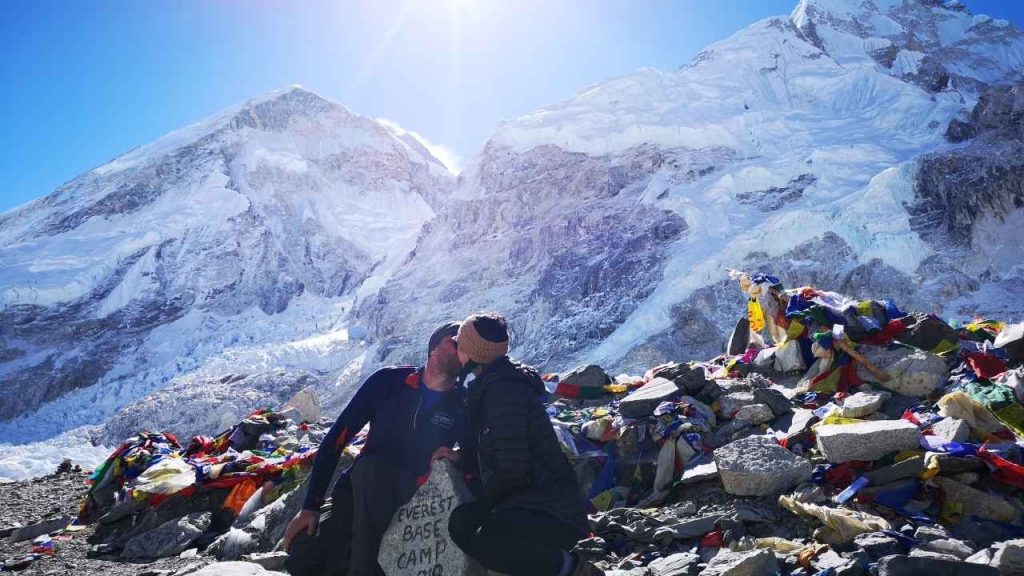
Why the Everest Base Camp Trek Is Worth the Effort
Every trekker experiences these challenges differently, but none of them should stop you from reaching your goal. With proper preparation, enough time to acclimatize, the right equipment, and a positive mindset, the Everest Base Camp Trek is achievable for most people with a good level of fitness.
Reaching Everest Base Camp is an unforgettable achievement, and watching the sunrise from Kala Patthar is the perfect reward after days of hard work. Every climb, every village, and every step through the Khumbu region becomes part of an adventure you’ll remember for the rest of your life.
Everest Base Camp Trek Day-by-Day Difficulty Breakdown (14-Day Itinerary)
The Everest Base Camp Trek becomes noticeably harder after Day 6 (Dingboche) as the altitude increases above 4,400 m. The most challenging days are Day 9 (Everest Base Camp) and Day 10 (Kala Patthar sunrise hike), both involving long walking hours at very high altitude.
If you’re reasonably fit and follow the acclimatization days at Namche Bazaar and Dingboche, most trekkers find the trek challenging but manageable.
| Day, Overnight & Walk | Difficulty | What to Expect |
| Day 1 Kathmandu (1,400 m) Arrival | Easy | Arrive in Kathmandu and prepare for the trek. |
| Day 2 Phakding (2,610 m) 3-4 hrs | Easy | Fly to Lukla and enjoy a gentle walk to Phakding. |
| Day 3 Namche (3,440 m) 6-7 hrs | Moderate- Difficult | Cross the Hillary Bridge and tackle the first major climb. |
| Day 4 Namche (3,440 m) 4-5 hrs | Moderate | Acclimatization hike with panoramic Everest views. |
| Day 5 Tengboche (3,860 m) 5-6 hrs | Moderate-Difficult | Walk through forests to the famous Tengboche Monastery. |
| Day 6 Dingboche (4,410 m) 5-6 hrs | Moderate-Difficult | Enter alpine terrain as the altitude becomes more noticeable. |
| Day 7 Dingboche (4,410 m) 2-3 hrs | Moderate | Acclimatization hike to prepare for higher elevations. |
| Day 8 Lobuche (4,940 m) 5-6 hrs | Moderate-Difficult | Rocky trails and thinner air increase the challenge. |
| Day 9 Gorak Shep (5,164 m) 7-8 hrs | Difficult-Challenging | Reach Everest Base Camp after a demanding day at high altitude. |
| Day 10 Pheriche (4,371 m)7-8 hrs | Difficult-Challenging | Sunrise at Kala Patthar followed by a long descent. |
| Day 11 Namche (3,440 m) 6-7 hrs | Moderate- Difficult | Enjoy easier breathing as you descend. |
| Day 12 Lukla (2,860 m) 6-7 hrs | Moderate- Difficult | Complete your final day of trekking. |
| Day 13 Kathmandu (1,400 m) Flight | Easy | Fly back to Kathmandu, weather permitting. |
| Day 14 Departure | Easy | Transfer to the airport for your onward journey. |
Everest Base Camp Trek Acclimatization: How to Reduce the Risk of Altitude Sickness
Acclimatization is one of the most important parts of the Everest Base Camp Trek. As you climb higher, the air contains less oxygen, and your body needs time to adjust. Trying to gain altitude too quickly increases the risk of altitude sickness, which is why following a well-planned itinerary is essential.
A simple rule to remember is “climb high, sleep low.” During acclimatization days, you’ll hike to a higher elevation before returning to a lower altitude to sleep. This helps your body adapt gradually and prepares you for the higher elevations ahead.
A standard 14-day Everest Base Camp itinerary includes two important acclimatization days:
- Namche Bazaar (3,440 m / 11,286 ft)
- Dingboche (4,410 m / 14,469 ft)
These aren’t rest days in the traditional sense. They’re active acclimatization days that play an important role in helping your body adjust before you continue to higher elevations.
Acclimatization Hike from Namche Bazaar
On your acclimatization day in Namche Bazaar, you’ll hike to the famous Everest View Hotel (3,880 m / 12,730 ft). It’s one of the highest hotels in the world and offers spectacular views of Mount Everest, Lhotse, Nuptse, and Ama Dablam on a clear day.
After spending some time at the higher elevation, you’ll return to Namche Bazaar to sleep. This follows the “climb high, sleep low” principle and gives your body more time to adapt before the trek continues.
Acclimatization Hike from Dingboche
Your second acclimatization day takes place in Dingboche. Most trekkers hike to Nangkartshang Peak (5,083 m / 16,677 ft), one of the best viewpoints in the Khumbu region.
From the top, you’ll enjoy panoramic views of Makalu, Lhotse, Ama Dablam, and Island Peak. More importantly, you’ll spend time above 5,000 metres before descending to sleep back in Dingboche. This prepares your body for the upcoming trek to Everest Base Camp and the early morning hike to Kala Patthar.
Acclimatization Tips
- Follow an itinerary that includes acclimatization days in Namche Bazaar and Dingboche.
- Walk at a slow, steady pace instead of rushing.
- Stay well hydrated throughout the trek.
- Eat regular meals, even if your appetite decreases at higher elevations.
- Avoid alcohol and smoking during the trek.
- Listen to your guide and tell them immediately if you develop symptoms of altitude sickness.
- Never skip acclimatization days to shorten your itinerary.
Why Acclimatization Matters
Many trekkers assume that fitness alone is enough to reach Everest Base Camp, but that’s not the case. Proper acclimatization is one of the biggest reasons why most trekkers complete the journey safely and successfully. Giving your body enough time to adjust to the altitude greatly improves your chances of enjoying the trek and reaching both Everest Base Camp and Kala Patthar comfortably.
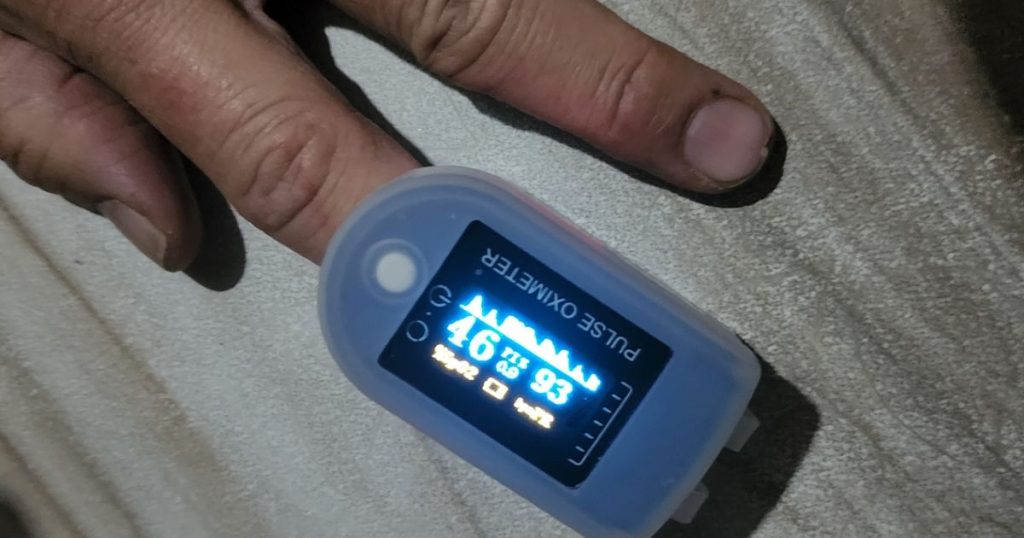
Altitude Sickness on the Everest Base Camp Trek: Symptoms, Prevention, and When to Descend
Before we begin, I’d like to share one important note. I’m not a medical professional, but I have spent more than 30 years guiding trekkers in the Himalayas and have seen many cases of altitude sickness on the Everest Base Camp Trek. The information in this guide is based on that experience, along with widely accepted high-altitude safety practices. It is intended to help you recognize the signs of altitude sickness and understand how to reduce the risk, but it should never replace advice from your doctor or other qualified medical professionals.
Altitude sickness is one of the biggest challenges on the Everest Base Camp Trek, and it can affect anyone, regardless of age or fitness level. Even experienced hikers can develop symptoms if they gain altitude too quickly. The good news is that following a proper itinerary with acclimatization days significantly reduces the risk.
If you want a complete guide covering causes, symptoms, prevention, and treatment, read our Altitude Sickness on the Everest Base Camp Trek article.
Types of Altitude Sickness
There are three main types of altitude sickness you should know about:
Acute Mountain Sickness (AMS)
AMS is the most common form of altitude sickness. It is usually mild, but it should never be ignored. Common symptoms include:
- Headache
- Nausea or vomiting
- Loss of appetite
- Fatigue or unusual tiredness
- Dizziness
- Difficulty sleeping
High Altitude Pulmonary Edema (HAPE)
HAPE is a serious medical emergency caused by fluid building up in the lungs. Immediate descent and medical attention are essential. Warning signs include:
- Shortness of breath while resting
- Persistent cough
- Coughing up pink or frothy sputum
- Extreme fatigue or weakness
- Chest tightness or crackling sounds when breathing
- Blue or gray lips and fingernails
High Altitude Cerebral Edema (HACE)
HACE is a life-threatening condition caused by swelling of the brain and requires immediate emergency treatment. Warning signs include:
- Severe headache
- Loss of balance or difficulty walking
- Confusion or unusual behavior
- Slurred speech
- Extreme drowsiness
- Loss of consciousness
What to Do If Symptoms Get Worse
If you develop symptoms of altitude sickness, tell your guide immediately.
- For mild AMS, your guide may recommend resting, monitoring your symptoms, and avoiding further ascent until you feel better.
- If your symptoms become more severe or continue to worsen, the safest treatment is to descend to a lower altitude as soon as possible. Descending even 300–500 metres often leads to noticeable improvement. Never continue climbing if your symptoms are getting worse.
- If you experience signs of HAPE or HACE, treat the situation as a medical emergency. Immediate descent and professional medical care are essential.
Tips to Reduce the Risk of Altitude Sickness
- Follow an itinerary with acclimatization days in Namche Bazaar and Dingboche.
- Walk at a slow, comfortable pace instead of rushing.
- Drink plenty of water throughout the trek.
- Eat regular meals, even if your appetite decreases.
- Avoid alcohol and smoking at higher elevations.
- Get enough rest each night.
- Discuss medications such as Diamox (acetazolamide) with your doctor before your trip.
- Always listen to your guide and report any symptoms as early as possible.
Important: This information is intended as a general guide and should not replace professional medical advice. If you develop severe symptoms of altitude sickness, descend immediately and seek medical care.
Who Can Do the Everest Base Camp Trek? Fitness Level Requirements
The Everest Base Camp Trek is suitable for most people with a good level of fitness and the right preparation. You don’t need previous trekking experience in the Himalayas, mountaineering skills, or technical climbing knowledge. However, you should be comfortable walking for 4–7 hours a day over several consecutive days, often on steep and uneven mountain trails.
Success on the trek depends more on your fitness, preparation, and pace than your age. Many first-time trekkers, as well as people in their 50s, 60s, and even 70s, successfully reach Everest Base Camp each year by following a well-planned itinerary and allowing enough time for acclimatization.
If you’re unsure whether you’re ready, our Everest Base Camp Training Guide explains how to build the fitness and endurance needed before your trek.
| Ready for the Trek? | |
| You’re likely ready if… | You can comfortably walk 10–15 km, exercise regularly, climb hills or stairs, stay active for 5–7 hours, and are willing to train before your trek. |
| You may need more preparation if… | You rarely exercise, have little hiking experience, plan to train at the last minute, or have health concerns that haven’t been discussed with your doctor. |
Is the Everest Base Camp Trek Right for You?
The Everest Base Camp Trek isn’t just for experienced hikers. With good preparation, a reasonable level of fitness, and the right attitude, most healthy people can complete it successfully.
Take your time, follow your guide’s advice, and give your body enough time to adjust to the altitude. The better you prepare before arriving in Nepal, the more enjoyable your trek will be.
How to Train for the Everest Base Camp Trek
You don’t need to be a professional athlete to complete the Everest Base Camp Trek, but you should prepare your body before you arrive in Nepal. The goal is to build enough endurance to walk 4-7 hours a day for nearly two weeks, often at high altitude.
Focus on These Areas
| Training Area | What to Do |
| Cardio | Walk, hike, run, cycle, or swim 3–5 times a week. Gradually build up to 60–90 minutes per session. |
| Hill Training | Hike on hills or climb stairs regularly to prepare for long uphill sections. |
| Strength | Build leg strength with squats, lunges, step-ups, and calf raises 2–3 times a week. |
| Practice Hikes | Complete regular hikes carrying a daypack to get used to walking for several hours. |
| Recovery | Include rest days, stretch after workouts, and allow your body time to recover. |
When Should You Start Training?
For most people, 8-10 weeks of regular training is enough to prepare for the Everest Base Camp Trek. If you’re already active, you may need less time. If you’re new to hiking or exercise, consider starting 10-12 weeks before your trip.
The most important thing is consistency. Training a few times each week over several months will prepare you far better than trying to do everything in the final few weeks before your trek.
How the Right Gear Makes the Everest Base Camp Trek Easier
The right gear won’t make the Everest Base Camp Trek easy, but it can make it much more comfortable and help you deal with the challenges of high altitude, cold temperatures, and long days on the trail. Small gear choices can have a big impact on how you feel throughout the trek.
For a complete checklist, read our Everest Base Camp Packing List, which covers everything you’ll need before your trip.
| Gear | How It Helps |
| Waterproof trekking boots | Provide better grip on rocky trails, support your ankles, and help prevent blisters. |
| Warm sleeping bag (-15°C or lower) | Keeps you warm during freezing nights, helping you sleep and recover for the next day’s trek. |
| Layered clothing | Makes it easy to adjust to changing temperatures throughout the day. |
| Trekking poles | Reduce pressure on your knees during long descents and improve balance on uneven trails. |
| Headlamp | Essential for the early morning hike to Kala Patthar before sunrise. |
| Water bottle and purification system | Makes it easier to stay hydrated, which is important for trekking at high altitude. |
Good gear won’t reduce the altitude or shorten the trail, but it will make the Trek more comfortable. Warm clothing, supportive boots, and the right equipment help you conserve energy, recover better each night, and enjoy the journey from start to finish.
Everest Base Camp Trek vs Annapurna Base Camp Trek: Which Is More Difficult?
Both treks are among Nepal’s most popular adventures, but the Everest Base Camp Trek is generally considered more challenging. The main reason isn’t the distance or the terrain, it’s the much higher altitude.
The Annapurna Base Camp Trek reaches a maximum altitude of 4,130 m (13,550 ft), while the Everest Base Camp Trek takes you to Everest Base Camp (5,364 m / 17,598 ft) and Kala Patthar (5,545 m / 18,192 ft). At these elevations, the thinner air makes every step feel more demanding and increases the risk of altitude sickness.
If you’re looking for a shorter trek with lower altitude, the Annapurna Base Camp Trek is often the easier choice. If your goal is to stand beneath the world’s highest mountain, the Everest Base Camp Trek offers a bigger challenge and an even greater sense of achievement.
Everest Base Camp vs Annapurna Base Camp
| Feature | Everest Base Camp Trek | Annapurna Base Camp Trek |
| Difficulty | Moderate to Strenuous | Moderate |
| Maximum Altitude | 5,545 m (Kala Patthar) | 4,130 m (Annapurna Base Camp) |
| Duration | 12–14 days | 7–11 days |
| Daily Walking | 4–7 hours | 4–6 hours |
| Altitude Sickness Risk | High | Moderate |
| Trail | Rocky, high-altitude mountain trails | Stone steps, forest trails, and mountain paths |
| Best For | Trekkers seeking a high-altitude Himalayan adventure | Trekkers looking for a shorter and less demanding trek |
Which Trek Should You Choose?
Choose the Everest Base Camp Trek if you:
- Want to experience the Khumbu region and see Mount Everest up close.
- Are prepared for higher altitude and a longer trek.
- Have enough time to complete a 12–14-day itinerary.
Choose the Annapurna Base Camp Trek if you:
- Prefer a shorter trek with lower altitude.
- Want a moderate trekking challenge.
- Are concerned about trekking above 5,000 metres.
Overall: The Everest Base Camp Trek is more difficult than the Annapurna Base Camp Trek, mainly because of the higher altitude, longer itinerary, and greater physical demands. However, with proper preparation and acclimatization, both treks are achievable for people with a good level of fitness.
Is the Everest Base Camp Trek Worth It?
I’m Saligram Aryal (Sali), founder of Mountain World Treks. Over the years, I’ve guided thousands of trekkers to Everest Base Camp, and if there’s one thing I’ve learned, it’s that almost everyone remembers the challenges, but they remember the experience even more.
Yes, there will be long walking days, cold mornings, and moments when the altitude makes every step feel harder. But there will also be unforgettable sunrises, welcoming Sherpa villages, and the incredible feeling of standing at Everest Base Camp and watching the first light hit Mount Everest from Kala Patthar.
My advice is simple: prepare well, don’t rush the trek, listen to your guide, and give your body time to acclimatize. If you can dream of reaching Everest Base Camp, you can achieve it with the right preparation, determination, and a steady pace. The Everest Base Camp Trek is more than just a journey to the world’s highest mountain, it’s an experience you’ll remember for the rest of your life.
Ready to start planning your own Everest Base Camp journey? Check out our 14-Day Everest Base Camp Trek Package for full trip details, pricing, and departure dates, or get in touch with our team if you have questions before you book.
Frequently Asked Questions About Everest Base Camp Trek Difficulty
1. How difficult is the Everest Base Camp Trek?
The Everest Base Camp Trek is generally rated moderate to strenuous. The trail itself isn’t technically difficult, but the high altitude, long walking days, and colder temperatures make it a challenging adventure. With good preparation, proper acclimatization, and a steady pace, most healthy people can complete it successfully.
2. Can a beginner do the Everest Base Camp Trek?
Yes. Many first-time trekkers complete the Everest Base Camp Trek every year without any previous Himalayan trekking experience. If you prepare your fitness, follow a well-planned itinerary, and give your body enough time to adjust to the altitude, it’s an achievable goal.
3. What fitness level do I need for the Everest Base Camp Trek?
You don’t need to be an athlete, but you should have a good level of fitness. Being able to walk 10–15 km (6–9 miles) comfortably and stay active for several hours on consecutive days will help you enjoy the trek. Regular training before your trip makes a big difference.
4. Is the Everest Base Camp Trek physically demanding?
Yes. Most days involve 4–7 hours of walking on mountain trails, with a mix of uphill climbs, descents, and uneven terrain. The higher you go, the thinner the air becomes, making each day more physically demanding.
5. What is the hardest part of the Everest Base Camp Trek?
Most trekkers find the walk from Gorak Shep to Everest Base Camp and the early morning climb to Kala Patthar the hardest part of the journey. By then, you’ve already spent several days at high altitude, so even gentle climbs require extra effort.
6. Can older people complete the Everest Base Camp Trek?
Yes. Every year, many trekkers in their 50s, 60s, and even 70s successfully reach Everest Base Camp. Age is usually less important than your overall fitness, preparation, and allowing enough time to acclimatize.
7. Can most people complete the Everest Base Camp Trek?
Yes. Most people with a reasonable level of fitness and the right preparation successfully complete the trek. Taking your time, staying hydrated, and following a proper itinerary greatly increase your chances of reaching Everest Base Camp.
8. Is altitude the biggest challenge on the Everest Base Camp Trek?
Yes. For most trekkers, altitude is much more challenging than the trail itself. As you climb higher, the reduced oxygen level makes walking slower and more tiring, even on sections that aren’t particularly steep.
9. Can altitude sickness affect fit people?
Yes. Altitude sickness can affect anyone, regardless of age or fitness level. Even experienced hikers and athletes can develop symptoms if they ascend too quickly or don’t allow enough time to acclimatize.
10. How common is altitude sickness on the Everest Base Camp Trek?
Mild altitude sickness is fairly common because the trek reaches elevations above 5,000 metres. Most cases improve with rest or a slower pace, but serious symptoms should never be ignored and may require an immediate descent.
11. Is the Everest Base Camp Trek dangerous?
The trek is considered safe when you follow a proper itinerary and trek with an experienced guide. The biggest risk is altitude sickness, which is why it’s important to acclimatize properly and listen to your guide if symptoms develop.
12. How can I reduce the risk of altitude sickness?
The best way to reduce the risk is to follow a gradual itinerary with acclimatization days, stay well hydrated, and walk at a slow, steady pace. Avoid rushing the trek, and always tell your guide if you develop symptoms such as a headache, nausea, or dizziness.
13. How many hours do you walk each day?
Most trekking days involve 4 to 7 hours of walking, depending on the itinerary. The longest days, including the visit to Everest Base Camp and the hike to Kala Patthar, can take around 7 to 8 hours.
14. Does carrying a heavy backpack make the trek harder?
Yes. A heavy backpack requires more energy, especially at high altitude where your body is already working harder. Many trekkers hire a porter so they only need to carry a small daypack with their daily essentials.
15. Does hiring a porter make the Everest Base Camp Trek easier?
Yes, significantly. Carrying a lighter backpack helps you conserve energy and makes long days on the trail much more comfortable. It also allows you to focus on enjoying the scenery instead of struggling with extra weight.
16. Is the return trek easier than the climb to Everest Base Camp?
Generally, yes. As you descend, the air becomes richer in oxygen, making breathing easier and reducing the effects of altitude. However, the long downhill sections can still be tiring and put extra pressure on your knees.
17. How should I prepare for the Everest Base Camp Trek?
Start training at least 8–10 weeks before your trek with regular walking, hiking, cycling, or running. Adding hill walks, stair climbing, and leg-strength exercises will help prepare your body for the demands of the trail. For a complete preparation plan, read our Everest Base Camp Training Guide.
18. Is the Everest Base Camp Trek harder than the Annapurna Base Camp Trek?
Yes. The Everest Base Camp Trek is generally considered more challenging because it reaches a much higher altitude and usually takes longer to complete. The increased altitude also means there’s a greater chance of experiencing altitude sickness. You can also compare both routes in our Everest Base Camp vs Annapurna Base Camp guide.
19. When is the best time to trek to Everest Base Camp?
The best seasons are spring (March to May) and autumn (September to November). These months usually offer stable weather, clearer mountain views, and comfortable trekking conditions. If you’re deciding when to visit, our Best Time to Trek Everest Base Camp guide explains what to expect in each season.
20. Is the Everest Base Camp Trek worth the effort?
For most trekkers, the answer is yes. Reaching Everest Base Camp, experiencing Sherpa culture, and watching the sunrise over Mount Everest from Kala Patthar make every challenging day on the trail worthwhile. If you’re ready to start planning your adventure, explore our Everest Base Camp Trek itinerary and see what’s included.