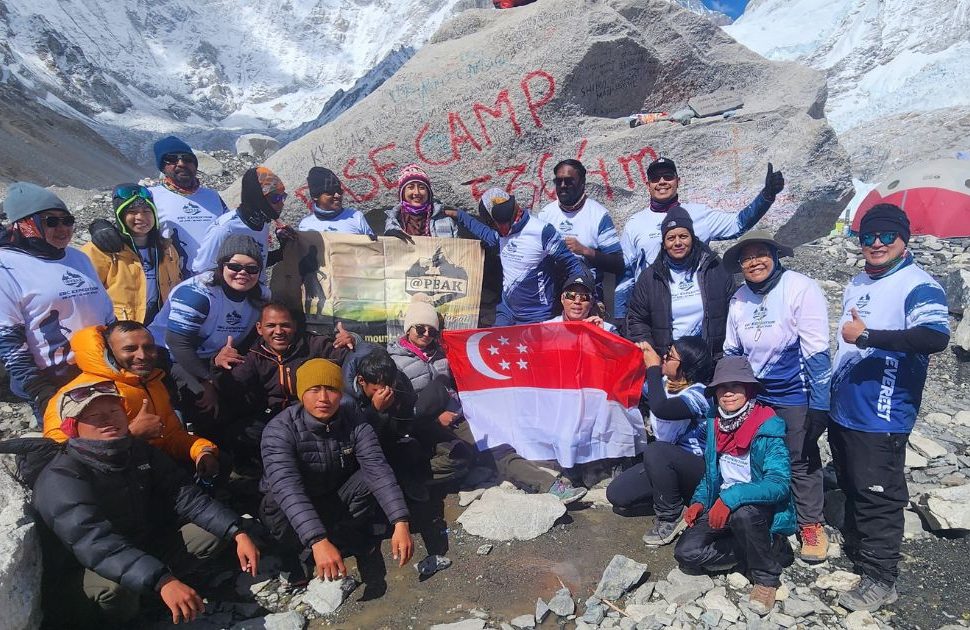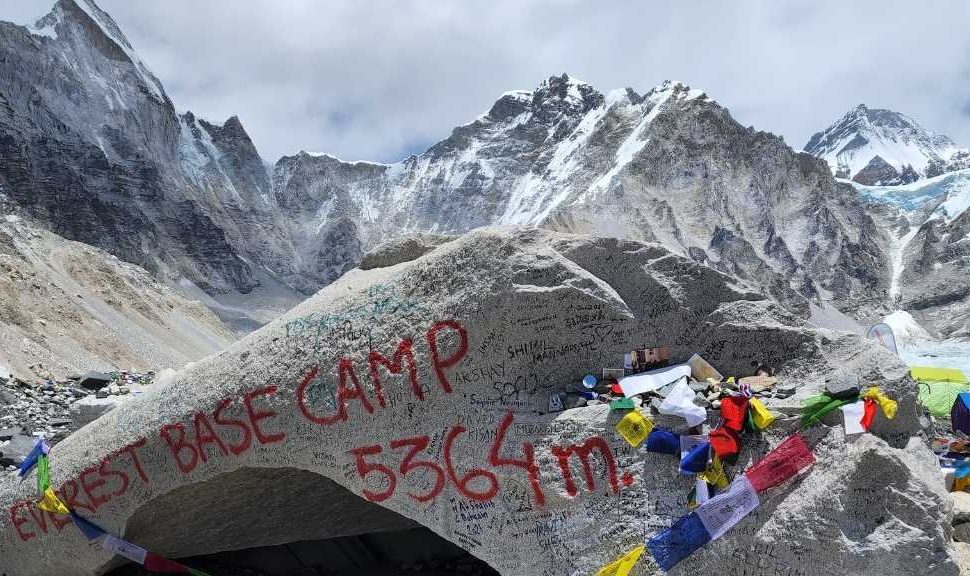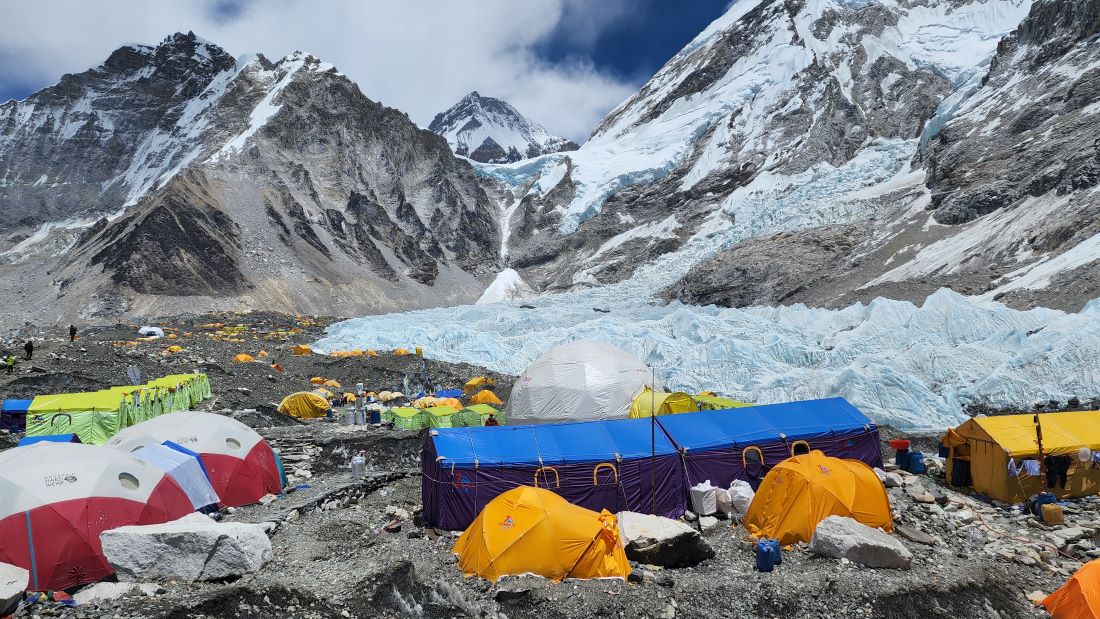
The best time for Everest Base Camp Trek is during spring (March to May) and autumn (September to November). October is the most popular month, offering the clearest mountain views and the most stable weather, while April is known for pleasant temperatures, blooming rhododendrons, and the excitement of Everest expedition season.
These are the moments that make the Everest Base Camp Trek one of the world’s most unforgettable adventures. Whether you enjoy crystal-clear Himalayan panoramas or find yourself trekking through clouds, rain, or freezing temperatures depends largely on when you go.
Both seasons provide excellent trekking conditions with reliable weather and breathtaking views. Autumn is the most dependable for clear skies, while spring rewards trekkers with colorful landscapes and the unique atmosphere of climbers preparing to summit Mount Everest.
If you’re planning the trek, our Everest Base Camp Trek Package page covers the complete itinerary, daily trekking distances, accommodation, costs, and everything included in the journey.
Prefer watching instead of reading? This short video explains the best months to trek to Everest Base Camp, seasonal weather, trail conditions, and which season is right for you.
If you’d like to see what the journey looks like before deciding when to go, watch our Everest Base Camp Trek video, where you’ll experience the trail, teahouses, mountain views, and daily trekking experience from Lukla to Everest Base Camp.
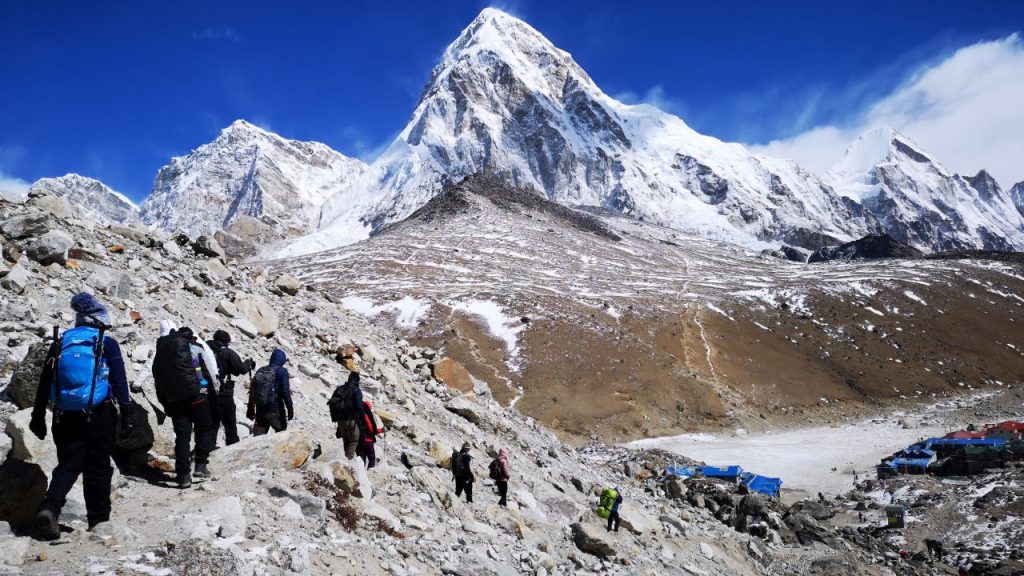
Best Time for Everest Base Camp Trek at a Glance
| What You’re Looking For | Best Choice |
| Best trekking seasons | Spring (March–May) Autumn (September–November) |
| Best spring month | April |
| Best autumn month | November |
| Winter trekking | Possible, but very cold with fewer trekkers (December–February) |
| Monsoon trekking | Not recommended due to heavy rain and poor visibility (June–August) |
The Everest Base Camp Trek (EBC Trek) is Nepal’s most popular and most recognized trekking route. It takes you through the heart of the Khumbu region, passing traditional Sherpa villages, ancient monasteries, alpine forests, glaciers, and finally to Everest Base Camp at 5,364 meters. Along the way, you’ll climb from Lukla (2,860 m) into a high-altitude environment where the weather changes significantly with both elevation and the season.
Choosing the right time to trek can make a big difference to your experience. Weather affects mountain views, trail conditions, temperatures, flights to Lukla, and even how busy the route becomes.
In this guide, you’ll find answers to questions such as:
- When is the best time to trek to Everest Base Camp?
- Is spring or autumn better for the EBC Trek?
- Can you trek to Everest Base Camp in winter?
- Is the monsoon season a good time to visit?
- Which months offer the clearest mountain views?
By the end of this guide, you’ll know what to expect in every season and which time of year is the best fit for your Everest Base Camp adventure.
Why Choosing the Best Time for Everest Base Camp Trek Matters
The Everest Base Camp Trek is a 12–16-day journey through the heart of the Himalayas, taking you from the lush forests around Phakding to the high-altitude glacier landscape at Everest Base Camp. Along the way, you’ll pass through several climate zones, and the weather changes noticeably as you gain elevation.
The table below shows the key stops on the trek and their elevations:
| Location | Elevation |
| Lukla | 2,860 m |
| Namche Bazaar | 3,440 m |
| Tengboche | 3,860 m |
| Dingboche | 4,410 m |
| Lobuche | 4,940 m |
| Gorak Shep | 5,164 m |
| Everest Base Camp | 5,364 m |
| Kala Patthar | 5,545 m |
As you climb higher, you’ll notice several important changes:
- Temperatures become colder.
- Oxygen levels decrease.
- Weather becomes less predictable.
- Snow, strong winds, and sudden storms become more common.
A warm, sunny afternoon in Namche Bazaar can become a freezing, windy evening in Lobuche just a couple of days later. That’s why choosing the right season is so important.
The time of year you trek affects:
- Your comfort and safety
- Mountain views of Everest, Lhotse, Nuptse, and Ama Dablam
- Trail conditions throughout the journey
- Lukla flight reliability and trekking logistics
- Availability of teahouses and other trekking services
- Your overall trekking experiences
Understanding how the weather changes throughout the year will help you choose the best season for your goals, whether you’re looking for clear mountain views, quieter trails, warmer temperatures, or the best overall trekking conditions.
The season is only one part of planning a successful trek. It’s also important to understand how challenging the route is, including the daily hiking hours, altitude, and fitness level required. Our Everest Base Camp Trek Difficulty guide covers everything you need to know before you go.
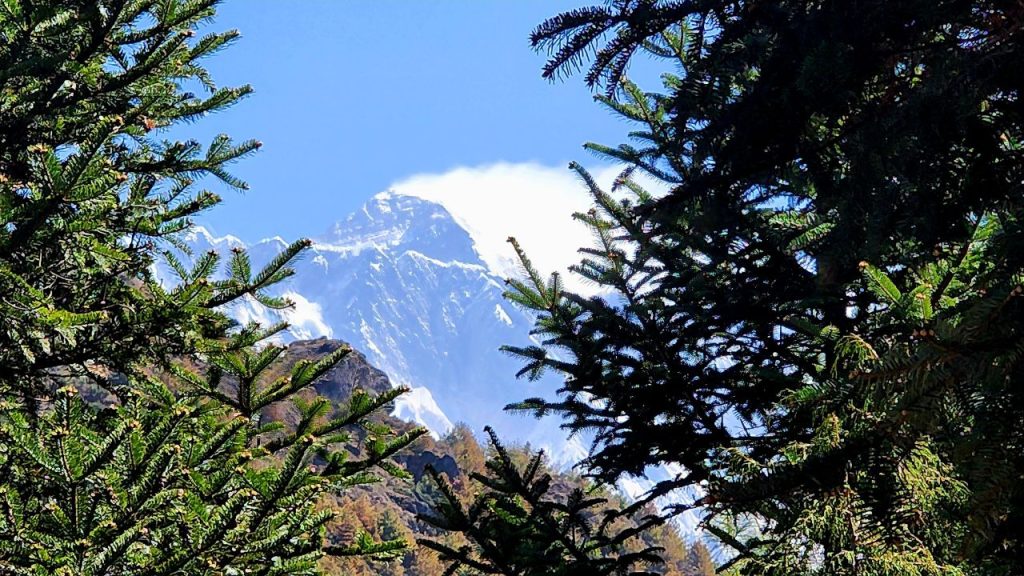
Everest Base Camp Trek Weather Overview
The Everest Base Camp Trek can be completed throughout the year, but each season offers a very different experience. Weather affects everything from mountain views and trail conditions to temperatures, Lukla flights, and the number of trekkers on the route.
In general, spring (March to May) and autumn (September to November) provide the best trekking conditions, while winter (December to February) is colder with fewer crowds, and summer/monsoon (June to August) brings frequent rain and limited visibility.
The table below gives a quick overview of what to expect in each season before we explore every month in detail.
| Season | What to Expect |
| Spring (Mar–May) | Mild temperatures, blooming rhododendrons, clear mornings, and excellent trekking conditions. |
| Summer / Monsoon (Jun–Aug) | Heavy rainfall, cloudy skies, slippery trails, and limited mountain views. |
| Autumn (Sep–Nov) | Stable weather, dry trails, crisp air, and the clearest mountain views. |
| Winter (Dec–Feb) | Cold temperatures, occasional snowfall, quiet trails, and fewer trekkers. |
Average Daytime Temperatures by Elevation
Daytime temperatures become cooler as you gain altitude. During the peak trekking seasons (spring and autumn), lower villages are pleasantly warm, while higher stops near Everest Base Camp remain cold even during the day.
| Location (Elevation) | Average Daytime Temperature |
| Lukla (2,860 m) | 12°C to 20°C |
| Namche Bazaar (3,440 m) | 8°C to 16°C |
| Tengboche (3,860 m) | 4°C to 12°C |
| Dingboche (4,410 m) | 0°C to 10°C |
| Lobuche (4,940 m) | -5°C to 5°C |
| Gorak Shep (5,164 m) | -8°C to 3°C |
| Everest Base Camp (5,364 m) | -10°C to 2°C |
Everest Base Camp Trek in Spring (March to May)
Spring (March to May) is one of the best times to trek to Everest Base Camp. The weather is generally stable, temperatures are comfortable, and the hillsides are covered with blooming rhododendrons. Combined with clear mountain views and longer daylight hours, it’s an ideal season for both first-time and experienced trekkers.
As winter snow begins to melt, the Khumbu region comes alive. Sherpa villages become busier, teahouses are fully open, and the trails fill with trekkers heading to Everest Base Camp. Spring is also the Everest climbing season, so you’ll often see expedition teams preparing for their summit attempts.
Spring Weather on the Everest Base Camp Trek
Daytime temperatures become warmer as spring progresses, although mornings and nights remain cold, especially above 4,000 meters.
| Month | Average Temperature |
| March | Day: 5°C–12°C • Night: -8°C to -2°C |
| April | Day: 8°C–16°C • Night: -5°C to 0°C |
| May | Day: 10°C–18°C • Night: -2°C to 5°C |
Higher elevations, including Lobuche, Gorak Shep, and Everest Base Camp, remain much colder than the lower villages. Even in April and May, temperatures often drop below freezing overnight, so warm clothing is still essential.
Why Choose Spring for the Everest Base Camp Trek?
Spring is one of the best seasons to trek to Everest Base Camp, offering comfortable temperatures, colorful landscapes, and generally stable weather. It’s an excellent choice for first-time trekkers and experienced hikers alike.
- Comfortable trekking weather: Mild daytime temperatures make long days on the trail enjoyable, while mornings and evenings remain cool at higher elevations.
- Rhododendrons in bloom: From late March through April, the forests below Tengboche come alive with vibrant red, pink, and white rhododendron flowers.
- Longer daylight hours: More daylight gives you extra time for trekking, acclimatization hikes, photography, and relaxing at the teahouse.
- Everest expedition season: Spring is the main climbing season on Mount Everest, creating a unique atmosphere as climbers, Sherpa teams, and expedition supplies move through the Khumbu.
- Excellent mountain views: Mornings are usually clear, offering spectacular views of Mount Everest, Lhotse, Nuptse, Ama Dablam, Pumori, and many other Himalayan peaks.
Challenges of Trekking in Spring
Spring offers excellent trekking conditions, but there are a few things to keep in mind before choosing this season.
- Afternoon clouds: Clouds often develop later in the day, particularly in April and May. Starting early gives you the best chance of clear mountain views.
- Busy trails: Spring is one of Nepal’s busiest trekking seasons, and popular villages and teahouses can become crowded.
- Higher prices: Flights to Lukla, accommodation, guides, and porter services are usually more expensive because of high demand.
- Occasional snowfall: March can still bring snowfall above 4,500 meters, especially around Lobuche, Gorak Shep, and Everest Base Camp.
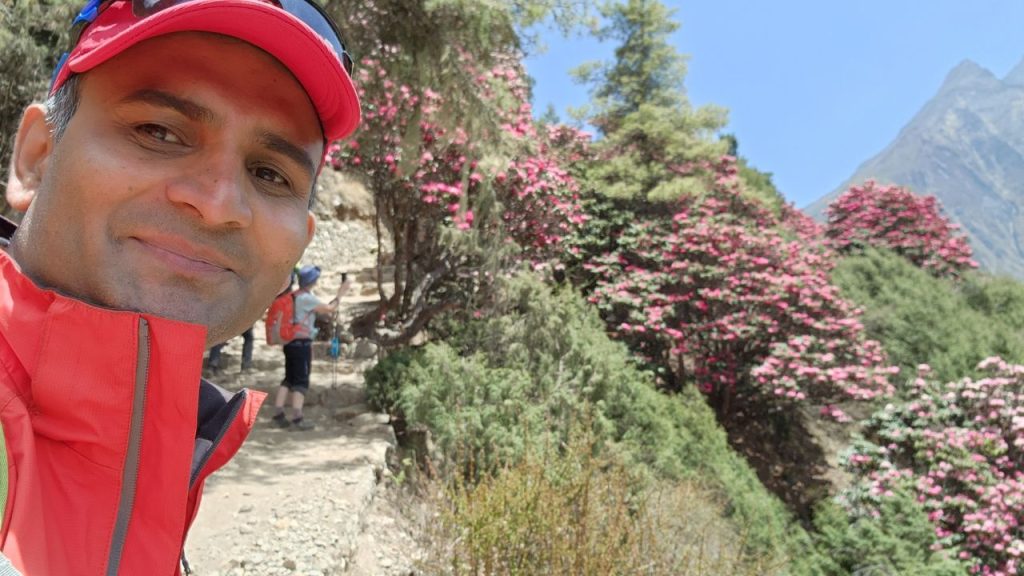
Spring Weather by Month
March
March marks the beginning of the spring trekking season. The trails are quieter, fresh snow still covers many of the higher peaks, and mountain views are often exceptionally clear. Expect cold nights, especially above Dingboche, but fewer crowds make it a great month for those seeking a more peaceful trekking experience.
April
April is widely considered the best month to trek to Everest Base Camp. Stable weather, blooming rhododendrons, comfortable temperatures, and the excitement of Everest expedition season create an ideal balance of scenery and trekking conditions.
May
May brings warmer temperatures and longer daylight hours, making trekking comfortable throughout the route. Early May continues to offer excellent conditions, while pre-monsoon clouds and haze become more common toward the end of the month. Despite this, it remains one of the best months to visit Everest Base Camp.
Everest Base Camp Trek in Autumn (September to November)
Autumn (September to November) is widely considered the best season for the Everest Base Camp Trek. After the monsoon rains clear the dust and humidity from the air, the Khumbu region enjoys stable weather, dry trails, and some of the clearest mountain views of the year. If you’re looking for classic Everest scenery and reliable trekking conditions, autumn is hard to beat.
Autumn Weather on the Everest Base Camp Trek
Autumn brings cool, comfortable days for trekking, while nights become colder as the season progresses, especially in November.
| Month | Average Temperature |
| September | Day: 8°C–16°C • Night: 2°C to 8°C |
| October | Day: 5°C–14°C • Night: -3°C to 4°C |
| November | Day: 2°C–10°C • Night: -8°C to -2°C |
September may still feel slightly humid in the first half of the month, but conditions quickly improve. By October, the air is dry, crisp, and exceptionally clear.
Why Choose Autumn for the Everest Base Camp Trek?
Autumn is the most popular trekking season for good reason. It offers the ideal combination of stable weather, breathtaking scenery, and reliable trail conditions.
- Crystal-clear mountain views: post-monsoon skies provide outstanding views of Mount Everest, Lhotse, Nuptse, Ama Dablam, Pumori, and the surrounding Himalayan peaks.
- Stable weather: Dry days, low rainfall, and predictable conditions make autumn one of the safest and most reliable times to trek.
- Dry, well-maintained trails: After the monsoon, trails are firm, river crossings are safer, and the risk of landslides is much lower.
- Perfect for photography: Clear skies, golden sunrise light, and crisp mountain scenery create ideal conditions for landscape photography.
- Fully operational teahouses: All lodges, teahouses, guides, and porter services are available throughout the season.
Challenges of Trekking in Autumn
Autumn offers some of the best trekking conditions of the year, but its popularity also brings a few challenges.
- Busy trails: October is Nepal’s busiest trekking month, and popular villages such as Namche Bazaar, Tengboche, Lobuche, and Gorak Shep can be crowded.
- Advance booking recommended: Teahouses, flights to Lukla, and guide or porter services often book out well in advance during peak season.
- Colder nights in November: As winter approaches, nighttime temperatures drop noticeably above 4,000 meters, making warm clothing and a quality sleeping bag essential.
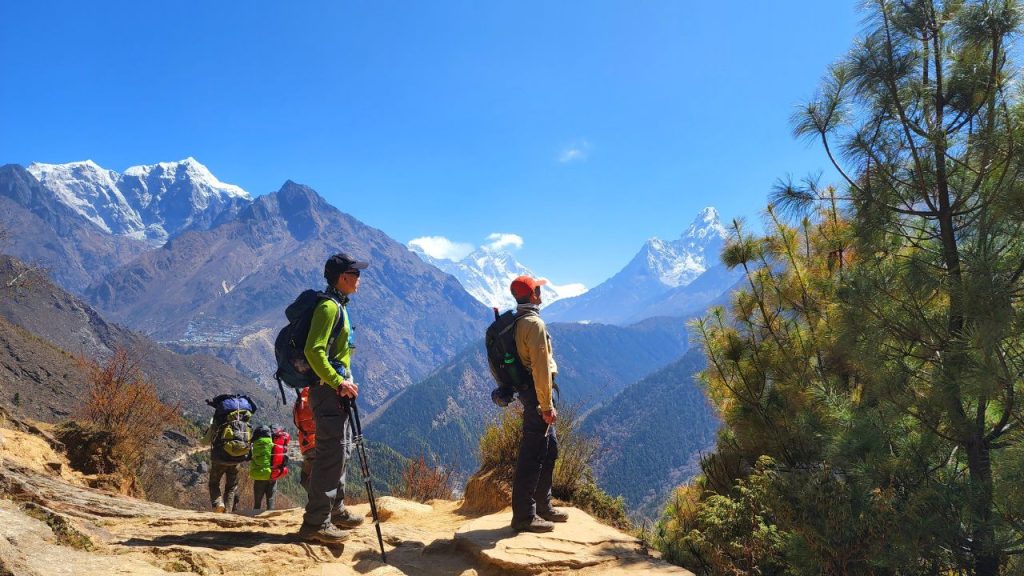
Autumn Weather by Month
September
September marks the transition from the monsoon to autumn. Early in the month, lower sections of the trail may still be damp, but skies gradually clear and mountain views improve. It’s a great option if you want greener landscapes and fewer trekkers.
October
October is widely regarded as the best month for the Everest Base Camp Trek. Stable weather, crystal-clear skies, comfortable temperatures, and outstanding mountain views make it the most popular time to visit. Because demand is high, it’s important to book flights, accommodation, and guides well in advance.
November
November offers some of the clearest skies of the year, along with quieter trails than October. Although mornings and nights are colder, many trekkers prefer November for its peaceful atmosphere and exceptional visibility.
Everest Base Camp Trek in Winter (December to February)
Winter (December to February) is the quietest season on the Everest Base Camp Trek. Snow-covered landscapes, crystal-clear mountain views, and peaceful trails create a completely different experience from the busy spring and autumn seasons. While the cold is more challenging, winter rewards well-prepared trekkers with incredible scenery and unmatched solitude.
Winter Weather on the Everest Base Camp Trek
Winter days can still be pleasant for trekking, especially in the sun, but temperatures drop well below freezing after sunset, particularly above 4,000 meters.
| Month | Average Temperature |
| December | Day: 2°C–10°C • Night: -12°C to -5°C |
| January | Day: -2°C–7°C • Night: -18°C to -8°C |
| February | Day: 0°C–8°C • Night: -15°C to -5°C |
Above 4,000 meters, including Dingboche, Lobuche, Gorak Shep, and Everest Base Camp, temperatures frequently fall below -15°C before sunrise.
Why Choose Winter for the Everest Base Camp Trek?
Winter offers a unique experience that few trekkers get to enjoy. If you’re prepared for the cold, it’s one of the most rewarding times to visit the Everest region.
- Quiet trails: Winter is the least crowded season, allowing you to enjoy peaceful trails and a more authentic atmosphere in Sherpa villages.
- Snow-covered landscapes: Fresh snow transforms the Khumbu into a spectacular alpine landscape of glaciers, frozen rivers, and white mountain slopes.
- Crystal-clear mountain views: Dry winter air often provides some of the sharpest views of Mount Everest and the surrounding Himalayan peaks.
- Lower costs: Flights, guides, porters, and teahouse accommodation are often less expensive than during the peak trekking seasons.
Challenges of Trekking in Winter
Winter trekking requires careful planning and the right equipment. The extreme cold, occasional snowfall, and rapidly changing weather can make the trek more demanding than at other times of the year. To prepare properly, see our Everest Base Camp Trek Packing List for a complete checklist of clothing, gear, and other essentials you’ll need for every season.
- Extreme cold: Nighttime temperatures above 4,000 meters often fall below -15°C, making warm clothing and a quality sleeping bag essential.
- Snow-covered trails: Heavy snowfall can make sections between Lobuche, Gorak Shep, and Kala Patthar more challenging.
- Shorter daylight hours: With fewer daylight hours, it’s important to start trekking early and keep daily distances realistic.
- Limited services: Some teahouses at higher elevations may close during the coldest months, and food choices can be more limited.
- Possible flight delays: Fog, snow, and winter weather can occasionally delay or cancel flights to and from Lukla, so it’s wise to include extra buffer days in your itinerary.
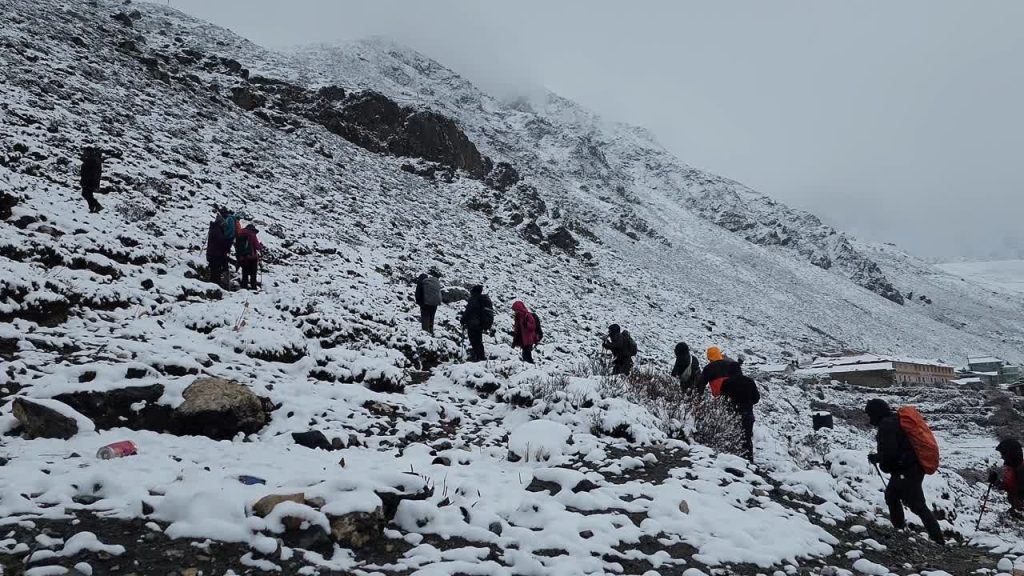
Winter Weather by Month
December
December is the best month for a winter Everest Base Camp Trek. The trails are quieter than in autumn, mountain views are excellent, and snowfall is usually limited in the first half of the month. Although nights become increasingly cold, trekking conditions remain favorable for most well-prepared hikers.
January
January is the coldest month of the year in the Everest region. Heavy snowfall and freezing overnight temperatures make it the most challenging time to trek. However, experienced trekkers are rewarded with peaceful trails, snow-covered scenery, and exceptional mountain views on clear days.
February
February marks the transition from winter to spring. Days gradually become longer, temperatures begin to rise, and trail conditions often improve toward the end of the month. For many trekkers, late February offers the perfect balance of winter scenery, quieter trails, and more comfortable trekking conditions.
Everest Base Camp Trek in Monsoon (June to August)
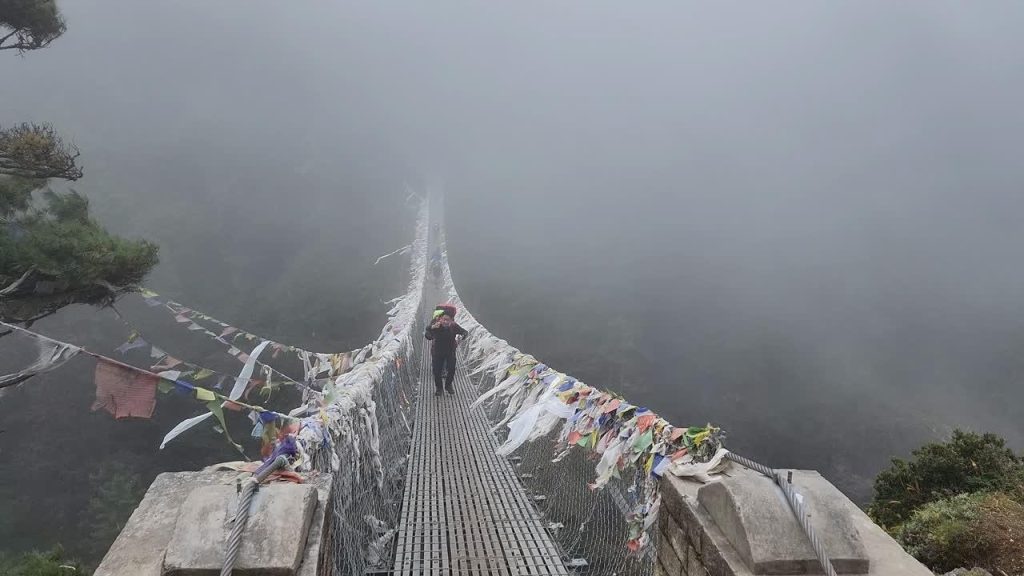
Monsoon (June to August) is the least recommended season for the Everest Base Camp Trek due to frequent rainfall, cloudy skies, and unpredictable flight schedules. However, for trekkers seeking quiet trails, lush green landscapes, and a different side of the Himalayas, it offers a unique and rewarding experience.
Monsoon Weather on the Everest Base Camp Trek
Monsoon is the warmest season on the trek, especially at lower elevations. While daytime temperatures are comfortable, rain, mist, and cloud cover are common, particularly below 4,000 meters.
| Month | Average Temperature |
| June | Day: 12°C–20°C • Night: 5°C to 12°C |
| July | Day: 14°C–22°C • Night: 7°C to 14°C |
| August | Day: 13°C–22°C • Night: 7°C to 13°C |
Most rainfall occurs in the lower Khumbu Valley, while higher villages such as Dingboche, Lobuche, and Gorak Shep often experience mist, fog, and occasional snowfall.
Why Choose Monsoon for the Everest Base Camp Trek?
Although monsoon isn’t the most popular season, it offers a quieter and greener trekking experience that appeals to adventurous travelers.
- Lush green landscapes: Forests, hillsides, and river valleys are at their most vibrant after the seasonal rains.
- Peaceful trails: With far fewer trekkers on the route, you’ll enjoy a quieter and more relaxed atmosphere in both the villages and teahouses.
- Dramatic waterfalls: Seasonal rainfall creates impressive waterfalls and fast-flowing rivers, especially between Lukla and Namche Bazaar.
- Warmer temperatures: Compared to winter, daytime temperatures are milder, making trekking more comfortable despite the rain.
Challenges of Trekking in Monsoon
Monsoon trekking requires flexibility and proper preparation. Frequent rain, slippery trails, and changing weather conditions can make the trek more challenging, while poor visibility may also affect transportation to and from Lukla. To make sure you’re prepared, see our Everest Base Camp Trek Packing List for the essential waterproof clothing, trekking gear, and other equipment recommended for the rainy season.
- Frequent rainfall: Wet, muddy, and slippery trails make trekking slower and more demanding.
- Limited mountain views: Clouds and mist often hide Everest and the surrounding peaks, especially during the afternoon.
- Landslide risk: Heavy rainfall increases the chance of landslides and rockfalls on some sections of the trail.
- Leeches: Leeches are common in the forested areas below 3,500 meters during the rainy season.
- Flight delays: Rain, low clouds, and poor visibility frequently cause delays or cancellations of Lukla flights, so extra buffer days are highly recommended.
Monsoon Weather by Month
June
June marks the beginning of the monsoon season. Early in the month, you’ll still find occasional clear mornings, but rainfall becomes more frequent as the month progresses. The landscapes begin turning lush and green, while mountain views become less reliable.
July
July is the wettest month of the year in the Everest region. Expect frequent rain, cloudy skies, muddy trails, and regular flight delays. While trekking is more challenging, you’ll experience peaceful trails and almost empty teahouses.
August
August remains rainy, although weather conditions gradually improve toward the end of the month. The hills are beautifully green, waterfalls are at their peak, and clearer skies become more common as the monsoon begins to retreat.
Is Monsoon a Good Time for the Everest Base Camp Trek?
For most trekkers, especially those visiting Everest Base Camp for the first time, spring and autumn remain the better choices because they offer more reliable weather and clearer mountain views.
However, if you don’t mind occasional rain, flexible travel plans, and limited visibility, monsoon can be a rewarding time to experience the Everest region without the crowds. The quiet trails, vibrant landscapes, and peaceful teahouses offer a side of the Khumbu that few trekkers get to see.
Best Months for the Everest Base Camp Trek
The best months for the Everest Base Camp Trek are April, May, October, and November. These months offer the best combination of stable weather, clear mountain views, comfortable temperatures, and reliable trekking conditions. No matter which season you choose, the route and acclimatization schedule remain the same. See our detailed day-by-day Everest Base Camp Trek Itinerary for a complete breakdown.
| Month | What to Expect |
| October | Best – Crystal-clear skies, stable weather, and ideal trekking conditions. |
| April | Excellent – Blooming rhododendrons, pleasant temperatures, and Everest expedition season. |
| November | Excellent – Outstanding Mountain views, quieter trails, and cool, dry weather. |
| May | Very Good – Warm days, longer daylight hours, and active Everest Base Camp. |
| March | Good – Fewer crowds, crisp mountain views, and fresh snow on higher peaks. |
| September | Good – Green landscapes, improving weather, and fewer trekkers than October. |
| December | Good – Quiet trails, clear skies, and manageable early winter conditions. |
| February | Moderate – Cold but improving conditions toward the end of the month. |
| June | Challenging – Monsoon begins with increasing rain and cloud cover. |
| August | Challenging – Rain continues, although conditions improve later in the month. |
| January | Difficult – Extreme cold, possible snowfall, suitable for experienced trekkers. |
| July | Difficult – Peak monsoon with heavy rain, poor visibility, and possible flight delays. |
Autumn vs. Spring: Which Season Is Better for the Everest Base Camp Trek?
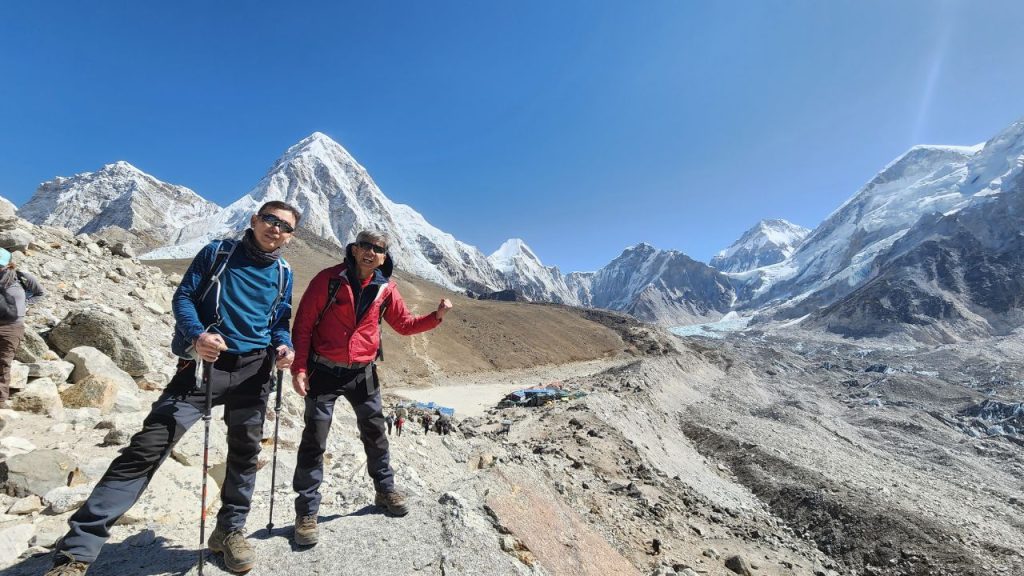
Both autumn (September to November) and spring (March to May) are excellent seasons for the Everest Base Camp Trek. Your choice depends on what matters most, clear mountain views, colorful scenery, fewer crowds, or the excitement of Everest expedition season.
| Feature | Comparison |
| Mountain views | Autumn: Clearest skies of the year Spring: Excellent, with occasional afternoon clouds |
| Weather | Autumn: Most stable and predictable Spring: Generally stable with slightly warmer days |
| Trail conditions | Autumn: Dry and firm Spring: Good, with occasional snow in early March |
| Crowds | Autumn: Busiest trekking season Spring: Busy during Everest expedition season |
| Scenery | Autumn: Crisp skies and post-monsoon landscapes Spring: Blooming rhododendrons and vibrant forests |
| Everest Base Camp atmosphere | Autumn: Peaceful Spring: Busy with Everest climbing expeditions |
| Temperatures | Autumn: Cooler Spring: Slightly warmer |
| Best month | Autumn: October Spring: April |
Which season should you choose?
- Choose autumn if you want the clearest mountain views, the most stable weather, and dry trail conditions.
- Choose spring if you prefer blooming rhododendrons, longer daylight hours, and the unique atmosphere of Everest expedition season.
There’s no single “perfect” season for everyone. Autumn is ideal for trekkers who want crystal-clear mountain views and the most stable weather, while spring appeals to those who enjoy colorful landscapes, longer daylight hours, and the unique atmosphere of Everest climbing season. The best choice ultimately depends on the experience you’re looking for.
Whichever season you choose, proper acclimatization is essential for a safe and successful trek. Our Everest Base Camp Altitude Sickness Guide explains how to recognize the symptoms, prevent altitude sickness, and acclimatize safely throughout the journey.
If you’re ready to plan your trip, our complete Everest Base Camp Trek guide covers the full itinerary, permits, accommodation, difficulty, costs, and everything else you need to know before setting off for Base Camp.
Frequently Asked Questions About the Best Time for the Everest Base Camp Trek
1. When Is the Best Time to Trek to Everest Base Camp?
The best time to trek to Everest Base Camp is during spring (March–May) or autumn (September–November). Both seasons offer stable weather, clear mountain views, and safe trail conditions, making them the top choice for most trekkers.
2. Which Season Is Better for the Everest Base Camp Trek: Spring or Autumn?
Autumn is usually considered the better option, thanks to its clearer skies and drier trails. That said, spring is a close second, with milder temperatures, blooming rhododendrons, and the added energy of Everest expedition season. Neither is a wrong choice.
3. What Is the Best Month for the Everest Base Camp Trek?
October is widely regarded as the single best month. It sits right in the heart of autumn, with the most stable weather, minimal rainfall, and the clearest mountain visibility of the year.
4. Can Beginners Do the Everest Base Camp Trek?
Yes, beginners can complete the trek as long as they’re in reasonably good physical condition and prepare with some cardio training beforehand. No technical climbing skills are needed, but a gradual pace and proper acclimatization are essential. If you’re wondering how challenging the trek is, our Everest Base Camp Trek Difficulty guide explains what to expect and how to prepare.
5. Is October the Best Month for the Everest Base Camp Trek?
Yes, October is often ranked as the best single month. It combines dry trails, clear skies, and comfortable daytime temperatures, which is why it’s also the busiest month on the trail.
6. Can You Trek to Everest Base Camp in Winter?
Yes, but it’s more demanding. Winter (December–February) brings freezing temperatures, especially at night, and occasional snowfall at higher elevations. Sections near Lobuche, Gorak Shep, and Kala Patthar may become snow-covered, making the trek more challenging.
7. Can You Trek to Everest Base Camp During the Monsoon?
It’s possible, but not recommended. Monsoon season (June–August) brings heavy rain, muddy trails, occasional leeches in the lower forests, and clouds that block mountain views. Flight delays into Lukla are also more common during this time.
8. When Are the Mountain Views Clearest on the Everest Base Camp Trek?
Mountain views are clearest during autumn, particularly October and November, when the monsoon has washed the dust from the air and skies stay largely cloud-free.
9. Which Month Has the Best Weather for the Everest Base Camp Trek?
October consistently has the most reliable weather, with mild days, cold but manageable nights, and very little rain or snowfall to disrupt the trek.
10. Does It Snow on the Everest Base Camp Trek?
Yes, snow is common at higher elevations, especially from December through February. Light snowfall can also occur in early spring or late autumn, but it rarely disrupts the trek during peak season.
11. Is Spring Warmer Than Autumn on the Everest Base Camp Trek?
Spring is generally slightly warmer than autumn, particularly in April and May, as temperatures gradually rise ahead of the summer monsoon.
12. Does the Season Affect the Cost of the Everest Base Camp Trek?
For most Everest Base Camp Trek packages, the overall cost remains the same throughout the year. The main difference is availability, as spring and autumn are the busiest seasons and should be booked well in advance. For a detailed breakdown of permits, flights, accommodation, and other expenses, see our Everest Base Camp Trek Cost guide.
13. Which Season Has the Fewest Crowds on the Everest Base Camp Trek?
Winter and the monsoon season see far fewer trekkers. If you prefer quiet trails and want to avoid crowded teahouses, these off-peak seasons are worth considering, despite the tougher conditions.
14. Are Lukla Flights Affected by Weather During the Everest Base Camp Trek?
Yes. Lukla’s airport is highly weather-dependent, and flights are frequently delayed or cancelled during monsoon season and winter storms. Spring and autumn generally offer the most reliable flight schedules.
15. Is April a Good Time for the Everest Base Camp Trek?
Yes, April is one of the most popular months to trek. It offers pleasant temperatures, blooming rhododendron forests along the lower trails, long daylight hours, and the unique atmosphere of Everest expedition season.
16. What Is the Coldest Month on the Everest Base Camp Trek?
January is typically the coldest month, with night time temperatures at higher elevations often dropping below -15°C.
17. Which Season Is Best for Photography on the Everest Base Camp Trek?
Autumn is the best season for photography, offering crystal-clear skies, outstanding visibility, and sharp mountain views. Spring is another excellent choice if you want to capture blooming rhododendrons alongside the Himalayan peaks.
18. How Many Days Do You Need for the Everest Base Camp Trek?
Most Everest Base Camp Trek itineraries take 12 to 14 days, including acclimatization days. The exact duration depends on your itinerary, trekking pace, and whether you include side trips such as Kala Patthar or Gokyo Lakes. You can explore a complete day-by-day schedule in our Everest Base Camp Trek Itinerary guide.
19. What Should I Pack for the Everest Base Camp Trek in Different Seasons?
Layering is essential in every season. Pack moisture-wicking base layers, a warm down jacket, sturdy trekking boots, gloves, a hat, and a quality sleeping bag. Winter requires heavier insulation, while monsoon trekking calls for reliable waterproof clothing and rain protection. For a complete checklist, see our Everest Base Camp Trek Packing List.
20. Can You See Mount Everest Throughout the Everest Base Camp Trek?
No. Your first clear views of Mount Everest usually appear near Namche Bazaar. Some of the best viewpoints during the trek include Tengboche, Kala Patthar, and Everest Base Camp, depending on the weather.
21. Is November Better Than October for the Everest Base Camp Trek?
November remains a great choice with clear skies and stable weather, though it’s colder than October, especially at night. Many trekkers prefer November for its slightly smaller crowds while still enjoying excellent visibility.
22. Is the Everest Base Camp Trek Safe in Every Season?
Yes, the Everest Base Camp Trek can be completed safely throughout the year with proper preparation. However, weather conditions vary by season, so choosing the right gear, allowing enough time for acclimatization, and keeping a flexible itinerary are important for a safe trek. To learn how to recognize and prevent altitude-related problems, read our guide to Altitude Sickness on the Everest Base Camp Trek.
23. Can You Trek to Everest Base Camp All Year Round?
Yes. The Everest Base Camp Trek is open throughout the year, but conditions vary by season. Spring and autumn offer the best weather and mountain views, while winter and the monsoon season require more preparation and flexibility. If you’re planning your adventure, our Everest Base Camp Trek page includes the full itinerary, trip highlights, inclusions, and departure information.