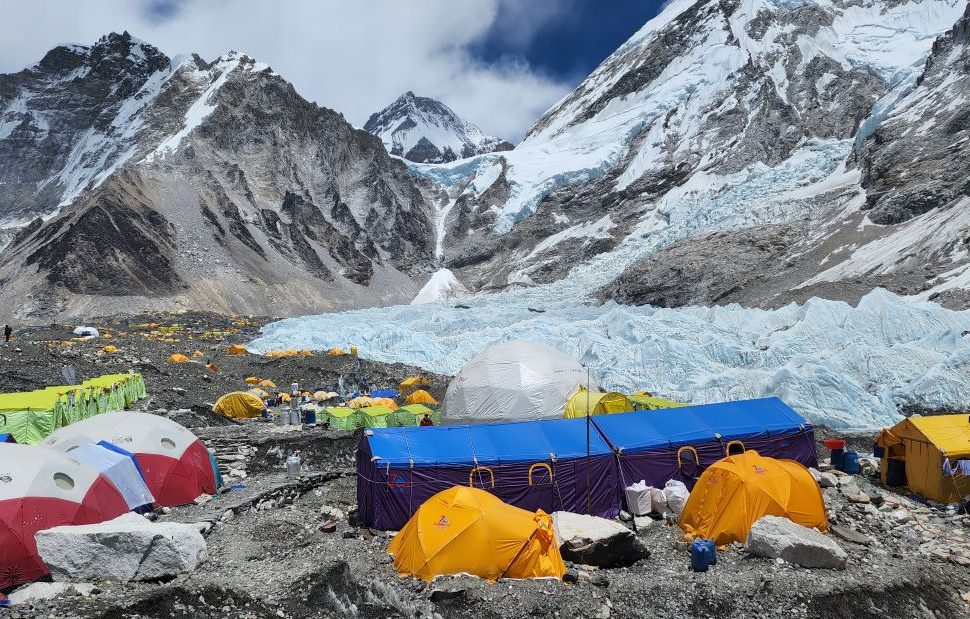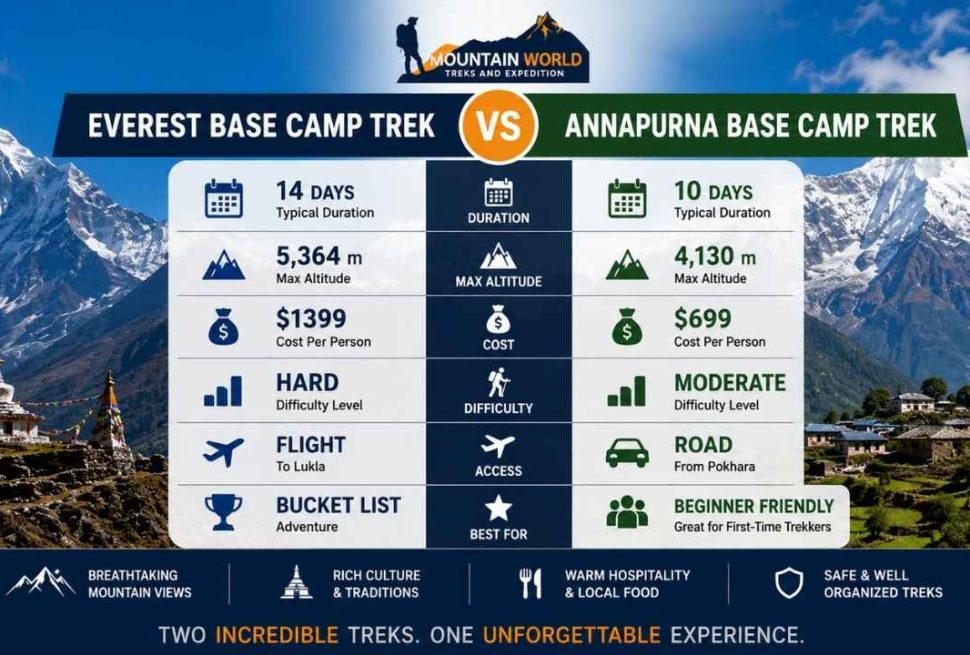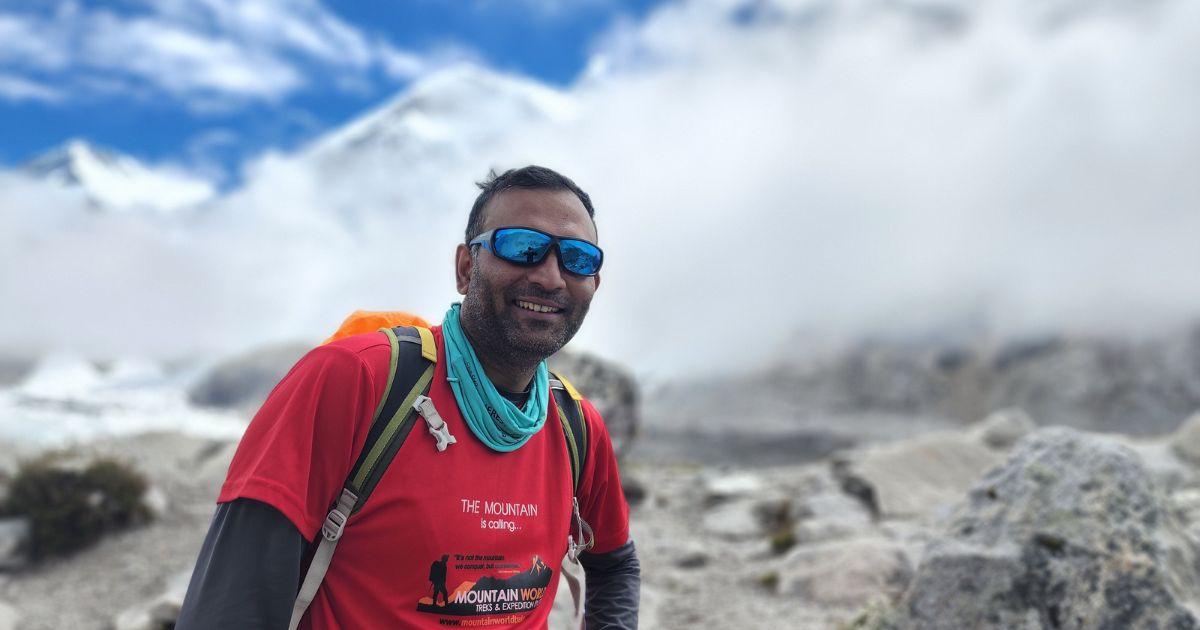
The Everest Base Camp Trek for Beginners may seem challenging, but it’s achievable with the right preparation. You don’t need climbing or mountaineering experience, just a moderate level of fitness, a well-paced itinerary, and the patience to acclimatize properly. While the trek is physically demanding, the biggest challenge is the high altitude, not the trail itself. Every year, thousands of first-time trekkers successfully reach Everest Base Camp by preparing well and taking it one step at a time.
| Topic | Details |
| Trek Duration | 12–14 days (standard itinerary) |
| Difficulty | Moderate to challenging |
| Experience Required | No trekking or climbing experience required |
| Highest Elevation | Kala Patthar (5,545 m / 18,192 ft) |
| Everest Base Camp Elevation | 5,364 m / 17,598 ft |
| Total Trek Distance | Approximately 130 km (81 miles) round trip |
| Daily Walking Time | 5–7 hours on average |
| Best Seasons | Spring (March–May) and Autumn (September–November) |
| Accommodation | Tea houses (lodges) |
| Permits Required | Sagarmatha National Park Permit and Khumbu Pasang Lhamu Rural Municipality Permit |
| Major Challenge | High altitude and acclimatization |
| Guide Required? | A guide is highly recommended for safety and a better trekking experience. |
Can Beginners Do the Everest Base Camp Trek?
Many people dream of trekking to Everest Base Camp, but they also wonder if they can actually do it. If you’re asking yourself the same question, you’re not alone. It’s one of the most common concerns for first-time trekkers.
The good news is that you don’t need to be a mountaineer or an experienced trekker to reach Everest Base Camp. Every year, thousands of first-time hikers from around the world complete the journey successfully. They come from different ages, fitness levels, and backgrounds, but they all have one thing in common, they prepare well and take the trek one step at a time.
While the Everest Base Camp Trek is physically demanding, the biggest challenge isn’t steep trails or long walking days. It’s the high altitude. Knowing how to prepare your body, choose the right gear, pace yourself, and acclimatize properly can make the difference between simply reaching Base Camp and truly enjoying the experience.
In this beginner’s guide, you’ll learn everything you need to prepare for the Everest Base Camp Trek, including fitness, training, packing, altitude sickness, permits, food, accommodation, budgeting, and practical tips to help you trek with confidence.
Is the Everest Base Camp Trek Suitable for Beginners?
The short answer is yes. The Everest Base Camp Trek is one of the few high-altitude adventures that is achievable for beginners who prepare properly. You don’t need climbing experience, technical mountaineering skills, or specialized equipment to complete the trek.
The trail follows well-established paths through the Khumbu region, passing Sherpa villages, suspension bridges, forests, and alpine landscapes before reaching Everest Base Camp. Although some days involve long uphill walks and rocky terrain, there are no sections that require ropes, ice axes, or rock climbing.
What makes the trek challenging is the altitude rather than the trail itself. As you climb above 3,000 meters (9,843 feet), the air becomes thinner and your body needs time to adjust. That’s why following a well-designed itinerary with acclimatization days is far more important than walking fast or being exceptionally fit.
With a positive mindset, steady pace, and proper preparation, many first-time trekkers successfully reach Everest Base Camp every trekking season.
What Beginners Should Know Before the Trek
| Question | Answer |
| Do I need climbing experience? | No. The trek does not involve technical climbing. |
| Is the trail suitable for first-time trekkers? | Yes, with proper preparation and acclimatization. |
| Do I need to carry a heavy backpack? | Not if you hire a porter. You’ll usually carry only a small daypack. |
| Is a guide necessary? | While experienced hikers may trek independently where regulations allow, hiring a knowledgeable guide is highly recommended for safety, local insight, and a smoother experience. |
| What is the biggest challenge? | High altitude and proper acclimatization. |
Useful Tip: Don’t compare yourself to other trekkers. Walking slowly and taking regular breaks is one of the best ways to conserve energy and help your body adjust to the altitude.
Why Preparation Matters More Than Fitness
Many first-time trekkers assume the Everest Base Camp Trek is all about physical strength. While being reasonably fit certainly helps, fitness alone won’t guarantee a successful trek. The real challenge is high altitude, where the air contains significantly less oxygen than at sea level.
By the time you reach Everest Base Camp at 5,364 meters (17,598 feet), your body is working much harder with every step. If you continue to Kala Patthar (5,545 meters / 18,192 feet) for the iconic sunrise view of Mount Everest, the oxygen level is even lower. Even simple activities like climbing a short hill, putting on your boots, or carrying your backpack can feel surprisingly demanding.
This is why the Everest Base Camp Trek is designed with acclimatization days. These planned rest days allow your body to adjust gradually to the increasing altitude, reducing the risk of altitude sickness and making the journey safer and more enjoyable.
Preparation also means arriving with realistic expectations. Training before your trip, packing appropriate clothing, staying hydrated, eating well, and trekking at a comfortable pace are all just as important as your physical fitness.
Fitness vs. Preparation
| Fitness Helps You… | Preparation Helps You… |
| Walk longer with less fatigue | Adjust safely to high altitude |
| Handle uphill sections more comfortably | Reduce the risk of altitude sickness |
| Recover faster after each day | Pack the right clothing and gear |
| Enjoy the trek with greater confidence | Manage changing mountain weather |
| Build endurance | Avoid common beginner mistakes |
Useful tip: On the Everest Base Camp Trek, slow and steady is often the smartest approach. Walking at a comfortable pace gives your body more time to adapt and usually leads to a more enjoyable experience.
How Fit Do You Need to Be for the Everest Base Camp Trek?
You don’t need to be a marathon runner or spend hours in the gym every day to complete the Everest Base Camp Trek. However, you should have a moderate level of fitness and be comfortable being active for several days in a row.
On most trekking days, you’ll walk 5–7 hours, with a few longer days lasting up to 8 hours, depending on the itinerary and your pace. The trails include plenty of uphill and downhill sections, uneven stone steps, suspension bridges, and rocky paths. Carrying a light daypack while trekking at high altitude makes the journey more demanding than the distance alone suggests.
If you can comfortably complete long walks or hikes and recover well the next day, you’re already building the type of endurance needed for the trek. Consistency is far more important than intense workouts in the weeks leading up to your adventure.
A Good Fitness Benchmark for Beginners
Before your trek, you should ideally be able to:
- Walk 10–15 km (6–9 miles) comfortably in a day.
- Hike or exercise for 5–6 hours with short breaks.
- Climb several flights of stairs without becoming overly exhausted.
- Carry a 5–8 kg (11–18 lbs) daypack comfortably.
- Stay active on consecutive days without needing long recovery periods.
Fitness Checklist
| Fitness Goal | Recommended Level |
| Walking endurance | 10–15 km comfortably |
| Daily hiking | 5–7 hours |
| Stair climbing | Comfortable without frequent stops |
| Backpack | Carry 5–8 kg daypack |
| Cardio | Moderate endurance (walking, cycling, swimming, or jogging) |
| Recovery | Ready to hike again the following day |
Beginner Tip: If you’re starting from scratch, don’t worry. Training consistently for 8–12 weeks before your trek can make a noticeable difference in your endurance and confidence on the trail.
How to Train for the Everest Base Camp Trek
The best way to prepare for the Everest Base Camp Trek is to train consistently rather than intensely. You don’t need expensive equipment or extreme workouts. Building endurance, leg strength, and cardiovascular fitness over 8–12 weeks will help you enjoy the trek and recover more comfortably each day.
If possible, include outdoor hikes with a backpack to simulate trekking conditions. If you don’t have access to hiking trails, walking on hills, climbing stairs, or using an inclined treadmill are excellent alternatives.
Suggested 12-Week Training Plan
| Training Phase | Recommended Activities |
| Weeks 1–4: Build Your Fitness Base | Brisk walking, easy jogging, cycling, or swimming 3–4 times per week. Focus on building consistency rather than speed. |
| Weeks 5–8: Increase Endurance & Strength | Add longer walks, hill training, stair climbing, bodyweight exercises, and weekend hikes. Gradually increase your walking distance and time. |
| Weeks 9–12: Trek Preparation | Complete long hikes with a 5–8 kg (11–18 lbs) daypack, practice back-to-back hiking days, and maintain your cardio fitness. |
Exercises That Help Most
Instead of focusing only on cardio, combine different types of training.
- Cardio: Brisk walking, Hiking, Cycling, Swimming, Light jogging
- Strength Training: Squats, Lunges, Step-ups, Calf raises, Planks, Glute bridges
- Flexibility and Recovery: Stretch after workouts, Practice yoga or mobility exercises, Take at least one full rest day each week
Should You Train with a Backpack?
Yes, but don’t overdo it. During your final few weeks of training, try walking with a 5–8 kg (11–18 lbs) backpack, similar to what you’ll carry on the trek. This helps your shoulders, back, and legs adapt to carrying extra weight while improving your balance and endurance.
If you’re planning to hire a porter, remember that you’ll only need to carry your daily essentials, so there’s no need to train with a heavy pack.
Beginner Tip: Consistency beats intensity. Three to five moderate workouts each week for several months will prepare you far better than pushing yourself too hard just before your trek.
When Is the Best Time for Everest Base Camp Trek for Beginners?
The best time for beginners to trek to Everest Base Camp is during spring (March to May) and autumn (September to November). These seasons usually offer stable weather, clear mountain views, comfortable daytime temperatures, and the best trail conditions, making them ideal for first-time trekkers.
Winter and the monsoon season are still possible, but they bring additional challenges. Winter is colder with occasional snow, while the monsoon often brings rain, muddy trails, clouds, and possible flight delays to and from Lukla.
Best Seasons at a Glance
| Season | Why It’s Good (or not) for Beginners |
| Spring (March–May) | Best choice. Mild temperatures, blooming rhododendrons, clear mountain views, and stable weather. |
| Summer/Monsoon (June–August) | Less recommended due to rain, cloudy views, slippery trails, and possible flight delays. |
| Autumn (September–November) | Best choice. Excellent visibility, stable weather, comfortable temperatures, and ideal trekking conditions. |
| Winter (December–February) | Suitable for experienced or well-prepared trekkers who don’t mind colder temperatures and occasional snow. |
If you’re unsure which season suits your travel plans, our Best Time to Trek Everest Base Camp guide compares the weather, trail conditions, temperatures, and crowd levels throughout the year.
What to Pack for Your First Everest Base Camp Trek?
Packing wisely can make your trek much more comfortable. The weather in the Everest region changes quickly, and temperatures become much colder as you gain altitude. Dressing in layers and bringing reliable gear will help you stay warm, dry, and comfortable throughout the journey.
You don’t need to buy the most expensive equipment, but you should invest in quality essentials like well-fitting trekking boots, warm clothing, and a waterproof outer layer. Avoid packing unnecessary items, as carrying extra weight can make long trekking days more tiring.
If you’re looking for a complete, season-specific checklist, our Everest Base Camp Packing List covers everything you’ll need, from clothing and footwear to sleeping gear and personal essentials. Below is a summary of the most important items every beginner should pack.
Essential Packing Checklist
| Category | Essential Items |
| Clothing | Moisture-wicking base layers, fleece jacket, insulated down jacket, waterproof jacket and pants, trekking pants, thermal wear, warm hat, gloves, hiking socks |
| Footwear | Broken-in waterproof trekking boots, camp shoes or sandals |
| Backpack | Daypack (20–30 L) with a rain cover |
| Sleeping Gear | Four-season sleeping bag (recommended for colder months) |
| Accessories | Sunglasses, sunscreen, lip balm, trekking poles, reusable water bottles or hydration bladder, headlamp |
| Personal Items | Toiletries, medications, first-aid kit, power bank, charging cables, passport, permits, cash |
Packing Tips for Beginners
- Break in your trekking boots well before your trip to help reduce the risk of blisters.
- Dress in layers so you can easily adapt to changing temperatures throughout the day.
- Pack lightweight, quick-drying clothing instead of heavy cotton garments.
- Keep important items like your passport, cash, medications, and waterproof jacket in your daypack.
- If you’re hiring a porter, keep your duffel bag within the recommended weight limit (usually around 15 kg / 33 lbs).
Beginner Tip: It’s common to pack too much for your first trek. If you’re unsure whether you’ll use an item, you probably don’t need to bring it.
Understanding Altitude and Preventing Altitude Sickness
For most beginners, altitude is the biggest challenge on the Everest Base Camp Trek. As you climb higher into the Himalayas, the air becomes thinner, meaning your body gets less oxygen with every breath. This is why even fit trekkers may feel tired, short of breath, or develop mild symptoms of altitude sickness.
The good news is that altitude sickness is often preventable. The key is to gain elevation gradually, follow an itinerary with acclimatization days, stay well hydrated, eat nutritious meals, and avoid rushing. Listening to your guide and paying attention to how your body feels are just as important as your physical fitness.
If you’re unfamiliar with how altitude affects the body, our detailed Everest Base Camp Altitude Sickness Guide explains the symptoms, prevention, and treatment in greater detail.
Common Symptoms of Altitude Sickness
| Mild Symptoms | What You Should Do |
| Headache | Rest, drink plenty of water, and inform your guide. |
| Loss of appetite | Eat light meals and continue drinking fluids. |
| Nausea | Take it easy and monitor your symptoms. |
| Dizziness | Avoid climbing higher until you feel better. |
| Difficulty sleeping | This is common at higher elevations, but let your guide know if symptoms worsen. |
How to Reduce the Risk
- Follow an itinerary that includes acclimatization days.
- Walk at a slow, steady pace instead of rushing.
- Drink 3–4 liters of water each day.
- Eat regular, energy-rich meals, even if your appetite decreases.
- Avoid alcohol and smoking at high altitude.
- Tell your guide immediately if you develop symptoms instead of trying to push through them.
Beginner Tip: Never ignore persistent symptoms or continue ascending if you feel significantly unwell. Descending to a lower altitude is often the safest and most effective response when symptoms become severe.
Daily Life on the Everest Base Camp Trek
Life on the Everest Base Camp Trek follows a simple routine. Most days begin early, allowing you to take advantage of the clear morning weather before clouds build up in the afternoon. You’ll spend the day walking through beautiful mountain scenery, stopping for tea and lunch along the way before reaching your next tea house in the afternoon.
Once you arrive, there’s time to relax, enjoy a warm meal, chat with fellow trekkers, and prepare for the next day’s journey. As you gain altitude, evenings become colder, so most trekkers head to bed early to rest and recover.
While every itinerary is slightly different, a typical trekking day looks something like this:
| Time | What to Expect |
| 6:30–7:00 AM | Wake up and enjoy breakfast at the tea house. |
| 7:30–8:00 AM | Start trekking while the weather is usually clear and cool. |
| 10:00–10:30 AM | Short tea or snack break. |
| 12:00–1:00 PM | Stop for lunch at a village along the trail. |
| 3:00–4:00 PM | Arrive at the next tea house, check in, and rest. |
| 6:00–7:00 PM | Dinner and briefing for the following day’s trek. |
| 8:30–9:00 PM | Head to bed for a good night’s sleep. |
What to Expect During the Day?
- Walk at a steady, comfortable pace with regular breaks.
- Enjoy spectacular views of snow-capped peaks, rivers, forests, and Sherpa villages.
- Cross iconic suspension bridges and follow well-marked mountain trails.
- Stop at tea houses for meals, snacks, and hot drinks.
- Carry only your daily essentials if you’re using a porter.
Beginner Tip: The Everest Base Camp Trek isn’t a race. Take time to enjoy the scenery, chat with fellow trekkers, and appreciate the journey as much as the destination.
Food, Water, and Accommodation on the Everest Base Camp Trek
One of the biggest surprises for first-time trekkers is how comfortable life on the trail can be. While the facilities become simpler as you gain altitude, tea houses provide everything you need for a comfortable night’s stay, warm meals, and a place to relax after a day of trekking.
Many beginners are surprised by the variety of food available on the Everest Base Camp Trek. Lower villages such as Lukla and Namche Bazaar offer a wide selection of Nepali and international dishes, including pasta, fried rice, noodles, soups, and pizza.
As you gain altitude, the menu becomes more limited, but you’ll still find hearty meals that provide the energy needed for each day’s trek. For a closer look at the food, meal prices, and dietary options available along the route, see our detailed Everest Base Camp Food Guide.Safe drinking water is available throughout the trek. Instead of buying single-use plastic bottles, most trekkers refill their reusable water bottles at tea houses or designated water stations and purify the water using tablets, drops, or a filtration bottle.
What to Expect
| Category | Details |
| Accommodation | Simple tea houses with twin-sharing rooms, a bed, pillow, and blanket. |
| Meals | Dal Bhat, fried rice, noodles, pasta, soups, eggs, potatoes, pancakes, and other local and international dishes. |
| Drinking Water | Refill stations and boiled water are widely available. Always purify water before drinking unless it’s commercially bottled. |
| Showers | Hot showers are available at many tea houses for an additional fee. |
| Charging | Mobile phone and camera charging are available at most tea houses, usually for an extra cost. |
| Wi-Fi | Available in many villages, although the connection may be slow or unreliable at higher elevations. |
Beginner Tip: Dal Bhat is one of the most popular meals on the trail because it’s nutritious, filling, and often comes with free refills at many tea houses—making it a favorite among trekkers.
Permits, Money, and Other Essentials
A little planning before you arrive in Nepal can save you time and hassle during your trek. From obtaining the correct permits to carrying enough cash, taking care of these essentials in advance will help your journey go more smoothly.
What You Need to Know
| Essential | What to Expect |
| Permits | You’ll need the Sagarmatha National Park Permit and the Khumbu Pasang Lhamu Rural Municipality Permit to enter the trekking region. |
| Cash | Bring enough Nepalese Rupees for personal expenses, as ATMs are limited and may not be reliable beyond Lukla. |
| Mobile Network | Mobile coverage is available in many villages but becomes less reliable at higher elevations. |
| Wi-Fi | Most tea houses offer Wi-Fi for an additional fee, though speeds can be slow. |
| Electricity | Charging phones, cameras, and power banks is possible at most tea houses, usually for a small charge. |
| Travel Insurance | Choose a policy that covers high-altitude trekking and emergency helicopter evacuation. |
Helpful Tips
- Carry small denominations of Nepalese Rupees for tea houses and small purchases.
- Bring a power bank to reduce the need for paid charging.
- Download offline maps before your trek, as internet access can be limited.
- Keep your permits, passport, and insurance details in a waterproof pouch or dry bag.
Beginner Tip: Don’t rely on ATMs or card payments once you’re on the trail. Carry enough cash from Kathmandu to cover your personal expenses throughout the trek.
How Much Does the Everest Base Camp Trek Cost?
The cost of the Everest Base Camp Trek depends on your itinerary, the services included, and your personal travel style. Mountain World Treks offers a 14-day Everest Base Camp Trek starting from USD 1,399 per person on a twin-sharing basis, making it an excellent option for beginners who prefer a well-organized trekking experience.
The package includes the essentials needed for a successful trek, such as airport transfers, domestic flights, trekking permits, tea house accommodation, meals during the trek, a licensed trekking guide, and porter service. You’ll only need to budget separately for personal expenses like travel insurance, trekking gear, snacks, drinks, Wi-Fi, charging, hot showers, and tips.
| Included in the Package | Personal Expenses |
| Airport transfers | Travel insurance |
| Domestic flights | Trekking gear (if needed) |
| Trekking permits | Snacks and drinks |
| Tea house accommodation | Wi-Fi and charging |
| Meals during the trek | Hot showers |
| Licensed guide and porter | Tips for guide and porter |
For a detailed breakdown of package inclusions, personal expenses, and budgeting tips, see our Everest Base Camp Trek Cost guide or explore the Everest Base Camp Trek package to compare itineraries and current pricing
Do You Need Travel Insurance for the Everest Base Camp Trek?
While travel insurance isn’t legally required for the Everest Base Camp Trek, it is strongly recommended. Trekking takes place at high altitude in a remote mountain region where medical facilities are limited, and emergency evacuation can be expensive.
When choosing a policy, make sure it specifically covers:
- High-altitude trekking up to the maximum elevation of your itinerary.
- Emergency helicopter evacuation.
- Medical treatment and hospitalization.
- Trip cancellation or interruption.
- Lost, stolen, or delayed baggage.
Before you travel, read your policy carefully to understand what’s included, as altitude limits and coverage can vary between insurance providers.
Beginner Tip: Don’t assume every travel insurance policy covers high-altitude trekking. Always check the maximum elevation covered and confirm that emergency helicopter evacuation is included.
Common Mistakes First-Time Trekkers Make
Most beginners complete the Everest Base Camp Trek without major problems, but a few common mistakes can make the journey more difficult than it needs to be. Knowing what to avoid before you start will help you trek more comfortably and safely.
- Walking too fast: Trek at a slow, steady pace to conserve energy and give your body time to acclimatize.
- Ignoring altitude sickness symptoms: Don’t dismiss headaches, nausea, dizziness, or unusual fatigue. Tell your guide immediately if you feel unwell.
- Packing more than you need: Carry only the essentials. A lighter backpack makes each day’s trek more comfortable.
- Wearing brand-new trekking boots: Break in your boots before your trip to help prevent painful blisters.
- Not drinking enough water: Stay hydrated by drinking 3–4 liters of water each day, even if you don’t feel thirsty.
- Forgetting to carry enough cash: Bring enough Nepalese Rupees from Kathmandu, as ATMs and card payments are limited along the trail.
- Underestimating the weather: Mountain conditions can change quickly, so pack layers and keep a waterproof jacket within easy reach.
- Skipping meals or snacks: Your body needs plenty of energy at high altitude, even if your appetite decreases.
- Comparing yourself to other trekkers: Everyone acclimatizes differently. Walk at your own pace and avoid trying to keep up with others.
- Focusing only on reaching Base Camp: Take time to enjoy the mountain scenery, Sherpa culture, monasteries, and villages that make the journey unforgettable.
Beginner Tip: A successful Everest Base Camp Trek isn’t about walking the fastest—it’s about trekking at a pace that allows you to stay healthy, enjoy the experience, and reach Base Camp safely.
Beginner Tips for a Successful Everest Base Camp Trek
Preparing well is the best way to enjoy your Everest Base Camp Trek. Keep these practical tips in mind before and during your adventure:
- Start training 8–12 weeks before your trek.
- Walk at a slow, steady pace instead of rushing.
- Stay hydrated by drinking 3–4 liters of water each day.
- Follow your itinerary and never skip acclimatization days.
- Wear layered clothing to adapt to changing mountain weather.
- Break in your trekking boots well before your trip.
- Carry only the essentials to keep your daypack light.
- Eat regular, energy-rich meals, even if your appetite decreases.
- Listen to your guide and pay attention to your body’s signals.
- Carry enough Nepalese Rupees for personal expenses along the trail.
- Keep your passport, permits, and valuables in a waterproof bag.
- Take time to enjoy the scenery, local culture, and every step of the journey.
Remember: Reaching Everest Base Camp isn’t about being the strongest trekker, it’s about preparing well, respecting the altitude, and enjoying one of the world’s most incredible trekking experiences.
Everest Base Camp Trek for Beginners: Frequently Asked Questions
Can a beginner do the Everest Base Camp Trek?
Yes. The Everest Base Camp Trek is suitable for beginners with proper preparation. You don’t need climbing or mountaineering experience, but you should have moderate fitness, follow a well-paced itinerary, and allow enough time for acclimatization. Every year, thousands of first-time trekkers successfully complete the journey.
How fit do I need to be for the Everest Base Camp Trek?
You should be comfortable walking 5–7 hours a day for several consecutive days. Regular walking, hiking, cardio exercise, and basic strength training for 8–12 weeks before your trek will help improve your endurance and confidence on the trail.
Is the Everest Base Camp Trek difficult?
The trek is considered moderate to challenging. Most of the trail is not technically difficult, but the combination of long walking days and high altitude makes it physically demanding.
What is the biggest challenge on the Everest Base Camp Trek?
For most trekkers, the biggest challenge is high altitude rather than the trail itself. Following a proper itinerary with acclimatization days and walking at a steady pace greatly reduces the risk of altitude sickness.
How many days does the Everest Base Camp Trek take?
Most standard itineraries take 12–14 days, including acclimatization days in Namche Bazaar and Dingboche. Some longer itineraries include extra days for sightseeing or additional acclimatization.
How much does the Everest Base Camp Trek cost?
Mountain World Treks offers a 14-day Everest Base Camp Trek from USD 1,399 per person on a twin-sharing basis, including airport transfers, domestic flights, permits, tea house accommodation, meals, a licensed guide, and porter service.
What is the best time to trek to Everest Base Camp?
The best seasons are spring (March to May) and autumn (September to November), when the weather is generally stable and mountain views are at their best.
What should I pack for the Everest Base Camp Trek?
Essentials include broken-in trekking boots, layered clothing, a warm down jacket, a waterproof outer layer, gloves, a hat, sunglasses, sunscreen, a reusable water bottle, and a comfortable daypack. Packing light while carrying the essentials will make your trek more enjoyable.
Can I trek without a guide?
While experienced trekkers may choose to trek independently where regulations allow, hiring a licensed guide is highly recommended. A guide helps with navigation, safety, acclimatization, local knowledge, and logistics, allowing you to focus on enjoying the journey.
Is there Wi-Fi, electricity, and mobile network coverage on the trek?
Yes. Most tea houses offer Wi-Fi and charging facilities for an additional fee. Mobile network coverage is available in many villages but becomes less reliable as you gain altitude. Internet speeds can also be slow, especially in the higher villages.
How much should I budget for personal expenses?
In addition to your trekking package, it’s a good idea to carry extra cash for drinks, snacks, hot showers, Wi-Fi, charging electronic devices, and tips for your guide and porter.
How much weight will I need to carry?
If you’re hiring a porter, you’ll usually carry only a daypack with essentials such as water, snacks, a waterproof jacket, sunscreen, and personal items. Your main duffel bag is carried by the porter, making the trek much more comfortable for beginners.
How old do you need to be to trek to Everest Base Camp?
There is no official minimum or maximum age for the Everest Base Camp Trek. As long as you’re in good health, reasonably fit, and follow a proper acclimatization schedule, people of many ages successfully complete the journey.
How cold does it get on the Everest Base Camp Trek?
Temperatures vary by season and altitude. During spring and autumn, daytime temperatures are generally comfortable, while nights can drop below freezing, especially in higher villages like Lobuche and Gorak Shep. Winter is significantly colder.
Do I need travel insurance?
Yes. Comprehensive travel insurance that covers high-altitude trekking and emergency helicopter evacuation is strongly recommended. It provides financial protection in case of illness, injury, or unexpected trip interruptions.
Is drinking water safe on the Everest Base Camp Trek?
Yes, as long as it’s properly treated. Most trekkers refill their bottles at tea houses or water stations and purify the water using purification tablets, drops, filters, or UV purifiers.
Should I hire a porter?
Hiring a porter isn’t required, but many beginners find it worthwhile. A porter carries your main duffel bag, allowing you to walk comfortably with only a small daypack. This can make the trek more enjoyable, especially at higher elevations.
Can I shower during the trek?
Yes. Hot showers are available at many tea houses for an additional fee. As you climb higher, showers become more limited and generally more expensive.
What happens if I get altitude sickness?
If you develop symptoms of altitude sickness, inform your guide immediately. Mild symptoms often improve with rest and proper acclimatization, but worsening symptoms may require descending to a lower altitude and seeking medical attention.
Is the Everest Base Camp Trek worth it for beginners?
Absolutely. With proper preparation and realistic expectations, the Everest Base Camp Trek is one of the most rewarding adventures for first-time trekkers. The combination of breathtaking Himalayan scenery, Sherpa culture, and the sense of achievement makes it a once-in-a-lifetime experience for many people.
Ready for Your Everest Base Camp Adventure?
The Everest Base Camp Trek is an achievable adventure for beginners who prepare well. You don’t need mountaineering experience, just a reasonable level of fitness, the right gear, a well-planned itinerary, and the patience to acclimatize properly.
The journey is about more than reaching Base Camp. It’s about experiencing breathtaking Himalayan landscapes, Sherpa culture, and memories that will stay with you long after the trek ends.
When you’re ready to take the next step, explore the Mountain World Treks Everest Base Camp Trek package to view the itinerary, inclusions, and available departure dates.