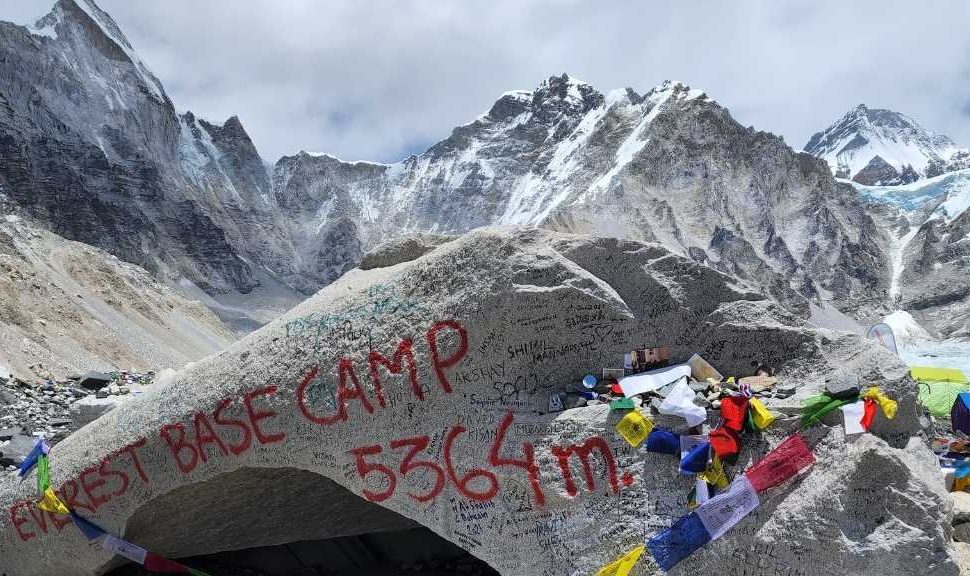
Choosing between an Everest Base Camp group vs private trek is one of the first decisions you’ll make when planning your adventure. While both options follow the same iconic route and reach the same destination, they differ in cost, flexibility, guide attention, and overall trekking experience.
At Mountain World Treks, we’ve guided both group and private Everest Base Camp treks for many years, helping trekkers from around the world choose the option that best fits their budget and travel style.
If keeping costs low and meeting fellow trekkers are your top priorities, a group trek is usually the best choice. By sharing guide and porter costs with other participants, you’ll enjoy a more affordable trip with fixed departure dates and a social atmosphere.
If you prefer complete flexibility over your travel dates, walking pace, and daily itinerary, a private trek offers a more personalized experience. Although it costs more, it allows you to trek at your own pace and tailor the journey to your needs.
If you’d like to see what the Everest Base Camp Trek is really like before comparing the two options, watch our video guide for an overview of the route, altitude, accommodation, and what to expect on the trail.
Neither option is better than the other. It simply depends on your budget, schedule, and travel style. In this guide, we’ll compare group and private Everest Base Camp treks, covering costs, flexibility, guide support, and the pros and cons of each, so you can confidently choose the option that’s right for you.
If you’re still deciding whether the Everest Base Camp Trek is right for you, explore our complete Everest Base Camp Trek guide. It covers the route, itinerary, difficulty, costs, permits, best time to visit, and everything you need to know before planning your adventure.
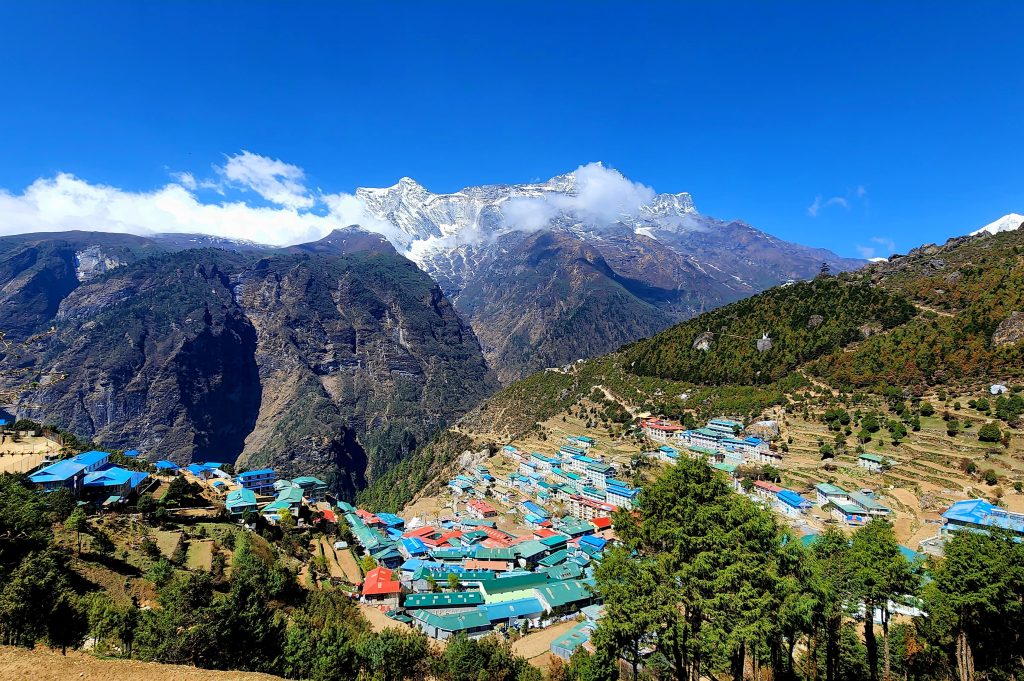
Everest Base Camp Group vs Private Trek: Which Option Is Best for You?
| If you want to… | Best Choice |
| Save money | Group Trek |
| Meet other trekkers | Group Trek |
| Join a fixed departure | Group Trek |
| Trek at your own pace | Private Trek |
| Choose your own travel dates | Private Trek |
| Travel as a couple or family | Private Trek |
| Customize your itinerary | Private Trek |
| Travel solo on a budget | Group Trek |
What Is a Group Trek for Everest Base Camp?
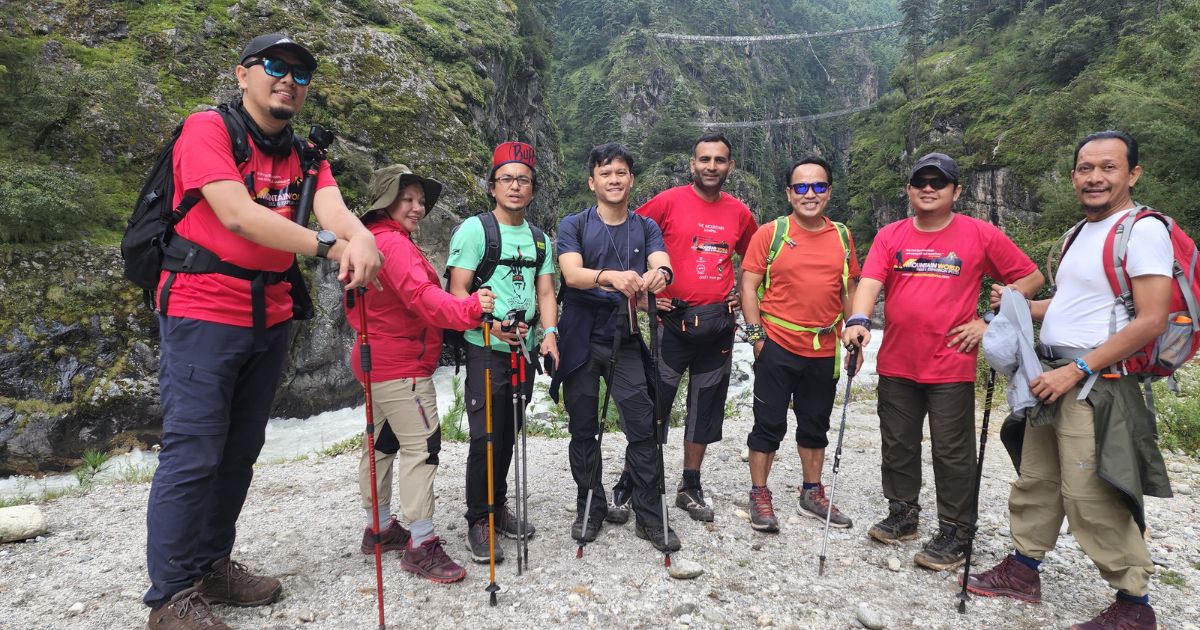
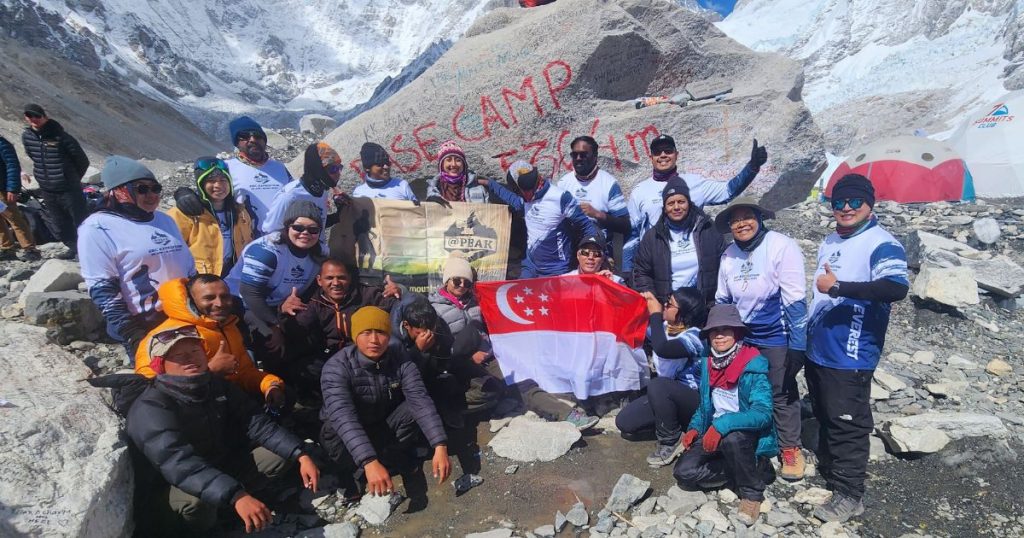
A group Everest Base Camp trek involves joining a scheduled departure organized by a trekking agency, where you’ll trek alongside other travelers who have booked the same trip. Most groups consist of 4 to 12 trekkers, although larger groups may form during the busy spring and autumn trekking seasons. Everyone follows the same itinerary, stays in the same teahouses, and walks at a pace set by the guide to suit the group as a whole.
Since guide, porter, and other operational costs are shared among participants, group treks are the most affordable way to reach Everest Base Camp. However, the itinerary, departure dates, daily pace, and acclimatization schedule are fixed, offering less flexibility than a private trek.
Group Trek at a Glance
| Feature | Rating |
| Cost | Excellent Value |
| Flexibility | Limited |
| Guide Attention | Shared |
| Social Experience | Excellent |
| Customization | Limited |
| Best For | Solo budget trekkers |
What Is a Private Trek for Everest Base Camp?
A private Everest Base Camp trek is a customized trek arranged exclusively for you and your travel companions. Whether you’re trekking solo, as a couple, with family, or in a group of friends, you’ll have a dedicated guide and, if required, your own porter, without other trekkers joining your itinerary.
A private trek gives you complete flexibility to choose your departure date, walking pace, and daily schedule. You can add extra acclimatization days, include side trips, or adjust the itinerary to suit your fitness level and travel preferences. While private treks cost more because the guide and logistics are not shared with other participants, many trekkers find the added flexibility, privacy, and personalized support well worth the extra expense.
The biggest difference between a group trek and a private trek is the cost. The table below compares the typical price and key cost factors for each option.
Private Trek at a Glance
| Feature | Rating |
| Cost | Higher Cost |
| Flexibility | Excellent |
| Guide Attention | Dedicated |
| Social Experience | Moderate |
| Customization | Fully Personalized |
| Best For | Couples, families, groups of friends |
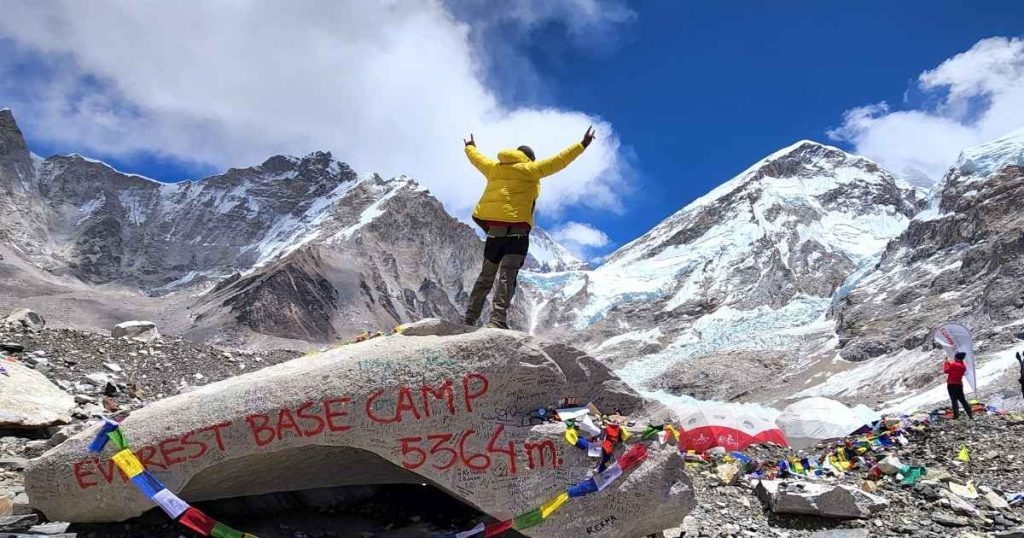
Everest Base Camp Group vs Private Trek Cost Comparison
The cost difference between a group trek and a private trek comes down to how expenses are shared. In a group trek, guide, porter, and other operational costs are divided among several trekkers, making it the more budget-friendly option. With a private trek, you or your own party cover those costs, resulting in a higher price but greater flexibility and personalized service.
While prices vary by trekking agency, group size, and season, the overall pattern remains consistent. A private trek doesn’t offer a different route or better mountain views, it gives you more control over your itinerary, walking pace, and travel dates.
If you’d like a more detailed breakdown of permits, Lukla flights, accommodation, guide and porter costs, and other expenses, read our Everest Base Camp Trek Cost guide. The table below compares the typical costs of group and private treks.
| Feature | Group Trek | Private Trek |
| Cost | Lower | Higher |
| Guide | Shared | Dedicated |
| Porter | Shared | Dedicated |
| Flexibility | Limited | Full |
| Pace | Group | Your Own |
| Dates | Fixed | Flexible |
| Best For | Solo/Budget | Couples/Families |
Everest Base Camp Trek Itinerary Flexibility: Group Vs Private
One of the biggest advantages of a private Everest Base Camp trek is itinerary flexibility. Unlike a group trek, which follows a fixed departure schedule and daily plan, a private trek lets you choose your travel dates, walking pace, and itinerary. You can also add extra acclimatization days or optional side trips if needed.
If you’d like to see the complete day-by-day route, including acclimatization days and daily walking distances, read our Everest Base Camp Trek Itinerary guide. The table below highlights the key differences in flexibility between group and private treks.
| Factor | Group Trek | Private Trek |
| Start Date | Fixed | Flexible |
| Daily Pace | Group Pace | Your Pace |
| Acclimatization | Fixed | Flexible |
| Side Trips | Limited | Customizable |
| Return Date | Fixed | Flexible |

Guide and Porter Support: Group vs Private
The level of guide and porter support is another important difference between a group and private Everest Base Camp trek. While both options include experienced local guides and reliable porter services, the amount of personal attention you receive depends on the size of your trekking party. In a group trek, guides and porters support multiple trekkers, whereas a private trek provides more dedicated assistance and greater flexibility throughout the journey. Here’s how they compare.
| Support | Group Trek | Private Trek |
| Guide Support | Shared | Dedicated |
| Porter Support | Shared | Dedicated |
| Personal Attention | Shared | Personalized |
| Luggage Support | Shared | Dedicated to Your Party |
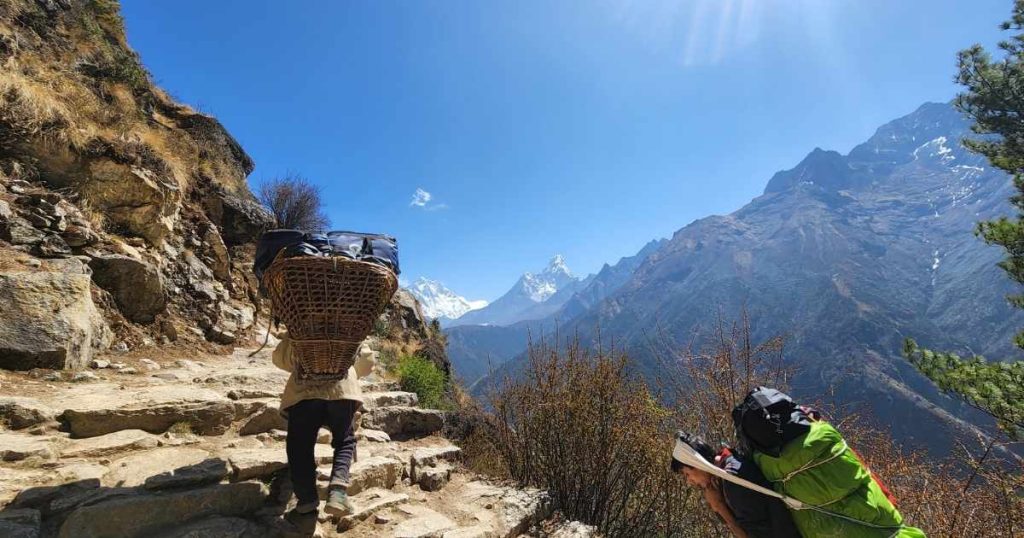
The Social Experience: Everest Base Camp Group vs Private Trek
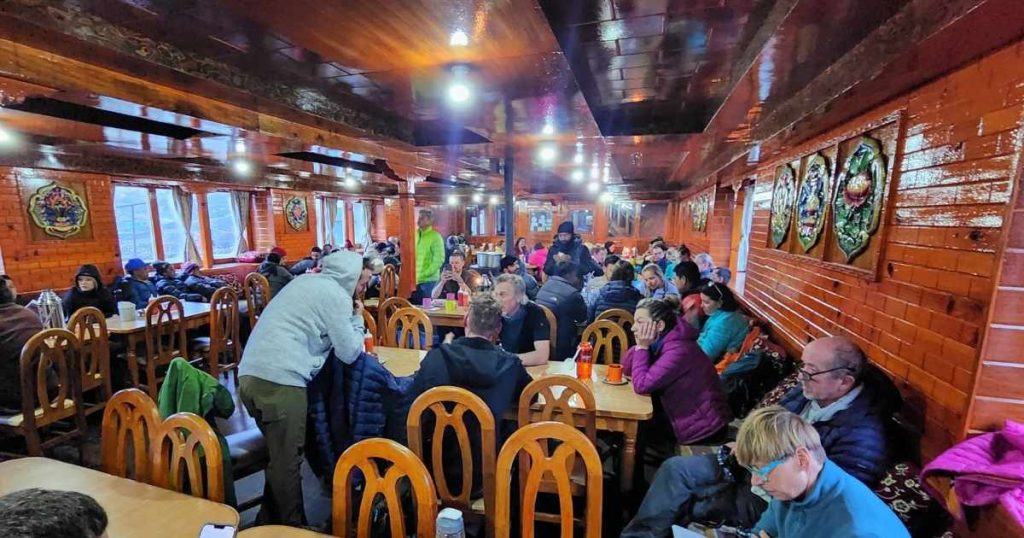
One of the biggest advantages of a group Everest Base Camp trek is the opportunity to share the journey with like-minded travelers from around the world. From enjoying meals together in teahouses to celebrating milestones along the trail, it’s common for friendships to form naturally during the trek. Many solo travelers choose group departures not only to reduce costs but also to enjoy the camaraderie and motivation that comes from trekking with others.
Private trekkers still have plenty of opportunities to meet fellow hikers in teahouses and along the trail. However, the experience is generally quieter and more personal, allowing you to focus on your own pace and spend quality time with your travel companions rather than following the dynamics of a larger group.
Who Should Choose a Group Trek to Everest Base Camp?
A group Everest Base Camp trek is an excellent choice for travelers who value affordability, enjoy meeting new people, and don’t mind following a fixed itinerary. By sharing guide and porter costs with other trekkers, group departures offer great value while creating a fun and supportive atmosphere on the trail.
A group trek is ideal if you:
- Are traveling solo and want to meet like-minded trekkers.
- Want to keep costs as low as possible without compromising the experience.
- Have flexible travel dates and can join a scheduled departure.
- Don’t mind walking at a group pace and following a fixed itinerary.
- Enjoy shared experiences and the camaraderie of trekking with others.
Who Should Choose a Private Trek to Everest Base Camp?
A private Everest Base Camp trek is ideal for travelers who want maximum flexibility, personalized support, and the freedom to set their own pace. Although it costs more than a group trek, it offers a customized experience that can be tailored to your schedule, fitness level, and travel preferences.
A private trek is the best choice if you:
- Are traveling as a couple, family, or with friends and want to trek together.
- Prefer a flexible itinerary with the option to adjust your pace or add extra acclimatization days.
- Have fixed vacation dates that don’t match scheduled group departures.
- Want more personal attention from your guide throughout the trek.
- Value privacy and independence over the social aspect of group travel.
Safety Considerations: EBC Group Trek vs Private Trek
Whether you choose a group or private Everest Base Camp trek, both options are equally safe when organized by a reputable trekking company. Experienced guides, proper acclimatization, emergency procedures, and access to evacuation support are the same regardless of group size.
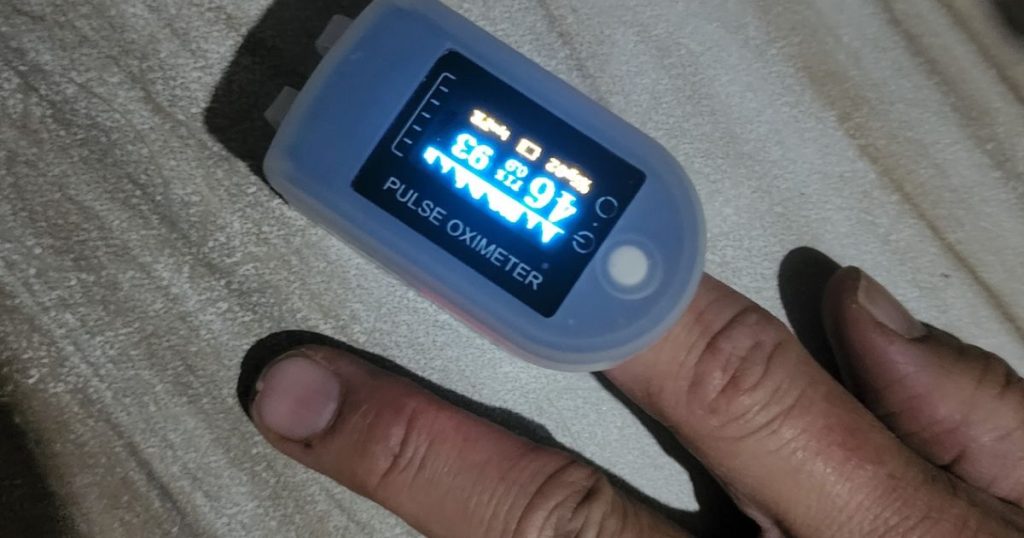
The main difference is the level of personal attention. On a private trek, your guide focuses solely on you or your group, making it easier to monitor your pace, fitness, and early signs of altitude sickness. During a group trek, guides are responsible for several trekkers at once, but experienced guides are trained to monitor everyone’s health and adjust the pace when necessary.
For most healthy trekkers, both options provide a safe and enjoyable experience. However, if you have specific health concerns, prefer closer one-on-one support, or simply want greater flexibility to slow down or add an extra acclimatization day, a private trek may offer additional peace of mind.
Common Mistakes When Choosing Between a Everest Base Camp Group vs Private Trek
Choosing the right trekking style isn’t just about comparing prices. It’s also about finding the option that best matches your budget, schedule, fitness level, and travel preferences. Here are some of the most common mistakes trekkers make when deciding between a group and private Everest Base Camp trek.
- Choosing based on price alone. A cheaper group trek isn’t always the best value if fixed departure dates or a shared itinerary don’t fit your schedule or travel style.
- Assuming a private trek follows a different route. Both group and private treks usually follow the same classic Everest Base Camp route, stay in the same teahouses, and enjoy the same mountain scenery. The main difference is flexibility and the level of personalized support.
- Overlooking the group pace. Every group trek moves at a pace that suits the majority of participants. If you prefer walking faster or slower than average, a private trek may provide a more enjoyable experience.
- Not considering your travel companions. Families, couples, and groups of friends often have different needs and walking speeds. A private trek allows your guide to tailor the itinerary to your group’s comfort and preferences.
Do Group and Private Treks Follow the Same Itinerary?
In most cases, yes. Group and private Everest Base Camp treks follow the same classic 14-day route, including acclimatization days in Namche Bazaar and Dingboche, overnight stays in the same teahouses, and visits to Everest Base Camp and Kala Patthar.
The main difference isn’t the route, it’s the flexibility. Group treks follow a fixed itinerary and departure schedule, while private treks can be customized to include extra acclimatization days, side trips, or a slower walking pace if needed.
If you’d like to see the complete day-by-day route, read our Everest Base Camp Trek Itinerary guide.
Meals and Accommodation: Group vs Private Everest Base Camp Trek
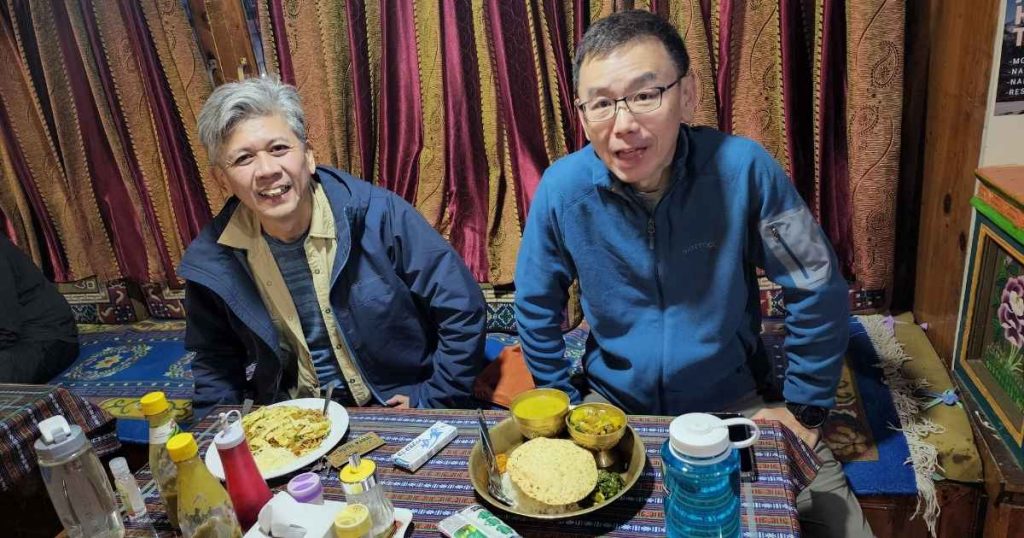
Whether you choose a group or private Everest Base Camp trek, you’ll stay in the same teahouses and enjoy the same local menus along the route. The quality of accommodation and food is generally the same, regardless of how you book your trek. For a closer look at what you’ll eat and where you’ll stay, see our Everest Base Camp Accommodation and Everest Base Camp Food guides.
The main difference is convenience rather than comfort. On a group trek, rooms are usually allocated on a twin-sharing basis, and meal times often follow the group’s schedule. On a private trek, couples, families, and friends have greater flexibility with room arrangements and can enjoy meals at a time that suits their own itinerary.
Booking Process and Lead Time: EBC Group vs Private Trek
The booking process is another important difference between group and private Everest Base Camp treks. Group treks operate on fixed departure dates, so availability depends on existing schedules and the number of remaining spaces. Private treks, on the other hand, are arranged around your preferred travel dates, offering much greater flexibility.
If you’re planning to trek during the popular spring or autumn seasons, it’s advisable to book a group trek several months in advance to secure your preferred departure. Private treks can often be arranged with shorter notice, making them a good option for travelers with fixed vacation dates or last-minute travel plans.
| Booking Factor | Group Trek | Private Trek |
| Departure Dates | Fixed | Flexible |
| Best Time to Book | 3–6 Months Ahead | 2–6 Weeks Ahead |
| Last-Minute Booking | Limited | More Flexible |
| Availability | Depends on Group | Depends on Guide & Flights |
| Best For | Early Planners | Flexible Travelers |
*Subject to guide availability and Lukla flight availability, especially during peak trekking seasons.
Everest Base Camp Group vs Private Trek: Which Is Right for You?
Still unsure which option to choose? Here are a few common situations to help you decide whether a group or private Everest Base Camp trek is the better fit.
Traveling Solo
If you’re traveling alone, have flexible dates, and want to keep your costs down, a group trek is usually the best choice. It’s also a great way to meet fellow trekkers, and many solo travelers end the journey with new friendships.
Traveling as a Couple
If you’re traveling as a couple and want to set your own pace without adjusting to a group, a private trek is often the better option. You’ll have more flexibility with your itinerary and can travel on the dates that work best for you.
Traveling with Family
A private trek is usually the preferred choice for families. It allows your guide to adjust the pace to suit everyone in the group, making the journey more comfortable and enjoyable for both adults and children.
Prefer a Slower Pace or Extra Support
If you prefer to walk at your own pace, need additional acclimatization time, or simply want more personalized support from your guide, a private trek offers the flexibility to tailor the itinerary to your needs.
Traveling with Friends
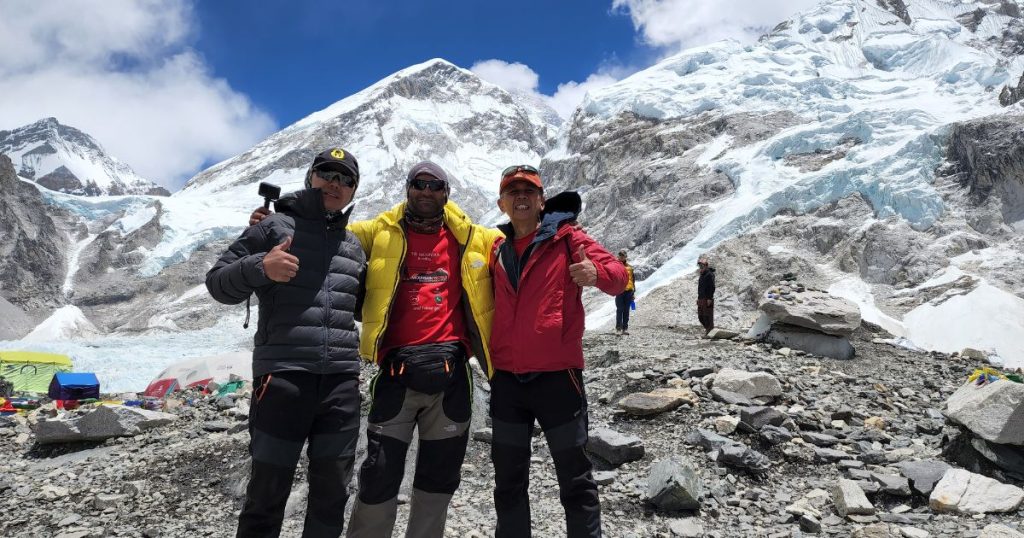
If you’re trekking with friends, the right choice depends on your priorities. A group trek is ideal if you’re looking to save money, while a private trek is worth considering if you value flexibility, privacy, and a more personalized experience.
Frequently Asked Questions: Everest Base Camp Group vs Private Trek
1. What is the difference between an Everest Base Camp group trek and a private trek?
A group trek follows fixed departure dates and a shared itinerary with other trekkers. A private trek is organized exclusively for you or your group, allowing you to choose your own travel dates, pace, and itinerary.
2. How do I choose between an Everest Base Camp group trek and a private trek?
Choose a group trek if you want to save money, enjoy a social atmosphere, and are happy following a fixed itinerary. Choose a private trek if you value flexibility, personalized support, and complete control over your travel dates and pace. Neither option is better for everyone; it depends on your budget, schedule, and travel style.
3. How much more expensive is a private Everest Base Camp trek, and is it worth it?
Private treks typically cost 50–100% more per person than group treks because guide and porter costs aren’t shared. Many trekkers find the added flexibility, personalized guide support, and freedom to set their own pace well worth the extra cost.
4. Can I join an Everest Base Camp group trek if I’m traveling alone?
Yes. Most group departures welcome solo travelers, making them an excellent way to reduce costs while meeting like-minded trekkers.
5. What is the typical group size for an Everest Base Camp group trek?
Most group treks include between 4 and 12 trekkers, although larger groups may form during the busy spring and autumn trekking seasons.
6. Do Everest Base Camp group and private treks follow the same route?
Yes. Both usually follow the classic Everest Base Camp route, visit the same villages, stay in the same teahouses, and include acclimatization days in Namche Bazaar and Dingboche.
7. Can I customize the itinerary on a private Everest Base Camp trek?
Yes. A private trek allows you to adjust your travel dates, walking pace, rest days, acclimatization schedule, and add optional side trips. Group treks follow a fixed itinerary that generally can’t be changed once the trek has started.
8. Which is better for first-time trekkers: an Everest Base Camp group trek or a private trek?
Both options are suitable for beginners. Group treks provide a supportive and social atmosphere, while private treks offer greater flexibility and more personalized guide support.
9. Which option is better for families or couples?
A private Everest Base Camp trek is usually the preferred choice for families and couples because the itinerary and daily pace can be tailored to everyone’s needs.
10. Is a private Everest Base Camp trek safer than a group trek?
Both options are equally safe when organized by a reputable trekking company. A private trek simply provides more individual guide attention, making it easier to monitor your health and adjust your pace if necessary.
11. Will I have my own guide on a private Everest Base Camp trek?
Yes. Private treks include a dedicated guide for you or your group throughout the journey.
12. Are meals and accommodation different on Everest Base Camp group and private treks?
No. Both group and private trekkers stay in the same teahouses and eat from the same menus. The main difference is room allocation and meal timing rather than comfort or quality.
13. How far in advance should I book an Everest Base Camp group or private trek?
For group treks, booking 3–6 months in advance is recommended for spring and autumn departures because popular dates fill up quickly. Private treks are often available with shorter notice, subject to guide and Lukla flight availability.
14. Can I switch from a group trek to a private trek after booking?
Sometimes. It depends on the trekking company’s policy and availability. Since pricing and logistics differ, most operators treat it as a new booking. Contact your trekking company as early as possible to discuss your options.
15. Which Everest Base Camp trek is better for people with health concerns?
A private trek is generally the better choice because your guide can closely monitor your condition and adjust the itinerary or pace if needed.
16. Are the permits different for Everest Base Camp group and private treks?
No. The required permits are exactly the same regardless of whether you choose a group trek or a private trek.
17. Can I hire a porter on both group and private treks?
Yes. Porter services are available for both options, although the porter-to-trekker ratio may vary depending on the trekking company and group size.
18. Which Everest Base Camp trek offers the best value for money?
A group trek offers the best value if keeping costs low is your priority. A private trek offers better value if you prioritize flexibility, privacy, and personalized service.
19. Which is better during peak season: an Everest Base Camp group trek or a private trek?
Both are excellent choices during the spring and autumn trekking seasons. Group treks are ideal for saving money and meeting other trekkers, while private treks offer greater flexibility and a more personalized experience. Regardless of which option you choose, it’s best to book early because guides, Lukla flights, and teahouses fill up quickly.
Conclusion: EBC Group Trek vs Private Trek
The best Everest Base Camp trek isn’t simply the cheaper one or the more flexible one, it’s the one that matches your travel style, budget, and expectations. A group trek is ideal if you enjoy sharing the experience with other trekkers while keeping costs down. A private trek is the better choice if you value flexibility, privacy, and the freedom to travel at your own pace.
Whichever option you choose, good preparation, a well-planned itinerary, and an experienced trekking company will have the biggest impact on your overall experience. With the right planning, both group and private treks offer an unforgettable journey to Everest Base Camp.
If you have any questions or would like help choosing the right option, feel free to contact us. Our local trekking experts are always happy to help you plan your Everest Base Camp adventure.