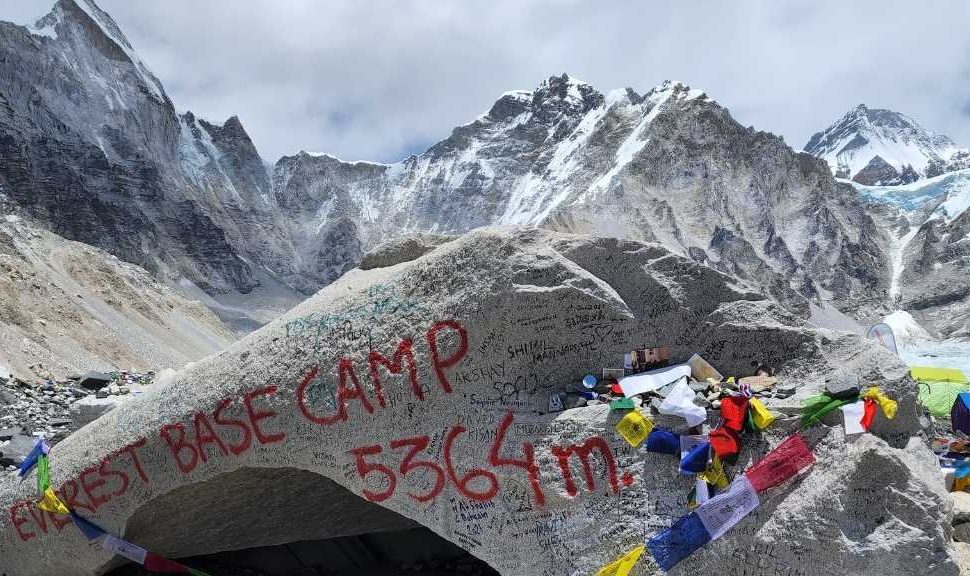
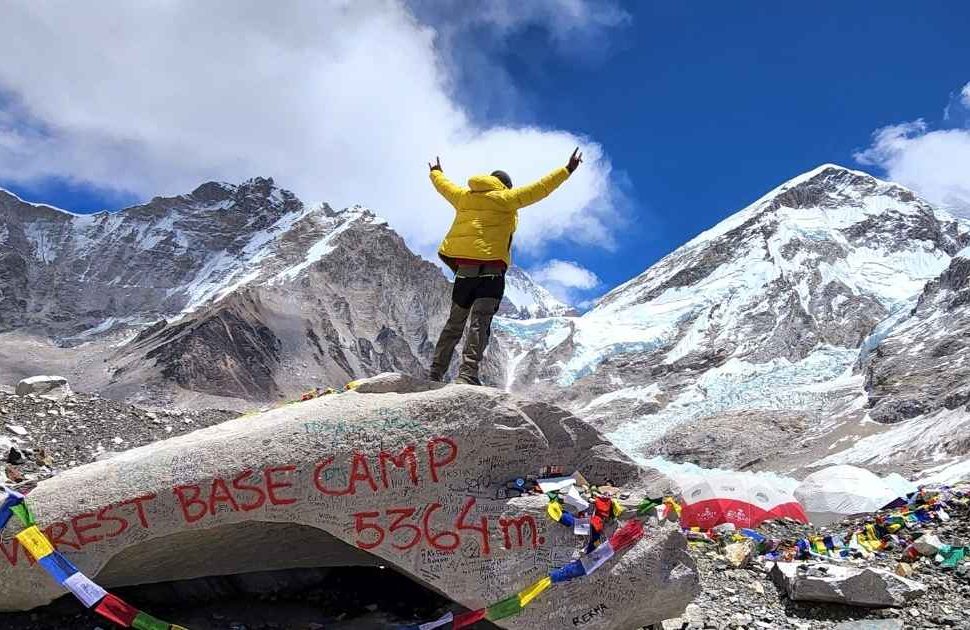
Food and accommodation on the Everest Base Camp Trek are better than many first-time trekkers expect. You’ll stay in family-run teahouses, enjoy freshly cooked meals each day, and find comfortable places to sleep throughout the route. As you gain altitude, facilities become simpler, menus become smaller, and prices gradually increase.
One of the biggest surprises for many trekkers is just how welcoming the teahouses are. After a long day on the trail, there’s nothing better than taking off your backpack, sitting down with a hot meal, and sharing stories with fellow trekkers around the dining room stove.
Food and accommodation are included in most trekking packages, making it easy to focus on the journey rather than the daily logistics. For the complete day-by-day itinerary, what’s included, permits, pricing, and trip details, see our Everest Base Camp Trek.
The cafés in Lukla and Namche Bazaar serve everything from fresh coffee and bakery items to pizza and pasta. A few days later, in villages like Lobuche and Gorak Shep, the menu becomes simpler. Nights are colder, rooms are more basic, and a hot plate of dal bhat is often the meal you look forward to most.
That’s part of what makes the Everest Base Camp Trek so memorable. As you climb higher, the journey gradually shifts from lively Sherpa towns to small mountain settlements, where simple food, genuine hospitality, and a warm place to sleep are all you need after a long day on the trail.

Complete Guide to Food and Accommodation on the EBC Trek
- What teahouses are like on the Everest Base Camp Trek
- What food is available along the route
- Room types and accommodation standards in each village
- Food, and accommodation costs
- How facilities change with altitude
- Practical tips to stay comfortable throughout your trek
By the end of this guide, you’ll know exactly what to expect from breakfast in Lukla to your final overnight stay in Gorak Shep, helping you plan your trek with confidence.
What Is a Teahouse on the Everest Base Camp Trek?
A teahouse is a simple, family-run lodge where trekkers eat, sleep, and rest during the Everest Base Camp Trek. Most offer private twin rooms, shared bathrooms, home-cooked meals, and a warm dining room.
A teahouse is much more than a place to spend the night. It is usually run by a local Sherpa family who live there year-round. They prepare your meals, make your room, and welcome trekkers from around the world with genuine Himalayan hospitality.
The Everest Base Camp Trek has the best-developed teahouse network in Nepal. In lower villages like Lukla and Namche Bazaar, many lodges are comfortable and well-equipped, offering private rooms, hot showers, WiFi, and a wide choice of meals.
As you climb higher, the facilities become more basic. Villages like Lobuche and Gorak Shep have fewer supplies, simpler rooms, and shorter menus. Even so, you’ll still have everything you need for a good night’s rest before the next day’s trek.
What to Expect in Your Teahouse Room
- Two single beds with mattresses
- A pillow and blanket for each bed
- Shared bathroom (private bathrooms are available in some lower villages)
- No heating inside the bedrooms at higher altitudes
- A shared dining room with a central stove where everyone gathers in the evening
Helpful tip: Pack a warm sleeping bag and a pair of earplugs. Teahouses can be busy during trekking season, and mornings often start early with trekkers, porters, and yaks preparing for the day ahead.
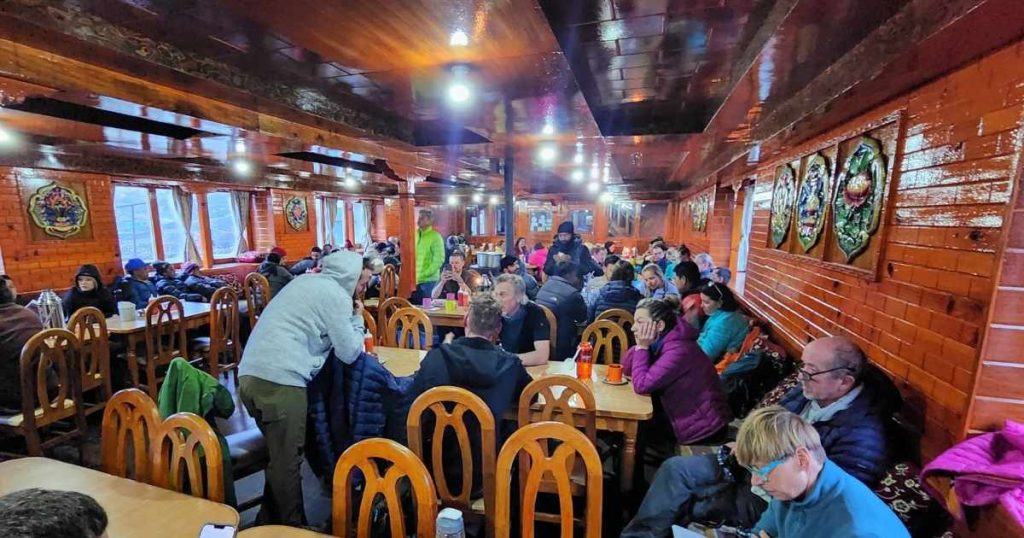
Accommodation Along the Everest Base Camp Trek
Accommodation becomes simpler as you gain altitude. Lower villages offer comfortable lodges with Hot showers, attached bathrooms, and WiFi while higher villages provide basic teahouses with fewer facilities, limited menus, and colder nights.
The Everest Base Camp Trek has one of the best teahouse networks in Nepal, but don’t expect the same level of comfort throughout the journey. Every day you climb higher, supplies become harder to transport, temperatures drop, and facilities become more basic.
The good news is that every village has clean, welcoming teahouses where you can enjoy a hot meal, rest, and prepare for the next day’s trek.
These are the same villages and overnight stops you’ll experience during a standard Everest Base Camp Trek, with each day carefully planned to allow proper acclimatization and a comfortable trekking pace.
| Village (Altitude) | Accommodation & Facilities |
| Lukla (2,860 m) | Twin room with attached or shared bathroom, hot shower, WiFi, and a wide food menu. |
| Phakding (2,610 m) | Twin room with attached or shared bathroom, hot shower, WiFi, and a wide food menu. |
| Namche Bazaar (3,440 m) | Twin room with attached or shared bathroom, hot shower, fast WiFi, cafés, bakeries, and a wide food menu. |
| Deboche (3,820 m) | Twin room with attached or shared toilet, solar hot shower, and a good food menu. |
| Dingboche (4,410 m) | Twin room with attached or shared toilet, hot shower, WiFi, cafés, and a good food menu. |
| Lobuche (4,940 m) | Twin room with shared toilet, hot shower, limited WiFi, and a simple food menu. |
| Gorak Shep (5,164 m) | Twin room with shared toilet, limited hot shower, limited WiFi, and a simple food menu. |

How Teahouse Accommodation Changes with Altitude
As you move higher along the trail, you can expect:
- Smaller and simpler teahouses
- More basic bedrooms and shared bathrooms
- Limited or no hot showers
- Slower or unavailable WiFi
- Higher food and drink prices
- Colder nights and unheated bedrooms
Although the facilities become more basic, the hospitality remains the same. The lodge owners work incredibly hard to provide warm meals, comfortable beds, and a welcoming atmosphere in one of the world’s most challenging mountain environments.
By the time you reach Gorak Shep, luxury isn’t what matters most. After a full day of trekking at over 5,000 meters, a hot plate of dal bhat, a warm dining room, and a good night’s sleep are all you really need before your adventure to Everest Base Camp or Kala Patthar.
Toilet Facilities on the Everest Base Camp Trek
Toilet facilities become more basic as you gain altitude. Lower villages often have Western-style flush toilets, while higher villages mainly have shared squat toilets. At Gorak Shep, expect a simple outdoor toilet.
| Village | Toilet Facilities |
| Lukla & Phakding | Western toilets, with some rooms offering attached bathrooms |
| Namche Bazaar | Western or squat toilets, with some attached bathrooms available |
| Deboche & Dingboche | Mostly shared squat toilets but some Western toilets |
| Lobuche | Shared squat toilets with basic facilities |
| Gorak Shep | Shared squat toilets with basic facilities |
Toilet Tips for Trekkers
- Carry your own toilet paper, throughout the trek.
- Bring a small bottle of hand sanitizer, as soap and running water may not always be available.
- Pack a headlamp or torch for nighttime toilet visits.
- Dispose of toilet paper properly in the bins provided rather than flushing it.
- Keep a few tissues or wet wipes in your daypack for convenience.

Do You Need a Sleeping Bag for the Everest Base Camp Trek?
Yes. A warm sleeping bag is essential for the Everest Base Camp Trek. While teahouses provide blankets, they are usually not warm enough, especially above 3,500 meters.
As you gain altitude, temperatures drop quickly, and teahouse rooms are not heated. Most lodges have a stove in the shared dining room, but the bedrooms stay cold throughout the night.
The season you choose makes a big difference to the temperatures you’ll experience, so it’s worth checking our Best Time for the Everest Base Camp Trek guide before packing.
For a comfortable night’s sleep, bring a quality sleeping bag that’s suitable for Himalayan conditions.
Recommended Sleeping Bag Ratings
- Minimum: -10°C (14°F) for most spring and autumn treks
- Recommended: -15°C to -20°C (5°F to -4°F) for extra warmth, especially at Lobuche and Gorak Shep
- Winter treks: Choose a sleeping bag rated below -20°C
Helpful Tips
- Sleep in thermal base layers, warm socks, and a hat on cold nights.
- Keep your water bottle inside your sleeping bag to prevent it from freezing overnight.
- If you don’t have your own sleeping bag, you can easily rent one in Kathmandu before the trek.
A warm sleeping bag will help you sleep better, stay comfortable, and recover for the next day’s hike. It’s one of the most important items you’ll pack for the Everest Base Camp Trek.
Watch the video below to see what teahouses, bedrooms, bathrooms, dining rooms, and meals are really like along the Everest Base Camp Trek.
Food on the Everest Base Camp Trek
Food on the Everest Base Camp Trek is fresh, filling, and surprisingly varied. Every teahouse serves hot meals, with dal bhat, noodles, rice, pasta, soups, potatoes, and breakfast dishes available throughout the route. As you climb higher, menus become smaller and prices gradually increase.
One of the biggest surprises for first-time trekkers is the quality of the food. In lower villages like Lukla and Namche Bazaar, you’ll find a wide choice of meals, from traditional Nepali dishes to pizza, pasta, fried rice, and even fresh bakery items.
As you gain altitude, the menu becomes simpler because all supplies must be carried into the mountains by porters or yaks. Even so, you’ll still enjoy freshly cooked meals every day, and every teahouse offers enough variety to keep you well-fed throughout the trek.
| Village | What You Can Expect |
| Lukla & Phakding | The widest food selection, including dal bhat, momos, pizza, pasta, fried rice, burgers, bakery items, coffee, and desserts. |
| Namche Bazaar | The best food on the trek with cafés, bakeries, espresso coffee, pizza, pasta, steaks, sandwiches, cakes, and traditional Nepali meals. |
| Deboche & Tengboche | Good variety of Nepali, Tibetan, and Western dishes, including dal bhat, noodles, soups, potatoes, pancakes, and omelets. |
| Dingboche | Simple but satisfying meals such as dal bhat, fried rice, pasta, noodles, potatoes, soups, porridge, and yak milk products. |
| Lobuche | Smaller menu with hearty meals including dal bhat, noodle soup, fried rice, pasta, potatoes, eggs, and hot drinks. |
| Gorak Shep | Basic menu featuring dal bhat, noodles, fried rice, soups, potatoes, porridge, tea, coffee, and hot chocolate. |
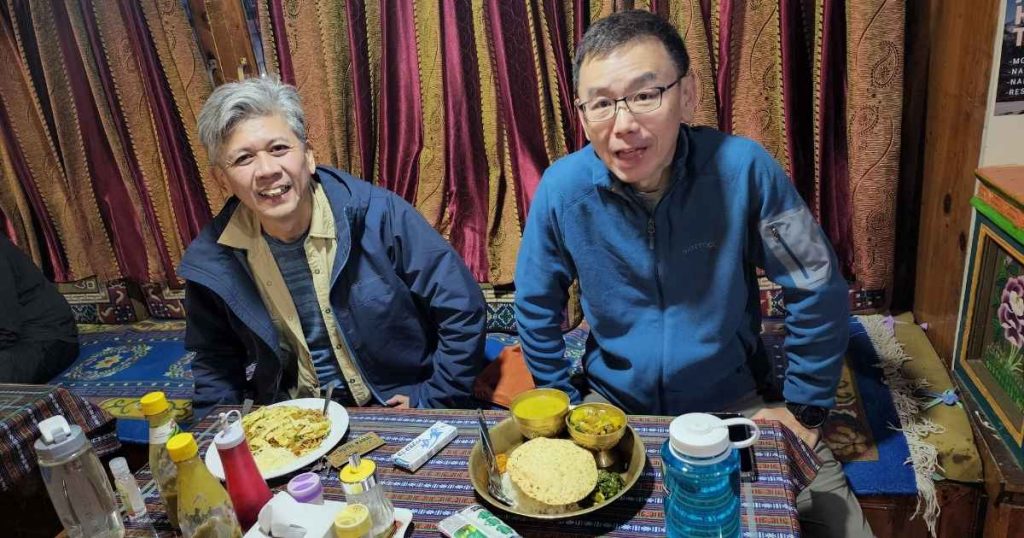
Dal Bhat: The Fuel of the Everest Base Camp Trek
If there’s one meal you’ll see everywhere, it’s dal bhat. This traditional Nepali dish includes steamed rice, lentil soup, seasonal vegetables, curry, and homemade pickle. Some teahouses also serve papad or a small salad.
Dal bhat is the most popular meal on the trek for one simple reason, it gives your body the energy it needs for long days of hiking at high altitude.
Why Trekkers Love Dal Bhat
- Unlimited rice and lentil soup refills at most teahouses
- Rich in carbohydrates, protein, and fibre
- Easy to digest at high altitude
- Available in every village from Lukla to Gorak Shep
- One of the best-value meals on the menu
- Freshly cooked and served hot
There’s a famous saying in Nepal:
“Dal Bhat Power, 24 Hour.”
After a few days of trekking in the Himalayas, you’ll understand why. It’s warm, filling, nutritious, and exactly what your body craves after a long day on the trail.
Practical Tips for Food and Accommodation on the Everest Base Camp Trek
Carry enough cash, eat at the teahouse where you stay, bring a power bank and water purification tablets, and expect facilities to become more basic as you gain altitude. These simple tips can make your Everest Base Camp Trek much more comfortable and enjoyable.
If you’re planning your budget, our Everest Base Camp Trek Cost Guide explains all the expected expenses, including permits, transportation, accommodation, meals, and personal spending.
Eat at the Teahouse Where You Stay
Most teahouses charge very little for rooms because they earn most of their income from food. Eating where you stay supports the lodge and is part of the local trekking culture.
For this reason, it’s expected that guests have dinner and breakfast at the same teahouse where they spend the night.
Tip: Order your dinner when you check in. During the busy trekking seasons, this helps the kitchen prepare your meal and reduces waiting time in the evening.
Carry Enough Cash
There is an ATM in Namche Bazaar, but there are no reliable ATMs beyond that point. Once you leave Namche, all payments are generally made in Nepalese Rupees (NPR).
Even if your trekking package includes accommodation and meals, you’ll still need extra cash for personal expenses such as:
- Hot showers
- Device charging
- Tea, coffee, and soft drinks
- Snacks and chocolate
- WiFi where available
- Bakery treats in Namche Bazaar
Tip: Carry small denominations, as many teahouses may not provide change for large banknotes.
Bring a Power Bank
Most teahouses above Namche rely on solar power, so electricity is limited. Charging phones, cameras, or smartwatches usually costs an extra fee and may only be available in the dining room.
A fully charged power bank can save both money and hassle during the trek.
Hot Showers on the Everest Base Camp Trek
Hot showers are available throughout the Everest Base Camp Trek, including Gorak Shep. They are available for an extra fee, with prices increasing as you gain altitude.
Most teahouses offer hot showers using gas or solar heating systems. These days, gas-powered showers are common even in the upper villages, although the water temperature and availability can vary depending on the lodge and weather.
Expect to pay around NPR 300 in Lukla, with prices gradually increasing to around NPR 1,000 in Gorak Shep. Since fuel has to be carried into the mountains by porters or yaks, higher-altitude villages charge more.
Helpful Tips
- Carry enough Nepalese Rupees, as hot showers require an extra payment.
- Bring your own towel and toiletries.
- Take your shower in the afternoon or early evening, before the busiest hours.
- If you prefer to save money, many trekkers skip a shower for the last day or two and use wet wipes instead.
Drinking Water on the Everest Base Camp Trek
Quick answer: Never drink untreated tap or stream water on the Everest Base Camp Trek. The best option is to refill your reusable water bottle and treat the water with purification tablets or a water filter.
Staying hydrated is essential at high altitude, but so is drinking safe water. While bottled water and boiled water are available at teahouses, both become more expensive as you climb higher.
Expect to pay around NPR 100 for a bottle of water in Lukla, with prices increasing to around NPR 500 in Gorak Shep. Boiled drinking water follows a similar price range because fuel has to be carried into the mountains.

Safe Drinking Water Options
- Refill your bottle with tap water and use water purification tablets
- Use a portable water filter
- Use a UV water purifier (such as a SteriPen)
- Buy boiled water from teahouses
- Buy bottled water if needed
For most trekkers, carrying a reusable water bottle with purification tablets or a filter is the most practical choice. It saves money, reduces plastic waste, and helps protect the fragile mountain environment.
Tip: Bring a reusable bottle that holds at least 1–2 litres of water and drink regularly throughout the day to stay hydrated at altitude.
Eat Even If You’re Not Hungry
It’s normal to lose your appetite above 4,000 meters, but eating regular meals is important to keep your energy up and help your body adjust to the altitude.
Many trekkers notice they don’t feel as hungry once they reach higher elevations. This is a common effect of high altitude and can happen even if you’re feeling well. Loss of appetite is also one of the early signs of altitude sickness, so it’s important to pay attention to how you’re feeling as you gain elevation.
Even if you don’t have much of an appetite, try to eat something at every meal. Your body is working harder because of the thinner air, and it needs enough calories to recover after long days of trekking. Proper nutrition, hydration, and rest become even more important because of the physical demands of the Everest Base Camp Trek.
My Experience with Food and Accommodation on the Everest Base Camp Trek
After more than 30 years of leading treks to Everest Base Camp, one thing I’ve learned is that most trekkers worry too much about food and accommodation before they arrive. In reality, the teahouses provide everything you need. The rooms are simple, the meals are freshly prepared, and the hospitality is something you’ll remember long after the trek is over.
I’ve had the privilege of staying in these teahouses hundreds of times while leading treks in the Everest region. If you’d like to learn more about my background and experience, you can visit my Saligram Aryal page.
As you climb higher, the facilities become more basic. That’s simply part of trekking in the Himalayas. Every blanket, sack of rice, gas cylinder, and bottle of cooking oil has to be carried into the mountains by porters or yaks. When you understand that, you appreciate every hot meal and every comfortable bed even more.
Over the years, I’ve seen thousands of trekkers complete the Everest Base Camp Trek. Very few talk about the size of their room or how fast the WiFi was. Instead, they remember the smiling teahouse owners, sharing dinner with trekkers from around the world, and enjoying a hot plate of dal bhat after a long day on the trail.
If I could give you one piece of advice, it would be this: come with realistic expectations and an open mind. You don’t need luxury to enjoy this trek. Good food, a warm place to sleep, and genuine Himalayan hospitality are more than enough to make the journey comfortable and unforgettable.
The teahouses, home-cooked meals, and warm Sherpa hospitality are all part of what makes the Everest Base Camp Trek so rewarding. Understanding what to expect before you arrive helps you prepare well and enjoy every step of the journey.
Frequently Asked Questions About Food and Accommodation on the Everest Base Camp Trek
1. What type of accommodation is available on the Everest Base Camp Trek?
The Everest Base Camp Trek mainly uses family-run teahouses. Most offer simple twin rooms, shared or attached bathrooms, a communal dining room, and freshly cooked meals. Facilities become more basic as you gain altitude
2. Are private rooms available on the Everest Base Camp Trek?
Yes. Private twin rooms are available in most villages, especially in Lukla, Phakding, and Namche Bazaar. During peak trekking seasons, availability becomes limited in higher villages such as Lobuche and Gorak Shep, so arriving early is recommended.
3. How much does accommodation cost on the Everest Base Camp Trek?
Accommodation usually costs between NPR 500 and NPR 1,500 (approximately USD 4 to USD 12) per night. Prices vary by village and season. Rooms are often inexpensive because teahouses expect guests to eat their meals there.
4. What food is available on the Everest Base Camp Trek?
Teahouses serve a mix of Nepali, Tibetan, and Western dishes, including dal bhat, fried rice, noodles, pasta, momos, soups, potatoes, porridge, pancakes, eggs, tea, and coffee. Menus become smaller as you climb higher.
5. Is dal bhat available everywhere on the Everest Base Camp Trek?
Yes. Dal bhat is served in every teahouse from Lukla to Gorak Shep. It is nutritious, filling, affordable, and usually comes with unlimited rice and lentil soup refills.
6. Is vegetarian food available on the Everest Base Camp Trek?
Yes. Vegetarian meals are widely available throughout the trek. Popular options include dal bhat, vegetable fried rice, noodles, soups, potatoes, porridge, pancakes, and eggs.
7. Is the food safe to eat on the Everest Base Camp Trek?
Yes, as long as you choose freshly cooked food. Hot meals such as dal bhat, soups, noodles, and rice dishes are generally safe. It’s best to avoid raw salads and untreated water.
8. Can I get vegan or gluten-free food on the Everest Base Camp Trek?
Basic vegan meals such as dal bhat, vegetable curry, rice, potatoes, and noodles are available at most teahouses. Gluten-free options are limited, so trekkers with dietary restrictions should bring suitable snacks from Kathmandu.
9. Can I buy snacks during the Everest Base Camp Trek?
Most villages sell chocolate bars, biscuits, instant noodles, chips, soft drinks, and energy snacks. Prices increase steadily with altitude, so bringing some snacks from Kathmandu can help save money.
10. Are hot showers available on the Everest Base Camp Trek?
Yes. Hot showers are available throughout the trek, including Gorak Shep, for an additional fee. Prices usually range from about NPR 300 in Lukla to around NPR 1,000 in Gorak Shep.
11. Is WiFi available on the Everest Base Camp Trek?
Yes. Most teahouses offer paid WiFi. The connection is generally good in Lukla and Namche Bazaar but becomes slower and less reliable at higher elevations.
12. Can I charge my phone and camera on the Everest Base Camp Trek?
Yes. Most teahouses offer charging facilities for an extra fee. Charges typically range from NPR 200 to NPR 500 per device, depending on the village. Carrying a power bank is highly recommended.
13. Do I need a sleeping bag for the Everest Base Camp Trek?
Yes. Although teahouses provide blankets, a sleeping bag rated to at least -10°C is recommended. For extra comfort during colder months, -15°C to -20°C is ideal. Our Everest Base Camp Trek packing list covers this along with the rest of the gear you’ll need for the trek.
14. What are the toilets like on the Everest Base Camp Trek?
Lower villages often have Western-style flush toilets, while higher villages mainly have shared squat toilets. Toilet facilities become more basic as you gain altitude.
15. Is toilet paper provided in teahouses?
Usually not. Most teahouses expect trekkers to bring their own toilet paper, especially above Namche Bazaar. Carry a small roll in your daypack.
16. Can I drink tap water on the Everest Base Camp Trek?
No. Always treat tap water with purification tablets, a water filter, or a UV purifier before drinking. This is the safest, most economical, and environmentally friendly option.
17. How much does drinking water cost on the Everest Base Camp Trek?
The price of bottled and boiled drinking water increases with altitude. Expect to pay around NPR 100 in Lukla and up to NPR 500 in Gorak Shep.
18. How much money should I carry for food and personal expenses?
If your trekking package includes accommodation and meals, carrying USD 15 to USD 25 per day is usually enough for hot showers, charging, WiFi, drinks, snacks, and other personal expenses.
19. Do I need to book teahouses in advance?
During the busy spring and autumn trekking seasons, booking ahead is recommended, especially in Namche Bazaar, Dingboche, Lobuche, and Gorak Shep. If you’re trekking with a guide, they usually arrange accommodation for you.
20. Are there ATMs on the Everest Base Camp Trek?
There is an ATM in Namche Bazaar, but there are no reliable ATMs beyond Namche. Withdraw enough cash in Kathmandu or Namche before continuing higher.
21. Why should I eat at the teahouse where I stay?
Teahouses keep room prices low because they earn most of their income from meals. Eating dinner and breakfast at your lodge helps support the local family and is the normal practice on the Everest Base Camp Trek.
22. What should I pack for food and accommodation on the Everest Base Camp Trek?
Essentials include a warm sleeping bag, reusable water bottle, water purification tablets or filter, power bank, headlamp, toiletries, toilet paper, wet wipes, a towel, and enough cash for personal expenses.
23. Can I refill my water bottle on the Everest Base Camp Trek?
Yes. You can refill your reusable water bottle at teahouses throughout the trek. Most trekkers treat the water with purification tablets, a water filter, or a UV purifier before drinking.
24. Is food and accommodation included in the Everest Base Camp Trek package?
Food and accommodation are included in our Everest Base Camp Trek packages, covering teahouse stays and three meals a day during the trek. Personal expenses such as hot showers, WiFi, charging, drinks, snacks, and bottled water are usually not included.
25. Is there mobile network and WiFi on the Everest Base Camp Trek?
Yes. Most villages have mobile network coverage or paid WiFi, although both become less reliable as you gain altitude. Ncell and NTC work in many areas, but internet speeds are generally slower in the upper villages.