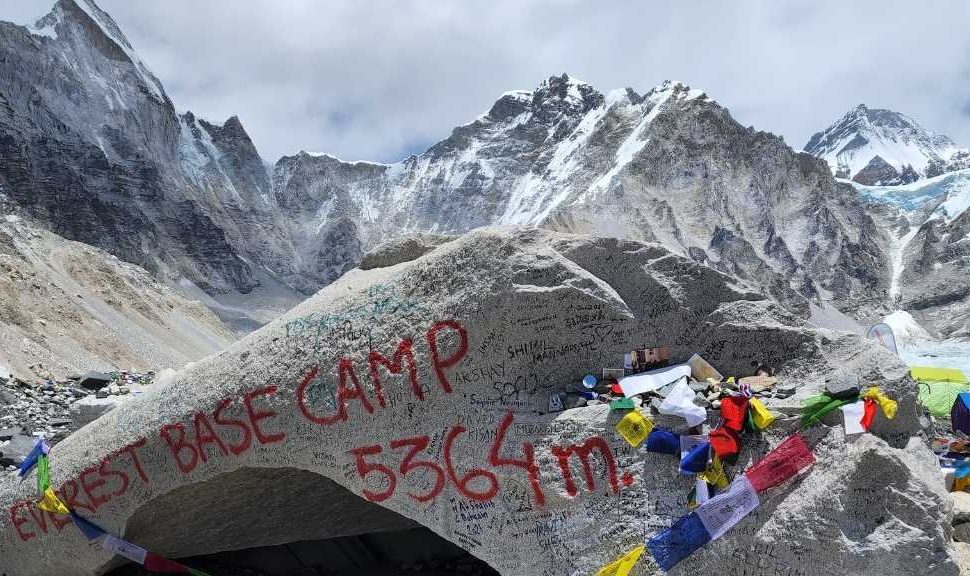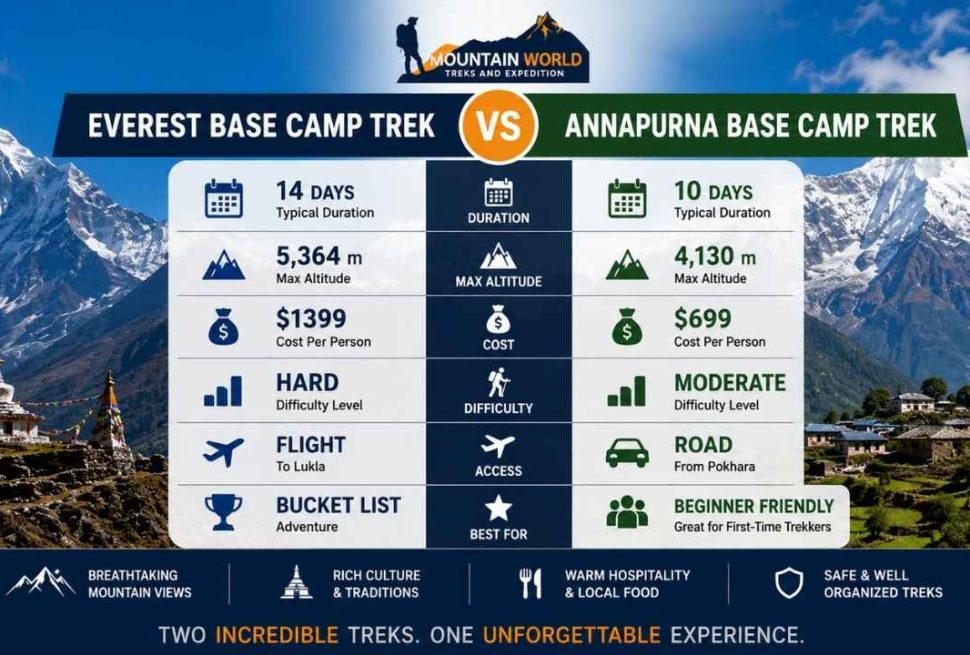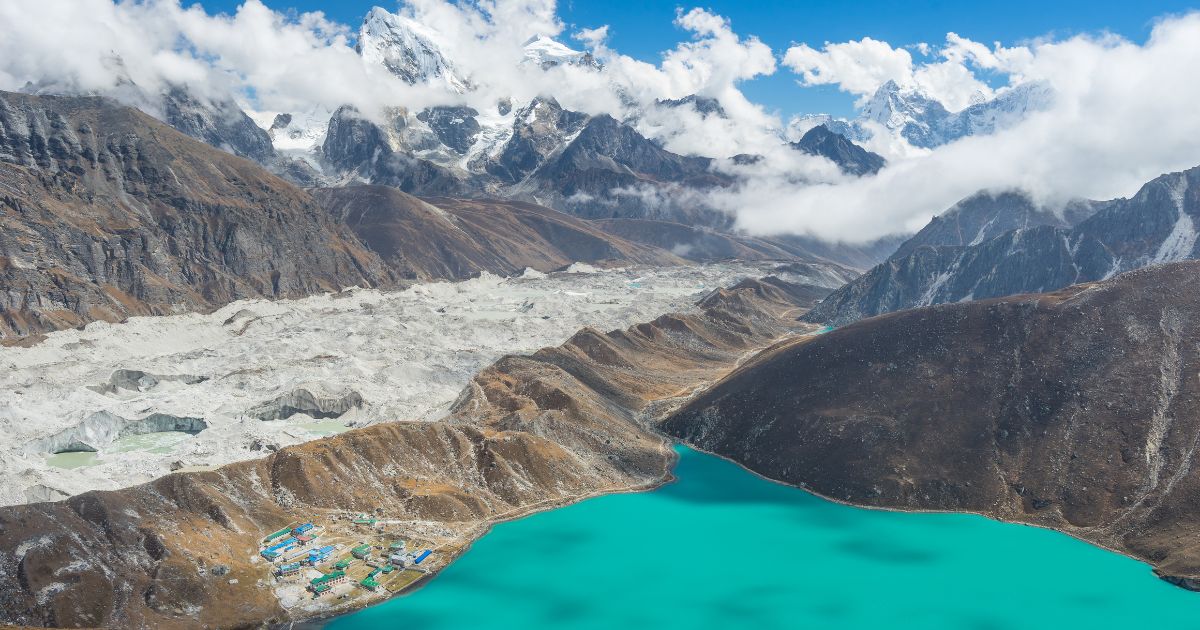
The best time for the Everest Base Camp and Gokyo Lake Trek is spring (March to May) or autumn (September to November), when skies are clearest, temperatures are most stable, and the Cho La Pass is generally safest to cross. Autumn is usually considered slightly better overall due to the freshest post-monsoon air and the lowest risk of unexpected weather delays, while spring offers rhododendron blooms and the added energy of the main Everest climbing season.
Everest Base Camp Trek and Gokyo Lake Trek in winter and monsoon are possible but come with significant trade-offs, extreme cold and snow-blocked passes in winter, and poor visibility with flight delays during monsoon. If your itinerary includes the Cho La Pass, season matters even more than on the standard EBC route, since the pass can become dangerous or impassable in heavy snow.
Below is a full breakdown of every season, month-by-month conditions, temperature data, crowd levels, and specific guidance for trekkers combining Everest Base Camp and Gokyo Lakes with Cho La Pass.

Table of Contents – Everest Base Camp Trek and Gokyo Lake Trek
- Why Season Matters More on This Specific Trek
- Spring (March-May): Full Breakdown
- Autumn (September–November): Full Breakdown
- Winter (December-February): Full Breakdown
- Monsoon (June-August): Full Breakdown
- Month-by-Month Comparison Table
- Temperature Table by Season and Altitude
- Best Season for the Cho La Pass Specifically
- Crowd Levels by Season
- Best Time by Trekker Type
- What to Pack by Season
- Frequently Asked Questions
Why Season Matters More on the Everest Base Camp Trek and Gokyo Lake Trek
Unlike a straightforward point-to-point trek, the Everest Base Camp and Gokyo Lake Trek involves several elements that make timing more important than usual:
- A high mountain pass (Cho La, 5,420m) that can become genuinely dangerous in fresh snow or icy conditions
- Two high-altitude viewpoints – Kala Patthar (5,545m) and Gokyo Ri (5,357m), where visibility determines whether the entire trek delivers on its main draw: mountain views
- A longer overall duration (14-18 days), meaning more days of weather exposure and more opportunities for conditions to change
- Reliance on Lukla flights, which are highly weather-dependent and can cascade into itinerary delays
Because of these factors, choosing the right season isn’t just about comfort, it directly affects whether you can safely complete the full route, including the pass crossing.
Everest Base Camp Trek and Gokyo Lake Trek in Spring (March-May): Full Breakdown
Spring is one of the two peak trekking seasons in the Everest region, and for good reason.
What to expect:
- Daytime temperatures are mild and comfortable for walking
- Rhododendron forests bloom at lower elevations (best in April), adding vivid color to the lower trail
- Longer daylight hours give more time for photography and flexible daily pacing
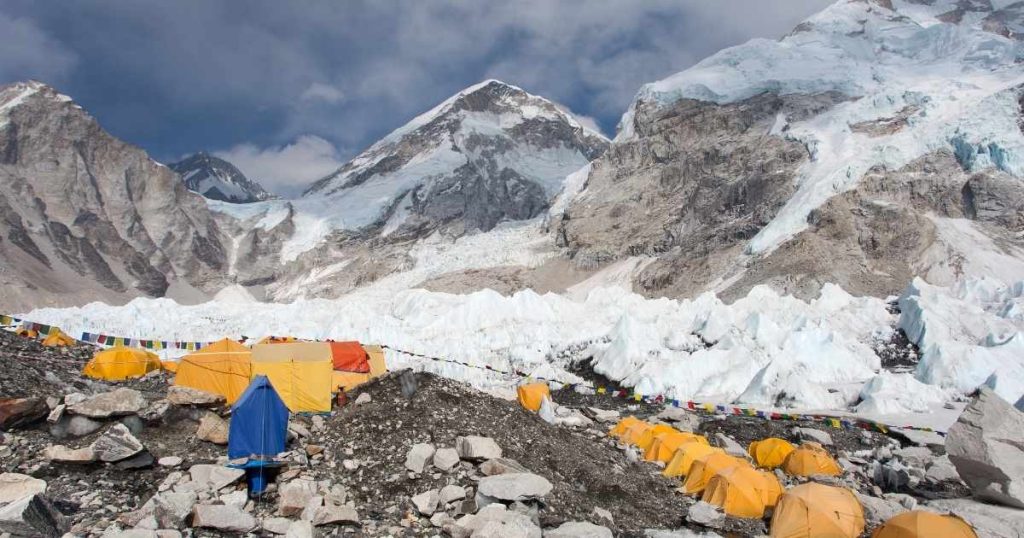
- The main Everest climbing season is underway, so Base Camp itself is livelier, with expedition teams and colorful camps
- Cho La Pass is generally passable, though early-season snow (March) can still occur
Things to Consider:
- Haze can build up in the lower valleys by late April and May, occasionally reducing distant mountain visibility
- Teahouses fill up quickly, especially in April, advance booking is important
- Trails are busier, particularly around Namche Bazaar and Tengboche
Best months within spring: Late March through April offers the strongest balance of clear skies, comfortable temperatures, and blooming rhododendrons before pre-monsoon haze sets in.
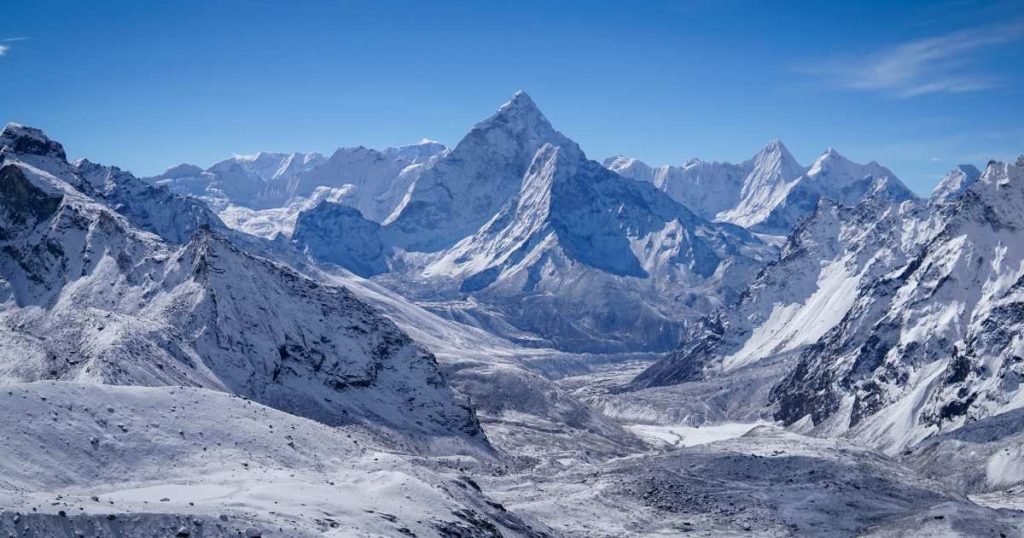
Everest Base Camp Trek and Gokyo Lake Trek in Autumn (September-November): Full Breakdown
Autumn is widely considered the single best season for the Everest Base Camp and Gokyo Lake Trek, particularly for trekkers prioritizing mountain views and pass safety.
What to expect:
- The monsoon clears by mid-September, leaving the cleanest, dust-free air of the year
- October delivers near-guaranteed blue-sky days, the most reliable month for unobstructed Everest, Lhotse, and Cho Oyu views from Kala Patthar and Gokyo Ri
- Stable weather significantly reduces the risk of Lukla flight delays
- Cho La Pass conditions are typically at their safest, with settled snowpack and clear trail visibility
- Landscapes remain lush and green from the recent monsoon rains
Things to Consider:
- This is the most popular season overall, so teahouses and Lukla flights book out early
- Nighttime temperatures drop quickly as the season progresses into November, especially above 4,500m
Best months within autumn: Early-to-mid October is the single most recommended window for this specific trek, balancing warmth, visibility, and pass safety before temperatures drop sharply in November.
Everest Base Camp Trek and Gokyo Lake Trek in Winter (December-February): Full Breakdown
Winter trekking to Everest Base Camp and Gokyo Lakes is possible, but it demands serious preparation and is not recommended for first-time high-altitude trekkers attempting the Cho La Pass.
What to expect:
- Dramatically quieter trails, some sections may feel completely empty
- Often brilliantly clear skies, since cold air holds less moisture and haze
- Below-freezing temperatures even during the day above 4,000m
- Teahouses remain open along the main routes but may have fewer services, and some higher lodges near Gokyo occasionally close
Things to Consider:
- Cho La Pass frequently receives heavy snowfall in winter, and can become genuinely hazardous or impassable without specialized winter gear and experience
- Extreme cold increases the physical toll of the trek and the risk of cold-related issues
- Shorter daylight hours limit trekking windows each day
Recommendation: If trekking in winter, consider the classic Everest Base Camp route without the Cho La Pass connection, or consult directly with your guide team on real-time pass conditions before committing to the full loop.
Everest Base Camp Trek and Gokyo Lake Trek in Monsoon (June-August): Full Breakdown
Monsoon season is generally the least recommended time for this specific trek, primarily due to visibility and pass safety concerns.
What to expect:
- Heavy, sustained rainfall in the lower valleys (Lukla to Namche Bazaar)
- Lush, vividly green landscapes and minimal crowds
- Leeches common in forested sections below Namche
- Frequent cloud cover that can block mountain views for days at a time
Things to Consider:
- Cho La Pass can accumulate fresh snow even in summer months at 5,420m, creating unpredictable and potentially unsafe crossing conditions
- Lukla flights are highly prone to delays and cancellations due to poor visibility
- The core reward of this specific trek, panoramic views from Kala Patthar and Gokyo Ri, is the least reliable during this season
Recommendation: Monsoon is best avoided for this particular route combination. If travel dates are fixed to this window, the classic Everest Base Camp trek without the Gokyo/Cho La extension is a lower-risk alternative.
Month-by-Month Comparison Table
Everest Base Camp Trek and Gokyo Lake Trek: Weather by Month
| Month | Weather | Visibility |
| January | Very cold, dry | Excellent |
| February | Very cold, dry | Excellent |
| March | Mild, occasional snow | Good |
| April | Warm days, cool nights | Good |
| May | Warm, pre-monsoon | Fair to Good |
| June | Rain begins | Poor |
| July | Heavy rain | Poor |
| August | Heavy rain | Poor |
| September | Rain clearing | Improving |
| October | Clear, mild | Excellent |
| November | Cold, clear | Excellent |
| December | Very cold, dry | Excellent |
Everest Base Camp Trek and Gokyo Lake Trek: Trail Conditions by Month
| Month | Cho La Pass | Overall |
| January | Hazardous | Fair* |
| February | Hazardous | Fair* |
| March | Passable | Good |
| April | Safe | Excellent |
| May | Safe | Good |
| June | Unpredictable | Poor |
| July | Unpredictable | Poor |
| August | Unpredictable | Poor |
| September | Improving | Good |
| October | Safest | Excellent |
| November | Safe | Excellent |
| December | Hazardous | Fair* |
* Fair if you’re trekking to Everest Base Camp only. Cho La Pass is generally not recommended in winter due to heavy snowfall.
Everest Base Camp Trek and Gokyo Lake Trek Temperature in Spring (March to May)
| Location | Day / Night |
| Namche Bazaar (3,440 m) | 15°C / 0°C |
| Dingboche (4,410 m) | 10°C / -5°C |
| Gokyo (4,790 m) | 8°C / -8°C |
| Everest Base Camp (5,364 m) | 5°C / -12°C |
| Cho La Pass (5,420 m) | 3°C / -15°C |
Everest Base Camp Trek and Gokyo Lake Trek Temperature in Autumn (September to November)
| Location | Day / Night |
| Namche Bazaar (3,440 m) | 14°C / -2°C |
| Dingboche (4,410 m) | 9°C / -7°C |
| Gokyo (4,790 m) | 7°C / -10°C |
| Everest Base Camp (5,364 m) | 4°C / -14°C |
| Cho La Pass (5,420 m) | 2°C / -17°C |
Everest Base Camp Trek and Gokyo Lake Trek Temperature in Winter (December to February)
| Location | Day / Night |
| Namche Bazaar (3,440 m) | 5°C / -10°C |
| Dingboche (4,410 m) | 0°C / -15°C |
| Gokyo (4,790 m) | -3°C / -18°C |
| Everest Base Camp (5,364 m) | -8°C / -22°C |
| Cho La Pass (5,420 m) | -10°C / -25°C |
Everest Base Camp Trek Temperature During the Monsoon (June to August)
| Location | Day / Night |
| Namche Bazaar (3,440 m) | 18°C / 8°C |
| Dingboche (4,410 m) | 12°C / 3°C |
| Gokyo (4,790 m) | 10°C / 1°C |
| Everest Base Camp (5,364 m) | 6°C / -2°C |
| Cho La Pass (5,420 m) | 4°C / -5°C |
Note: These temperatures are approximate averages and can vary depending on the weather and altitude. Mountain conditions change quickly, so always check the latest forecast before your Everest Base Camp Trek.
Everest Base Camp Trek and Gokyo Lake Trek Temperature by Location
| Location | Typical Temperature Range |
| Namche Bazaar | 18°C to -10°C |
| Dingboche | 12°C to -15°C |
| Everest Base Camp | 6°C to -22°C |
| Kala Patthar | 3°C to -25°C |
Best Season for the Cho La Pass Specifically
Since the Cho La Pass is the most technical and weather-sensitive section of this trek, it deserves its own timing consideration separate from the general EBC advice.
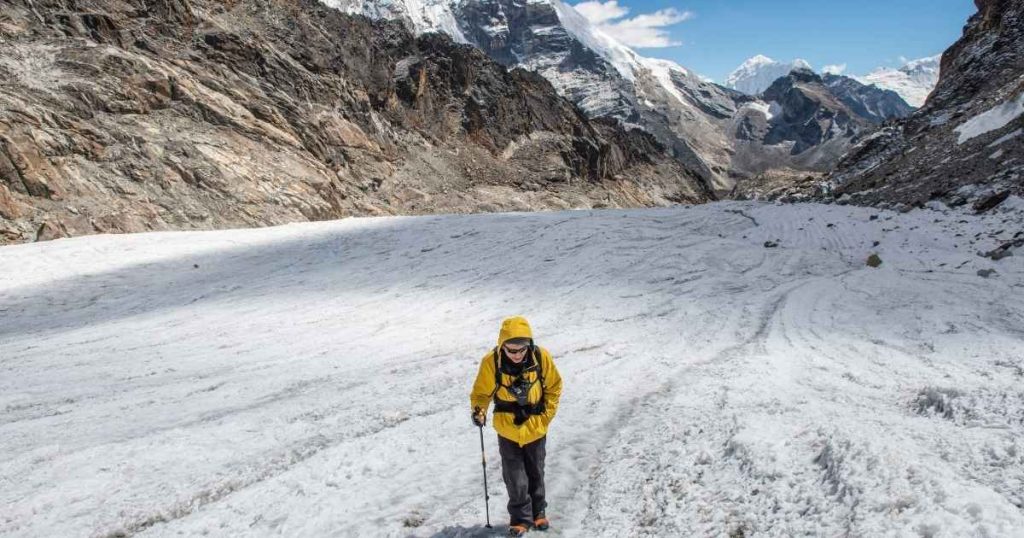
Safest months for Cho La Pass: Late September through November, and April to May.
Why these months work best:
- Snowpack is more settled and predictable compared to winter’s fresh heavy snowfall
- Visibility across the pass is typically clear, which matters since the route crosses exposed glacier terrain with limited landmarks in poor weather
- Daytime temperatures, while still cold, are manageable for the 6-8 hour crossing day
Months to avoid for Cho La Pass:
- December–February: risk of deep, unstable snow and ice on the pass itself
- June–August: unpredictable summer snowfall at altitude despite monsoon conditions below
Always confirm current pass conditions with your guide team immediately before your scheduled crossing day, conditions can change even within a single trekking season.
Everest Base Camp Trek and Gokyo Lake Trek Crowd Levels by Season
- Autumn (Sept-Nov): Busiest season, especially October. Book teahouses and Lukla flights well in advance.
- Spring (Mar-May): Second busiest, driven by both trekkers and Everest expedition traffic during peak climbing season.
- Winter (Dec-Feb): Very quiet, ideal for trekkers who prefer solitude and don’t mind extreme cold.
- Monsoon (Jun-Aug): Quietest season overall, but for weather reasons rather than preference – most experienced trekkers avoid this window.
Everest Base Camp Trek and Gokyo Lake Trek Best Time by Trekker Type
If mountain views are your top priority: Choose October or November – the clearest, most reliable visibility of the year for Kala Patthar and Gokyo Ri.
If you want fewer crowds but still reasonable safety: Choose late November or early March – shoulder periods with lower crowd density and generally manageable conditions.
If you’re combining this trek with the main Everest climbing season experience: Choose April or early May, when Base Camp is active with expedition teams.
If solitude matters more than comfort: Consider winter (Dec-Feb), but plan the classic EBC route rather than the full Cho La Pass loop unless you have solid winter mountaineering experience.
If your travel dates are fixed to summer: Consider rescheduling if possible; if not, prepare for reduced visibility and build in extra buffer days for Lukla flight delays.
Everest Base Camp Trek and Gokyo Lake Trek – What to Pack by Season?
Spring and Autumn:
- Mid-weight down jacket
- Layered base layers (2–3 sets)
- Sleeping bag rated to at least -15°C
- Trekking poles, sunglasses, sun protection
Winter:
- Heavyweight expedition-grade down jacket
- Sleeping bag rated to -20°C or colder
- Insulated, waterproof boots (not just water-resistant)
- Extra hand and foot warmers
Monsoon:
- Waterproof jacket and pants (essential, not optional)
- Quick-dry clothing layers
- Waterproof cover for backpack and electronics
- Leech socks or protection for lower forested sections
Read our complete Everest Base Camp and Gokyo Lake Trek packing checklist
FAQs: Best Time for the Everest Base Camp and Gokyo Lake Trek
1. When is the best time for the Everest Base Camp and Gokyo Lake Trek?
The best time for the Everest Base Camp and Gokyo Lake Trek is spring (March-May) or autumn (September-November), when weather is most stable and mountain views are clearest. Autumn, especially October, is generally considered the single best window for this specific route.
2. What is the single best month to do Everest Base Camp and Gokyo Lake Trek
October is the single best month for the Everest Base Camp and Gokyo Lake Trek, offering the clearest skies, the most stable Cho La Pass conditions, and the lowest risk of Lukla flight delays.
3. Is spring or autumn better for Everest Base Camp and Gokyo Lake Trek?
Autumn is typically better for this specific trek due to more settled Cho La Pass conditions and cleaner post-monsoon air, while spring offers rhododendron blooms and the added atmosphere of the Everest climbing season.
4. Can I trek to Everest Base Camp and Gokyo Lake in winter?
Yes, winter trekking is possible on the classic Everest Base Camp route, but the Cho La Pass becomes hazardous due to heavy snow accumulation and is not recommended for trekkers without winter mountaineering experience.
5. Can I trek to Everest Base Camp and Gokyo Lake during monsoon?
Trekking during monsoon (June–August) is possible but not recommended, since poor visibility, unpredictable snowfall at altitude, and frequent Lukla flight delays significantly reduce the trek’s overall reward.
6. What is the coldest month for Everest Base Camp and Gokyo Lake Trek?
January is typically the coldest month, with nighttime temperatures above 4,500m regularly dropping below -20°C, and the Cho La Pass often buried in deep snow.
7. What is the warmest time to do Everest Base Camp and Gokyo Lake Trek?
May and early September are the warmest trekking months, though May can bring pre-monsoon haze and September can still carry residual monsoon moisture in the lower valleys.
8. Is the Cho La Pass safe to cross in every season?
No, the Cho La Pass is not safe to cross in every season. It’s generally safest in autumn (especially October–November) and spring (especially April), while winter and monsoon bring higher risks of snow, ice, and poor visibility.
9. Does the best time change if I’m skipping the Cho La Pass?
Yes, without the Cho La Pass, the classic Everest Base Camp route becomes more flexible, with the standard route remaining reasonably trekkable even in winter for well-prepared trekkers, since there’s no technical pass to cross.
10. When are Lukla flights least likely to be delayed?
Lukla flights are least likely to be delayed during autumn, particularly October and November, when weather patterns are most stable across the Everest region.
11. What month has the clearest mountain views from Kala Patthar and Gokyo Ri?
October typically offers the clearest mountain views from both Kala Patthar and Gokyo Ri, with near-guaranteed blue-sky conditions following the end of the monsoon season.
12. Is April a good month for Everest Base Camp and Gokyo Lake Trek?
Yes, April is a good month for this trek, offering mild temperatures, blooming rhododendron forests at lower elevations, and generally passable Cho La Pass conditions, though trails and teahouses are busier.
13. Is November too cold for Everest Base Camp and Gokyo Lake Trek?
November is cold but generally manageable for well-equipped trekkers, with clear skies and stable Cho La Pass conditions, though nighttime temperatures above 4,500m can drop well below freezing.
14. When should I avoid on Everest Base Camp and Gokyo Lake Trek trek entirely?
The Everest Base Camp and Gokyo Lake Trek, particularly with the Cho La Pass, is best avoided during the peak monsoon months of July and August and the depths of winter in January, when conditions are least predictable.
15. Does the best time differ for Everest Base Camp versus Gokyo Lakes?
The Gokyo Lakes route follows similar seasonal patterns to Everest Base Camp, though the Gokyo side can feel more exposed to wind, making autumn and spring equally important for both sections of the trek.
16. How far in advance should I book for the best season?
For October or April departures, book flights and teahouse accommodation at least 2–3 months in advance, since these are the busiest months in the Everest region.
17. Is early March a good time to start Everest Base Camp and Gokyo Lake Trek?
Early March can still bring residual winter snow, especially on the Cho La Pass, so late March through April is generally a safer and more comfortable starting window.
18. Does the best time change based on trekking experience level?
Yes, first-time high-altitude trekkers should stick to autumn or spring, while experienced winter trekkers with proper gear may consider the classic EBC route (without Cho La Pass) in the quieter winter months.
19. What season has the least crowded trails?
Winter and monsoon have the least crowded trails, though for different reasons, winter due to extreme cold and monsoon due to poor weather and visibility.
20. Can weather conditions change quickly even in the “best” season? Yes, even during autumn and spring, mountain weather can change quickly, especially at altitude. Always check short-range forecasts before crossing the Cho La Pass or attempting Kala Patthar or Gokyo Ri, regardless of season.
21. What’s the best season if I want to see rhododendrons in bloom?
April is the best month to see rhododendron forests in full bloom along the lower sections of the trail, making spring a strong choice for trekkers prioritizing scenery over pass safety margins.
22. Is September a good time to start Everest Base Camp and Gokyo Lake Trek?
Early September can still carry monsoon moisture and reduced visibility, so mid-to-late September is a better starting point as weather begins to clear ahead of the main autumn season.
23. Does altitude sickness risk change by season?
Altitude sickness risk itself doesn’t significantly change by season, since it’s driven by elevation and ascent speed rather than weather. However, extreme winter cold can compound fatigue and dehydration, indirectly increasing risk if not carefully managed.