
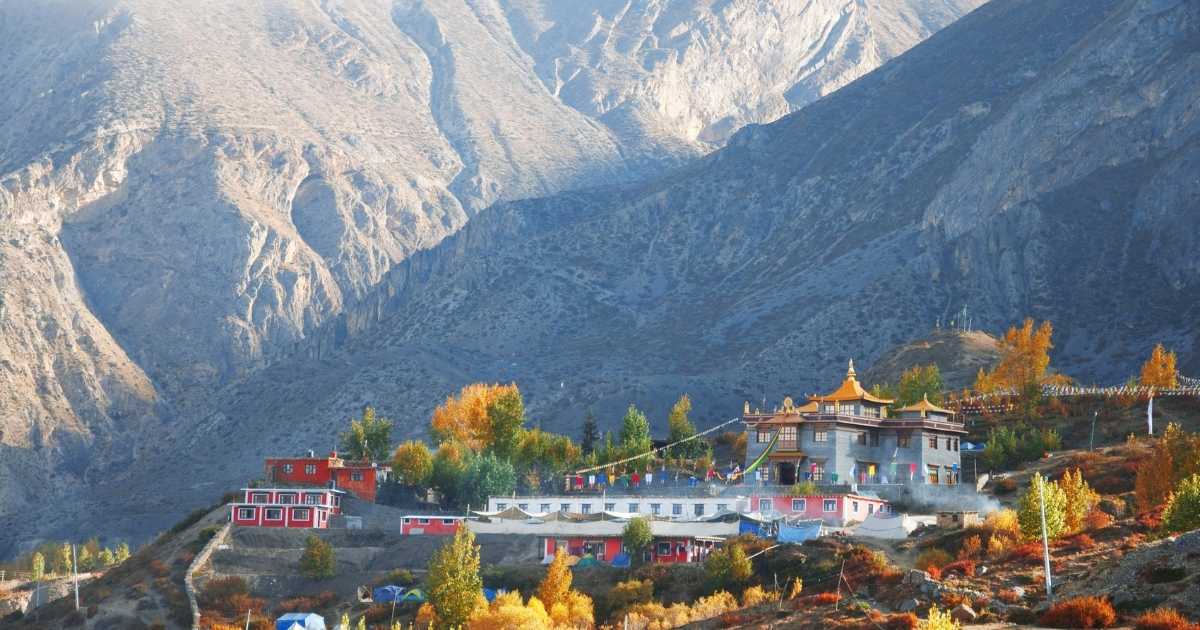
The Annapurna Circuit Trek is a moderate to challenging high-altitude trek in Nepal that reaches 5,416m (17,769 ft) at Thorong La Pass. It takes 10–14 days, involves 5–7 hours of walking per day, and requires no technical climbing.
The Annapurna Circuit Trek is one of Nepal’s most iconic long-distance treks, taking hikers through lush forests, traditional villages, alpine valleys, and across the famous Thorong La Pass at 5,416m. Although the trails are well-maintained and non-technical, the combination of high altitude, long walking days, and changing weather makes it a moderate to challenging adventure.
What makes the trek challenging?
- Crossing Thorong La Pass (5,416m), one of the world’s highest trekking passes
- Walking 5–7 hours per day over 10–14 days
- Spending multiple days above 3,500m, where altitude sickness becomes a real concern
- Long ascents and descents on rocky mountain trails
With good fitness, proper acclimatization, and adequate preparation, the Annapurna Circuit Trek is achievable for fit beginners. Previous hiking or high-altitude trekking experience can further improve safety, confidence, and overall comfort. Check Annapurna circuit Video here.
Annapurna Circuit Trek Difficulty Summary Table
| Factor | Difficulty |
|---|---|
| Overall | Moderate to Challenging |
| Daily Walking | 5–8 hrs |
| Highest Point | 5,416m |
| Technical Skills | None |
| Altitude | High |
| Suitable for Beginners | Yes, with preparation |
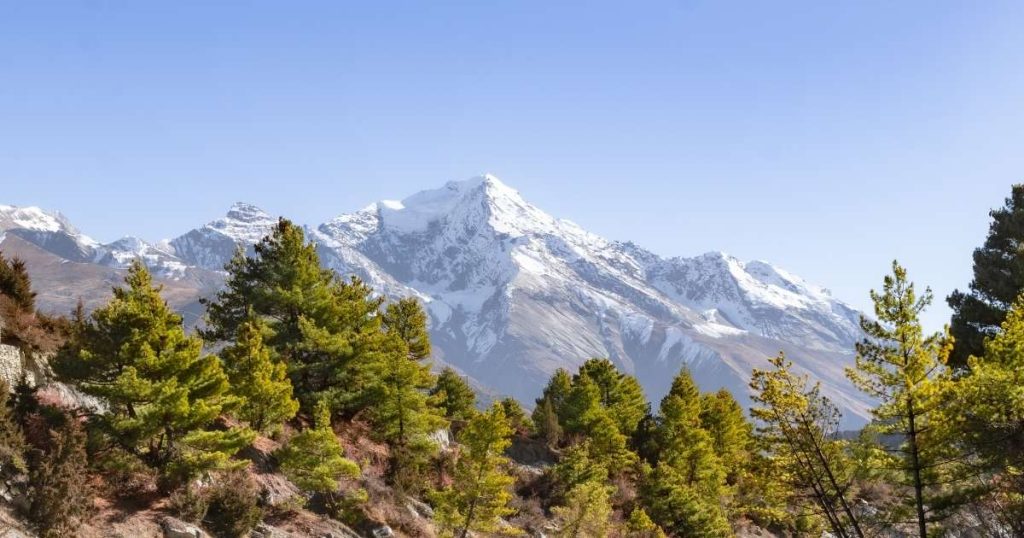
Annapurna Circuit Trek Difficulty at a Glance
| Factor | Details |
| Overall difficulty | Moderate to challenging |
| Trekking days | 10-14 days |
| Daily walking hours | 5–7 hours average |
| Maximum altitude | Thorong La Pass (5,416m) |
| Total distance | Approximately 65–70 km (Chame to Muktinath via Thorong La Pass) |
| Technical skills required | None – no ropes, crampons, or climbing experience needed |
| Fitness level needed | Good to very good |
| Suitable for beginners | Yes, with proper training and acclimatization |
| Altitude sickness risk | Significant, especially around the Thorong La crossing |
Why the Annapurna Circuit Trek Difficulty Rating Matters
Understanding the Annapurna Circuit Trek difficulty before booking helps you prepare properly and avoid unpleasant surprises on the trail. While the trek does not require technical climbing, its high altitude, long duration, and demanding pass crossing make it more challenging than many first-time trekkers expect.
Knowing the difficulty helps you:
- Train effectively with long hikes, endurance workouts, and leg-strength exercises before your trip.
- Choose the right gear, including well-broken-in trekking boots, layered clothing, and trekking poles.
- Plan proper acclimatization, especially the important rest day in Manang before crossing Thorong La Pass (5,416m).
- Set realistic expectations for walking 5–7 hours each day over 12–18 days.
- Reduce the risk of altitude sickness by following a gradual itinerary instead of rushing the trek.
- Decide if the trek matches your experience and fitness level, particularly if this is your first high-altitude adventure.
Key takeaway: Many trekkers assume Thorong La Pass is the only difficult part of the Annapurna Circuit. In reality, the biggest challenge is often the combination of multiple consecutive trekking days, increasing altitude, and overall endurance, rather than the trail itself. Proper preparation makes the trek achievable and far more enjoyable.
Can Beginners Do the Annapurna Circuit Trek?
Yes, beginners can complete the Annapurna Circuit Trek, but they should be physically prepared and choose a well-planned itinerary that includes enough acclimatization days. Although the trek is rated moderate to challenging, it does not require any technical climbing, mountaineering skills, or previous trekking experience.
The biggest challenge for first-time trekkers is high altitude, especially when crossing Thorong La Pass (5,416m / 17,769 ft). As the elevation increases, the air becomes thinner, making even gentle uphill sections feel more demanding. This is why gradual ascent, proper acclimatization, and listening to your body are more important than hiking speed.
If you are a beginner, you can improve your chances of a successful trek by:
- Building your fitness with regular walking, hiking, running, or cycling for 6–8 weeks before the trek.
- Practicing hikes with a light backpack to prepare for consecutive trekking days.
- Choosing a 12–14-day itinerary instead of rushing the route.
- Drinking plenty of water and ascending gradually to reduce the risk of altitude sickness.
- Hiring a licensed guide who can monitor your pace, provide local knowledge, and assist if any problems arise.
Many first-time trekkers complete the Annapurna Circuit every year. With realistic expectations, good preparation, and proper acclimatization, it is an achievable and rewarding Himalayan adventure.
Is the Annapurna Circuit Trek Good for Beginners?
The trek is suitable for beginners who:
- Are in good overall health.
- Can comfortably walk 5–7 hours per day for multiple days.
- Have enough time for acclimatization.
- Follow a sensible pace instead of rushing.
- Understand the symptoms of altitude sickness and take them seriously.
However, if you have never hiked before or are unsure about your fitness, you may find shorter treks such as the Langtang Valley Trek, Mardi Himal Trek, or Annapurna Base Camp Trek easier introductions to trekking in Nepal before attempting the Annapurna Circuit.
What Makes the Annapurna Circuit Trek Moderate to Challenging Difficulty?
Several factors combine to give the Annapurna Circuit Trek its difficulty rating, and understanding each one helps you prepare realistically rather than relying on a single label.
Altitude: The trek reaches a maximum of 5,416m at Thorong La Pass, one of the highest points crossed on any standard teahouse trek in Nepal. This single crossing is the biggest difficulty factor on the entire route, both physically and in terms of altitude sickness risk.
Daily walking distance and duration: Most days on the Annapurna Circuit Trek involve 5 to 7 hours of walking, though the Thorong La crossing day itself often stretches to 8-9 hours due to the combined ascent and long descent to Muktinath on the same day.
Terrain: The trail passes through subtropical lowlands, pine forests, high alpine desert, and the Mustang rain-shadow region, with elevation changing dramatically over the route’s length. None of it requires technical climbing skills, but the Thorong La crossing involves a long, sustained ascent in thin air followed by a steep, knee-testing descent.
Trail infrastructure: Teahouses and lodges are well established along the entire route, though road development in recent years has changed how much of the lower valley trekkers walk versus travel by jeep, effectively shortening the trek for those who choose it.
Acclimatization requirements: The Annapurna Circuit requires careful acclimatization planning, with built-in rest days at Manang before the push toward Thorong La, since this is the single point on the trek where rushing carries the greatest risk.
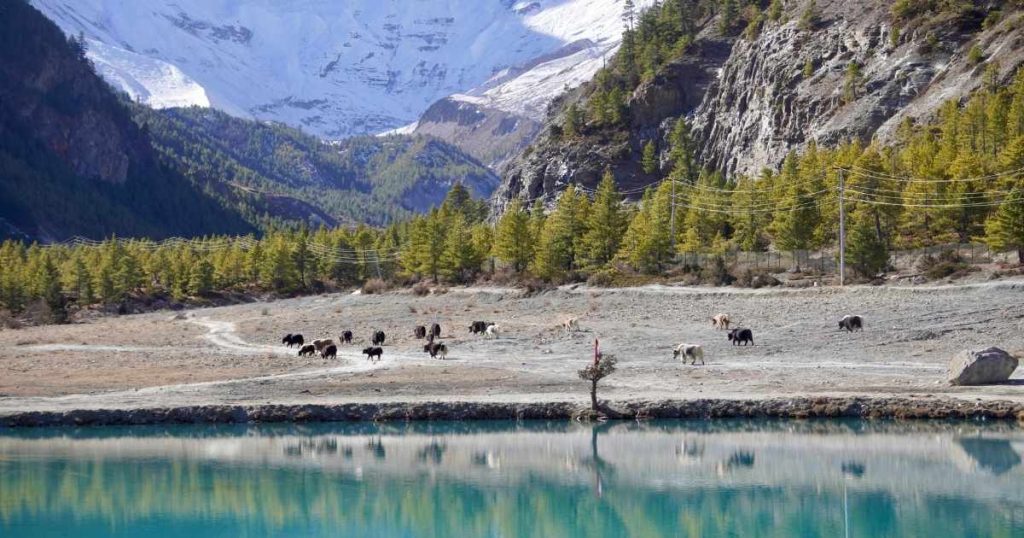
Annapurna Circuit Trek vs Other Popular Treks: Difficulty Comparison
Choosing the right trek in Nepal can be difficult because each route offers a different level of challenge. Compared to Everest Base Camp, Langtang Valley, Annapurna Base Camp, and Gokyo Lake, the Annapurna Circuit is considered moderate to challenging due to its longer duration, varied terrain, and the high-altitude crossing of Thorong La Pass (5,416m). The table below compares Nepal’s most popular trekking routes to help you decide which best matches your fitness and experience.
| Trek | Max Altitude | Duration | Difficulty | Best For |
| Annapurna Circuit Trek | 5,416m | 12–18 days | Moderate to challenging | Trekkers seeking longer, more varied terrain |
| Everest Base Camp Trek | 5,364m | 12–14 days | Moderate to challenging | Trekkers with prior high-altitude experience |
| Gokyo Lake Trek | 5,357m | 11–14 days | Moderate to challenging | Trekkers prioritizing summit views |
| Langtang Valley Trek | 4,984m | 7–10 days | Moderate | First-time high-altitude trekkers, shorter trips |
| Annapurna Base Camp Trek | 4,130m | 7–10 days | Moderate | Trekkers wanting shorter altitude exposure |
Compared to these other major Nepal treks, the Annapurna Circuit Trek reaches the highest single-point altitude of the group at Thorong La Pass, while also being one of the longer treks by duration, placing it firmly among the more demanding standard teahouse routes in Nepal.
Annapurna Circuit Trek: Day-by-Day Difficulty Breakdown
Understanding which specific days are hardest helps you mentally and physically prepare for the trek’s toughest stretches.
Besisahar/Chame to Upper Pisang: An early climbing day as the trail leaves the lower valley’s subtropical terrain and gains altitude steadily through pine forest.
Upper Pisang to Manang (via the high route): One of the more scenic but demanding days, involving a longer, higher-altitude alternative path with excellent views of Annapurna II and III, adding both distance and elevation gain compared to the lower valley route.
Acclimatization day at Manang: A critical rest day, typically used for a short acclimatization hike to a higher viewpoint like the Ice Lake trail before descending back to sleep at Manang’s altitude, the “climb high, sleep low” principle that reduces AMS risk before the pass.
Manang to Yak Kharka or Thorong Phedi: A steady, high-altitude climbing day that pushes trekkers above 4,000m, testing acclimatization directly ahead of the pass crossing.
Thorong Phedi/High Camp to Muktinath (via Thorong La Pass): This is by far the hardest single day on the trek, involving a pre-dawn start, a long, sustained climb to 5,416m in cold, often windy conditions, followed by a steep, several-hour descent to Muktinath, all in a single day with no teahouse option partway down.
Muktinath to Jomsom/Pokhara: Generally easier walking or road travel, with the physical demands dropping significantly after the pass is behind you, though tired legs from the previous day’s descent are common.
Altitude Sickness Risk on the Annapurna Circuit Trek
Altitude sickness is one of the most significant difficulty factors on the Annapurna Circuit Trek, with Thorong La Pass at 5,416m representing the highest point most trekkers will reach on any standard Nepal teahouse trek. The risk of Acute Mountain Sickness (AMS) rises substantially above 4,000m, and the days around Manang and the approach to Thorong La are where most cases occur.
Common AMS symptoms to watch for:
- Headache that doesn’t resolve with rest or hydration
- Nausea or loss of appetite
- Dizziness or unusual fatigue
- Difficulty sleeping at altitude
How to reduce your risk:
- Follow the itinerary’s built-in acclimatization day at Manang rather than rushing ahead
- Ascend gradually and avoid skipping rest days to shorten the trip
- Stay well hydrated throughout the trek
- Avoid alcohol and sleeping pills at altitude, both of which can mask or worsen symptoms
- Communicate any symptoms to your guide immediately rather than pushing through them
When to descend: If symptoms of AMS worsen or don’t improve with rest, the standard response is to descend immediately rather than continue toward the pass, since attempting Thorong La with unresolved AMS symptoms carries serious risk given the crossing’s length and lack of easy retreat options partway through.
Physical Fitness Requirements
The Annapurna Circuit Trek demands a solid baseline of cardiovascular fitness, particularly given its longer duration and the demanding single push over Thorong La Pass.
Recommended fitness level:
- Comfortable walking 5-7 hours on consecutive days with a daypack, and up to 8-9 hours on the pass-crossing day
- Ability to climb sustained uphill sections without needing frequent long breaks
- Strong general cardiovascular fitness from regular exercise in the months before the trek
Who this trek suits well:
- Trekkers with prior hiking or trekking experience, ideally at some altitude
- Fit beginners willing to commit to a genuine training program in advance
- Trekkers who want to combine altitude trekking with varied terrain and cultural diversity across the route
Who may find it more challenging:
- Trekkers with no regular exercise routine or hiking background
- Those with pre-existing cardiovascular or respiratory conditions (a consultation with a doctor is recommended before booking)
- Trekkers attempting the trip without any acclimatization buffer days before Thorong La
How to Train for the Annapurna Circuit Trek
Physical preparation in the 3 months before your trek significantly improves your experience and reduces fatigue-related difficulty on the trail.
Cardiovascular training: Regular activities like hiking, running, cycling, or swimming for 40-60 minutes, 4 times per week, build the endurance base needed for consecutive high-altitude trekking days and the long pass-crossing day.
Leg and core strength: Squats, lunges, step-ups, and stair climbing help prepare your legs for the sustained ascent to Thorong La and the steep descent to Muktinath on the same day.
Practice hikes with a daypack: Complete several practice hikes carrying a daypack similar in weight to what you’ll carry on the trek, ideally on hilly or stepped terrain, and including at least one longer training day of 6+ hours to simulate the pass crossing.
Altitude preparation: If you live at low elevation and have access to high-altitude terrain nearby, spending time at elevation before your trip can help your body acclimate faster once in Nepal, particularly valuable given how high Thorong La sits above the trek’s other rest points.
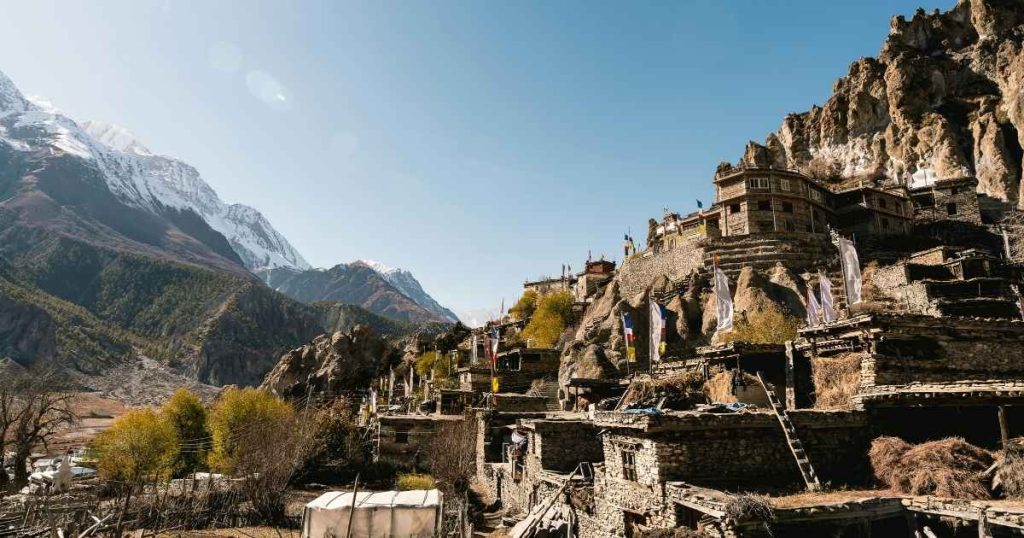
Terrain and Trail Conditions on the Annapurna Circuit Trek
| Trek Section | Terrain & Trail Conditions | Difficulty | What to Expect |
| Drive: Besisahar to Chame | Mountain road following the Marsyangdi River | Overland Drive | Most itineraries travel by jeep to Chame, reducing several days of lower-elevation walking. The road can be rough, dusty, and occasionally affected by landslides during the monsoon. |
| Chame to Upper Pisang | Forest trails, rocky paths, suspension bridges, and gradual uphill sections | Moderate | The trek begins through pine forests and narrow valleys with excellent views of Lamjung Himal and Annapurna II. |
| Upper Pisang to Manang | Alpine trails, open valleys, yak pastures, and dry mountain terrain | Moderate | A gradual climb into the Manang Valley with spectacular views of Annapurna III, Gangapurna, Tilicho Peak, and Chulu peaks. Walking becomes more noticeable due to increasing altitude. |
| Manang to Yak Kharka | Alpine meadows, rocky trails, and gentle uphill paths | Moderate-Challenging | Oxygen levels begin to decrease above 3,500m. The terrain is straightforward, but altitude makes walking more demanding. |
| Yak Kharka to Thorong Phedi / High Camp | Narrow mountain trails, loose rocks, and steep uphill sections | Challenging | One of the toughest approach days. The trail becomes steeper, more exposed, and physically demanding because of the thin air. |
| Thorong La Pass to Muktinath | Steep rocky ascent, loose scree, snow or ice (seasonal), followed by a long descent | Very Challenging | The most difficult day of the trek. Crossing Thorong La Pass (5,416m) requires an early morning start, careful footing, and endurance at high altitude. The descent to Muktinath is long and can be hard on the knees. |
| Muktinath to Jomsom | Dry desert trails, riverbeds, jeep tracks, and dusty paths | Moderate | Walking is easier, but the strong afternoon winds of the Mustang region can make trekking more tiring. |
Common Mistakes to Avoid on the Annapurna Circuit Trek: Tips for First-Time Trekkers
The Annapurna Circuit Trek is achievable for most trekkers with proper preparation, but common mistakes can make the journey unnecessarily difficult. Avoiding the following pitfalls will help you stay safe, reduce the risk of altitude sickness, and enjoy a more comfortable trek.
1. Walking Too Fast: Walking too quickly is one of the main reasons trekkers become exhausted at high altitude.
How to avoid it:
- Walk at a slow, steady pace.
- Take short breaks instead of rushing.
- Remember that altitude rewards patience, not speed.
2. Skipping Acclimatization Days: Rushing the itinerary increases the risk of Acute Mountain Sickness (AMS), especially before crossing Thorong La Pass (5,416 m).
How to avoid it:
- Include an acclimatization day in Manang.
- Follow a well-paced itinerary.
- Never sacrifice acclimatization to save time.
3. Carrying a Heavy Backpack: An overloaded backpack causes unnecessary fatigue and puts extra strain on your knees and back.
How to avoid it:
- Carry day pack only.
- Hire a porter if you want to trek more comfortably.
4. Not Drinking Enough Water: Dehydration is common at high altitude and can worsen fatigue and AMS symptoms.
How to avoid it:
- Drink 3–4 liters of water daily.
- Refill your bottle at teahouses.
- Limit alcohol before crossing Thorong La Pass.
5. Wearing New Trekking Boots: New boots often cause blisters that can make every day of the trek uncomfortable.
How to avoid it:
- Break in your boots before arriving in Nepal.
- Wear moisture-wicking trekking socks.
- Carry blister treatment in your first-aid kit.
6. Underestimating Mountain Weather: Weather in the Annapurna region can change quickly, even during peak trekking seasons.
How to avoid it:
- Dress in layers.
- Carry a waterproof jacket and warm clothing.
- Always check the forecast before crossing Thorong La Pass.
7. Trekking Without Proper Fitness: The Annapurna Circuit doesn’t require technical climbing, but it does require endurance.
How to avoid it:
- Train for 6–8 weeks before your trek.
- Focus on hiking, stair climbing, cycling, or cardio.
- Practice walking with a loaded daypack.
8. Ignoring Altitude Sickness Symptoms: Never ignore headaches, dizziness, nausea, or unusual fatigue.
How to avoid it:
- Tell your guide immediately if symptoms appear.
- Rest and hydrate.
- Descend if symptoms become worse.
Quick Tips for First-Time Annapurna Circuit Trekkers
✔ Walk slowly and keep a steady pace.
✔ Follow a proper acclimatization schedule.
✔ Drink at least 3–4 liters of water every day.
✔ Pack light and carry only essential gear.
✔ Wear well-broken-in trekking boots.
✔ Train before your trip to improve endurance.
✔ Respect the altitude and listen to your body.
The trekkers who enjoy the Annapurna Circuit Trek the most are rarely the fastest. They are the ones who prepare well, walk at a comfortable pace, acclimatize properly, and respect the challenges of the Himalayas.
Annapurna Circuit Trek Key Highlights
| Feature | Details |
| Highest Point | Thorong La Pass (5,416m / 17,769 ft) |
| Most Challenging Section | Yak Kharka → Thorong Phedi → Thorong La Pass → Muktinath |
| Technical Climbing Required | None |
| Trail Type | Well-established teahouse trekking trails with some rocky and uneven sections |
| Main Difficulty | High altitude, long walking days, steep ascents and descents, and changing mountain weather |
| Recommended Footwear | Waterproof trekking boots with good ankle support |
Seasonal Impact on Annapurna Circuit Trek Difficulty
The season you choose affects the Annapurna Circuit Trek’s difficulty in specific, practical ways.
Spring and autumn: Generally, the easiest conditions for trekking, with dry trails and stable weather reducing physical strain and slip risk, particularly on the Thorong La crossing.
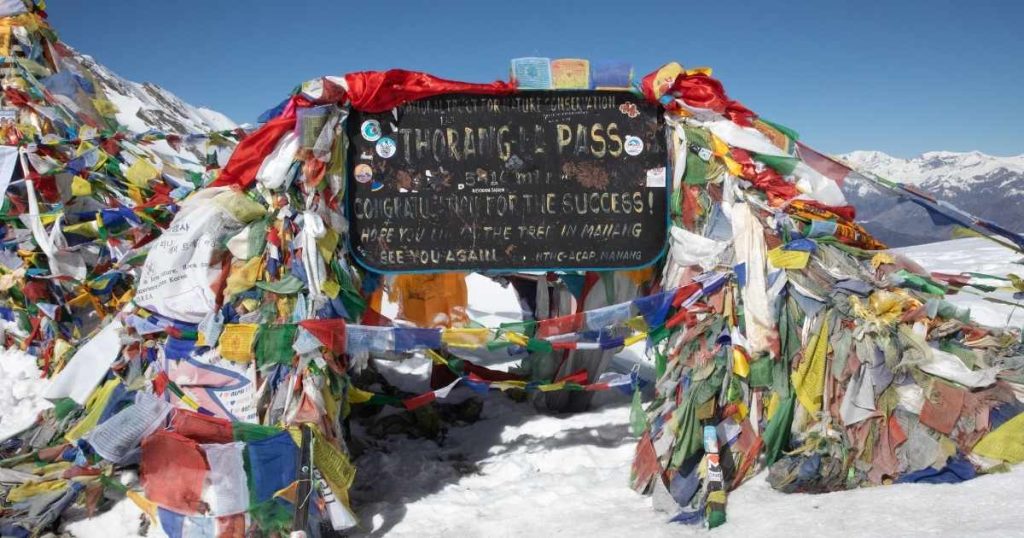
Winter: Cold temperatures and possible heavy snow on Thorong La significantly increase difficulty, and the pass can close entirely for days, sometimes forcing a change of plans.
Monsoon: Wet, slippery trails and landslide risk in the lower valley increase physical difficulty, while the Mustang side stays comparatively dry due to the rain shadow effect.
Tips to Make the Annapurna Circuit Trek Easier
- Take the acclimatization day in Manang. This extra day gives your body time to adjust to the altitude and significantly reduces the risk of altitude sickness before crossing Thorong La Pass.
- Hire a porter if needed. Carrying a lighter backpack helps conserve energy, reduces physical strain, and allows you to focus on trekking comfortably at high altitude.
- Start the Thorong La Pass crossing early. Most trekkers leave before sunrise to avoid strong afternoon winds and to ensure enough daylight for the long descent to Muktinath.
- Train for long trekking days before your trip. Include long hikes with elevation gain in your preparation, as the Thorong La Pass Day is the longest and most demanding day of the trek.
- Trek during spring or autumn. These seasons offer the most stable weather, clearer mountain views, and safer trail conditions, making the overall trek easier and more enjoyable.
- Stay hydrated every day. Drink around 3–4 liters of water daily. Good hydration helps reduce fatigue and supports better acclimatization throughout the trek.
- Use the jeep route to Chame if your itinerary allows. Driving from Besisahar to Chame shortens the trek, saves energy, and lets you focus on the higher-altitude sections where the real challenge begins.
Annapurna Circuit Trek: Frequently Asked Questions
Is the Annapurna Circuit Trek difficult? The Annapurna Circuit Trek is rated moderate to challenging difficulty, involving 5-7 hours of daily walking over 12-18 days with a maximum altitude of 5,416m at Thorong La Pass, making the pass crossing the primary challenge on the route.
Is the Annapurna Circuit Trek suitable for beginners? Yes, but only for fit beginners willing to commit to genuine training in advance and follow a careful acclimatization schedule, given the high altitude reached at Thorong La Pass.
How does the Annapurna Circuit Trek compare to Everest Base Camp in difficulty? The Annapurna Circuit Trek is comparably difficult to Everest Base Camp, with a slightly higher maximum altitude (5,416m vs 5,364m), though the Circuit’s single Thorong La crossing day is significantly longer and more demanding than any single day on the Everest Base Camp route.
What is the hardest day on the Annapurna Circuit Trek? The hardest day on the Annapurna Circuit Trek is the Thorong La Pass crossing from Thorong Phedi or High Camp to Muktinath, involving a pre-dawn start, a long climb to 5,416m, and a steep descent, often totaling 8-9 hours of continuous trekking.
Do I need prior trekking experience for the Annapurna Circuit Trek? Prior trekking experience isn’t strictly required, but strong cardiovascular fitness and ideally some previous experience trekking above 3,000m make the trek, and particularly the Thorong La crossing, significantly more manageable.
How much walking is involved each day on the Annapurna Circuit Trek? Most days on the Annapurna Circuit Trek involve 5 to 7 hours of walking, though the Thorong La crossing day extends to 8-9 hours due to the combined ascent and descent in a single day.
Is altitude sickness a serious risk on the Annapurna Circuit Trek? Altitude sickness is a significant risk on the Annapurna Circuit Trek, particularly around Manang and the Thorong La crossing above 4,000m, but proper acclimatization substantially reduces this risk.
Do I need to be very fit to complete the Annapurna Circuit Trek? Good to very good fitness is recommended for the Annapurna Circuit Trek, specifically the ability to comfortably walk 5-7 hours on consecutive days, with the stamina for one especially long 8-9 hour day at the pass crossing.
What is the maximum altitude on the Annapurna Circuit Trek? The maximum altitude on the Annapurna Circuit Trek is 5,416m at Thorong La Pass, one of the highest points crossed on any standard teahouse trek in Nepal.
How many days does the Annapurna Circuit Trek take? The Annapurna Circuit Trek typically takes 12 to 18 days, depending on the starting point, acclimatization days, and whether side trips like Tilicho Lake are included.
Is the Annapurna Circuit Trek harder than the Gokyo Lake Trek? The Annapurna Circuit Trek and Gokyo Lake Trek are similarly difficult overall, with Gokyo reaching a marginally lower maximum altitude but the Annapurna Circuit’s Thorong La crossing day being notably longer and more demanding than Gokyo Ri’s summit day.
Does the Annapurna Circuit Trek require technical climbing skills? No, the Annapurna Circuit Trek does not require any technical climbing skills, ropes, or specialized mountaineering equipment. The terrain involves walking on established trails, with Thorong La being a high but non-technical pass crossing.
What kind of terrain will I encounter on the Annapurna Circuit Trek? The Annapurna Circuit Trek includes subtropical forest trails, high alpine terrain around Manang, the steep high-altitude crossing at Thorong La Pass, and the drier high-altitude desert of the Mustang region near Muktinath.
Can I do the Annapurna Circuit Trek without a guide? While independent trekking is possible on parts of the route, hiring a licensed guide is strongly recommended for safety, navigation, and altitude sickness monitoring, particularly for the Thorong La Pass crossing.
How should I train before the Annapurna Circuit Trek? Training for the Annapurna Circuit Trek should include 3 months of regular cardiovascular exercise, leg and core strength training, and ideally at least one long practice hike of 6+ hours to simulate the demands of pass-crossing day.
Is the Annapurna Circuit Trek good for a first high-altitude trek? The Annapurna Circuit Trek is a demanding choice for a first high-altitude trek given the altitude and length of the Thorong La crossing; first-timers may find shorter treks like Langtang Valley or Annapurna Base Camp an easier introduction before attempting the full circuit.
What should I do if I experience altitude sickness symptoms? If you experience altitude sickness symptoms like persistent headache, nausea, or dizziness on the Annapurna Circuit Trek, inform your guide immediately, rest, stay hydrated, and descend if symptoms don’t improve or worsen, especially before attempting Thorong La.
Are there rest days built into the Annapurna Circuit Trek itinerary? Yes, standard Annapurna Circuit Trek itineraries include an acclimatization day at Manang, critical for reducing altitude sickness risk before the Thorong La Pass crossing.
Is the descent on the Annapurna Circuit Trek difficult? The descent from Thorong La Pass to Muktinath is long and can be tough on the knees, coming immediately after the ascent in the same day, making it one of the more physically demanding descents of any standard Nepal trek.
What age range is suitable for the Annapurna Circuit Trek? The Annapurna Circuit Trek is suitable for a wide age range, from fit teenagers to trekkers in their 60s, provided they have good fitness, no serious underlying health conditions, and follow proper acclimatization ahead of Thorong La.
How does weight carried affect the trek’s difficulty? Carrying a heavy backpack significantly increases physical strain on the Annapurna Circuit Trek, particularly on the long Thorong La crossing day. Hiring a porter to carry the bulk of your gear is a common and effective way to reduce difficulty.
Can Thorong La Pass close due to weather? Yes, Thorong La Pass can close for multiple days after heavy snowfall, particularly in winter, sometimes forcing trekkers to wait at Thorong Phedi or reconsider their itinerary.
What medical conditions should I consider before booking this trek? Trekkers with pre-existing cardiovascular, respiratory, or high-altitude-related medical conditions should consult a doctor before booking the Annapurna Circuit Trek, given the significant altitude reached at Thorong La Pass.
How does the Annapurna Circuit Trek difficulty compare in different seasons? The Annapurna Circuit Trek is easiest in spring and autumn, when trails are dry and Thorong La is most stable. Winter significantly increases difficulty due to snow closure risk on the pass, while monsoon increases difficulty in the lower valley due to landslide risk and slippery trails.


