
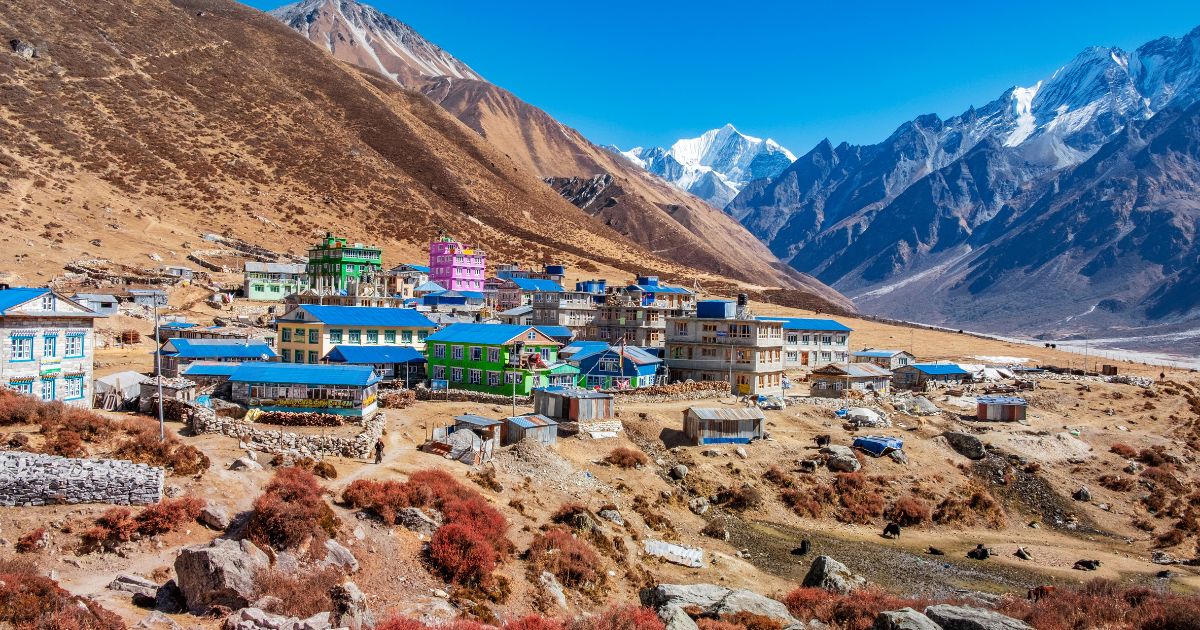
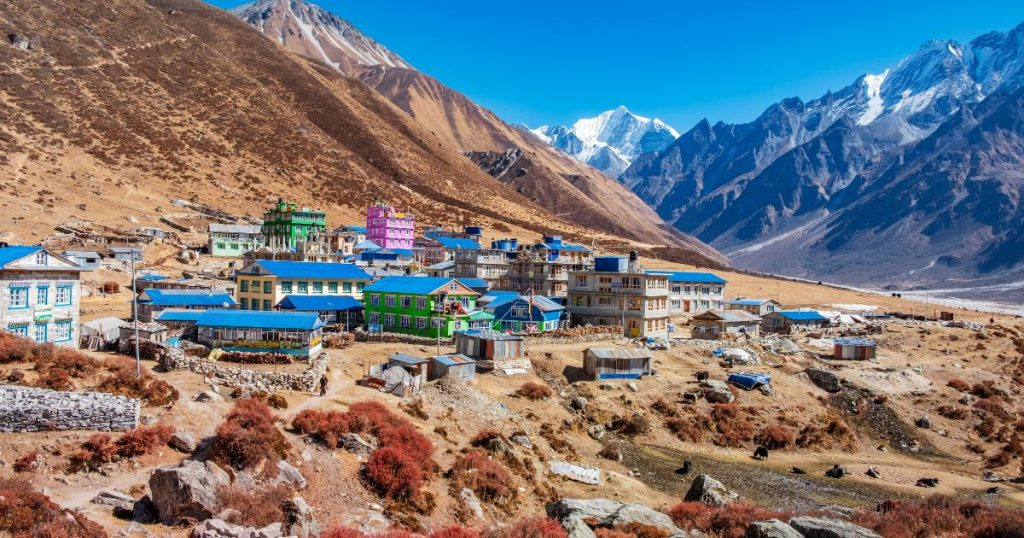
The best time for the Langtang Valley Trek is during spring (March to May) and autumn (September to November). These seasons offer the most favorable trekking conditions, including stable weather, comfortable temperatures, clear mountain views, and dry trails. Whether you’re trekking to Kyanjin Gompa, hiking to Kyanjin Ri, or taking the optional hike to Tserko Ri, spring and autumn provide the best overall experience.
Autumn, especially October and November, is widely regarded as the best time to trek in Langtang. After the monsoon season, the skies are exceptionally clear, the air is fresh, and the mountain views are at their finest. The trails are generally dry and stable, making this the most popular trekking season in the region.
Spring is equally rewarding. The forests are covered with blooming rhododendrons, magnolias, and other wildflowers, creating colorful landscapes throughout the lower valley. The weather is mild, mountain views are usually excellent, and the pleasant temperatures make trekking comfortable throughout the day.
The Langtang Valley Trek can also be completed during summer (June to August) and winter (December to February), although these seasons present additional challenges. Summer brings lush green scenery but also frequent rainfall, muddy trails, and cloud-covered mountain views. Winter offers peaceful trails, crisp mountain scenery, and fewer trekkers, but colder temperatures and occasional snowfall at higher elevations require proper preparation.
If you’re looking for the clearest mountain views and the most stable weather, autumn is the best choice. If you prefer blooming forests, comfortable temperatures, and slightly fewer crowds, spring is another excellent season for the Langtang Valley Trek.
Planning to trek Langtang? Explore our 10-Day Langtang Valley Trek package for the complete itinerary, prices, inclusions, accommodation, permits, and everything you need to plan your adventure.
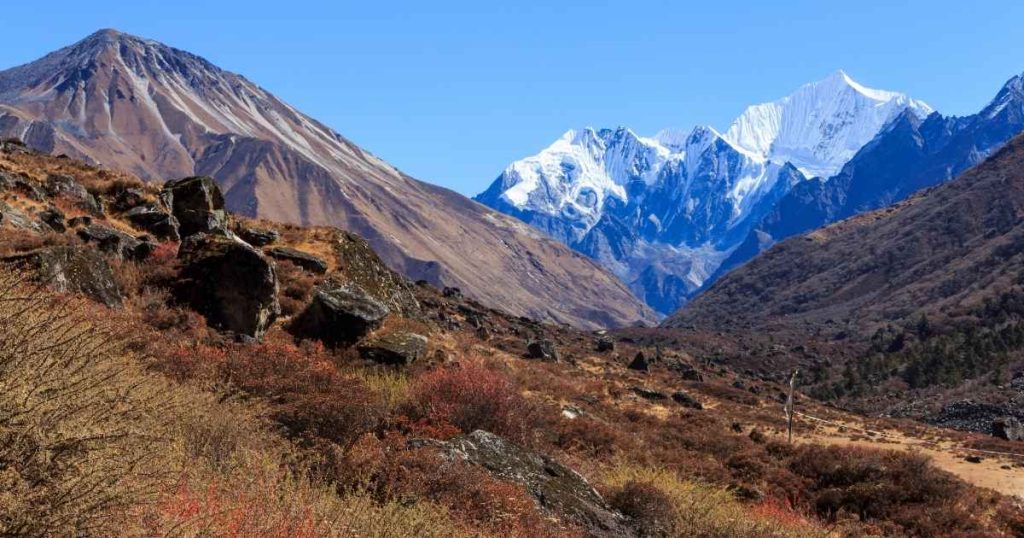
Langtang Valley Trek Quick Facts
| Factor | Details |
| Best months | March to May and September to November |
| Best single month | October |
| Average trekking days | 7 to 10 days (round trip via Syabrubesi) |
| Highest point | Tserko Ri (4,984m) or Kyanjin Ri (4,773m) |
| Coldest months | December to February |
| Wettest months | June to August |
| Starting point | Syabrubesi, reached by road from Kathmandu |
Experience the Langtang Valley Trek during the best trekking season. Watch our video to see the trail, beauty of the Langtang, beautiful autumn forests, and stunning Himalayan views.
Why Timing Matters for the Langtang Valley Trek
The Langtang Valley Trek is one of the most accessible high-altitude treks near Kathmandu, following the Langtang River through dense rhododendron and pine forests before opening into a wide glacial valley framed by Langtang Lirung (7,227m). Because the trek is reached by road rather than flight, and because the valley itself was affected by the 2015 earthquake and has since been rebuilt, timing here matters not just for views and safety, but also for road access and trail conditions on the lower approach through the Bhote Koshi gorge.
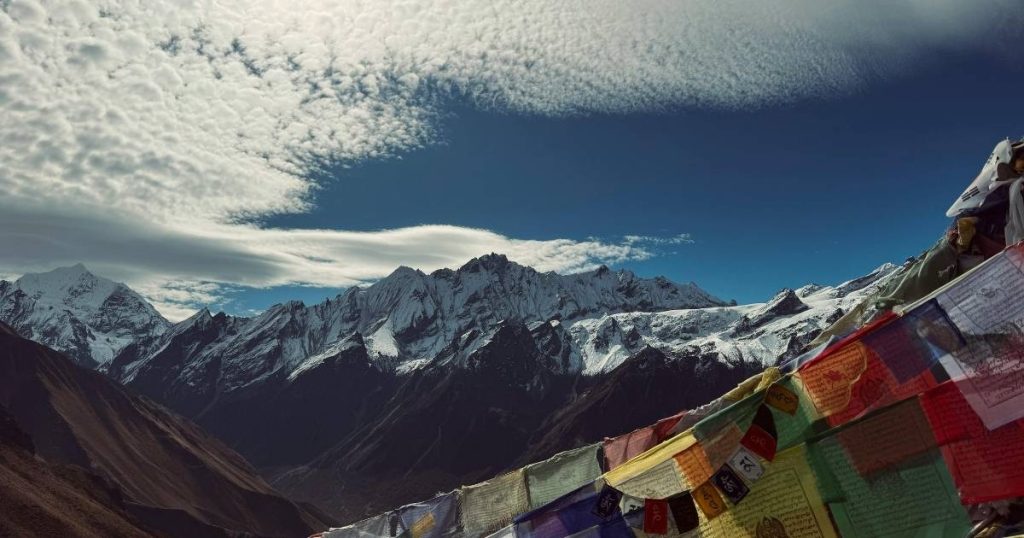
How the Weather Changes Along the Trail: Lower Gorge, Langtang Village, and Kyanjin
Lower Bhote Koshi Gorge (Syabrubesi to Lama Hotel): This forested, lower-altitude section sees the mildest temperatures and the densest rhododendron and bamboo forests on the route. It’s also the wettest section during monsoon, with the steep gorge trail becoming slippery and prone to landslides.
Langtang Village to Mundu (mid-altitude): As the trail opens out of the forest into the wider valley, temperatures drop and views of Langtang Lirung and surrounding peaks begin to open up. This section rebuilt after the 2015 earthquake and now offers a good preview of the high-valley conditions ahead.
Kyanjin Gompa and the Viewpoints (upper altitude): This is the coldest and most exposed section of the trek, where side trips to Kyanjin Ri and Tserko Ri offer panoramic views of Langtang Lirung, Langshisha Ri, and the glacier above the valley. Wind and temperature swings are more pronounced here, and cloud cover can build quickly in the afternoons.
Spring Season (March to May): Best Time for Rhododendron Forests and Clear Peaks
Spring is one of the two best seasons for the Langtang Valley Trek. The lower gorge between Syabrubesi and Lama Hotel fills with some of Nepal’s most spectacular rhododendron forests, while the upper valley around Kyanjin Gompa offers clear morning views of Langtang Lirung before afternoon cloud buildup.
Why trekkers choose spring:
- Dense rhododendron forest blooms in the lower gorge, among the best in Nepal
- Milder daytime temperatures at lower and mid elevations
- Clear morning visibility of Langtang Lirung from Kyanjin Gompa
- Good conditions for the Tserko Ri and Kyanjin Ri side hikes
What to watch for:
- Afternoon cloud buildup is common in spring, so plan viewpoint hikes for early morning
- Late April and May can bring pre-monsoon haze that slightly reduces long-distance visibility
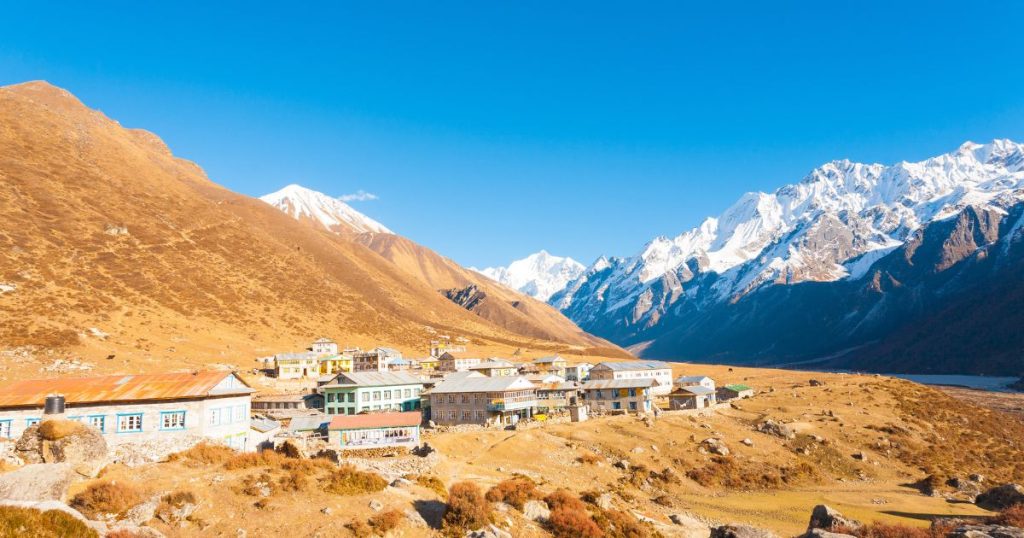
Autumn Season (September to November): The Most Popular Trekking Season in Nepal
Autumn is widely considered the best overall season for the Langtang Valley Trek. Once the monsoon clears in early September, the valley settles into weeks of stable weather, dry trails, and the clearest visibility of the year. October in particular delivers consistently blue skies over Langtang Lirung and the surrounding peaks.
Why trekkers choose autumn:
- The most stable, predictable weather of the year
- Dry, well-maintained trails through the Bhote Koshi gorge and Langtang valley
- Excellent visibility of Langtang Lirung, Langshisha Ri, and Ganchenpo
- Safest and clearest conditions for the Tserko Ri and Kyanjin Ri viewpoints
What to watch for:
- Teahouses in Kyanjin Gompa fill up quickly in October
- Nighttime temperatures drop noticeably by late November
- Popular viewpoints can be busy in peak season, especially around sunrise
Winter Season (December to February): Clear Skies for Experienced, Cold-Ready Trekkers
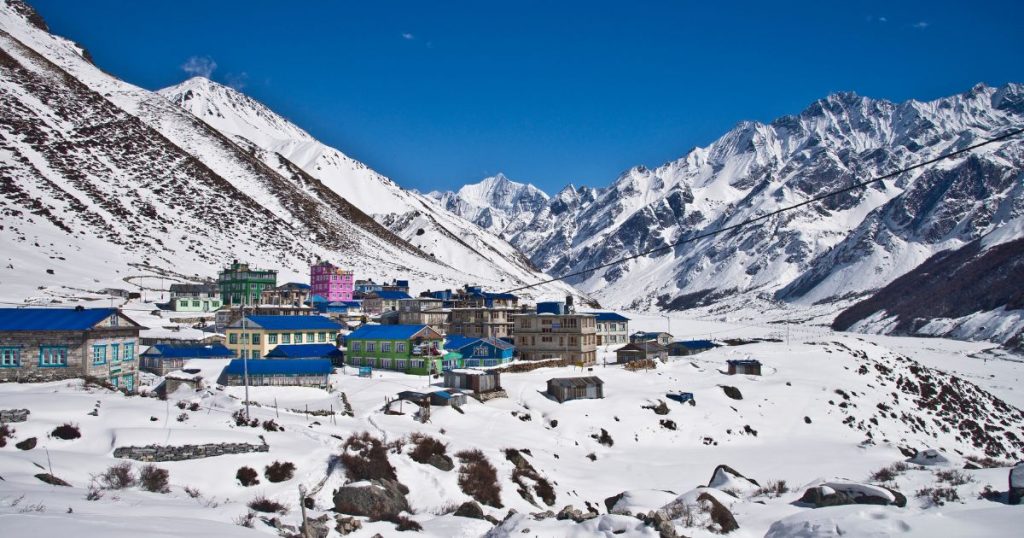
Winter is possible for the Langtang Valley Trek, but conditions at Kyanjin Gompa (3,870m) and the higher viewpoints turn harsh. Snowfall can affect the upper valley trail, and nighttime temperatures drop well below freezing. The reward is exceptionally clear air and far fewer trekkers than peak season.
Why some trekkers choose winter:
- Crystal-clear mountain views with minimal haze
- Very quiet trails and teahouses compared to autumn and spring
- Peaceful, uncrowded experience in a valley usually busy with trekkers
What to watch for:
- Nighttime temperatures at Kyanjin Gompa can fall to -10°C to -15°C or lower
- Snow can make the trail to Tserko Ri and Kyanjin Ri more difficult or require extra caution
- Some teahouses at higher points in the valley may operate with reduced services
Monsoon Season (June to August): Why It’s Not Recommended
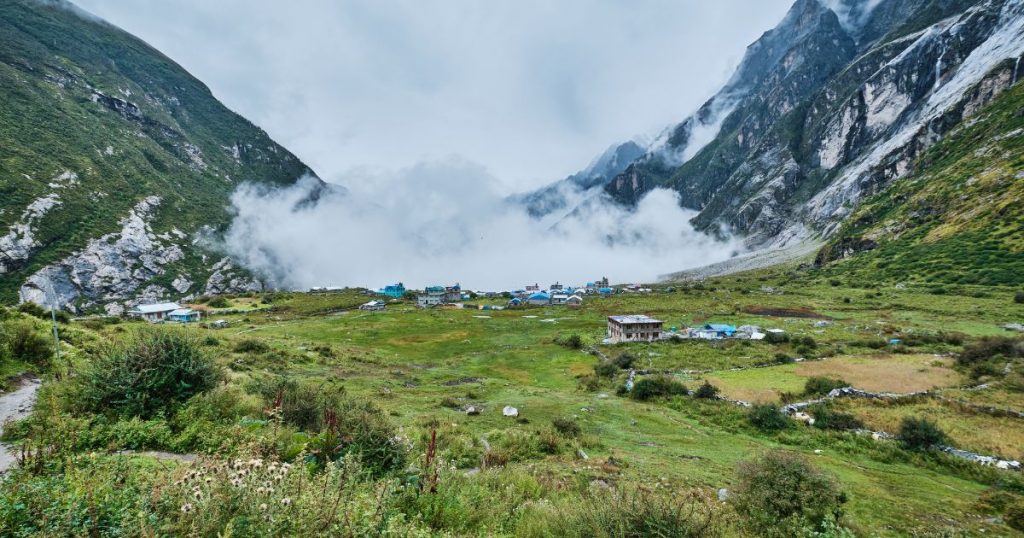
Monsoon is the least suitable season for the Langtang Valley Trek. Heavy rainfall makes the lower gorge trail between Syabrubesi and Lama Hotel slippery and prone to landslides, while persistent cloud cover often hides Langtang Lirung and the upper valley viewpoints for days at a time.
Why trekkers avoid monsoon:
- Landslide risk on the steep, forested lower gorge trail
- Poor visibility of Langtang Lirung and surrounding peaks
- Muddy, slippery trails and leech activity in the lower forest sections
- Road access from Kathmandu to Syabrubesi can also be affected by landslides
Langtang Valley Trek: Seasonal Comparison Table
| Season | Lower Gorge (Syabrubesi to Lama Hotel) | Kyanjin Valley & Viewpoints | Recommendation |
| Spring (Mar to May) | Dense rhododendron blooms, mild temperatures | Clear mornings, afternoon cloud risk | Highly recommended |
| Autumn (Sep to Nov) | Dry trails, clear skies | Best and most consistent views of the year | Best season overall |
| Winter (Dec to Feb) | Cold but clear, quiet trails | Very clear but cold, some snow at altitude | Experienced trekkers only |
| Monsoon (Jun to Aug) | Muddy, landslide-prone | Frequently obscured by cloud | Not recommended |
Month-by-Month Best Time Guide for the Langtang Valley Trek
| Month | Conditions | Best For |
| March | Weather stabilizing, rhododendron blooms begin | Early spring trekkers, fewer crowds than April |
| April | Peak rhododendron blooms, clear mornings | Spring’s most popular month |
| May | Warmer, slight haze late in month | Trekkers who prefer warmer temperatures |
| June | Monsoon begins, rain increases | Not recommended |
| July | Heavy monsoon rainfall | Not recommended |
| August | Continued monsoon, occasional clear windows | Not recommended |
| September | Skies clearing after monsoon | Early autumn trekkers avoiding October crowds |
| October | Best weather of the entire year | Peak season, book teahouses early |
| November | Very clear skies, colder nights | Trekkers wanting autumn clarity with fewer crowds than October |
| December | Cold but clear | Experienced winter trekkers |
| January | Coldest month, possible snow at higher elevations | Only for well-equipped, experienced trekkers |
| February | Still cold, days slowly lengthening | Late-winter trekkers preparing for early spring conditions |
Best Time for Tserko Ri and Kyanjin Ri Viewpoints
These two side hikes from Kyanjin Gompa are the highlight of the trek, and timing your attempt matters as much as timing the overall trip.
- Best months: October and November for the clearest, most consistent views, and April for a good balance of clear skies and milder cold
- Best time of day: Early morning, before afternoon clouds typically build up over the valley
- Avoid: Attempting Tserko Ri (the higher and more demanding of the two) right after fresh snowfall in winter, when the trail can be icy
Langtang Valley Temperatures by Altitude and Season
| Location & Altitude | Spring (Day/Night) | Autumn (Day/Night) | Winter (Day/Night) |
| Syabrubesi (1,550m) | 22°C / 10°C | 20°C / 8°C | 12°C / 2°C |
| Lama Hotel (2,470m) | 17°C / 5°C | 16°C / 3°C | 8°C / -3°C |
| Langtang Village (3,430m) | 12°C / -2°C | 11°C / -4°C | 3°C / -10°C |
| Kyanjin Gompa (3,870m) | 9°C / -5°C | 8°C / -7°C | 0°C / -13°C |
Figures are general seasonal averages and can vary year to year.
How Season Affects Road Access from Kathmandu
Unlike the Everest region, the Langtang Valley Trek is reached entirely by road, which changes how weather affects your trip start and end.
- Autumn: Most reliable road conditions, minimal delays on the drive to Syabrubesi
- Spring: Generally reliable, though occasional pre-monsoon showers can affect road conditions in May
- Winter: Roads stay open but can be cold, with occasional icy patches at higher points
- Monsoon: Least reliable. Landslides can block or damage the road to Syabrubesi, sometimes for days
Tip: Whichever season you trek in, build at least one buffer day into your itinerary before your onward flight from Kathmandu in case of road delays getting back from Syabrubesi.
Langtang Valley Trek Permits and Guide Availability by Season
- Peak season (October, April): Langtang National Park permit checkpoints see more foot traffic, and booking an experienced guide well in advance is essential, since a licensed guide is mandatory in the Langtang region and experienced guides get claimed early
- Shoulder season (September, November): Similar permit process with shorter checkpoint waits and easier last-minute guide availability
- Winter and monsoon: Checkpoints are quiet and guides are typically available on short notice
What to Pack for the Langtang Valley Trek by Season
- Spring/Autumn: Layered clothing, a good down jacket for Kyanjin Gompa evenings, sun protection, and a sleeping bag rated to at least -10°C
- Winter: Expedition-grade down jacket, sleeping bag rated to -15°C or lower, insulated water bottles, and extra layers for the Tserko Ri and Kyanjin Ri hikes
- Monsoon (if trekking anyway): Waterproof trekking boots, dry bags for electronics, and leech socks for the lower gorge section
Common Mistakes When Timing the Langtang Valley trek
- Booking October without reserving teahouses in Kyanjin Gompa in advance: peak season fills rooms quickly
- Underestimating winter cold at Kyanjin Gompa: many trekkers pack for “cold” but not for -13°C or colder nights
- Attempting Tserko Ri or Kyanjin Ri in the afternoon: cloud buildup often obscures views by midday, especially in spring
- Trekking in monsoon to save money: landslide risk on the lower gorge trail and road rarely makes it worth the savings
- Not building in buffer days: road delays on the Syabrubesi route can affect your return timeline in any season, so a rigid itinerary is risky
Frequently Asked Questions About the Best Time for the Langtang Valley Trek
What is the best time for the Langtang Valley Trek?
The best time for the Langtang Valley Trek is spring (March to May) and autumn (September to November), when weather is stable, trails are dry, and views of Langtang Lirung are at their clearest.
What is the single best month to trek Langtang Valley?
October is widely considered the single best month for the Langtang Valley Trek, offering the most consistent clear skies and driest trail conditions of the year.
Can you do the Langtang Valley Trek in winter?
Yes, the Langtang Valley Trek is possible in winter, but it’s recommended for well-prepared trekkers due to temperatures that can drop to -10°C to -15°C at Kyanjin Gompa and possible snow on the higher viewpoint trails.
Is the Langtang Valley Trek good in monsoon season?
No, monsoon (June to August) is not recommended for the Langtang Valley Trek due to landslide risk on the lower gorge trail and road, along with poor visibility of Langtang Lirung.
When is the best time to hike Tserko Ri and Kyanjin Ri?
The best time to hike Tserko Ri and Kyanjin Ri is October and November, when skies are clearest, though early morning starts are recommended in any season to beat afternoon cloud buildup.
Is spring or autumn better for the Langtang Valley Trek?
Both spring and autumn are excellent for the Langtang Valley Trek. Autumn generally offers slightly clearer skies, while spring offers dense rhododendron blooms in the lower gorge, among the best in Nepal.
How cold does it get at Kyanjin Gompa?
At Kyanjin Gompa (3,870m), nighttime temperatures can drop to -7°C in spring and autumn and as low as -13°C in winter.
How many days does the Langtang Valley Trek take?
The Langtang Valley Trek typically takes 7 to 10 days round trip from Syabrubesi, depending on pace and whether you include both Tserko Ri and Kyanjin Ri side hikes.
What is the highest altitude reached on the Langtang Valley Trek?
The highest points on the Langtang Valley Trek are Tserko Ri at 4,984m and Kyanjin Ri at 4,773m, both reached as side hikes from Kyanjin Gompa.
Is the Langtang Valley Trek difficult?
The Langtang Valley Trek is considered moderate in difficulty, suitable for trekkers with reasonable fitness, and does not require technical climbing skills, though the Tserko Ri side hike is more demanding.
Do I need travel insurance for the Langtang Valley Trek?
Yes, travel insurance covering high-altitude trekking up to at least 5,000m and emergency helicopter evacuation is recommended for the Langtang Valley Trek, regardless of season.
What permits are required for the Langtang Valley Trek?
The Langtang Valley Trek requires the Langtang National Park Entry Permit and the Trekkers’ Information Management System (TIMS) card, both arranged through a licensed guide and registered trekking agency, as independent solo trekking is no longer permitted in the region. TIMS rules have changed in recent years, so confirm the current requirement with your agency before you go.
Can beginners do the Langtang Valley Trek?
Yes, the Langtang Valley Trek is considered one of the more beginner-friendly high-altitude treks in Nepal, though reasonable fitness and proper acclimatization are still recommended.
Is altitude sickness a risk on the Langtang Valley Trek?
Yes, altitude sickness is a risk on the Langtang Valley Trek since Tserko Ri and Kyanjin Ri both exceed 4,700m. Gradual ascent, proper acclimatization, and staying hydrated significantly reduce this risk in any season.
Can I combine the Langtang Valley Trek with other routes?
Yes, some itineraries combine the Langtang Valley Trek with the Gosaikunda lakes via the Laurebina Pass, though this adds several days and a higher, more demanding crossing to the standard itinerary.
