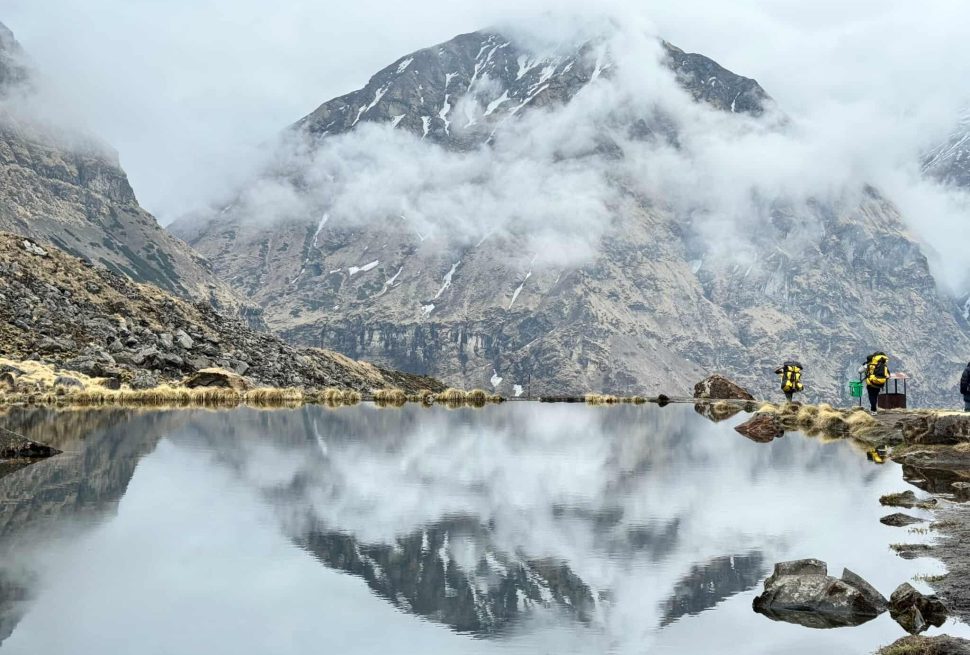
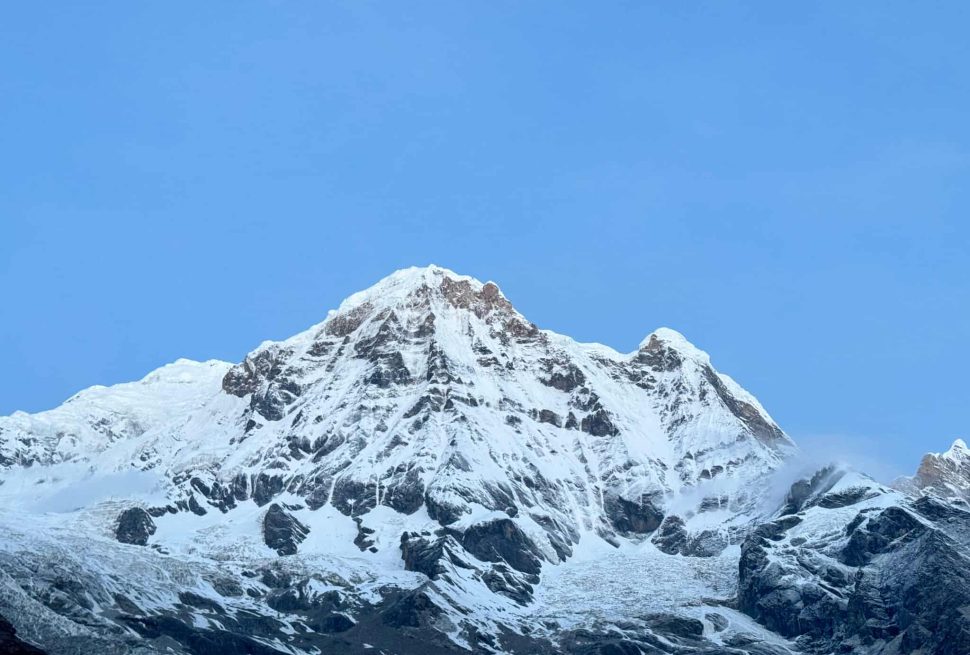
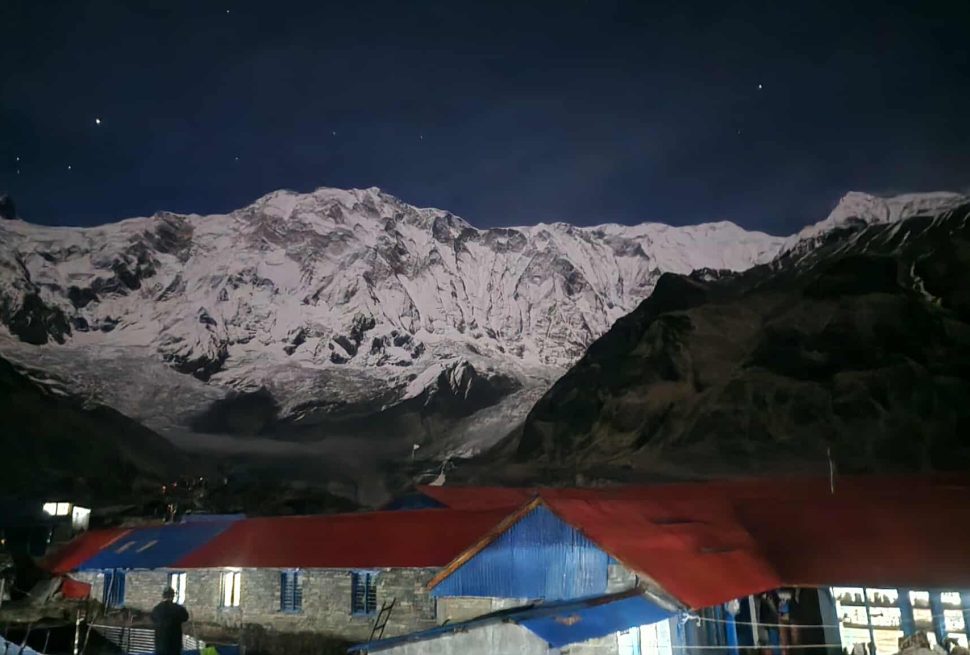
The best time for Annapurna Base Camp trek is one of the most important factors that directly affects your overall trekking experience in the Himalayas. The Annapurna Base Camp Trek is one of Nepal’s most popular trekking adventures, taking you through traditional Gurung villages, lush rhododendron forests, terraced farmlands, and dramatic Himalayan landscapes.
Standing at an altitude of 4,130 meters (13,550 feet), Annapurna Base Camp lies at the heart of the Annapurna Sanctuary and offers stunning panoramic views of some of the highest peaks in the world, including Annapurna I (8,091m), Machhapuchhre (Fishtail), Hiunchuli, and Annapurna South.
Choosing the best time for Annapurna Base Camp trek is essential because weather conditions, mountain visibility, trail safety, and trekking comfort change significantly throughout the year. While the trek is possible in all four seasons, some months provide far better visibility, safer trails, and more enjoyable walking conditions.
In this guide, we will break down the best time for ABC trek month by month, compare all four seasons in detail, and help you choose the ideal period based on your travel goals such as photography, budget, crowd preference, and weather comfort.
Quick Season Summary for Annapurna Base Camp Trek
| Season | Weather | Visibility | Crowd | Recommendation |
| Spring (Mar–May) | Pleasant | Very Good | Medium | Excellent |
| Autumn (Sep–Nov) | Stable | Excellent | High | Best Season |
| Winter (Dec–Feb) | Cold | Good | Low | For Experienced Trekkers |
| Monsoon (Jun–Aug) | Wet | Poor | Very Low | Not Recommended |
Quick Answer: When is the Best Time for Annapurna Base Camp Trek?
The best time for the Annapurna Base Camp Trek is during:
- Spring (March to May)
- Autumn (September to November)
These seasons offer the most stable weather, clear mountain views, and comfortable trekking conditions.
For most trekkers, October is the best month due to crystal-clear skies, perfect visibility, and stable weather throughout the region.
Why These Seasons Are Best
Spring and autumn are ideal because they offer:
- Stable and predictable weather conditions
- Clear views of Annapurna and surrounding peaks
- Comfortable daytime trekking temperatures
- Safer and dry trail conditions
- Excellent photography opportunities
What About Other Seasons?
- Winter (December–February): Cold but peaceful with snow-covered landscapes and fewer crowds
- Monsoon (June–August): Lush green scenery but heavy rainfall, slippery trails, and poor visibility
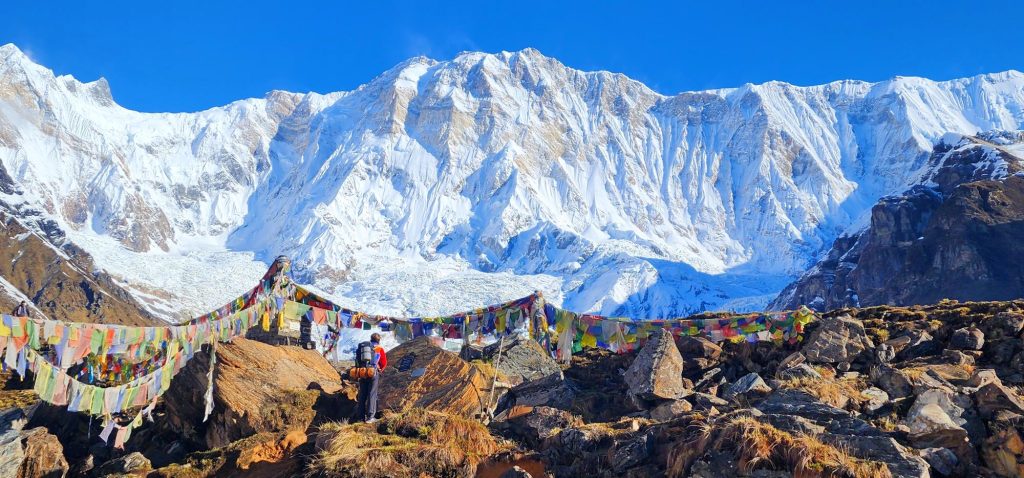
Annapurna Base Camp Trek Weather Overview
The weather in the Annapurna region changes significantly throughout the year, making the choice of trekking season an important part of trip planning. Annapurna Base Camp (4,130m) experiences four distinct seasons: spring, monsoon, autumn, and winter. Each season offers a unique trekking experience, from colorful rhododendron blooms in spring to crystal-clear mountain views in autumn.
One advantage of the Annapurna Base Camp Trek is that it starts at relatively low elevations and gradually ascends into the high Himalayas. This means trekkers experience a wide range of climates during the journey. While lower elevations near Pokhara and Chhomrong remain relatively mild, temperatures at Annapurna Base Camp can drop below freezing, especially during winter nights.
Annapurna Base Camp Trek Seasons at a Glance
| Season | Months | Weather Conditions | Mountain Views | Trekking Recommendation |
| Spring | March – May | Mild temperatures, stable weather, blooming forests | Excellent | Highly Recommended |
| Monsoon | June – August | Heavy rainfall, humid conditions, cloudy skies | Limited | Less Recommended |
| Autumn | September – November | Dry weather, stable conditions, clear skies | Outstanding | Best Season |
| Winter | December – February | Cold temperatures, occasional snowfall | Excellent | Good for Experienced Trekkers |
Average Temperature at Annapurna Base Camp
| Month | Day Temperature | Night Temperature |
| January | 5°C to 8°C | -10°C to -5°C |
| February | 6°C to 10°C | -8°C to -4°C |
| March | 8°C to 12°C | -5°C to 0°C |
| April | 10°C to 15°C | 0°C to 5°C |
| May | 12°C to 18°C | 2°C to 7°C |
| June | 14°C to 18°C | 5°C to 8°C |
| July | 15°C to 20°C | 7°C to 10°C |
| August | 15°C to 20°C | 7°C to 10°C |
| September | 12°C to 18°C | 3°C to 7°C |
| October | 10°C to 16°C | 0°C to 5°C |
| November | 8°C to 14°C | -3°C to 2°C |
| December | 5°C to 10°C | -8°C to -3°C |
Temperatures are approximate and may vary depending on weather patterns and altitude.
Weather Conditions by Elevation
The Annapurna Base Camp Trek passes through several climate zones, and weather can differ greatly between the lower and upper sections of the trail.
| Location | Altitude | Typical Climate |
| Pokhara | 822m | Warm and subtropical |
| Jhinu Danda | 1,780m | Mild temperatures year-round |
| Chhomrong | 2,170m | Cool mornings and evenings |
| Deurali | 3,230m | Cold nights, thinner air |
| Machhapuchhre Base Camp | 3,700m | Alpine climate |
| Annapurna Base Camp | 4,130m | High Himalayan conditions |
Why Weather Matters on the ABC Trek
Weather conditions can directly affect your overall trekking experience. Clear skies provide breathtaking views of Annapurna I, Machhapuchhre, Annapurna South, Hiunchuli, and Gangapurna, while poor weather may hide these peaks behind clouds.
Before choosing your trekking dates, consider the following factors:
- Mountain visibility and photography opportunities
- Daytime and nighttime temperatures
- Trail conditions and safety
- Chances of rain or snowfall
- Availability of accommodation during peak seasons
- Crowd levels along the trail
- Overall trekking comfort
Which Season Offers the Best Weather On ABC Trek?
For most trekkers, autumn (September to November) provides the most reliable weather conditions. The skies are generally clear, rainfall is minimal, and temperatures are comfortable for trekking.
Spring (March to May) follows closely behind, offering warm weather, blooming rhododendron forests, and excellent mountain views.
Winter can reward trekkers with quiet trails and stunning snow-covered scenery, while monsoon season appeals mainly to those seeking solitude and lush green landscapes despite the challenges of rain and reduced visibility.
In the following sections, we will examine each season and month in detail to help you determine the perfect time for your Annapurna Base Camp adventure.
Why Choosing the Right Season Matters for Annapurna Base Camp Trek
Although the Annapurna Base Camp Trek can be completed throughout the year, the season you choose can dramatically influence your overall experience. The same trail can feel completely different depending on whether you visit during the blooming spring months, the clear autumn season, the snowy winter period, or the rainy monsoon.
From mountain visibility and trail conditions to accommodation availability and photography opportunities, every aspect of the trek is affected by the weather and season.
Choosing the right time not only improves your chances of enjoying spectacular Himalayan views but also helps ensure a safer, more comfortable, and more rewarding trekking experience.
Key Factors Affected by the Season
| Factor | Why It Matters |
| Mountain Visibility | Clear skies provide uninterrupted views of Annapurna I, Machhapuchhre, Annapurna South, and Hiunchuli. |
| Trail Conditions | Dry trails are safer and easier to walk, while rain, mud, ice, or snow can make trekking more challenging. |
| Temperature | Seasonal temperatures affect trekking comfort, sleeping conditions, and packing requirements. |
| Crowd Levels | Peak seasons attract more trekkers, while off-season months offer quieter trails. |
| Photography Opportunities | Different seasons create unique landscapes, lighting conditions, and mountain scenery. |
| Accommodation Availability | Popular months may require advance bookings, especially in busy villages. |
| Wildlife and Flora | Seasonal changes affect rhododendron blooms, greenery, birdlife, and overall scenery. |
1. Mountain Visibility
For many trekkers, the main reason for visiting Annapurna Base Camp is to witness the incredible Himalayan panorama surrounding the sanctuary. The best mountain views are typically found during:
- October
- November
- March
- April
During these months, skies are generally clear, allowing trekkers to enjoy stunning views of:
2. Trail Conditions and Safety
Trail conditions vary significantly throughout the year.
| Season | Trail Condition |
| Spring | Dry and comfortable |
| Autumn | Excellent and stable |
| Winter | Snow and ice possible at higher elevations |
| Monsoon | Wet, muddy, and slippery |
Good trail conditions reduce fatigue and lower the risk of slips and injuries. Trekkers who prefer easier walking conditions usually choose either spring or autumn.
3. Temperature and Trekking Comfort
As the trek gains altitude, temperatures gradually decrease. While lower villages may remain pleasant throughout the year, conditions at Annapurna Base Camp can be considerably colder.
Comfortable Temperatures
- March
- April
- May
- October
- November
Coldest Months
- December
- January
- February
Winter trekking remains possible, but trekkers should be prepared for freezing nights and occasional snowfall.
Annapurna Base Camp Trek in Spring (March to May)
Spring is widely regarded as one of the best seasons for the Annapurna Base Camp Trek. As winter snow gradually melts and temperatures begin to rise, the Annapurna region comes alive with blooming rhododendron forests, lush landscapes, and spectacular mountain views.
The combination of comfortable temperatures, stable weather, and colorful scenery makes spring a favorite season for trekkers, photographers, families, and nature lovers alike.
Why Trek Annapurna Base Camp in Spring?
Spring offers an ideal balance between weather, visibility, and trail conditions.
Spring Highlights
- Comfortable daytime temperatures
- Clear mountain views
- Blooming rhododendron forests
- Vibrant landscapes and wildlife
- Long daylight hours
- Stable trekking conditions
- Excellent photography opportunities
Spring Weather Overview
| Month | Day Temperature at ABC | Night Temperature at ABC | Trekking Conditions |
| March | 8°C to 12°C | -5°C to 0°C | Excellent |
| April | 10°C to 15°C | 0°C to 5°C | Excellent |
| May | 12°C to 18°C | 2°C to 7°C | Very Good |
Annapurna Base Camp Trek in March
March marks the beginning of the spring trekking season in Nepal. The weather starts warming up after winter, and the trails become increasingly active as trekkers return to the mountains.
The forests begin to bloom, and mountain views are often crystal clear, especially during the mornings.
March Weather Conditions
| Category | Conditions |
| Temperature | Cool but comfortable |
| Rainfall | Low |
| Visibility | Excellent |
| Trail Conditions | Dry and stable |
| Crowd Level | Moderate |
Why Choose March?
- Start of rhododendron blooming season
- Fewer crowds than April
- Clear mountain panoramas
- Comfortable trekking temperatures
- Excellent visibility for photography
Potential Challenges in March
- Cold nights at higher elevations
- Occasional snow patches near Base Camp
- Layered clothing still necessary
March Is Ideal For
- Photographers
- Nature lovers
- Trekkers seeking moderate crowds
- First-time Himalayan trekkers
Annapurna Base Camp Trek in April
April is often considered one of the most beautiful months for the Annapurna Base Camp Trek. Rhododendron forests are in full bloom, creating vibrant red, pink, and white landscapes along the trail.
Combined with warm temperatures and clear skies, April delivers some of the best trekking conditions of the entire year.
April Weather Conditions
| Category | Conditions |
| Temperature | Mild and comfortable |
| Rainfall | Very Low |
| Visibility | Excellent |
| Trail Conditions | Excellent |
| Crowd Level | High |
Why Choose April?
- Peak rhododendron blooming season
- Pleasant temperatures throughout the trek
- Stable weather conditions
- Stunning mountain views
- Excellent wildlife and birdwatching opportunities
What You’ll See in April
- Colorful rhododendron forests
- Green hillsides and valleys
- Snow-capped Himalayan peaks
- Clear sunrise and sunset views
Potential Challenges in April
- Busy trails during peak weeks
- Tea houses can become crowded
- Advance booking may be helpful
April Is Ideal For
- Nature enthusiasts
- Families
- First-time trekkers
- Landscape photographers
Annapurna Base Camp Trek in May
May is the final month of the spring trekking season. Temperatures continue to rise, and the trails remain accessible and comfortable.
While mountain views are still excellent during the mornings, occasional clouds may develop later in the day as the monsoon season gradually approaches.
May Weather Conditions
| Category | Conditions |
| Temperature | Warm |
| Rainfall | Low to Moderate |
| Visibility | Good to Excellent |
| Trail Conditions | Good |
| Crowd Level | Moderate |
Why Choose May?
- Warmer temperatures at higher elevations
- Fewer trekkers than April
- Comfortable trekking conditions
- Beautiful green landscapes
Potential Challenges in May
- Afternoon cloud build-up
- Hazy conditions on some days
- Occasional pre-monsoon showers
May Is Ideal For
- Trekkers seeking warmer weather
- Experienced hikers
- Travelers wanting fewer crowds than April
- Those with flexible itineraries
Is Spring the Best Season for Annapurna Base Camp Trek?
For many trekkers, the answer is yes.
Spring combines:
- Excellent weather
- Comfortable temperatures
- Stunning mountain scenery
- Blooming rhododendron forests
- Reliable trail conditions
While autumn may offer slightly clearer skies, spring provides a unique blend of natural beauty and pleasant trekking conditions that many trekkers consider unmatched.
Spring Season Rating
| Category | Rating |
| Mountain Views | ⭐⭐⭐⭐⭐ |
| Weather Stability | ⭐⭐⭐⭐⭐ |
| Trail Conditions | ⭐⭐⭐⭐⭐ |
| Photography | ⭐⭐⭐⭐⭐ |
| Crowd Level | ⭐⭐⭐⭐⭐ |
| Overall Experience | ⭐⭐⭐⭐⭐ |
Spring remains one of the most rewarding and visually stunning times to experience the Annapurna Base Camp Trek.
Annapurna Base Camp Trek in Autumn (September to November)
Autumn is widely considered the best season for the Annapurna Base Camp Trek. Following the summer monsoon, the skies clear, the air becomes fresh and dust-free, and the Himalayan peaks stand out in remarkable clarity.
The combination of stable weather, comfortable temperatures, dry trails, and breathtaking mountain views makes autumn the most popular trekking season in Nepal. Thousands of trekkers visit the Annapurna region during these months to experience some of the finest trekking conditions of the year.
If your goal is to maximize mountain views and enjoy the most reliable weather, autumn is often the safest choice.
Why Trek Annapurna Base Camp in Autumn?
Autumn Highlights
- Crystal-clear mountain views
- Stable weather conditions
- Dry and comfortable trails
- Pleasant daytime temperatures
- Spectacular sunrise and sunset photography
- Fresh post-monsoon landscapes
- Ideal conditions for first-time trekkers
Autumn Weather Overview
| Month | Day Temperature at ABC | Night Temperature at ABC | Trekking Conditions |
| September | 12°C to 18°C | 3°C to 7°C | Very Good |
| October | 10°C to 16°C | 0°C to 5°C | Excellent |
| November | 8°C to 14°C | -3°C to 2°C | Excellent |
Annapurna Base Camp Trek in September
September marks the beginning of the autumn trekking season. Early September may still experience occasional post-monsoon showers, but conditions improve rapidly as the month progresses.
The landscape remains lush and green from the monsoon rains, creating beautiful scenery along the trail.
September Weather Conditions
| Category | Conditions |
| Temperature | Mild and pleasant |
| Rainfall | Low to Moderate |
| Visibility | Good to Excellent |
| Trail Conditions | Improving throughout the month |
| Crowd Level | Moderate |
Why Choose September?
- Fresh and vibrant landscapes
- Fewer crowds than October
- Comfortable temperatures
- Excellent value before peak season begins
Potential Challenges in September
- Occasional rain during early September
- Some cloudy afternoons
- Trails may still be damp in certain sections
September Is Ideal For
- Nature lovers
- Photographers seeking lush scenery
- Trekkers wanting fewer crowds
- Budget-conscious travelers
Annapurna Base Camp Trek in October
October is widely regarded as the best month for the Annapurna Base Camp Trek.
The monsoon has completely cleared, the air is exceptionally clean, and the mountains are often visible from sunrise to sunset. Weather conditions are usually stable, making October the most popular month among both domestic and international trekkers.
October Weather Conditions
| Category | Conditions |
| Temperature | Comfortable |
| Rainfall | Very Low |
| Visibility | Outstanding |
| Trail Conditions | Excellent |
| Crowd Level | Very High |
Why Choose October?
- Clearest mountain views of the year
- Stable weather patterns
- Comfortable trekking temperatures
- Excellent trail conditions
- Stunning photography opportunities
What You’ll See in October
- Crystal-clear views of Annapurna I
- Machhapuchhre glowing at sunrise
- Dry and dust-free trails
- Vibrant blue Himalayan skies
- Spectacular mountain panoramas from Base Camp
Potential Challenges in October
- Peak season crowds
- Busy tea houses
- Higher demand for guides and porters
- Early booking recommended
October Is Ideal For
- First-time trekkers
- Photographers
- Families
- Adventure travelers seeking the best overall experience
Annapurna Base Camp Trek in November
November continues the excellent conditions of October while offering slightly fewer crowds.
The weather remains dry and stable, and mountain visibility is still exceptional. Temperatures begin to cool, especially at night, but daytime trekking conditions remain highly comfortable.
Many experienced trekkers consider November the perfect balance between weather and crowd levels.
November Weather Conditions
| Category | Conditions |
| Temperature | Cool and comfortable |
| Rainfall | Very Low |
| Visibility | Excellent |
| Trail Conditions | Excellent |
| Crowd Level | High |
Why Choose November?
- Outstanding mountain views
- Dry and stable weather
- Slightly quieter than October
- Comfortable trekking days
- Beautiful autumn scenery
Potential Challenges in November
- Colder nights at higher elevations
- Frost possible during early mornings
- Warm clothing required for evenings
November Is Ideal For
- Serious trekkers
- Landscape photographers
- Couples and small groups
- Travelers seeking excellent weather with slightly fewer crowds
Is Autumn the Best Season for Annapurna Base Camp Trek?
For many trekkers, autumn offers the most complete trekking experience.
The season combines:
- Exceptional mountain visibility
- Stable weather conditions
- Comfortable temperatures
- Dry and safe trails
- Outstanding photography opportunities
While spring offers colorful rhododendron forests, autumn provides the clearest mountain views and the most predictable weather patterns.
Autumn Season Rating
| Category | Rating |
| Mountain Views | ⭐⭐⭐⭐⭐ |
| Weather Stability | ⭐⭐⭐⭐⭐ |
| Trail Conditions | ⭐⭐⭐⭐⭐ |
| Photography | ⭐⭐⭐⭐⭐ |
| Crowd Level | ⭐⭐⭐⭐⭐ |
| Overall Experience | ⭐⭐⭐⭐⭐ |
For trekkers seeking the classic Annapurna Base Camp experience, autumn—especially October and November—remains the benchmark against which all other seasons are measured.
Annapurna Base Camp Trek in Winter (December to February)
Winter transforms the Annapurna region into a peaceful Himalayan landscape of snow-dusted peaks, crisp mountain air, and quiet trails. While temperatures are colder than in spring or autumn, the Annapurna Base Camp Trek is still possible during winter and can be an incredibly rewarding experience for prepared trekkers.
The main attractions of winter trekking are solitude, clear skies, and dramatic snowy scenery. However, trekkers must be ready for freezing nights, occasional snowfall, and colder trail conditions at higher elevations.
Why Trek Annapurna Base Camp in Winter?
Winter Highlights
- Fewer crowds and peaceful trails
- Clear mountain views on many days
- Beautiful snow-covered landscapes
- Quiet tea houses and villages
- Unique winter photography opportunities
Winter Weather Overview
| Month | Day Temperature at ABC | Night Temperature at ABC | Trekking Conditions |
| December | 5°C to 10°C | -8°C to -3°C | Good |
| January | 5°C to 8°C | -10°C to -5°C | Challenging |
| February | 6°C to 10°C | -8°C to -4°C | Good |
Annapurna Base Camp Trek in December
December marks the beginning of winter and is one of the more accessible cold-season months for the ABC Trek.
The weather is generally dry and stable, with clear skies offering excellent mountain visibility. Nights are cold, but daytime trekking is often pleasant under sunshine.
December Weather Conditions
| Category | Conditions |
| Temperature | Cold mornings and nights |
| Rainfall | Very Low |
| Visibility | Excellent |
| Trail Conditions | Mostly dry, some frost possible |
| Crowd Level | Low |
Why Choose December?
- Clear Himalayan views
- Peaceful trekking routes
- Stable weather conditions
- Snow-dusted mountain scenery
Potential Challenges in December
- Very cold nights at teahouses
- Frost in early morning trails
- Need for proper winter gear
December Is Ideal For
- Experienced trekkers
- Photographers
- Travelers seeking solitude
- Cold-weather prepared hikers
Annapurna Base Camp Trek in January
January is the coldest month in the Annapurna region, with the highest chance of snow at higher elevations. Conditions can be harsh but visually very rewarding.
Despite the cold, skies are often extremely clear, offering some of the best mountain views of the year.
January Weather Conditions
| Category | Conditions |
| Temperature | Very Cold |
| Rainfall | Low |
| Visibility | Excellent on clear days |
| Trail Conditions | Snow and ice possible |
| Crowd Level | Very Low |
Why Choose January?
- Quietest trails of the year
- Strong snow-covered Himalayan scenery
- Sharp and clear mountain views
- True winter trekking experience
Potential Challenges in January
- Extreme cold at night
- Snow-covered upper sections
- Slippery and frozen paths
- Physically demanding conditions
January Is Ideal For
- Experienced winter trekkers
- Adventure seekers
- Photographers focused on snow landscapes
- Solo or quiet travel lovers
Annapurna Base Camp Trek in February
February is a transition month between deep winter and early spring. Conditions slowly improve, but cold weather still dominates higher elevations.
Snow is still possible, but trails become slightly easier compared to January.
February Weather Conditions
| Category | Conditions |
| Temperature | Cold but improving |
| Rainfall | Low |
| Visibility | Excellent |
| Trail Conditions | Mixed snow and dry sections |
| Crowd Level | Low |
Why Choose February?
- Clear mountain visibility
- Fewer trekkers on trail
- Gradually improving conditions
- Longer daylight hours
Potential Challenges in February
- Cold nights remain common
- Snow patches at higher altitudes
- Warm gear still essential
February Is Ideal For
- Trekkers wanting quiet trails
- Experienced hikers
- Photographers
- Winter-to-spring transition seekers
Is Winter a Best Time for Annapurna Base Camp Trek?
Winter is a good option for trekkers who are well-prepared for cold conditions and want a quieter Himalayan experience. It offers some of the clearest mountain views but requires proper gear and flexibility.
When Winter is a Good Choice
- If you want peaceful, uncrowded trails
- If you enjoy snow-covered scenery
- If you prefer clear winter skies
- If you are comfortable in cold temperatures
When Winter is NOT Ideal
- If you dislike freezing weather
- If you want the easiest trekking conditions
- If you prefer lively tea house atmosphere
- If you are a complete beginner without preparation
Winter Season Rating
| Category | Rating |
| Mountain Views | ⭐⭐⭐⭐⭐ |
| Weather Stability | ⭐⭐⭐ |
| Trail Conditions | ⭐⭐⭐ |
| Photography | ⭐⭐⭐⭐⭐ |
| Crowd Level | ⭐ |
| Overall Experience | ⭐⭐⭐⭐ |
Winter trekking in Annapurna Base Camp can be harsh but extremely rewarding. With proper preparation, it offers a peaceful and unforgettable Himalayan experience rarely seen in peak seasons.
Annapurna Base Camp Trek in Monsoon (June to August)
Monsoon season in the Annapurna region brings heavy rainfall, lush green landscapes, mist-covered hills, and fewer trekkers on the trail. While it is generally considered the least favorable time for the Annapurna Base Camp Trek, it still offers a unique experience for those who enjoy solitude, nature, and off-season adventure.
The main challenges during monsoon are rain, slippery trails, leeches in lower elevations, and limited mountain visibility. However, the landscapes become incredibly vibrant, waterfalls are at their fullest, and the trails are much quieter compared to peak seasons.
Why Trek Annapurna Base Camp in Monsoon?
Monsoon Highlights
- Fewer trekkers on the trail
- Lush green forests and rice terraces
- Powerful waterfalls and rivers
- Peaceful and quiet teahouses
- Lower accommodation pressure
- Discounted travel costs in some cases
Monsoon Weather Overview
| Month | Day Temperature at ABC | Night Temperature at ABC | Trekking Conditions |
| June | 14°C to 18°C | 5°C to 8°C | Challenging |
| July | 15°C to 20°C | 7°C to 10°C | Very Challenging |
| August | 15°C to 20°C | 7°C to 10°C | Challenging |
Month-by-Month Breakdown
Annapurna Base Camp Trek in June
June is the beginning of the monsoon season. Early June can still offer decent trekking conditions, but rainfall gradually increases as the month progresses.
June Weather Conditions
| Category | Conditions |
| Temperature | Warm and humid |
| Rainfall | Moderate |
| Visibility | Fair |
| Trail Conditions | Becoming slippery |
| Crowd Level | Low |
Why Choose June?
- Early monsoon still manageable
- Green landscapes begin to appear
- Fewer crowds on trails
- Good availability of accommodation
Challenges in June
- Increasing rain in later weeks
- Cloudy mountain views
- Muddy and wet trails
Annapurna Base Camp Trek in July
July is the peak monsoon month in Nepal and the most difficult time for the Annapurna Base Camp Trek.
July Weather Conditions
| Category | Conditions |
| Temperature | Warm and humid |
| Rainfall | Very High |
| Visibility | Poor |
| Trail Conditions | Very Slippery |
| Crowd Level | Very Low |
Why Trek in July?
- Maximum solitude
- Deep green Himalayan landscapes
- Unique monsoon atmosphere
- Budget-friendly travel options
Challenges in July
- Continuous heavy rainfall
- Frequent cloud cover blocking views
- High leech activity in forests
- Risk of landslides and delays
Annapurna Base Camp Trek in August
August is still part of the monsoon, but rainfall slowly begins to reduce toward the end of the month.
August Weather Conditions
| Category | Conditions |
| Temperature | Warm |
| Rainfall | High (decreasing late month) |
| Visibility | Fair |
| Trail Conditions | Slippery but improving |
| Crowd Level | Low |
Why Choose August?
- Gradually improving weather in late August
- Fewer trekkers compared to peak seasons
- Very lush and scenic landscapes
- Good time for peaceful trekking
Challenges in August
- Still frequent rain showers
- Wet and muddy sections on trail
- Limited mountain visibility
Is Monsoon a Best Time for Annapurna Base Camp Trek?
Monsoon trekking is not recommended for most trekkers due to weather uncertainty and poor visibility. However, it can be rewarding for experienced hikers who prefer quiet trails and don’t mind rain.
Monsoon Season Rating
| Category | Rating |
| Mountain Views | ⭐⭐ |
| Weather Stability | ⭐⭐ |
| Trail Conditions | ⭐⭐ |
| Photography | ⭐⭐⭐ |
| Crowd Level | ⭐ |
| Overall Experience | ⭐⭐⭐ |
Who Should Consider Monsoon Trekking?
Monsoon is suitable for:
- Experienced trekkers
- Nature lovers who enjoy greenery
- Budget travelers
- Trekkers seeking solitude
- Adventure seekers who don’t mind rain
Annapurna Base Camp Temperature by Month (Full Breakdown)
Understanding temperature changes throughout the year is essential for planning a safe and comfortable Annapurna Base Camp Trek. Temperatures vary significantly depending on the season and altitude, especially as trekkers ascend from Pokhara (822m) to Annapurna Base Camp (4,130m).
At higher elevations, nights can drop well below freezing even when lower regions remain relatively warm. Proper layering and seasonal preparation are therefore crucial.
Average Monthly Temperature at Annapurna Base Camp
| Month | Day Temperature | Night Temperature | Weather Feeling |
| January | 5°C to 8°C | -10°C to -5°C | Very Cold |
| February | 6°C to 10°C | -8°C to -4°C | Cold |
| March | 8°C to 12°C | -5°C to 0°C | Cool |
| April | 10°C to 15°C | 0°C to 5°C | Pleasant |
| May | 12°C to 18°C | 2°C to 7°C | Warm |
| June | 14°C to 18°C | 5°C to 8°C | Humid |
| July | 15°C to 20°C | 7°C to 10°C | Humid & Wet |
| August | 15°C to 20°C | 7°C to 10°C | Humid & Wet |
| September | 12°C to 18°C | 3°C to 7°C | Comfortable |
| October | 10°C to 16°C | 0°C to 5°C | Ideal |
| November | 8°C to 14°C | -3°C to 2°C | Cool |
| December | 5°C to 10°C | -8°C to -3°C | Cold |
Temperature Variation by Altitude
Temperature decreases significantly as altitude increases on the Annapurna Base Camp route.
| Location | Altitude | Typical Day Temp | Typical Night Temp |
| Pokhara | 822m | 20°C to 28°C | 10°C to 15°C |
| Ghandruk | 2,000m | 15°C to 22°C | 5°C to 10°C |
| Chhomrong | 2,170m | 12°C to 18°C | 2°C to 8°C |
| Bamboo / Dovan | 2,300–2,600m | 10°C to 16°C | 0°C to 5°C |
| Deurali | 3,200m | 5°C to 12°C | -2°C to 3°C |
| Machhapuchhre Base Camp | 3,700m | 3°C to 10°C | -5°C to 0°C |
| Annapurna Base Camp | 4,130m | 5°C to 15°C | -10°C to 5°C |
Spring vs Autumn: Which Season is Best for Annapurna Base Camp Trek?
Both spring and autumn are considered the best seasons for the Annapurna Base Camp Trek, but each offers a very different experience. Choosing between them depends on what you value more—colorful landscapes or crystal-clear mountain views, quiet trails or lively trekking routes, flowers or stable weather.
To help you decide, here is a clear comparison of both seasons based on real trekking conditions in the Annapurna region.
Quick Comparison: Spring vs Autumn
| Feature | Spring (March–May) | Autumn (September–November) |
| Mountain Views | Very Good | Excellent |
| Weather Stability | Good | Excellent |
| Temperature | Mild & warm | Cool & comfortable |
| Trail Conditions | Good | Excellent |
| Crowd Level | Moderate–High | High |
| Scenery | Blooming rhododendrons | Clear skies & sharp peaks |
| Photography | Colorful landscapes | Best for mountain clarity |
| Rain/Snow Risk | Low–Moderate (late spring clouds) | Very Low |
Local Expert Recommendation: Best Time for Annapurna Base Camp Trek
At Mountain World Treks, our local guides have been leading the Annapurna Base Camp Trek for many years across all seasons. Based on on-ground experience, the best time for Annapurna Base Camp trek is clearly October-November, followed by March-April. Not Only Annapurna base camp in fact, it is best season for Trek In Nepal too.
In October and November, weather is most stable, skies are clear, and mountain views of Annapurna I, Machhapuchhre, Hiunchuli, and Annapurna South are at their best. Trails are dry and conditions are ideal for safe and comfortable trekking, making this the top recommended season.
In March and April, the trek is equally enjoyable with warmer temperatures and beautiful rhododendron forests along the lower trails. However, occasional haze can slightly reduce visibility compared to autumn.
Winter is suitable for experienced trekkers looking for snow and quiet trails, while monsoon is generally avoided due to rain, slippery paths, and poor visibility.
Overall, October-November and March-April remain the most recommended and balanced periods for the best Annapurna Base Camp trekking experience.
Frequently Asked Questions (FAQ) – Good Time for Annapurna Base Camp Trek
1. What is the best time for Annapurna Base Camp Trek?
The best time for the Annapurna Base Camp Trek is during spring (March–May) and autumn (September–November). These seasons offer stable weather, clear mountain views, and comfortable trekking conditions.
2. Which month is best for Annapurna Base Camp Trek?
October is considered the best month for the trek due to crystal-clear skies and excellent visibility. November and April are also very good alternatives with great weather and scenery.
3. Is Annapurna Base Camp Trek possible in winter?
Yes, the trek is possible in winter, especially from December to February. However, it is very cold at higher elevations and may include snow on the trail.
4. Is ABC Trek difficult in winter?
Yes, winter trekking is more challenging because of freezing temperatures and possible snow or ice on the route. Proper gear and experience are recommended for winter conditions.
5. Can beginners do Annapurna Base Camp Trek?
Yes, beginners can successfully complete the ABC Trek with proper preparation and pacing. Choosing spring or autumn makes the trek much easier and more comfortable.
6. Is monsoon a good time for ABC Trek?
Monsoon is not considered the best time due to heavy rainfall and slippery trails. However, it is still possible for experienced trekkers who don’t mind wet conditions.
7. Does it snow at Annapurna Base Camp?
Yes, snowfall is common at Annapurna Base Camp during the winter months. Snow is most likely between December and February.
8. Which season has the best mountain views?
Autumn provides the clearest and most consistent mountain views of the year. Spring also offers excellent visibility with slightly more atmospheric variation.
9. Is April a good time for ABC Trek?
Yes, April is one of the best months for trekking with pleasant weather and blooming rhododendrons. The trail conditions are also stable and highly enjoyable.
10. Is October crowded on the ABC Trek route?
Yes, October is the busiest trekking month in the Annapurna region. Tea houses and trails can be crowded due to peak season demand.
11. How cold is Annapurna Base Camp at night?
Night temperatures at Annapurna Base Camp can drop to around -10°C in winter. In spring and autumn, nights are usually between 0°C and 5°C.
12. Which month should I avoid for ABC Trek?
July is the least recommended month due to heavy monsoon rainfall and poor visibility. Trails can also become slippery and more difficult to navigate.
13. Is ABC Trek safe during monsoon?
The trek is generally safe but more challenging during monsoon due to landslides and slippery paths. Extra caution and proper gear are necessary in this season.
14. What is the easiest season for ABC Trek?
Spring and autumn are the easiest seasons because of stable weather and well-maintained trails. These months are also the most comfortable for beginners.
15. Can I see rhododendrons on ABC Trek?
Yes, rhododendrons bloom beautifully along the trail in spring, especially during March and April. This is one of the most scenic times for the trek.