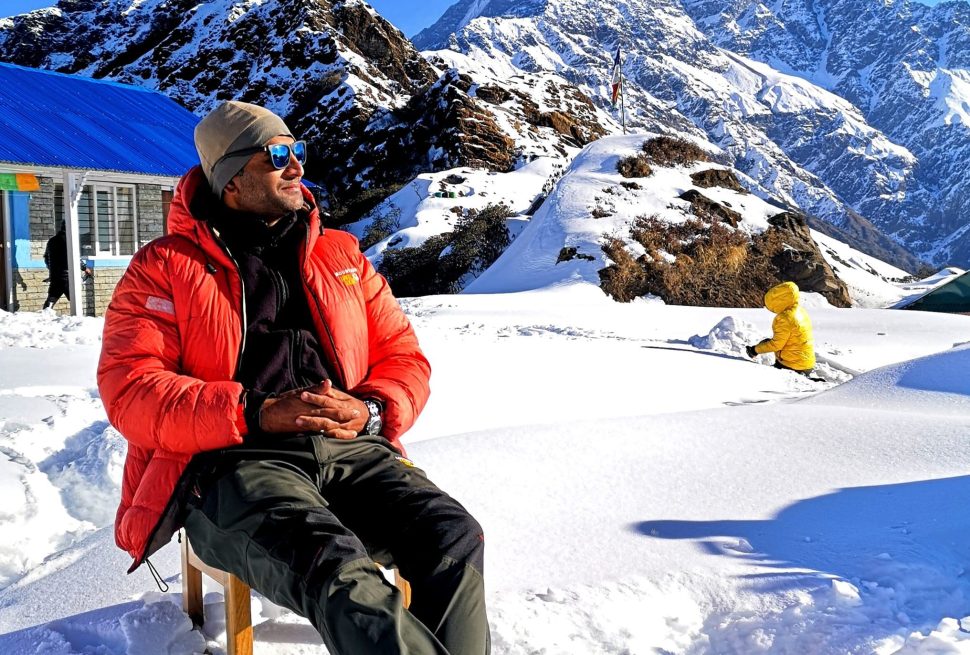
Why Nepal Continues to Be the Dream Destination for Trekkers Worldwide?
Discover why trekking in Nepal continues to inspire travelers worldwide with breathtaking Himalayan trails, rich mountain culture, unforgettable adventures, and global recognition as the world’s top hiking destination in 2026.
Nepal has once again stepped into the global spotlight, this time by being honored as the “Top Hiking Destination” at the Diplomatic Travel Awards 2026 held in New Delhi, India. The award was presented at a ceremony held on 18 May 2026 at the Radisson Blu Plaza Delhi, and it was received by Surendra Thapa, the Charge d’Affaires of the Nepal Embassy. This recognition is more than just another tourism award. It is a proud moment for Nepal and a powerful reminder of why travelers from around the world continue to dream about hiking in Nepal and exploring its legendary Himalayan trails.
For years, trekking in Nepal has been on the bucket list of adventure lovers, nature seekers, photographers, and mountain enthusiasts. From the icy paths leading to Everest Base Camp to the peaceful villages along the Annapurna Circuit, Nepal offers something that few places in the world can match, raw mountain beauty mixed with culture, simplicity, and genuine human connection.
This latest award also comes at a time when Nepal’s tourism industry is seeing strong international interest once again. Popular trekking regions like Everest, Annapurna, Langtang, and Manaslu are drawing both first-time hikers and experienced trekkers looking for deeper adventures in the Himalayas. Whether it’s a short scenic hike or a life-changing mountain journey, Nepal continues to prove why it remains the heart of global trekking culture.

About the Diplomatic Travel Awards 2026
The Diplomatic Travel Awards 2026 has quickly become one of the notable international platforms recognizing excellence in global tourism, destination branding, and travel experiences. Held in New Delhi, the 2026 edition brought together diplomats, tourism boards, travel companies, and hospitality leaders from different parts of the world to celebrate destinations making a strong impact on international travelers. Nepal’s recognition as the “Top Hiking Destination” stood out as one of the major highlights of the event, reinforcing the country’s growing influence in global adventure tourism.
Awards like these matter because they shape how destinations are viewed in the international travel industry. For countries competing to attract global tourists, international recognition creates trust, visibility, and excitement among travelers planning their next adventure. In recent years, travelers have shown a growing interest in nature-based experiences, mountain escapes, and outdoor journeys rather than luxury vacations. This shift has made hiking in Nepal and Himalayan trekking more popular than ever among global travelers looking for authentic experiences.
Nepal stood out among many global destinations because it offers something few countries can truly replicate. The country combines towering Himalayan landscapes, centuries-old mountain culture, spiritual experiences, and world-famous trekking routes all in one place. Trails leading to Everest Base Camp, Annapurna, Langtang, and Manaslu are not just hiking routes; they are journeys through remote villages, ancient monasteries, forests, glaciers, and some of the most vivid scenery on Earth. This unique blend of adventure and culture has made trekking in Nepal a dream experience for hikers from around the world.
The award also reflects Nepal’s growing success in promoting sustainable and experience-based tourism. Over the past year, Nepal has continued receiving recognition at major travel events in India and other international tourism platforms for its adventure tourism offerings and community-based travel experiences. Tourism experts believe these recognitions will further strengthen Nepal adventure tourism and encourage more international visitors to explore the country’s Himalayan trails in the coming years.
Why Nepal Is Famous for Hiking and Trekking
When people think about trekking in Nepal, the first image that often comes to mind is the Himalayas, huge snow-covered peaks rising above deep valleys, forests, and remote mountain villages. Nepal is home to eight of the world’s fourteen highest mountains, including Mount Everest, the tallest mountain on Earth. But hiking in Nepal is not only about reaching high altitudes or seeing famous peaks. It is about the complete experience of walking through landscapes that constantly change, meeting local communities, and feeling connected to nature in a way that is difficult to find elsewhere.
One of the biggest reasons Nepal has become a global trekking destination is the unbelievable variety of trekking routes available for every type of traveler. Some trails are short and beginner-friendly, while others are long and physically demanding adventures through remote Himalayan regions. Trekkers can walk through rhododendron forests, alpine meadows, glacier valleys, waterfalls, and High Mountain passes, all within a single journey. Famous routes like Everest Base Camp attract travelers who dream of standing beneath the world’s tallest mountain, while Annapurna Base Camp is loved for its mix of mountain scenery, traditional villages, and accessible trails.
Beyond the mountains, the cultural experience is what truly makes Himalayan trekking in Nepal special. Unlike many hiking destinations around the world, trekking trails in Nepal pass directly through living mountain communities. Along the way, trekkers experience the traditions of Sherpa, Gurung, Tamang, and other Himalayan ethnic groups who have lived in these regions for generations. Small villages decorated with prayer flags, ancient monasteries, mani walls, and spinning prayer wheels create an atmosphere that feels both peaceful and deeply spiritual. In places like Langtang Valley, trekkers not only enjoy mountain views but also experience the unique Tibetan-influenced culture of the region.
Nepal’s natural beauty is another reason why adventure travelers continue returning year after year. The country is incredibly rich in biodiversity despite its relatively small size. Trekking trails pass through national parks and conservation areas filled with rare wildlife, colorful birds, forests, and alpine vegetation. Regions like Manaslu Circuit are especially popular among trekkers looking for quieter and less crowded Himalayan experiences surrounded by untouched nature. The Manaslu region offers dramatic mountain scenery while also protecting diverse ecosystems and traditional lifestyles.
Another thing travelers often remember about hiking in Nepal is the warmth of the local people. Tea houses along the trekking routes provide much more than food and accommodation. They offer comfort, conversation, and a sense of connection after long days on the trail. Sitting around a warm dining hall with a cup of tea while listening to stories from guides, porters, and fellow trekkers has become a defining part of the trekking experience in Nepal. The hospitality of local communities is one of the reasons many travelers say they arrive in Nepal for the mountains but leave remembering the people the most.
What truly sets Nepal apart is how adventure, spirituality, nature, and culture all come together in one journey. Whether someone chooses Everest, Annapurna, Langtang, or Manaslu, trekking in Nepal becomes more than just a hike, it becomes a life experience that stays with people long after they return home.
Top Hiking Trails That Made Nepal Famous
Nepal is home to some of the most iconic trekking routes in the world. From legendary Himalayan adventures to peaceful hidden valleys, these trails are one of the biggest reasons why hiking in Nepal continues to attract travelers from every corner of the globe. Each trekking route offers a different experience, some are known for extreme mountain scenery, while others are loved for culture, forests, glaciers, or remote wilderness. Here are some of the trekking routes that helped make Nepal a world-famous destination for Himalayan trekking and adventure travel.
Everest Base Camp
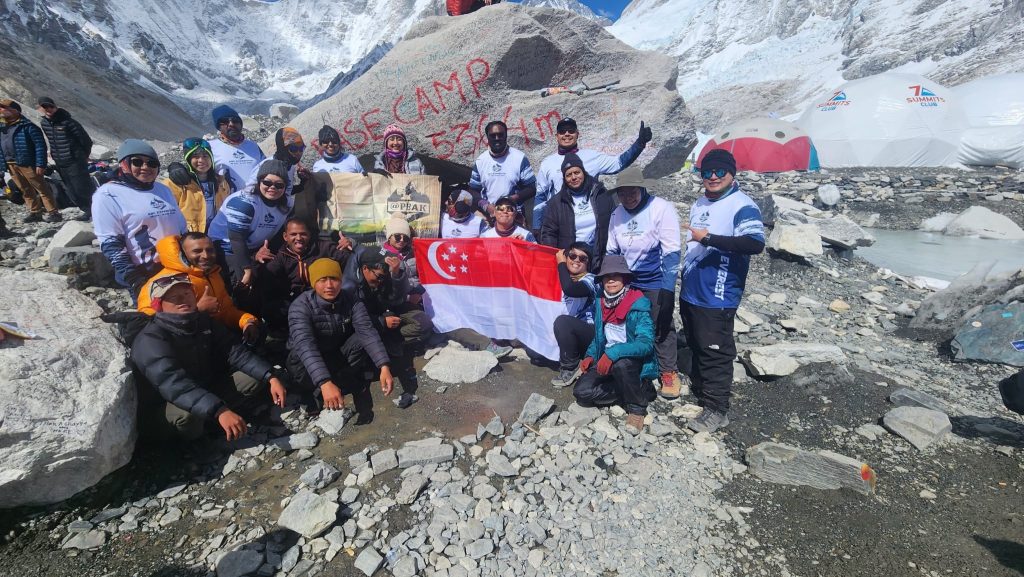
The Everest Base Camp Trek is Nepal’s most famous trekking adventure and one of the most recognized hiking routes in the world. The journey takes trekkers deep into the Khumbu region, passing Sherpa villages, suspension bridges, Buddhist monasteries, and Himalayan landscapes before reaching the base of Mount Everest itself. The trail offers breathtaking views of Everest, Lhotse, Ama Dablam, and other towering peaks that make the experience unforgettable. For many trekkers, reaching Everest Base Camp is not just a physical challenge; it is a lifelong dream and a personal achievement.
Annapurna Circuit
The Annapurna Circuit Trek is famous for its incredible variety of landscapes and cultures. Trekkers walk through subtropical forests, rivers, waterfalls, dry mountain deserts, and high Himalayan passes all in one journey. The crossing of Thorong La Pass at over 5,400 meters is one of the biggest highlights of the trek. What makes the Annapurna Circuit special is how vividly the scenery changes from one region to another, giving trekkers a complete Himalayan experience.
Annapurna Base Camp
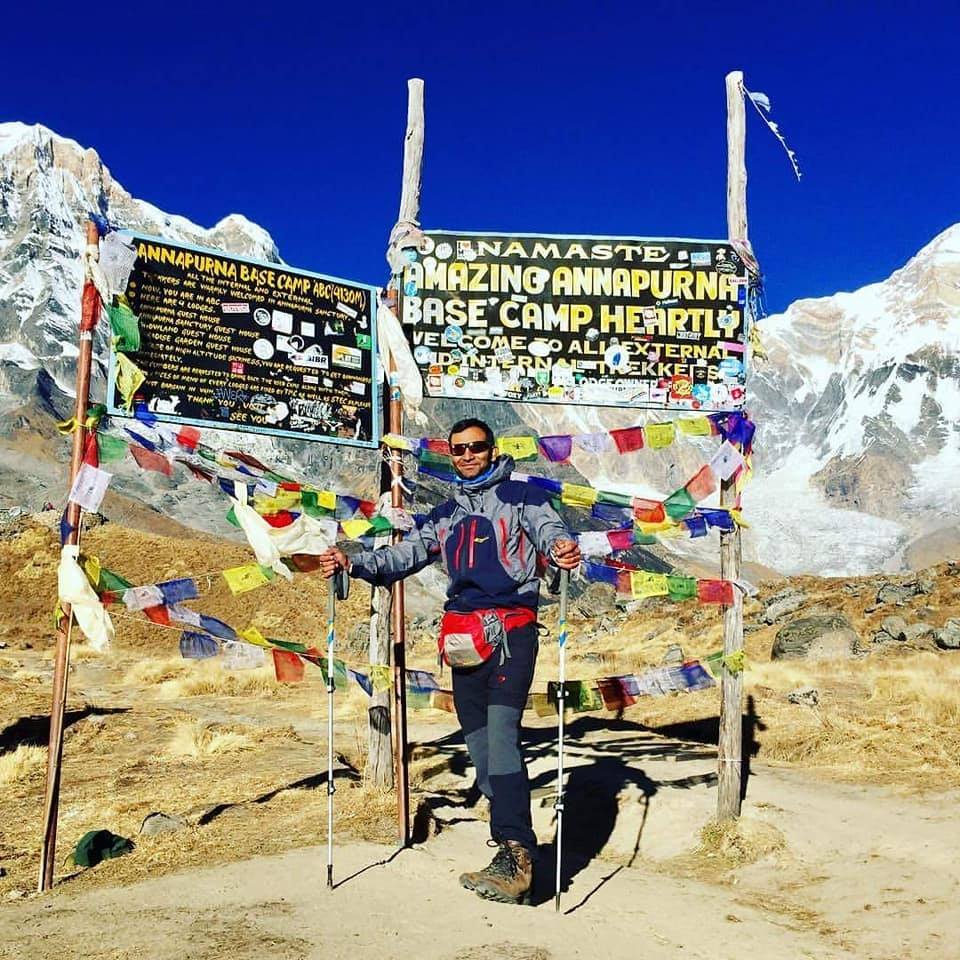
The Annapurna Base Camp Trek is one of the most loved trekking routes in Nepal because it combines stunning mountain views with relatively accessible trails. The journey passes through charming Gurung villages, terraced farms, stone steps, rhododendron forests, and peaceful river valleys before opening into the exceptional Annapurna Sanctuary surrounded by snow-covered peaks. Trekkers are rewarded with close-up views of Annapurna I, Machhapuchhre, Hiunchuli, Annapurna South and other Himalayan giants. It is often considered one of the best treks for travelers looking for both adventure and cultural beauty.
Langtang Valley
Located north of Kathmandu near the Tibetan border, the Langtang Valley Trek is famous for its peaceful atmosphere, rich Tamang culture, and beautiful mountain scenery. Unlike some of Nepal’s busier trekking routes, Langtang offers a quieter and more personal trekking experience. The trail passes through forests filled with rhododendrons and bamboo before opening into wide alpine valleys surrounded by snowy peaks. Many trekkers love Langtang because it feels authentic, less commercialized, and deeply connected to local mountain life.
Manaslu Circuit
The Manaslu Circuit Trek has become increasingly popular among trekkers looking for remote Himalayan adventures away from crowded trails. Circling Mount Manaslu, the world’s eighth-highest mountain, this trek offers dramatic landscapes, ancient Buddhist culture, suspension bridges, glacier rivers, and remote mountain villages. The crossing of Larkya La Pass is considered one of the most scenic high passes in Nepal. Because the region remains relatively untouched compared to Everest and Annapurna, many trekkers describe the Manaslu Circuit as one of the most raw and authentic trekking experiences in Nepal.
Mardi Himal
The Mardi Himal Trek is one of Nepal’s fastest-growing trekking routes and is especially popular among travelers looking for shorter Himalayan adventures. Located near the Annapurna region, this trek offers stunning ridge-line walking with incredible views of Machhapuchhre, Annapurna South, and Hiunchuli. The trail moves through forests, traditional villages, and open mountain landscapes before reaching Mardi Himal Base Camp. Because it is shorter and less crowded than many classic treks, Mardi Himal has become a favorite choice for both beginners and experienced trekkers looking for peaceful mountain scenery.
Why International Travelers Love Hiking in Nepal
There are many beautiful mountain destinations around the world, but few places offer the kind of experience travelers find while hiking in Nepal. Every year, thousands of trekkers from Europe, North America, Australia, and Asia visit Nepal not just for the mountains, but for the feeling the country gives them. From breathtaking Himalayan landscapes to warm local hospitality, trekking in Nepal offers a mix of adventure, culture, simplicity, and human connection that is difficult to match anywhere else.
One of the biggest reasons international travelers choose Nepal is affordability. Compared to hiking destinations in Europe like the Alps or the Dolomites, trekking in Nepal is considered far more budget-friendly while still offering world-class mountain experiences. Accommodation, local transportation, guides, porters, and food are generally much cheaper than many Western trekking destinations. This allows travelers to experience multi-day Himalayan adventures without spending extremely high amounts of money. Despite being affordable, the experience itself often feels richer and more personal because of the close interaction with local communities and nature.
Of course, the mountains themselves are one of the biggest attractions. Nepal is home to some of the most dramatic landscapes on Earth. Trekkers walk beneath towering snow-covered peaks, cross suspension bridges above deep rivers, pass glaciers and waterfalls, and watch sunrise views over the Himalayas that many describe as life-changing. Regions like Everest Base Camp and Annapurna Base Camp have become iconic not only because of their mountain scenery, but because the trails feel raw, natural, and deeply immersive.
Another reason travelers fall in love with Himalayan trekking is the culture found along the trails. Unlike many hiking routes in other countries, trekking paths in Nepal pass through villages where people still live traditional mountain lifestyles. Trekkers can experience Sherpa, Gurung, Tamang, and Tibetan-influenced cultures while visiting monasteries, prayer walls, local homes, and ancient settlements surrounded by mountains. This cultural connection turns trekking into something much more meaningful than simply walking from one place to another.
Food and tea house culture also play a huge role in the trekking experience. After long hours on the trail, simple mountain meals and warm dining halls become some of the most memorable moments of the journey. Tea houses across Nepal’s trekking routes offer local dishes like dal bhat, noodles, soups, momos, Tibetan bread, and milk tea that help trekkers recharge while also experiencing local flavors. Sitting around a fire, talking with other trekkers, guides, and locals, creates a sense of community that many travelers remember long after the trek ends.
What truly makes Nepal adventure tourism special is how it combines physical adventure with emotional and spiritual experiences. Many trekkers describe feeling calmer, more connected, and mentally refreshed while walking through the Himalayas. The sound of prayer flags in the wind, peaceful monasteries on remote hillsides, and the slower rhythm of mountain life give trekking in Nepal a spiritual atmosphere that goes beyond ordinary travel. For many international visitors, the journey becomes as much about inner reflection as it is about reaching a destination.
Travelers also frequently praise the friendliness of Nepali guides, porters, and trekking communities. Local guides are often admired for their knowledge, resilience, and hospitality. Many trekkers say the kindness they receive from local people becomes one of the strongest reasons they want to return to Nepal again. In a world where travel is becoming increasingly commercialized, Nepal still offers experiences that feel genuine, personal, and human, and that is exactly why so many international travelers continue choosing Nepal for hiking and trekking adventures year after year.
Impact of the Award on Nepal Tourism
Nepal being recognized as the “Top Hiking Destination” at the Diplomatic Travel Awards 2026 is more than just an international achievement; it could have a major impact on the future of tourism in the country. In today’s travel industry, global recognition plays a huge role in influencing where people choose to travel next. Awards like this help place Nepal in front of international travelers who are searching for authentic adventure experiences, mountain journeys, and nature-based tourism. For a country already famous for Himalayan trekking, this recognition further strengthens Nepal’s position as one of the world’s leading adventure destinations.
One of the biggest impacts of the award is increased international visibility. Travel companies, bloggers, tour operators, and global travel media often pay close attention to international tourism awards when recommending destinations to travelers. As news of Nepal’s achievement spreads across the tourism industry, more travelers are likely to start researching hiking in Nepal and planning trekking holidays in the Himalayas. Tourism experts believe this recognition could attract a new wave of adventure travelers, especially from countries where trekking and outdoor travel are becoming increasingly popular.
The coming trekking seasons may also see a noticeable rise in visitor numbers across popular trekking regions such as Everest Base Camp, Annapurna Base Camp, Langtang Valley, and Manaslu Circuit. Many travelers today actively look for destinations that have recently gained international recognition because it creates a sense of trust and excitement. Nepal’s latest award may encourage both first-time trekkers and experienced hikers to finally choose the Himalayas for their next big adventure.
The benefits of growing tourism extend far beyond trekking companies and hotels in Kathmandu. Nepal’s trekking industry supports thousands of local people living in mountain regions. Guides, porters, tea house owners, cooks, jeep drivers, local farmers, and small business owners all depend heavily on trekking tourism for income and employment. When more trekkers visit Nepal, remote mountain communities often see direct economic benefits. In many Himalayan villages, trekking tourism has helped support education, healthcare access, local businesses, and infrastructure improvements over the years.
At the same time, this international recognition also brings attention to the importance of sustainable tourism in Nepal. As trekking routes continue becoming more popular, there is growing awareness about protecting mountain environments, preserving local culture, and promoting responsible travel practices. Organizations, local communities, and tourism authorities have increasingly focused on waste management, eco-friendly tea houses, trail conservation, and community-based tourism initiatives across trekking regions. Many travelers today are not only looking for adventure but also want to support destinations that value sustainability and responsible tourism.
In many ways, this award reflects how Nepal adventure tourism is evolving. Nepal is no longer seen only as a destination for extreme climbers and mountaineers. It is now being recognized globally as a place where travelers can experience nature, culture, hospitality, and meaningful adventures in a responsible and sustainable way. For Nepal’s tourism industry, this recognition could mark another important step toward becoming one of the world’s most respected destinations for trekking and outdoor travel.
Challenges Nepal Must Still Address
While Nepal’s recognition as the “Top Hiking Destination” is a proud achievement, it also brings greater responsibility. As trekking in Nepal continues growing in popularity, the country faces several important challenges that need attention to protect both the mountains and the communities that depend on tourism. Many travelers today are becoming more conscious about sustainability, safety, and responsible travel, which means Nepal’s tourism industry, must continue improving alongside its growing international reputation.
One of the biggest concerns in popular trekking regions is waste management on the trails. Areas like Everest Base Camp and Annapurna Base Camp attract thousands of trekkers every year, and with that comes increasing amounts of plastic bottles, food packaging, and other waste. Local governments, trekking organizations, and mountain communities have already started cleanup campaigns and waste reduction programs in many regions, but managing waste in remote Himalayan environments remains a difficult challenge. Protecting the beauty of the Himalayas is essential not only for tourism but also for the future of local ecosystems and mountain communities.
Sustainable trekking has also become an important topic in Nepal adventure tourism. Travelers are increasingly looking for eco-friendly trekking experiences that respect local culture and minimize environmental impact. Many tea houses and trekking operators have started using solar energy, reducing single use plastics, and promoting refillable water systems to encourage more sustainable travel practices. However, as visitor numbers continue growing, balancing tourism growth with environmental protection will remain one of Nepal’s biggest long term challenges.
Safety and rescue systems are another area where Nepal continues working toward improvement. Himalayan trekking can be physically demanding, and weather conditions in the mountains can change very quickly. Although Nepal has experienced guides, helicopter rescue services, and growing trekking regulations, there are still concerns about emergency response systems, altitude sickness awareness, trail safety, and unauthorized trekking operators in some regions. In recent years, authorities have introduced stricter trekking rules and stronger monitoring systems to improve traveler safety and reduce risks in remote mountain areas.
Infrastructure development is another important challenge for Nepal’s tourism future. While many trekkers love Nepal for its raw and authentic mountain experience, some trekking regions still face issues related to roads, internet access, sanitation, transportation, and healthcare facilities. Better infrastructure can improve safety and comfort for travelers while also supporting local communities living in remote Himalayan areas. At the same time, there is ongoing debate about how much development should happen in mountain regions without damaging the natural beauty and traditional culture that make trekking in Nepal so unique.
Responsible tourism will likely play the biggest role in shaping the future of hiking in Nepal. Travelers, guides, trekking companies, and local communities all share responsibility for protecting the Himalayas. Simple actions like respecting local culture, reducing waste, supporting local businesses, and trekking responsibly can make a major difference in preserving Nepal’s mountain regions for future generations. Many tourism experts believe Nepal now has an opportunity to become not only one of the world’s best trekking destinations but also a global example of sustainable mountain tourism.
Despite these challenges, Nepal’s strength has always been its resilience. The country continues adapting, improving, and finding ways to balance tourism growth with environmental and cultural preservation. As more travelers discover the beauty of Himalayan trekking, addressing these challenges carefully will help ensure that Nepal remains one of the world’s most loved adventure destinations for many years to come.
Why 2026 Is the Perfect Time to Trek in Nepal
There has probably never been a better time to experience trekking in Nepal than right now. With global recognition growing, improved trekking facilities, and rising international interest after Nepal was named the “Top Hiking Destination” at the Diplomatic Travel Awards 2026, 2026 is shaping up to be one of the most exciting years yet for Himalayan adventure travel. For travelers dreaming about mountain landscapes, cultural experiences, and unforgettable journeys, Nepal is once again becoming one of the world’s most talked-about trekking destinations.
One of the biggest reasons to visit Nepal in 2026 is the country’s incredible trekking seasons. Nepal offers two major trekking windows that are considered among the best in the world for mountain hiking, spring and autumn. During spring, especially from March to May, trekking trails come alive with blooming rhododendron forests, clear mountain views, and comfortable temperatures. Autumn, from September to November, is equally popular because of stable weather, fresh air after the monsoon season, and crystal-clear Himalayan scenery. These seasons create ideal conditions for famous trekking routes like Everest Base Camp, Annapurna Base Camp, and Manaslu Circuit.
Trekking facilities across Nepal have also improved significantly in recent years. Many popular trekking regions now offer better tea houses, improved trail marking, more reliable internet access, upgraded accommodation options, and stronger trekking support services than ever before. While Nepal still keeps its raw mountain charm and authentic trekking atmosphere, travelers today can enjoy greater comfort and convenience during their Himalayan adventures. Improved transportation access and expanded rescue coordination systems have also helped make trekking more accessible for international visitors.
Another reason 2026 feels special is Nepal’s growing global recognition in the travel industry. Over the last few years, Nepal has continued gaining attention at international tourism events, travel expos, and adventure travel awards. Being honored as the “Top Hiking Destination” has further strengthened Nepal’s image as one of the best places in the world for hiking and outdoor adventure. This kind of international recognition creates excitement among travelers who may have been considering Nepal for years but are now finally deciding to make the trip.
There is also a noticeable rise in post-award travel interest surrounding hiking in Nepal. Travel companies, trekking agencies, influencers, and adventure travel communities are increasingly highlighting Nepal as a must-visit destination for 2026. Many travelers are now searching for experiences that feel meaningful, adventurous, and connected to nature, and Nepal offers exactly that. From peaceful mountain villages and ancient monasteries to vivid Himalayan landscapes, the trekking experience in Nepal feels very different from crowded tourist destinations around the world.
For many travelers, trekking in Nepal is not just another holiday. It becomes a personal journey filled with challenges, breathtaking moments, cultural discovery, and unforgettable memories. Whether someone dreams of reaching Everest Base Camp, walking through the Annapurna region, or exploring quieter trails like Langtang Valley and Mardi Himal, 2026 offers the perfect opportunity to experience the Himalayas at a time when Nepal is receiving global attention and renewed appreciation from the travel world.
As international interest continues growing after Nepal’s latest tourism award, many trekking experts believe the coming years could become a defining period for Nepal adventure tourism. For travelers looking for real adventure, genuine hospitality, and some of the most beautiful mountain scenery on Earth, Nepal remains one of the few places that truly lives up to the hype.
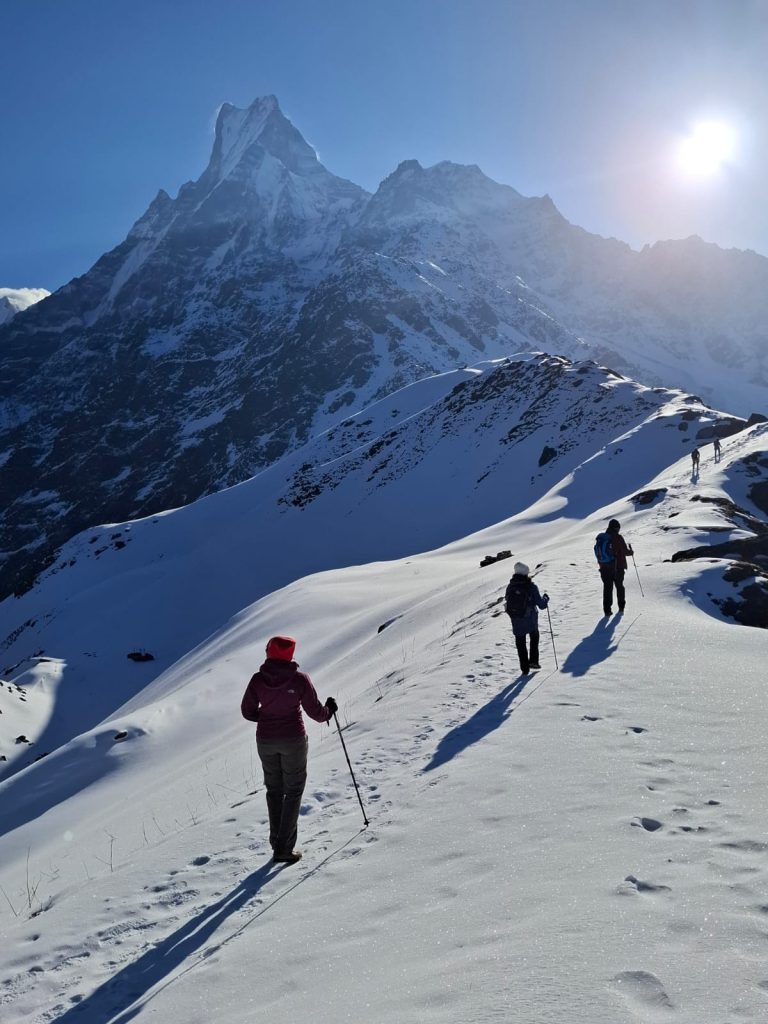
Nepal’s recognition as the “Top Hiking Destination” at the Diplomatic Travel Awards 2026 is a proud moment not just for the tourism industry, but for the entire country. But for people who have already experienced trekking in Nepal, this award does not come as a surprise. Travelers, climbers, and hikers have been falling in love with Nepal’s mountains, trails, and people for decades. The world is simply recognizing what trekkers have quietly known for years, Nepal offers one of the most unforgettable adventure experiences on Earth.
What makes hiking in Nepal truly special is that it goes far beyond mountains and trekking routes. Yes, the Himalayas are breathtaking. Standing beneath peaks like Everest and Annapurna is something many people dream about for a lifetime. But the real magic of Nepal is found in the small moments along the journey, sharing tea in a mountain tea house, hearing prayer flags flutter in the wind, watching sunrise over snowy peaks, and meeting local people whose warmth stays with travelers long after the trek ends.
In Nepal, trekking becomes more than physical adventure. It becomes an experience of culture, nature, spirituality, and human connection all at once. From the remote trails of Manaslu Circuit to the famous paths leading to Everest Base Camp, every region offers stories, emotions, and memories that feel deeply personal. That emotional connection is one of the biggest reasons why so many trekkers return to Nepal again and again.
As global recognition for Nepal adventure tourism continues growing, the future of Himalayan trekking in Nepal looks brighter than ever. At the same time, this recognition also reminds travelers and tourism leaders about the importance of protecting the mountains, supporting local communities, and promoting responsible travel for future generations.
For anyone searching for real adventure, meaningful travel, and some of the most beautiful mountain landscapes in the world, Nepal continues to stand in a category of its own. The mountains are waiting, the trails are calling, and the experience is unlike anywhere else on Earth.