-
Drive/Flight
-
1-16
-
6,119m
-
Prior trek experience required
-
Kathmandu
-
Kathmandu
-
Spring/Autumn
-
Trekking/Climbing
-
English
-
Provided
-
Breakfast/Lunch/Dinner
-
Hard
Everest Base Camp and Lobuche Peak Climb – Complete Guide
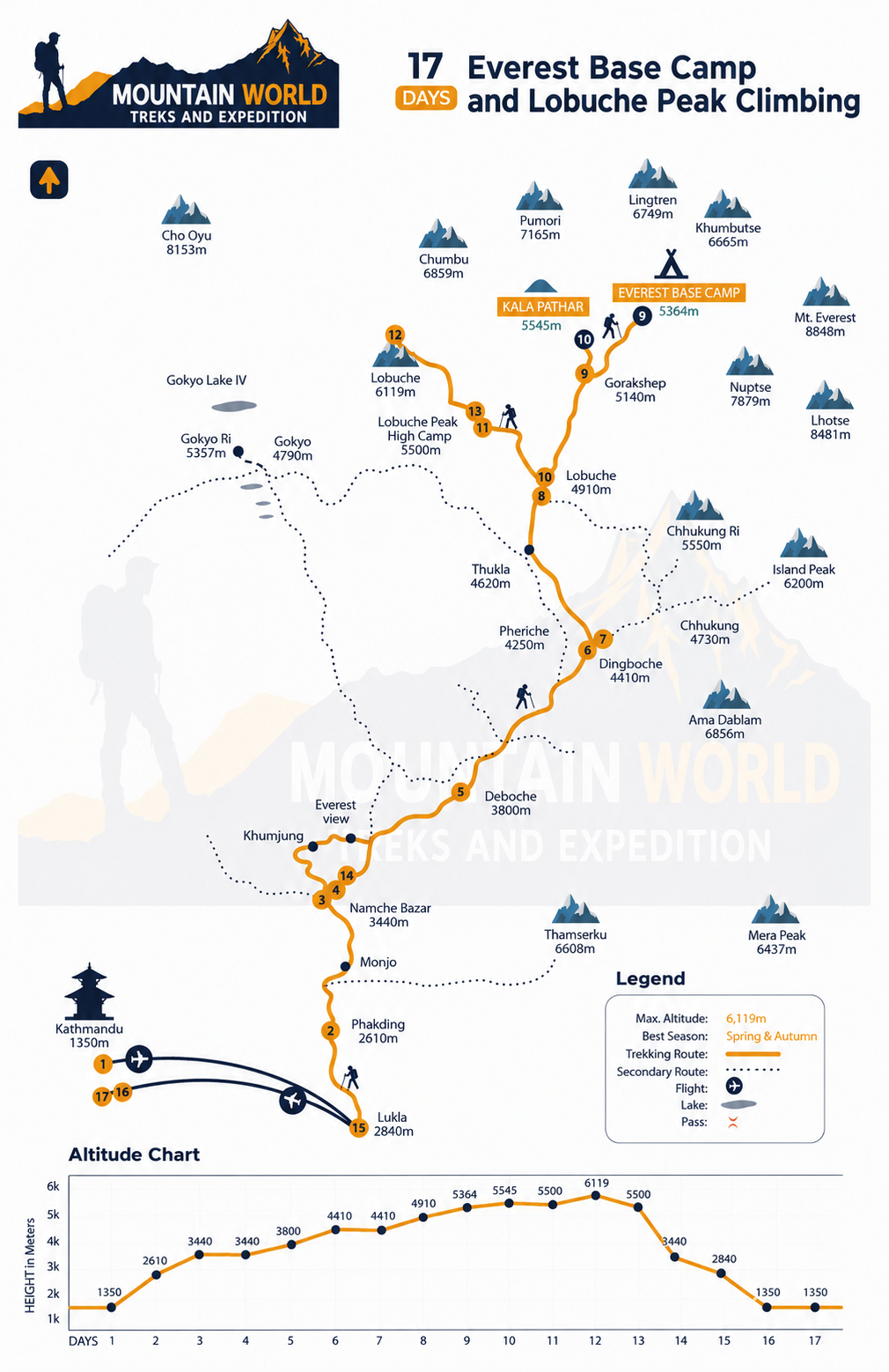
The Everest Base Camp and Lobuche Peak Climb is one of Nepal’s most rewarding Himalayan adventures, combining the world-famous Everest Base Camp Trek with the ascent of Lobuche East Peak (6,119m).
This journey takes you through the heart of the Khumbu region, following the classic Everest trail through Sherpa villages, ancient monasteries, and spectacular mountain landscapes before reaching Everest Base Camp (5,364m) and the summit of Lobuche East.
Everest Base Camp sits at the foot of Mount Everest on the Khumbu Glacier and is one of the most sought-after trekking destinations in the world. Along the route, trekkers pass iconic locations such as Namche Bazaar, Tengboche Monastery, Dingboche, and Lobuche while enjoying breathtaking views of Everest, Lhotse, Nuptse, Ama Dablam, Pumori, and Cho Oyu. The trail offers a unique blend of Himalayan scenery, Sherpa culture, and high-altitude adventure.
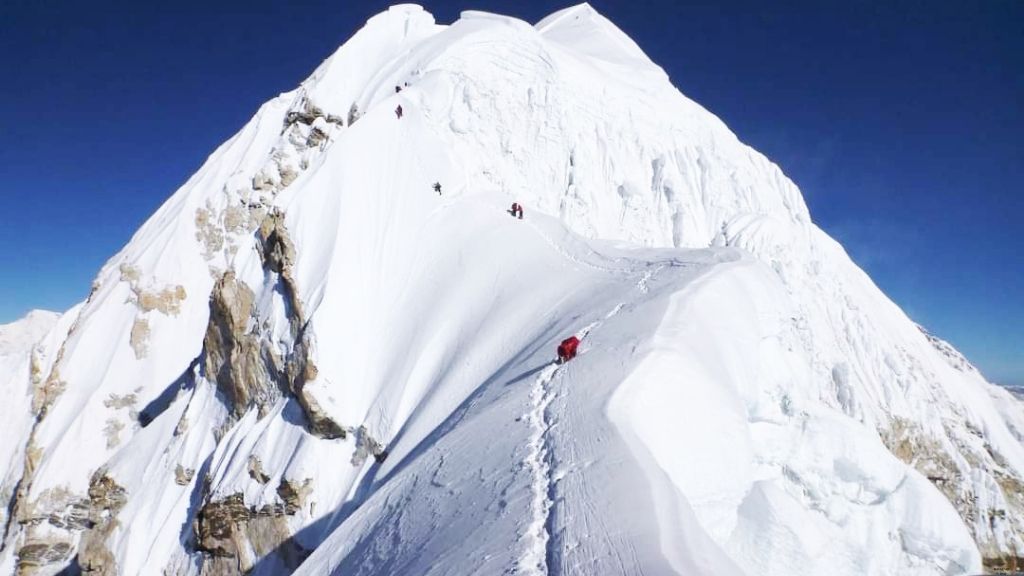
Lobuche East Peak is a popular trekking peak located near Everest Base Camp and is considered an excellent introduction to Himalayan mountaineering. The climb involves rocky terrain, glacier travel, and a rewarding summit ridge, making it more challenging than a standard trek.
From the summit, climbers are rewarded with panoramic views of Everest, Lhotse, Nuptse, Makalu, Cho Oyu, and the surrounding Himalayan giants. With gradual acclimatization along the Everest Base Camp route, this combined trek and climb offers the perfect balance of trekking, peak climbing, and mountaineering experience in the Everest region of Nepal.
Why Combine Everest Base Camp and Lobuche Peak Climb?
- Perfect acclimatization profile: the EBC trek takes you gradually to 5,545m (Kala Patthar) before the summit push, giving your body exceptional altitude adaptation
- Same route, no detour: Lobuche village is on the main EBC trail; no significant deviation from the classic trek is required
- Stunning summit views: Lobuche East’s summit offers a 360-degree panorama of Everest, Lhotse, Nuptse, Makalu, Cho Oyu, Pumori, Ama Dablam, and the full sweep of the Khumbu valley
- Genuine mountaineering: more technical and less crowded than Island Peak, Lobuche East has a wilder, more alpine character
- Maximum value: cover the world’s most famous trek AND summit a real 6,000m Himalayan peak in a single trip
- Unique achievement: fewer trekkers attempt Lobuche East than Island Peak, making the summit a more exclusive accomplishment.
Is EBC and Lobuche Peak Right for You?
This expedition is not for everyone, and that is a good thing. Being honest about who this trip suits helps you make the right decision and arrive properly prepared.
You are a strong candidate if you:
- Have completed a multi-day trek at altitude, Annapurna Circuit, Kilimanjaro, EBC trek, or equivalent
- Can comfortably hike 6-8 hours per day with a daypack over multiple consecutive days
- Have no serious heart, lung, or blood pressure conditions (consult your doctor before booking)
- Are comfortable with exposed ridges and heights, Lobuche East’s summit ridge is narrow and airy
- Are willing to commit to a 12-week training programme before departure
- Understand that turning back due to weather or AMS is a responsible and respected decision, not a failure
- Are prepared for basic tea house conditions – shared bathrooms, simple food, cold nights
You may need more preparation if you:
- Have never trekked above 4,000m before
- Cannot currently hike for more than 3-4 hours without significant fatigue
- Have experienced severe altitude sickness (HACE or HAPE) on a previous trip
- Have less than 10 weeks before your departure date to train
- Are uncomfortable with the idea of wearing crampons and using fixed ropes at height
This trip is not suitable if you:
- Have a serious cardiovascular or respiratory condition not cleared by a doctor
- Are not willing or able to turn back if your guide recommends it
- Expect hotel-standard accommodation throughout – this is a genuine expedition
Not sure if you’re ready? Contact us before booking. Our guides are happy to assess your experience and fitness level honestly and suggest whether this trip or an alternative – such as the standard EBC trek or Mera Peak Climb – is the better fit for you right now. We would rather help you choose the right trip than have you struggle on the wrong one.
Difficulty Level & Physical Requirements for Lobuche Peak Climbing
Overall Grade: Strenuous to Technically Challenging
| Section | Difficulty | Notes |
| Kathmandu to Namche Bazaar | Moderate | Good trail, steep final section |
| Namche to EBC and Kala Patthar | Strenuous | High altitude, long days, cold nights |
| Lobuche East Climbing | Technical / Challenging | Glacier, mixed ridge, exposed summit |
Physical Requirements
- Strong cardiovascular fitness and endurance for trekking 6–8 hours daily at high altitude.
- Previous trekking experience above 4,000m is highly beneficial.
- No advanced mountaineering experience is required, but basic climbing skills are an advantage.
- Comfortable walking on steep, exposed terrain and narrow ridges.
- Ability to carry a daypack while trekking and climbing in alpine conditions.
- Mental resilience to cope with cold temperatures, changing weather, and long summit days.
How Difficult is Lobuche Peak Climb?
Lobuche East Peak (6,119m) is considered one of Nepal’s more technical trekking peaks. Compared to Island Peak, it features a steeper summit section, more exposed ridgelines, and greater use of fixed ropes.
Climbers must navigate rocky terrain, snow slopes, and glacier sections before reaching the summit. While achievable for fit trekkers with proper preparation, the climb demands good fitness, acclimatization, and determination.
Best Season to Climb Everest Base Camp and Lobuche peak Climbing
Pre-Monsoon / Spring: March – May (Best)
The most popular and logistically ideal season. April and May offer stable weather, clear skies, and the electric atmosphere of active Everest expedition season at Base Camp. Rhododendrons bloom below 4,000m, and the higher reaches are bathed in clear spring light. The summit window on Lobuche East is most reliable in late April and early May.
Post-Monsoon / Autumn: September – November (Excellent)
The second premier season, with October considered by many to be the single finest trekking month in Nepal. The post-monsoon sky is washed clean and views are crystal sharp. Slightly colder above 5,000m than spring. September is quieter on the trail; October is busy; November is cold but beautifully clear.
Winter: December – February (Possible for experienced parties)
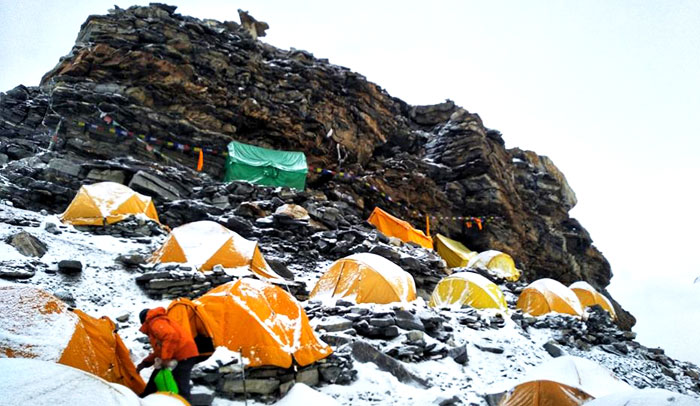
Extremely cold above 5,000m, temperatures at Lobuche Base Camp can drop below -25°C at night. Some teahouses above Namche close in winter. Not recommended for most trekkers. Technical rock on Lobuche East’s upper ridges can be ice-covered, increasing difficulty significantly.
Monsoon: June – August (Not recommended)
Heavy rain, obscured views, leeches on lower trails, and unstable conditions on high-altitude rock and glacier. Lobuche East summit attempts are not advisable during monsoon.
Altitude Sickness Info For EBC and Lobuche peak climb
Altitude sickness (AMS: Acute Mountain Sickness) is a real consideration above 3,000m and a serious danger above 5,000m. Our carefully structured itinerary includes two full acclimatisation days (Namche at 3,440m and Dingboche at 4,360m) to allow your body to adapt progressively.
Symptoms of AMS to watch for:
- Persistent headache, especially at night
- Nausea or vomiting
- Extreme fatigue unrelated to exertion
- Loss of appetite
- Dizziness or confusion
Prevention guidelines:
- Ascend gradually, never skip acclimatisation days
- Drink 3 to 4 litres of water daily throughout the trek
- Avoid alcohol, sedatives, and heavy exertion on the first days at each new altitude
- Consider Diamox (Acetazolamide, 125 to 250mg twice daily), consult your doctor before departure
Our guides carry pulse oximeters and monitor blood oxygen levels daily above 4,000m. If any trekker shows signs of High-Altitude Cerebral Oedema (HACE) or High-Altitude Pulmonary Oedema (HAPE), descent is immediate and non-negotiable. Emergency helicopter evacuation is available from Lobuche and Gorak Shep.
Highlights of Everest Base Camp and Lobuche Peak Climb
- Stand at Everest Base Camp (5,364m): the home ground for Everest summit attempts
- Summit Lobuche East Peak (6,119m): one of Nepal’s finest trekking peaks with extraordinary views
- See Everest, Lhotse, Nuptse, Makalu, Cho Oyu, Pumori, and Ama Dablam up close
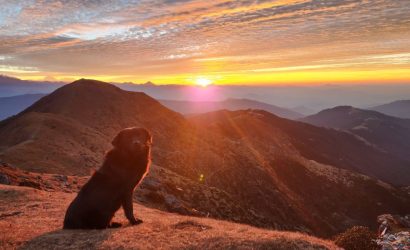
- Sunrise views from Kala Patthar (5,545m): the most celebrated viewpoint in the Himalayas
- Visit Tengboche Monastery: the spiritual heart of the Khumbu at 3,867m
- Witness the Khumbu Icefall and Khumbu Glacier at close range
- Fly in and out of Lukla (Tenzing-Hillary Airport): one of the world’s most dramatic mountain runways