-
Car and Flight
-
1-16
-
5143m
-
Kathmandu
-
Kathmandu
-
Spring & Autumn
-
Trekking
-
English
-
3 Meals/Day
-
Provided
-
Good stamina & Endurance needed
Introduction to Kanchenjunga Circuit Trek 2026
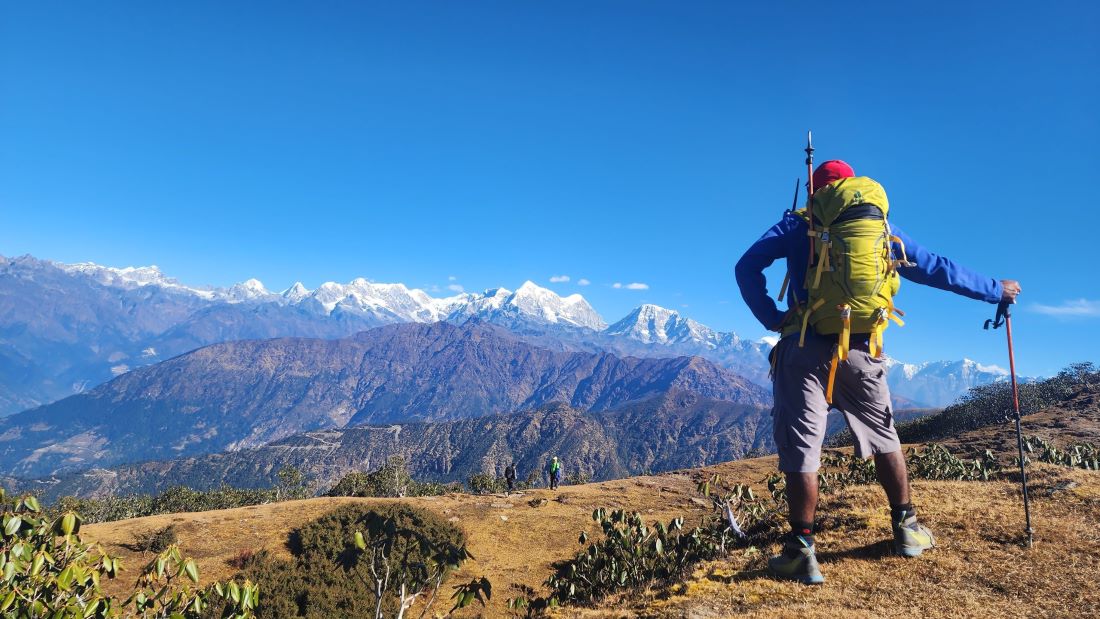
Kanchenjunga Circuit Trek is a remote trekking route in eastern Nepal that circles Mount Kanchenjunga (8,586m), the world’s third-highest peak. It is a quiet, less-crowded Himalayan trek known for wild nature, mountain views, and authentic village culture.
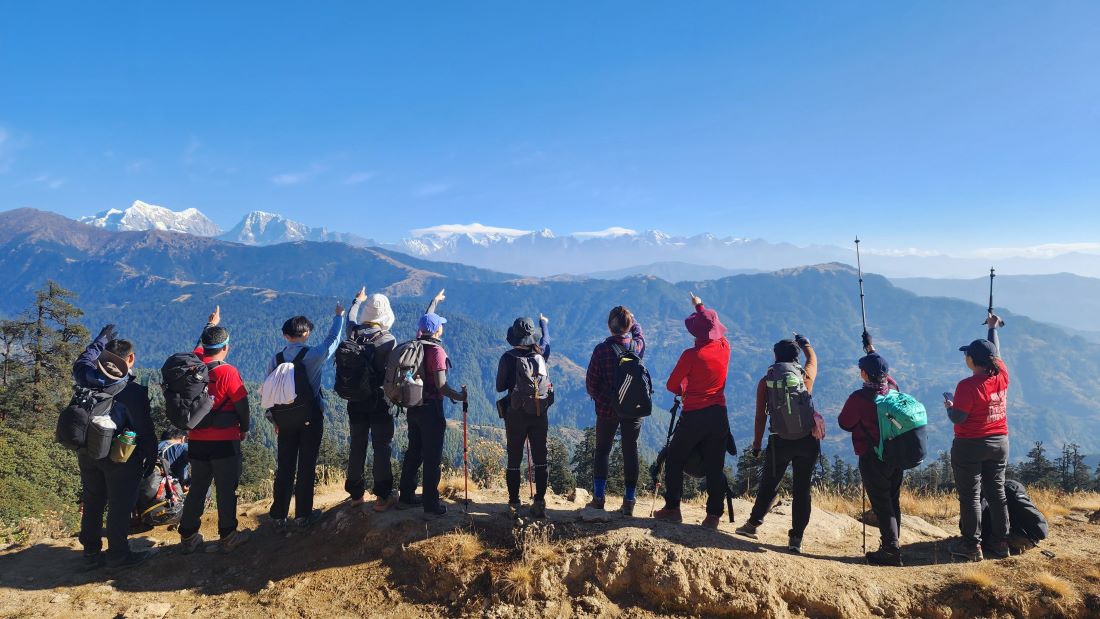
This trek takes you through deep valleys, green forests, high mountain passes, and traditional villages of the Limbu, Rai, and Sherpa communities, offering both natural beauty and rich culture in one journey. Unlike popular trails, Kanchenjunga is peaceful, wild, and untouched which is ideal for real adventure lovers. It is challenging but highly rewarding, making it one of the most beautiful hidden trekking routes in Nepal.
If you want a true Himalayan experience away from crowds, the Kanchenjunga Circuit Trek in Nepal is the perfect choice.
Why Choose Kanchenjunga Circuit Trek 2026?
The Kanchenjunga Circuit Trek is ideal for trekkers looking for a remote and peaceful Himalayan adventure in Nepal. It offers untouched nature, cultural richness, and fewer crowds. The key reasons to choose this trek:
- Less crowded and peaceful trekking route in Nepal
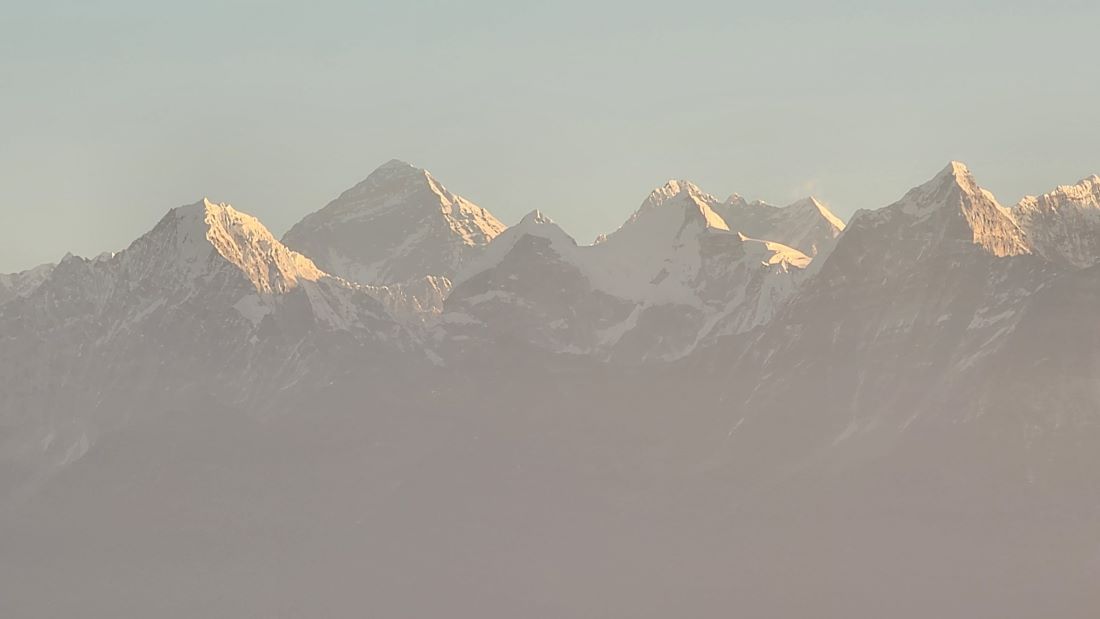
- Close views of Mount Kanchenjunga (8,586m)
- Rich culture of Limbu, Rai, and Sherpa villages
- Diverse landscapes: forests, valleys, and glaciers
- Perfect for real adventure and wilderness lovers
Kanchenjunga Circuit Trek 2026- Quick Overview
Category Details
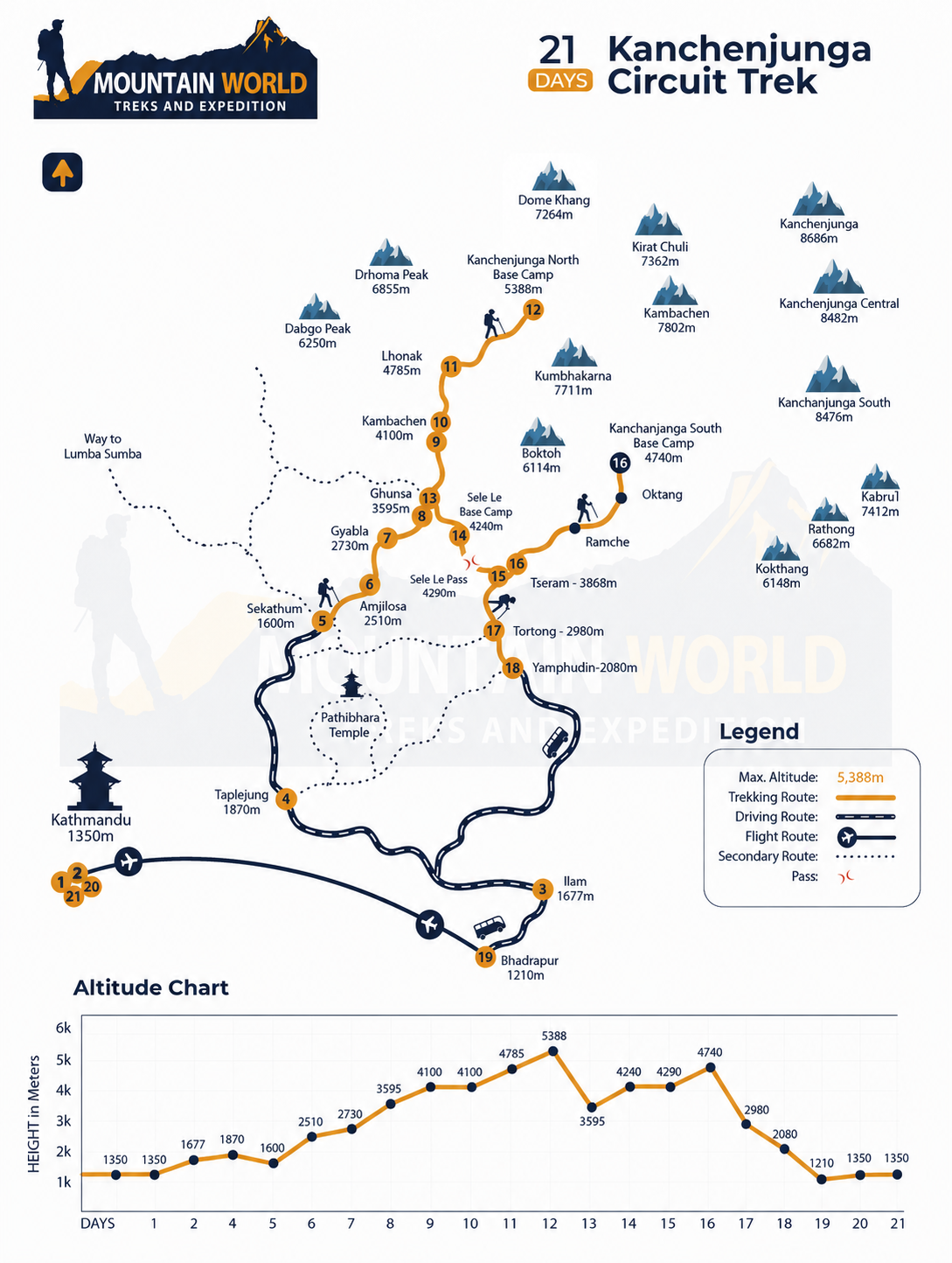
Location Eastern Nepal (Taplejung, near India & Tibet border)
Maximum Altitude 5,143m (Pangpema / North Base Camp)
Duration 18 to 25 days
Difficulty Challenging / Remote high-altitude trek
Best Season Spring (Mar to May) & Autumn (Sep to Nov)
Trek Type Remote circuit trek (North & South Base Camp)
Starting Point Taplejung (via flight/drive from Kathmandu)
Accommodation Basic teahouses, very limited facilities
Permits Restricted Area Permit + Kanchenjunga Conservation Area Permit
Guide Mandatory licensed guide required
Main Highlights Kanchenjunga Base Camps, Glaciers, Remote Villages, Wild nature
Crowd Level Very low (one of the quietest treks in Nepal)
Best Season for Kanchenjunga Circuit Trek 2026
Spring (March to May)
Spring is one of the best times for the Kanchenjunga Circuit Trek in Nepal. The weather is generally stable, the skies are clear, and mountain views of Mount Kanchenjunga (8,586m) are sharp and beautiful. The trails come alive with blooming rhododendron forests, adding color to the remote Himalayan landscape. Temperatures are moderate, making long trekking days more comfortable.
Autumn (September–November)
Autumn is considered the most popular and best trekking season in Nepal. After the monsoon, the air becomes clean and the visibility is excellent. Trekkers can enjoy wide, uninterrupted views of the Kanchenjunga range along with stable weather conditions. The trails are dry and safe, making it perfect for high-altitude trekking and long circuit routes.
Winter (December–February)
Winter trekking in the Kanchenjunga region is possible but very challenging. The upper regions become extremely cold, especially above 4,000 meters, and heavy snowfall can block trails. However, lower sections are quieter and still scenic for experienced trekkers seeking solitude.
Monsoon (June to August)
Monsoon season is the least recommended time for the Kanchenjunga Circuit Trek in eastern Nepal. Heavy rainfall causes slippery trails, leeches in lower forests, and possible landslides in remote areas. Mountain views are often blocked by clouds, making trekking difficult and less enjoyable.
Spring and autumn are the best seasons for the Kanchenjunga Circuit Trek due to clear views, safe trails, and ideal trekking conditions in the eastern Himalayas of Nepal.
Food & Accommodation on the Kanchenjunga Circuit Trek 2026
Accommodation on the Kanchenjunga Circuit Trek
Accommodation on the Kanchenjunga Circuit Trek in eastern Nepal is simple and traditional, as the region is remote and less developed. Most nights are spent in small teahouses or basic mountain lodges run by local families. Rooms usually have twin beds, warm blankets, and very basic furniture, with shared bathroom facilities in most villages.
As you move higher into places like Ghunsa, Khambachen, and Lhonak, the lodges become more basic due to the remoteness and cold climate. Heating is limited, and facilities are minimal, but the hospitality of local people makes the stay warm and welcoming. In some remote sections of the trek, camping may be required depending on the route and group arrangement.
Food on the Kanchenjunga Circuit Trek
Food on the trek is simple, fresh, and designed to provide enough energy for long walking days in the Himalayas. The most common meal is Dal Bhat (rice, lentils, and vegetables), which is highly nutritious and usually served in generous portions. It is the main source of energy for trekkers.
Along the trail, you will also find noodles, soups, fried rice, potatoes, and basic snacks in teahouses. In higher regions, Tibetan-style foods like momos, thukpa, and butter tea are more common. Hot drinks such as tea and coffee are available almost everywhere, which helps in cold mountain conditions.
Overall, accommodation and food on the Kanchenjunga Circuit Trek are basic but reliable, perfectly suited for a remote Himalayan adventure. Instead of luxury, the trek offers authentic village stays, local hospitality, and freshly cooked meals, which make the journey feel real and connected to nature.
Packing List for Kanchenjunga Circuit Trek 2026
Packing for the Kanchenjunga Circuit Trek in eastern Nepal is very important because the route is remote, long, and goes above 5,000 meters. You need to be fully prepared for cold weather, changing conditions, and basic facilities along the trail.
Clothing Essentials
The weather changes quickly in the Himalayas, so layering is the key. You should carry warm, light, and breathable clothing.
- Moisture-wicking base layers (top & bottom)
- Warm fleece or down jacket (high altitude essential)
- Waterproof and windproof jacket & pants
- Trekking pants (quick-dry type)
- Warm hat, sun hat, and neck buff
- Thermal gloves and warm wool socks
- Comfortable trekking t-shirts
Footwear
Good footwear is very important for long walking days on rocky and uneven trails.
- Strong waterproof trekking boots (broken-in)
- Light camp shoes or sandals for evenings
- Extra trekking socks (wool recommended)
Trekking Gear
These items help you stay comfortable and safe during the trek.
- Durable backpack (50 to 70L)
- Daypack (20 to 30L for daily use)
- Sleeping bag (rated for -10°C to -20°C)
- Trekking poles (highly recommended for steep sections)
- Headlamp with extra batteries
- Water bottles or hydration bladder
Personal Items & Toiletries
Basic hygiene is important even in remote areas.
- Sunscreen (high SPF)
- Lip balm (cold protection)
- Toothbrush & toothpaste
- Wet wipes and hand sanitizer
- Quick-dry towel
- Basic toilet paper
Health & Safety Items
Since this is a high-altitude trek, health preparation is essential. So, you will need:
- Personal first aid kit
- Altitude sickness medicine (consult doctor)
- Painkillers and basic medication
- Water purification tablets or filter
- Any personal prescription medicines
Important Documents
Do not forget essential travel and trekking documents.
- Passport (valid at least 6 months)
- Required trekking permits (RAP & KCAP)
- Travel insurance (must cover high altitude trekking)
- Passport-sized photos (for permits if needed)
Optional But Useful
These items can make your trek more comfortable.
- Power bank or solar charger
- Snacks (energy bars, chocolates, nuts)
- Camera or smartphone
- Light book or journal
- Binoculars for wildlife viewing
The Kanchenjunga Circuit Trek requires smart packing for cold, remote, and high-altitude conditions. Warm layers, strong boots, and essential gear are the most important for a safe and comfortable journey in the Himalayas.
Cost of Kanchenjunga Circuit Trek 2026
The Kanchenjunga Circuit Trek in Nepal is one of the most remote and restricted treks, so the cost is higher compared to other popular Himalayan routes. The price mainly depends on permits, long trekking duration, guide requirement, transportation, and the basic facilities available in eastern Nepal.
On average, the total cost for the Kanchenjunga Circuit Trek ranges from $1,800 to $3,500+ per person, depending on the level of service and group size. Budget packages are more basic, while higher-cost packages include better services, more comfort, and full support throughout the journey.
The Kanchenjunga Circuit Trek is a premium remote trekking experience in Nepal, and the cost reflects its long duration, restricted area rules, and challenging Himalayan terrain.
Difficulty Level & Physical Fitness Required: Kanchenjunga Circuit Trek
Difficulty Level
The Kanchenjunga Circuit Trek in Nepal is considered a challenging and remote high-altitude trek. It is not a beginner-friendly route because the trail is long, isolated, and includes steep ascents, rocky paths, and high mountain passes above 5,000 meters. You will also walk in very remote areas of eastern Nepal where facilities are basic and distances between villages are long.
This trek demands patience, slow walking, and mental strength. Weather can change quickly in the Kanchenjunga region, and some days involve long walking hours in rugged terrain. However, with proper preparation and a licensed guide, it is very achievable for experienced trekkers.
Physical Fitness Required
Good physical fitness is important for the Kanchenjunga Circuit Trekking route. Trekkers should be able to walk 5 to 7 hours daily for many consecutive days, sometimes on steep uphill or downhill trails.
Regular cardio training like walking, hiking, running, or cycling before the trek is highly recommended. Strength in legs and stamina for long-distance walking will make the journey much easier and more enjoyable.
You don’t need to be an athlete, but you should be comfortable with long trekking days at high altitude. Mental readiness is equally important, as this is a remote trek with limited comfort but rich Himalayan rewards.
The Kanchenjunga Circuit Trek is a challenging high-altitude adventure in Nepal that requires good fitness, stamina, and mental preparation, but it rewards trekkers with one of the most untouched and beautiful Himalayan experiences.
Permits & Regulations: Kanchenjunga Circuit Trek 2026
1. Required Permits for Kanchenjunga Trek
The Kanchenjunga Circuit Trek in Nepal requires special permits because it lies in a restricted and protected Himalayan region. Trekkers must carry:
- Restricted Area Permit (RAP) for Kanchenjunga region entry
- Kanchenjunga Conservation Area Permit (KCAP) for environmental protection
Both permits must be arranged through a registered trekking agency in Nepal.
These permits are checked at different points along the trail, especially in Taplejung and Ghunsa.
2. Restricted Area Rules
Kanchenjunga is a restricted trekking zone in eastern Nepal, so independent trekking is not allowed. The government has strict rules to ensure safety and proper management of this remote region.
- Solo trekking is strictly not permitted
- A licensed trekking guide is mandatory
- Trekkers must book through a registered trekking company
- Free or independent trekking is not allowed in this region
3. Conservation Area Regulations
The trek passes through the Kanchenjunga Conservation Area, which is rich in wildlife and natural beauty. Trekkers must follow eco-friendly rules to protect the environment.
- Do not disturb wildlife like red panda and snow leopard
- Avoid littering; carry waste back with you
- Respect forests, rivers, and natural surroundings
- Do not damage plants or cultural heritage sites
4. Permit Checkpoints on the Trail
There are multiple official checkpoints during the trek where permits are verified. These ensure controlled access to the region.
- Checkpoints are located in Taplejung, Sekathum, and Ghunsa
- Your guide will handle all registrations and paperwork.
- Always carry your permits during the entire trek
5. Important Rules to Follow
To ensure a safe and responsible trekking experience, you must follow basic regulations throughout the journey.
- Always trek with a licensed guide
- Follow local customs and respect village traditions
- Stay only on designated trekking routes
Keep all permits and documents with you
The Kanchenjunga Circuit Trek requires official permits, a licensed guide, and strict environmental rules because it is a restricted and highly protected trekking region in eastern Nepal.
Why Trek with Us: Mountain World Treks & Expedition
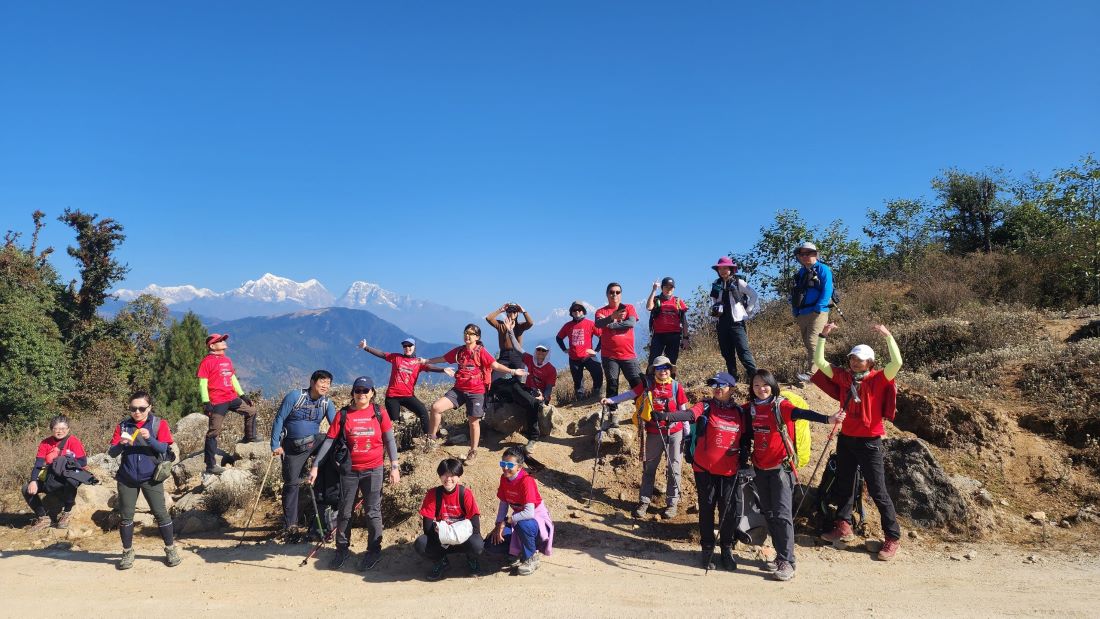
At Mountain World Treks & Expedition, we make your Kanchenjunga Circuit Trek in Nepal safe, smooth, and unforgettable. As a local trekking company, we know the routes, people, and mountains better than anyone.
We provide experienced licensed guides, proper planning, and full support from start to finish so you can enjoy the Himalayas without stress.
Why choose us?
- Experienced local guides from Nepal
- Safe and well-organized trekking service
- Full support in remote areas like Kanchenjunga
- Flexible and friendly service for all trekkers
- Focus on safety, comfort, and real experience
With Mountain World Treks & Expedition, you get a trusted local team for a safe, simple, and unforgettable Kanchenjunga adventure.
Major Trip Highlights of Kanchenjunga Circuit Trek in Nepal
- Stunning views of Mount Kanchenjunga (8,586m), the world’s third-highest peak
- Explore both North Base Camp (Pangpema) and South Base Camp (Oktang)
- Walk through remote and untouched Himalayan trails in eastern Nepal
- Experience rich culture of Limbu, Rai, and Sherpa communities
- Trek inside the protected Kanchenjunga Conservation Area
- Spot rare wildlife like red panda, snow leopard, and Himalayan black bear
- Cross dramatic landscapes: glaciers, alpine meadows, rivers, and deep valleys
- Enjoy a peaceful trekking route with very few tourists
- Authentic teahouse stays in traditional mountain villages
- One of the most remote, wild, and adventurous treks in Nepal