The Everest Base Camp Trek cost starts from USD 1,399 per person for a standard 14-day package on a twin-sharing basis. If you’re looking for a complete itinerary and package details, you can also explore our Everest Base Camp Trek package.
All-inclusive packages cover airport transfers, domestic flights, permits, teahouse accommodation, meals during the trek, a licensed guide, and porter service.
Your final budget will depend on your travel style, personal spending, travel insurance, trekking gear, tips, and optional upgrades such as helicopter flights or private rooms.
Planning your Everest Base Camp Trek budget is much easier when you understand exactly what is included in the package and which expenses you’ll need to pay separately.
While the package price covers most of the major costs, it’s still worth budgeting for personal expenses such as travel insurance, trekking gear, snacks, drinks, Wi-Fi, charging electronic devices, hot showers, and guide or porter tips.
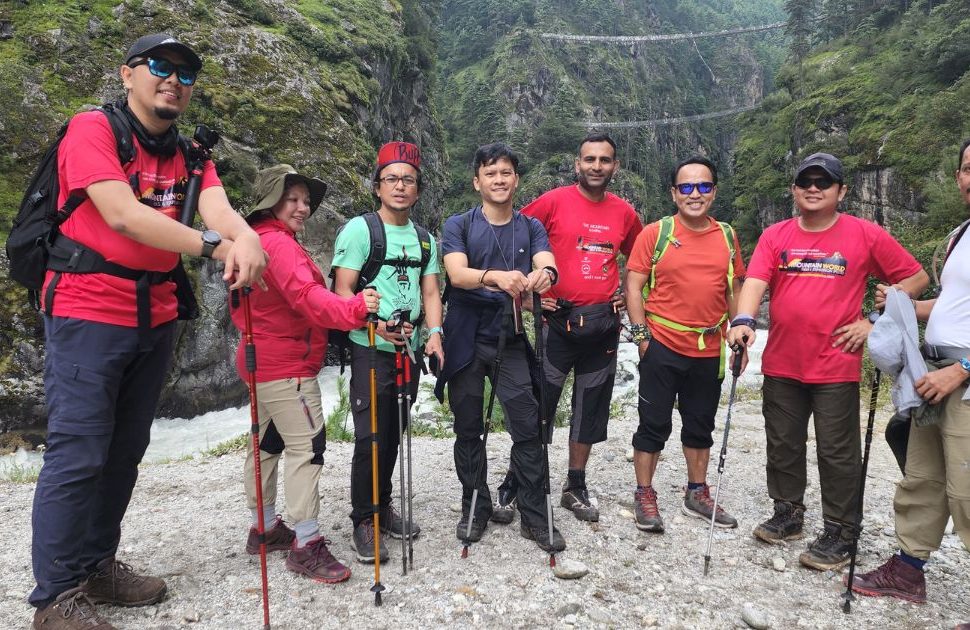
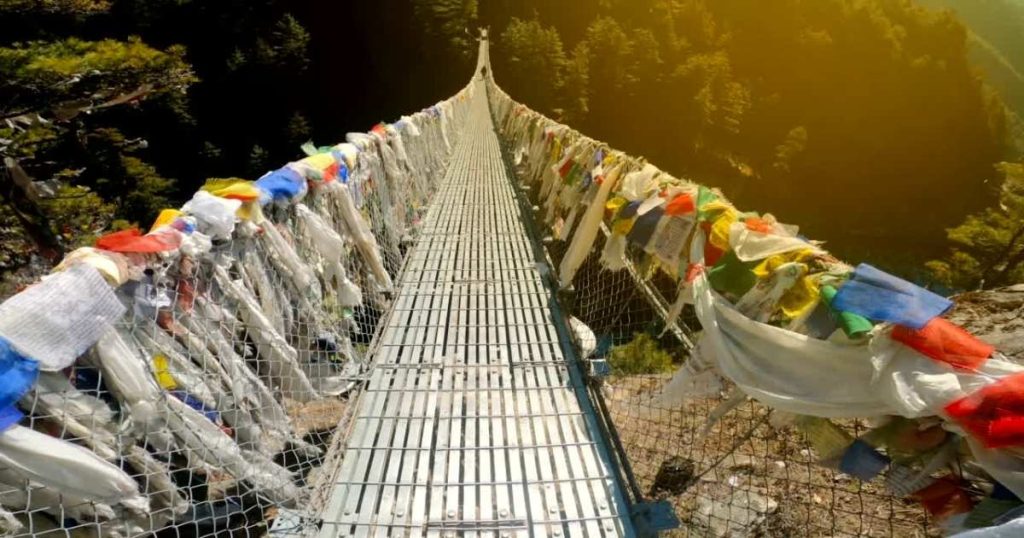
The trek itself is an unforgettable experience. You’ll walk through traditional Sherpa villages, cross suspension bridges decorated with prayer flags, and gradually climb into the heart of the Khumbu region.
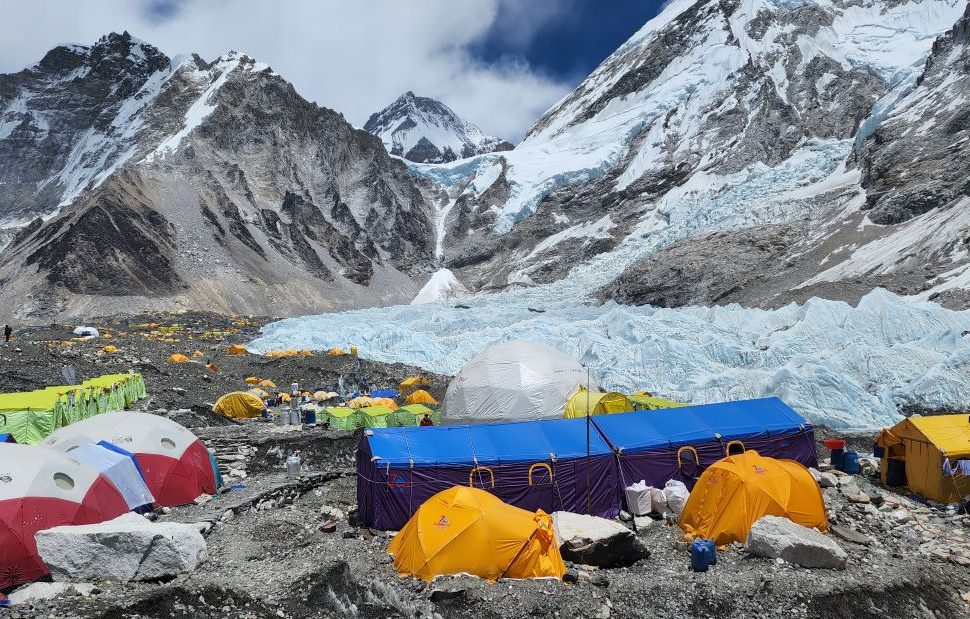
As you gain altitude, the mornings become colder, the air becomes thinner, and every step brings you closer to some of the world’s highest mountains. Standing on Kala Patthar at sunrise, with Mount Everest glowing above the surrounding peaks, is a moment that many trekkers consider worth every dollar they spent.
In this guide, you’ll find a complete breakdown of the Everest Base Camp Trek cost, including Lukla flights, accommodation, meals, permits, guides, travel insurance, and personal expenses. By the end, you’ll know exactly how much to budget and how to avoid unexpected costs during your trek.
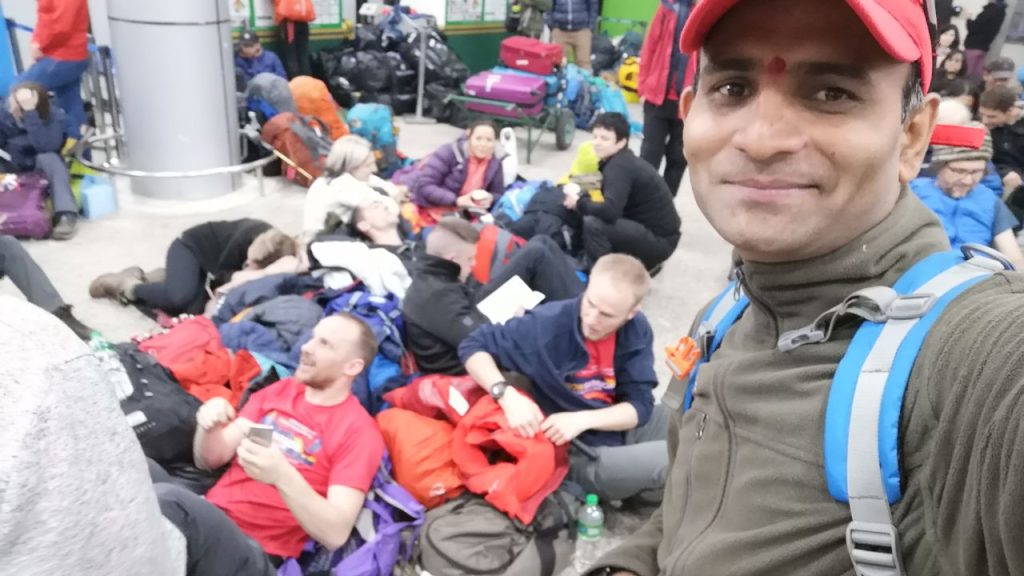
What Makes EBC Different from Other Nepal Treks?
The Everest Base Camp Trek offers a different experience from most trekking routes in Nepal. Higher altitude, the chance to stand beneath the world’s highest mountain, rich Sherpa culture, and a scenic flight to Lukla make it one of the country’s most iconic adventures. If you’re still deciding which Himalayan trek is right for you, you may also find our Everest Base Camp vs Annapurna Base Camp Trek comparison helpful.
| Feature | Everest Base Camp Trek |
| Highest Point | Everest Base Camp (5,364 m) & Kala Patthar (5,545 m) |
| Duration | 12–14 days |
| Culture | Sherpa villages and Buddhist monasteries |
| Famous Peaks | Everest, Lhotse, Nuptse, Ama Dablam |
| Transportation | Flight to Lukla |
| Difficulty | Moderate to challenging |
Who Is This Everest Base Camp Trek Budget Guide For?
This guide is designed for anyone planning an Everest Base Camp Trek, whether you’re joining an all-inclusive package or organizing parts of the trip yourself. It will be especially helpful if you are:
- First-time trekkers planning an Everest Base Camp adventure
- Comparing Everest Base Camp Trek package prices
- Trying to estimate your total trekking budget
- Deciding whether to hire a guide and porter
- Looking for ways to reduce trekking costs without compromising safety
Whether you’re travelling solo, with friends, or as part of a group, understanding the full cost before you arrive in Nepal helps you avoid unexpected expenses and plan with confidence.
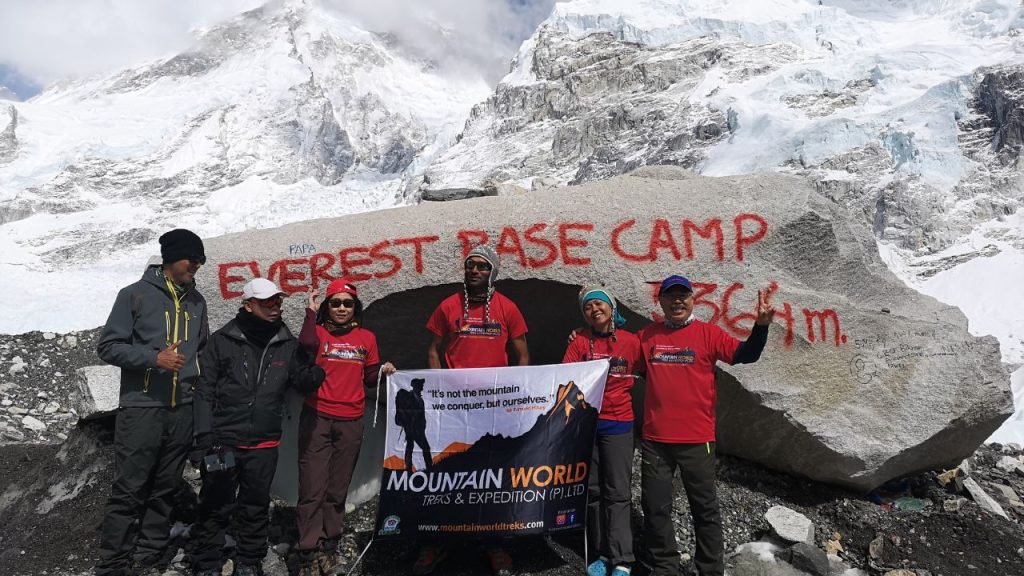
Why Does the Everest Base Camp Trek Cost More?
Several factors make the Everest Base Camp Trek more expensive than many other treks in Nepal.
- No road to Lukla. Most trekkers need a domestic flight, which is one of the biggest trip expenses.
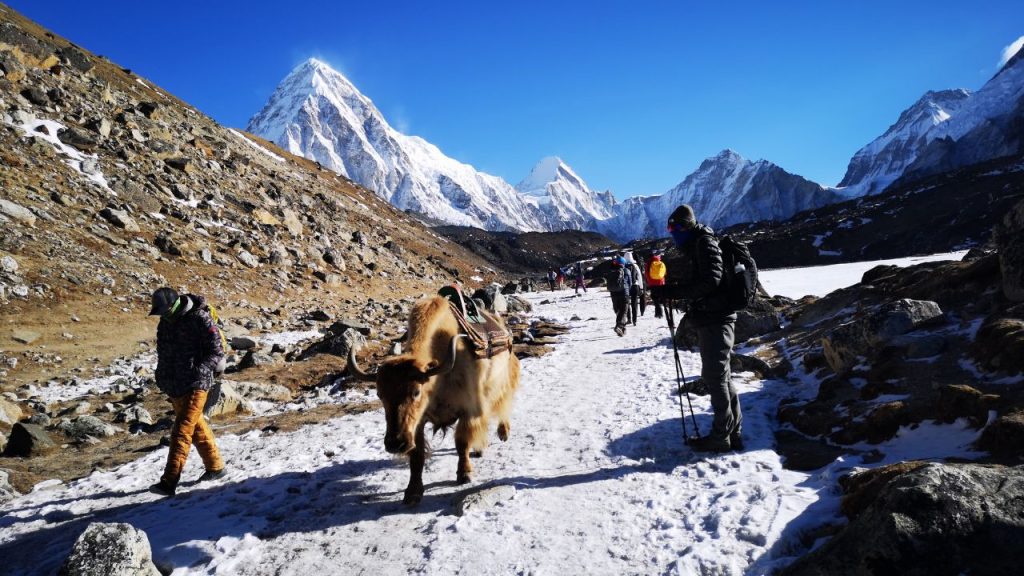
- Higher altitude means higher prices. Food, accommodation, fuel, and supplies become more expensive because everything is transported by porters, yaks, or helicopters.
- Longer itinerary. Most EBC treks last 12–14 days, increasing accommodation, meal, and guide costs.
- Peak season demand. Flights, teahouses, guides, and porters are in high demand during spring and autumn, so booking early is recommended.
The good news is that most of these costs are predictable. The sections below explain every expense in detail, helping you budget with confidence before your trek.
1. Everest Base Camp Trek Permits
The permit process for the Everest Base Camp Trek is simple compared to many other trekking routes in Nepal. Unlike restricted areas such as Manaslu or Upper Mustang, you only need two permits to trek to Everest Base Camp.
Both permits are mandatory and are checked at different points along the trail. If you’re booking with a registered trekking company, these permits are usually arranged for you before the trek begins.
Everest Base Camp Trek Permit Costs
| Permit | Cost | Purpose |
| Sagarmatha National Park Entry Permit | NPR 3,000 | Required to enter Sagarmatha National Park. Checked at Monjo. |
| Khumbu Pasang Lhamu Rural Municipality Fee | NPR 3,000 | Local municipality permit collected in Lukla. |
Do You Need a TIMS Card?
No. The Trekkers’ Information Management System (TIMS) card is not required for the Everest Base Camp Trek. If you’re trekking with Mountain world Treks, your guide or company will normally arrange all required permits before the trek starts.
Good to know: Most all-inclusive Everest Base Camp Trek packages already include both permit fees, so you usually don’t need to pay them separately.
2. Everest Base Camp Guide and Porter Cost
Although hiring a guide is no longer legally required for the Everest Base Camp Trek, it is highly recommended, especially if this is your first high-altitude trek.
An experienced guide does much more than lead the trail. They monitor your health, recognize early signs of altitude sickness, arrange accommodation, handle logistics, and help if weather or flight delays affect your itinerary.
A porter is optional, but many trekkers find one worthwhile. Carrying a heavy backpack above 4,000 meters can quickly drain your energy, making the trek more difficult than it needs to be.
Guide and Porter Cost Breakdown
| Service | Typical Cost |
| Licensed Guide | USD 30 per day |
| Porter | USD 20 per day |
Ways to Save Money For the EBC Trek package
Many trekkers share a porter, with one porter carrying luggage for two people. This reduces the porter cost by half while keeping your backpack light. If you’re trekking as a group, one guide can usually lead 6 to 8 trekkers, making the guide cost much lower per person.
3. Everest Base Camp Trek Package: What’s Included and What’s Not?
Our 14-day Everest Base Camp Trek package starts from USD 1,399 per person (twin-sharing basis). The package includes almost everything you need for the trek, but there are still a few personal expenses you’ll need to budget for.
| Included in Our USD 1,399 Package | Not Included |
| ✔️ Airport transfers | ✘ International flights |
| ✔️ Kathmandu–Lukla–Kathmandu flights | ✘ Nepal visa fee |
| ✔️ Sagarmatha National Park Permit | ✘ Travel insurance |
| ✔️ Khumbu Pasang Lhamu Municipality Permit | ✘ Personal trekking gear |
| ✔️ Licensed English-speaking guide | ✘ Gear rental (if required) |
| ✔️ Shared porter service | ✘ Guide & porter tips |
| ✔️ Teahouse accommodation during the trek | ✘ Personal snacks & drinks |
| ✔️ Three meals a day during the trek | ✘ Hot showers |
| ✔️ Kathmandu hotel (as per itinerary) | ✘ Wi-Fi & charging fees |
| ✔️ Government taxes and service charges | ✘ Personal expenses & shopping |
| ✔️ Guide insurance | ✘ Optional helicopter upgrades |
Budget Tip: Because the major trekking expenses are already included in the USD 1,399 package, most trekkers only need to budget an additional USD 300–500 for personal expenses such as travel insurance, tips, snacks, drinks, Wi-Fi, hot showers, charging electronic devices, and optional gear rental.
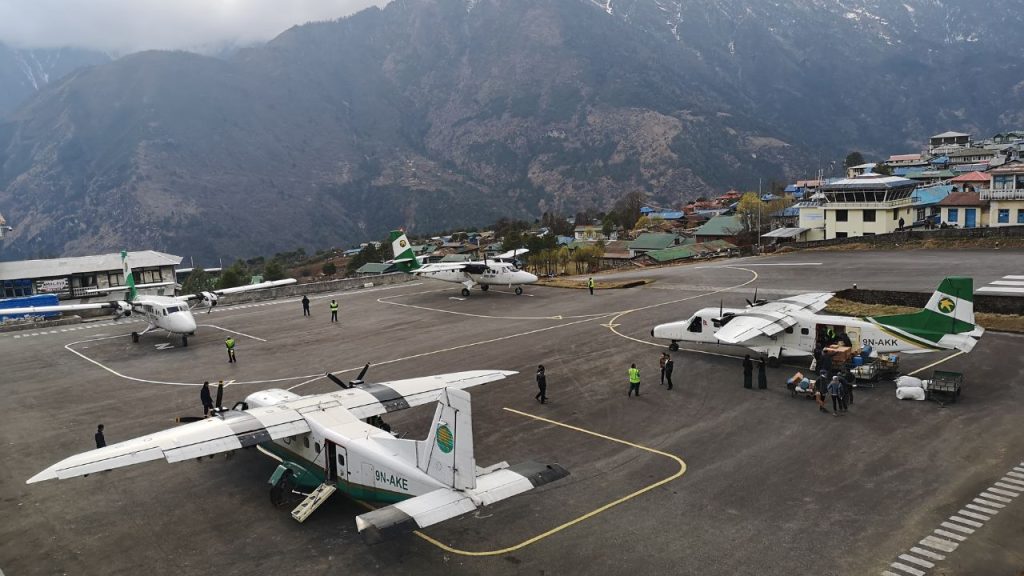
4. Everest Base Camp Transportation Cost
Getting to the Everest Base Camp Trek is different from most trekking destinations in Nepal. Since there is no road to Lukla, most trekkers begin their journey with a domestic flight, making transportation one of the biggest expenses of the trek.
During the busy spring and autumn seasons, many flights operate from Manthali Airport (Ramechhap) instead of Kathmandu due to air traffic congestion.
Lukla Flight Cost
| Flight Route | One-way Fare |
| Kathmandu → Lukla | USD 251 |
| Manthali (Ramechhap) → Lukla | USD 208 |
Note: If your flight departs from Manthali, you’ll also need to travel from Kathmandu to Manthali. This road transfer is an additional cost and is usually arranged by your trekking company.
Helicopter Option
Some trekkers choose to fly to Lukla by helicopter, either to avoid flight delays or to save time after completing the trek.
| Transportation | Estimated Cost |
| Shared Helicopter (one way) | USD 500–600 per person |
Helicopter flights are usually shared by 4 to 5 passengers, depending on weight and weather conditions.
5. Everest Base Camp Accommodation Cost
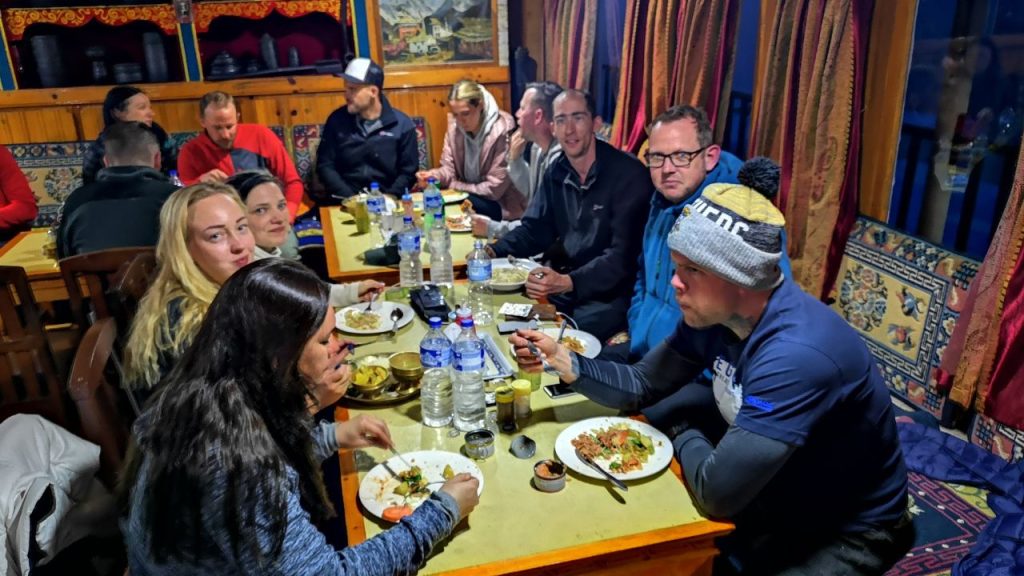
Accommodation on the Everest Base Camp Trek is provided in traditional teahouses. Rooms are simple but comfortable, offering a bed, blanket, and a warm place to rest after each day’s hike. Room prices generally increase with altitude because all supplies must be transported into the Khumbu region.
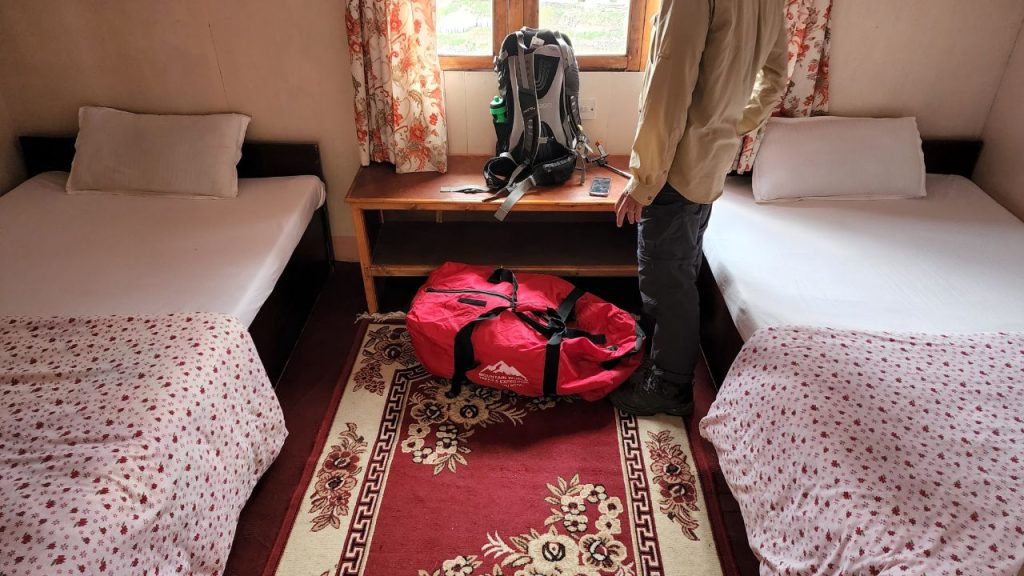
Teahouse Accommodation Cost on EBC Trek
| Location | Cost Per Night |
| Lukla & Phakding | USD 5–10 |
| Namche Bazaar | USD 10–20 |
| Tengboche & Dingboche | USD 8–15 |
| Lobuche & Gorak Shep | USD 10–20 |
6. Everest Base Camp Food Cost
Food becomes more expensive as you gain altitude because every ingredient must be carried into the mountains by porters or yaks. If you’d like to learn more about the meals served on the trail and what to expect at teahouses, read our Everest Base Camp Food and Accommodation Guide. A realistic budget is USD 25–35 per person per day if meals are not included in your trekking package.
Average Daily Food Budget
| Meals | Estimated Cost |
| Breakfast, Lunch & Dinner | USD 25–35 per day |
Popular Meals on the Trail
You’ll find a surprisingly varied menu at most teahouses, including: Dal Bhat (best value), Fried Rice, Patato, Noodle Soup, Pasta, Momos, Pancakes, Eggs, soups, Tea and Coffee. Dal Bhat is the most popular meal because it is filling, nutritious, and usually comes with unlimited refills.
Money-saving tip: Buy snacks such as energy bars, nuts, chocolate, and instant coffee in Kathmandu. They cost significantly more once you reach Namche Bazaar and higher villages.
7. Additional Everest Base Camp Trek Costs
Beyond your trekking package, there are a few personal expenses to budget for. Individually they’re small, but over a two-week trek they can add up. Common Personal Expenses:
| Expense for | Cost (Varies by altitude) |
| Hot Shower | USD 3-7 |
| Wi-Fi | USD 2-7 |
| Charging Electronics | USD 2-5 |
| Bottled Water & Soft Drinks | USD 1-4 |
| Snacks | Depends on personal spending |
Money-saving tip: Carry a refillable water bottle, water purification tablets or a filter, and a power bank to reduce daily expenses on the trail.
Trekking Gear Rental
If you don’t have your own trekking gear, don’t worry. Kathmandu’s Thamel district has plenty of rental shops offering quality equipment at affordable prices. If you’re unsure what to bring, check out our Everest Base Camp Packing List before renting or buying your gear.
| Gear | Rental Cost (Per Day) |
| Down Jacket | USD 1–2 |
| Sleeping Bag | USD 1–2 |
| Trekking Poles | Better buy |
If you prefer buying your own equipment, budget approximately USD 250–500, depending on the quality and brands you choose.
Travel Insurance For Everest Base Camp Trek
Travel insurance is one expense you should never skip. If you’re unsure what type of policy to buy, read our Everest Base Camp Trek Travel Insurance Guide before booking your trip. Choose a policy that covers:
- Trekking up to Everest Base Camp (5,364 m) or higher
- Emergency helicopter evacuation
- Treatment for altitude sickness
- Hospitalization and emergency medical expenses
- Trip cancellation, interruption, and flight delays
A comprehensive high-altitude travel insurance policy usually costs USD 100–200, depending on your country of residence, age, and level of coverage.
Without suitable insurance, a helicopter evacuation from the Everest region can cost USD 4,000–8,000 or more, making proper insurance one of the most important parts of your trekking budget.
Guide and Porter Tips
Tipping is customary in Nepal and is a meaningful way to thank your guide and porter for their hard work.
| Staff | Suggested Tip |
| Guide | Around USD 10-15 per day |
| Porter | Around USD 8-12 per day |
The exact amount is entirely up to you and may vary depending on the quality of service and your group size.
Everest Base Camp Trek Budget Summary
If you book our 14-day Everest Base Camp Trek package from USD 1,399 per person, most major trekking expenses are already included.
Package Includes
- Airport transfers
- Lukla flights
- All required permits
- Licensed trekking guide
- Shared porter service
- Kathmandu & Teahouse accommodation
- Three meals a day during the trek
- Guide & Porter
Personal Expenses to Budget For
| Expense | Estimated Cost |
| Travel Insurance | USD 100–200 |
| Guide & Porter Tips | USD 150–250 |
| Snacks, Drinks & Personal Spending | USD 50–150 |
| Wi-Fi, Hot Showers & Charging | USD 70–110 |
| Trekking Gear Rental (if needed) | Varies |
Total Budget
Most trekkers can comfortably complete the Everest Base Camp Trek with our USD 1,399 package, plus their own personal expenses. Depending on your travel style, it’s sensible to budget an additional USD 300–500 for items such as travel insurance, tips, snacks, drinks, Wi-Fi, hot showers, charging devices, and optional gear rental.
Budget Tip: Travelling with a friend lets you share a porter, reducing your overall cost if you’re booking services separately.
How to Reduce Your Everest Base Camp Trek Cost
You don’t have to cut corners to keep your Everest Base Camp Trek affordable. These practical tips can help you save money while still enjoying a safe and memorable trekking experience.
- Book an all-inclusive package. Packages that include permits, Lukla flights, accommodation, meals, a guide, and porter service often provide better value than arranging everything separately.
- Share a porter. One porter can carry luggage for two trekkers, making it an easy way to reduce costs while keeping your backpack light.
- Buy snacks and essentials in Kathmandu. Energy bars, chocolate, toiletries, and electrolyte powder are much cheaper in Kathmandu than along the Everest trail.
- Carry a reusable water bottle. Use water purification tablets or a portable water filter instead of buying bottled water every day.
- Bring a power bank. Charging electronic devices at teahouses usually costs extra, so a power bank can save both money and time.
- Limit optional extras. Hot showers, Wi-Fi, soft drinks, beer, and desserts can quickly increase your daily spending.
- Travel during the shoulder season. Late March, early May, late September, and November often have fewer crowds and better availability than peak season.
- Book early if trekking in peak season. Reserving your trip several months in advance helps secure Lukla flights, accommodation, and experienced guides, while avoiding last-minute price increases.
Money-Saving Tip: The cheapest trekking package isn’t always the best value. Compare what’s included before booking, as lower-priced packages may exclude flights, permits, meals, or porter service, resulting in higher overall costs.
When to Go and How the Season Affects Your Budget
The time of year you trek can affect both your overall experience and your budget. If you’d like a detailed month-by-month guide, read our Best Time for Everest Base Camp Trek article.
- Spring (March–May): Excellent weather, blooming rhododendrons, and clear mountain views. Costs are moderate to high, with April and May being the most popular months.
- Autumn (September–November): Peak trekking season with the highest demand for Lukla flights, teahouses, guides, and porters.
- Winter (December–February): Fewer trekkers and slightly lower accommodation prices, but much colder temperatures at higher elevations.
- Monsoon (June–August): The quietest season, but frequent rain, muddy trails, and Lukla flight delays make it the least recommended time to trek.
Best Time to Trek: For the best combination of weather, mountain views, and trail conditions, most trekkers choose March–May or late September–November.
Ready to Plan Your Everest Base Camp Trek?
By now, you should have a clear understanding of the Everest Base Camp Trek cost and what to budget for before your adventure. Knowing what’s included and which personal expenses to plan for, makes it much easier to prepare with confidence.
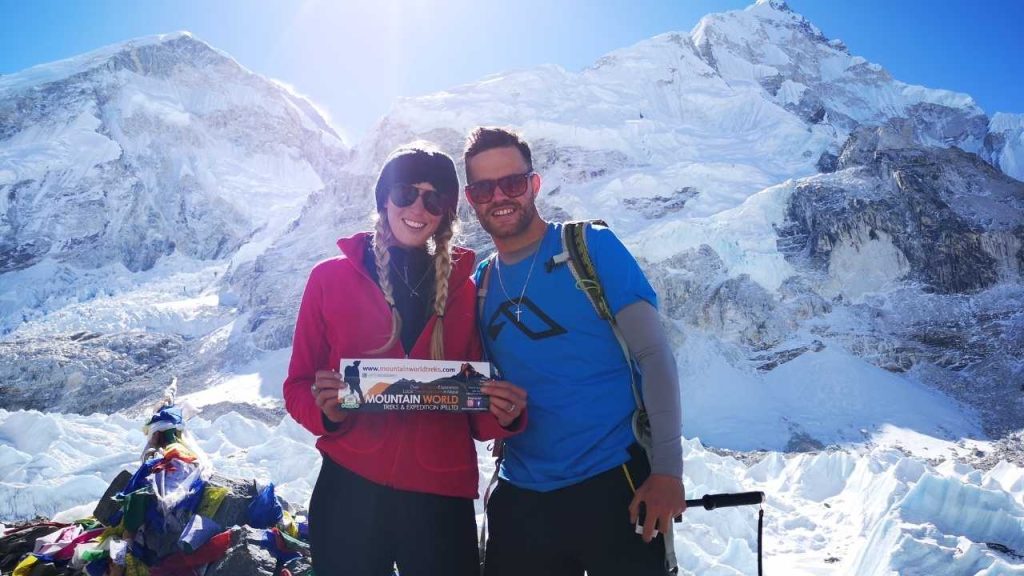
If you’d prefer to leave the planning to experienced professionals, our Everest Base Camp Trek package starts from USD 1,399 per person and includes Lukla flights, trekking permits, accommodation, meals during the trek, a licensed guide, shared porter service, and airport transfers.
If you have any questions about the cost, itinerary, or preparing for your trek, feel free to contact our team. With more than 30 years of experience guiding trekkers in the Everest region, we’re always happy to help you plan a safe and memorable Everest Base Camp adventure.
Frequently Asked Questions About Everest Base Camp Trek Cost
1. How much does the Everest Base Camp Trek cost?
The Everest Base Camp Trek cost may vary depending on the trekking company, itinerary, group size, season, and what’s included. Our Mountain World Treks 14-day Everest Base Camp Trek package starts from USD 1,399 per person on a twin-sharing basis.
2. What is included in the Everest Base Camp Trek cost?
Mountain World Treks’ Everest Base Camp Trek package includes Lukla flights, trekking permits, teahouse accommodation, meals, a licensed guide, shared porter service, airport transfers, and Kathmandu accommodation. Personal expenses such as travel insurance, tips, snacks, drinks, Wi-Fi, hot showers, and charging devices are usually not included.
3. What permits do I need for the Everest Base Camp Trek?
You need two permits: the Sagarmatha National Park Entry Permit (NPR 3,000) and the Khumbu Pasang Lhamu Rural Municipality Permit (NPR 3,000).
4. Do I need a TIMS card for the Everest Base Camp Trek?
No. A TIMS (Trekkers’ Information Management System) card is not required for the Everest Base Camp Trek.
5. Do I need a guide for the Everest Base Camp Trek?
A guide is not legally required for the standard Everest Base Camp route, but hiring a licensed guide is strongly recommended. A guide improves safety, helps with navigation and logistics, monitors altitude sickness symptoms, and enhances your overall trekking experience.
6. How much does a guide and porter cost?
A licensed guide costs around USD 30 per day, while a porter costs around USD 20 per day. Many trekkers share one porter between two people, making porter service more affordable.
7. How much does a Lukla flight cost?
A direct flight from Kathmandu to Lukla costs USD 251 one way. During the peak trekking seasons, many flights operate from Manthali (Ramechhap) Airport, where the airfare is USD 208 one way, plus the cost of transportation between Kathmandu and Manthali.
8. Can Lukla flights be delayed or cancelled?
Yes. Lukla flights are weather-dependent, and delays or cancellations are common, especially during poor visibility. It’s recommended to keep at least two extra days in your itinerary before your international flight home.
9. How much does food cost on the Everest Base Camp Trek?
If meals are not included in your package, budget around USD 25–35 per day for breakfast, lunch, and dinner. Food prices increase with altitude because supplies must be transported by porters or yaks.
10. How much does accommodation cost on the Everest Base Camp Trek?
Teahouse accommodation generally costs between USD 5 and USD 20 per night, depending on the location and altitude. Many teahouses provide free or discounted rooms if you eat your meals there.
11. How much should I budget for travel insurance?
A comprehensive travel insurance policy covering high-altitude trekking and emergency helicopter evacuation typically costs around USD 100–200, depending on your country of residence and coverage.
12. Is travel insurance necessary for the Everest Base Camp Trek?
Yes. Although it isn’t legally required, travel insurance is highly recommended. Your policy should cover trekking above 5,364 metres, emergency helicopter evacuation, altitude sickness, and medical treatment.
13. How much does a helicopter evacuation cost?
Without travel insurance, a helicopter evacuation from the Everest region can cost USD 4,000–8,000 or more, depending on the rescue location and conditions.
14. How much should I budget for tips?
Tipping is customary in Nepal. A common guideline is around USD 10–15 per day for your guide and USD 8–12 per day for your porter, although the final amount depends on the level of service and your group size.
15. What hidden costs should I budget for?
Besides the package price, remember to budget for hot showers, Wi-Fi, charging electronic devices, snacks and drinks, bottled water, souvenirs, guide and porter tips, and travel insurance. These personal expenses typically add USD 300–500 to your overall budget.
16. Can I reduce the Everest Base Camp Trek cost?
Yes. Booking with a local trekking agency, sharing a porter, carrying a reusable water bottle with purification tablets, bringing a power bank, and buying snacks in Kathmandu are simple ways to reduce your expenses.
17. Is the Everest Base Camp Trek more expensive than other treks in Nepal?
Yes. Compared with popular treks such as Annapurna Base Camp or Langtang Valley, the Everest Base Camp Trek is generally more expensive because of Lukla flights, higher prices at altitude, and greater demand during the peak trekking seasons.
18. How much cash should I carry on the Everest Base Camp Trek?
If you’ve booked an all-inclusive package, carrying around USD 300 (or the equivalent in Nepalese Rupees) is usually enough for personal expenses such as snacks, drinks, tips, Wi-Fi, hot showers, charging devices, and souvenirs.
19. Is the Everest Base Camp Trek worth the cost?
For most trekkers, yes. The Everest Base Camp Trek combines spectacular Himalayan scenery, Sherpa culture, traditional mountain villages, and the opportunity to stand at the foot of the world’s highest mountain, making it one of Nepal’s most rewarding trekking adventures.
20. What is a realistic budget for the Everest Base Camp Trek?
If you book our USD 1,399 all-inclusive package, budgeting an additional USD 300–500 for travel insurance, tips, snacks, drinks, Wi-Fi, hot showers, charging devices, and other personal expenses is usually sufficient. That means a realistic overall budget for most trekkers is around USD 1,700–1,900 per person