Manaslu Circuit Trek 2026 Overview: Nepal's Ultimate Himalayan Adventure
The Manaslu Circuit Trek is one of the last great Himalayan adventures where wilderness, culture, and altitude combine in near-perfect isolation. For those with the fitness and the appetite for something beyond the ordinary, it delivers an experience that few treks anywhere in the world can match.
The Manaslu Circuit Trek is one of Nepal’s most rewarding Himalayan adventures. It offers remote villages, cultural immersion, and stunning mountain scenery.
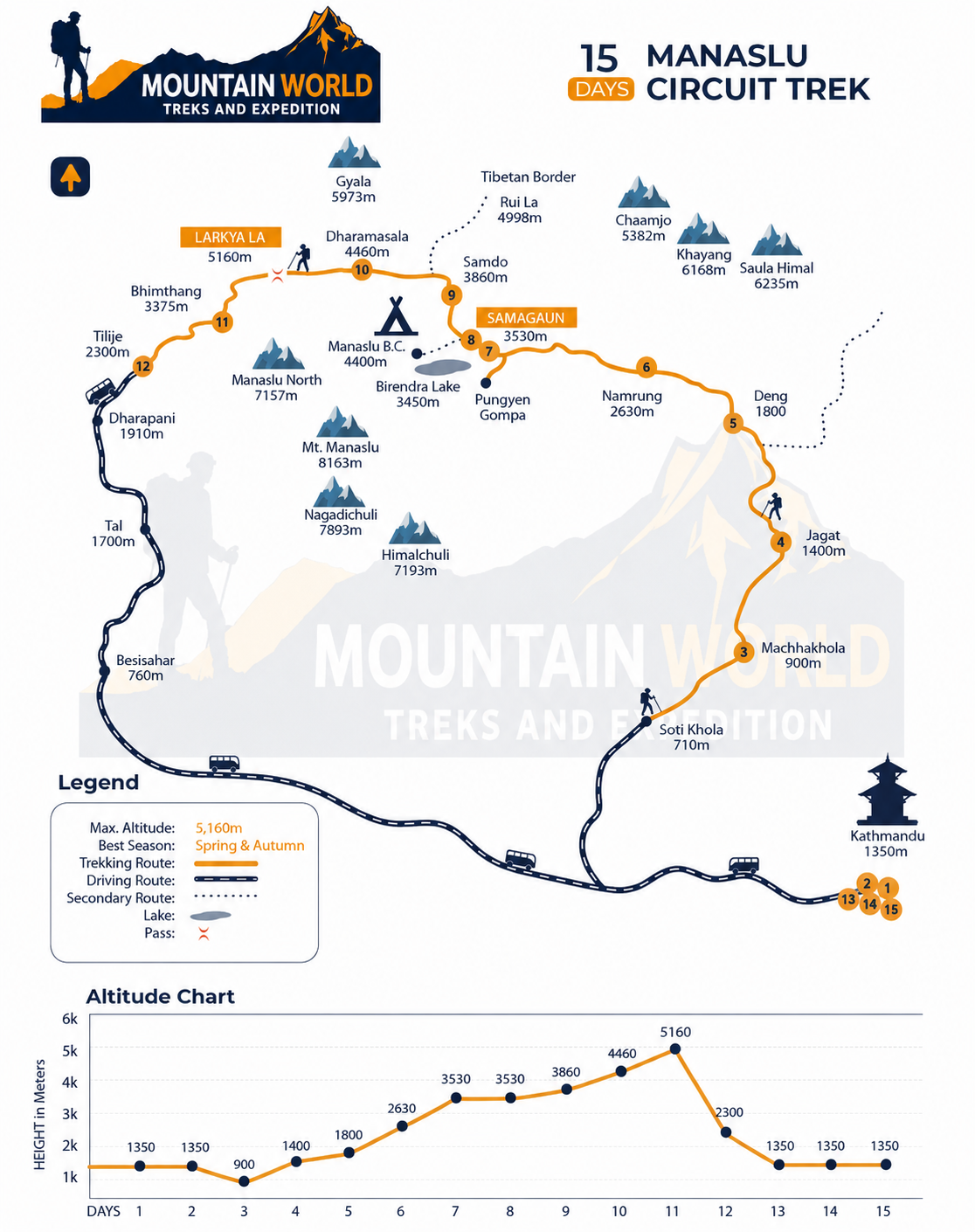
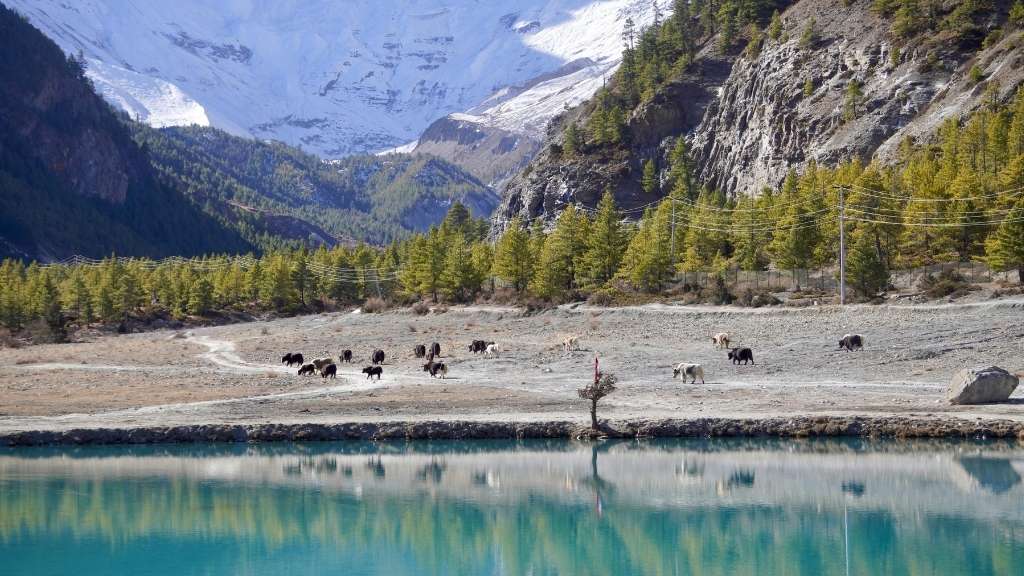
The route follows the Budhi Gandaki River through forests, valleys, and high-altitude landscapes. The highlight of the trek is crossing Larkya La Pass (5,160m).
Unlike the more crowded Everest Base Camp and Annapurna trekking routes, the Manaslu Circuit remains a restricted-area trek, preserving its pristine landscapes and rich cultural heritage.
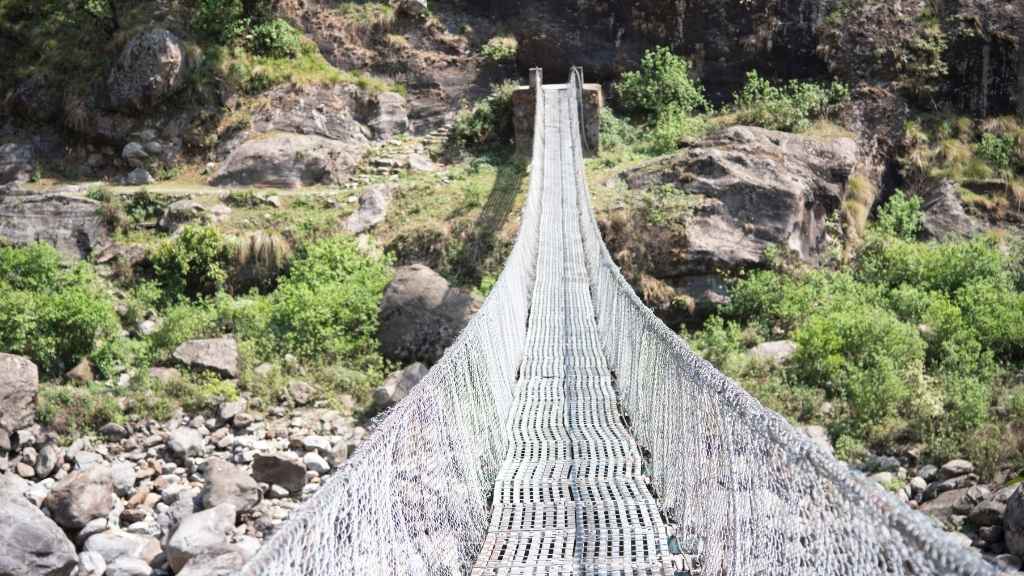
The trail passes through forests, rivers, and traditional villages. Suspension bridges connect remote settlements along the Budhi Gandaki Valley.
As you gain altitude, the landscape changes into alpine terrain with dramatic Himalayan views.
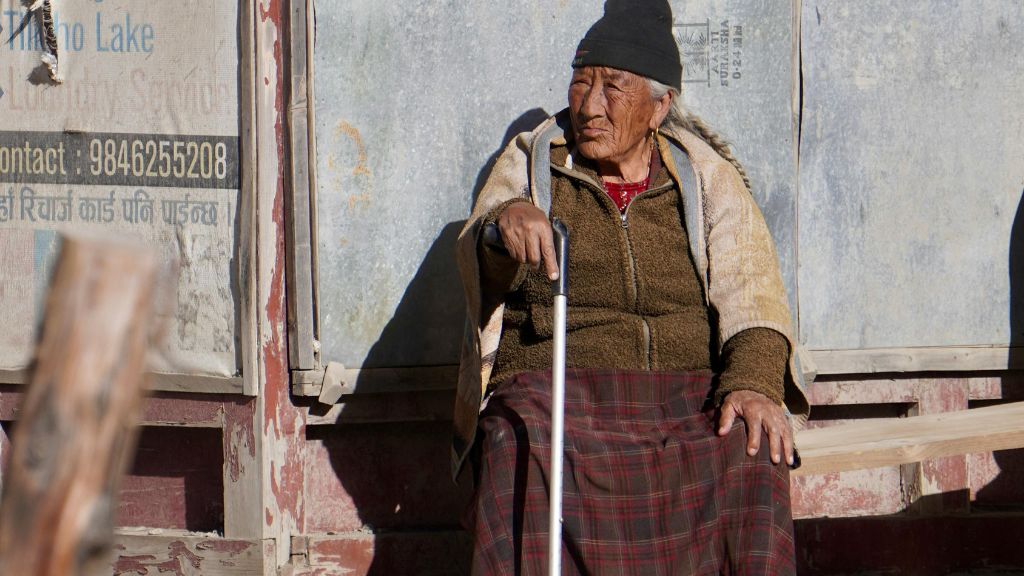
Along the way, you will experience the unique traditions of local communities whose lifestyles have remained largely unchanged for generations.
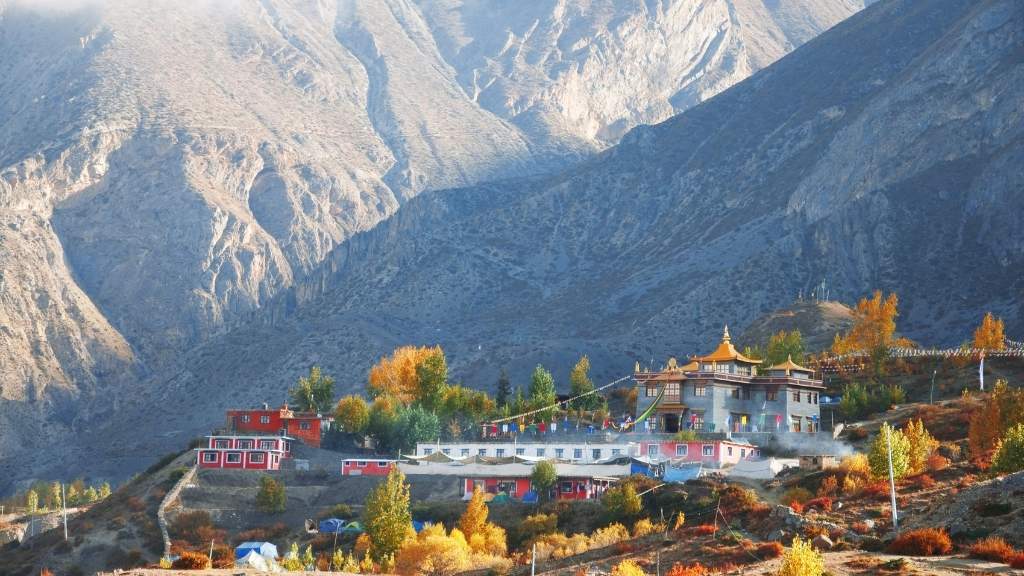
The trek also offers visits to ancient Buddhist monasteries, colorful prayer walls, and sacred sites that reflect the region’s strong Tibetan influence.
The ultimate challenge comes at Larkya La Pass, one of Nepal’s most spectacular high mountain passes. Reaching the summit rewards trekkers with unforgettable panoramic views of snow-capped Himalayan peaks, glaciers, and rugged mountain landscapes.
This combination of natural beauty, cultural immersion, and adventure makes the Manaslu Circuit Trek one of the most rewarding trekking experiences in Nepal. You can also enjoy watching our YouTube videos of the Manaslu Circuit Trek to get a real feel of the journey and trail conditions before you go.
Ideal for trekkers seeking a less commercialized and more authentic Himalayan journey, the Manaslu Circuit Trek offers the perfect balance of wilderness, culture, and high-altitude adventure.
Whether you are an experienced trekker or a passionate mountain enthusiast, this unforgettable route provides a deeper and more remote Himalayan experience than many of Nepal’s more popular trekking destinations.
Quick Facts about Manaslu Circuit Trek
| Detail | Information |
| Trip Duration | 14 Days |
| Maximum Altitude | 5,160m (16,752 ft) – Larkya La Pass |
| Trek Distance | Approx. 177 km (110 miles) |
| Difficulty | Moderate to Strenuous |
| Trek Type | Tea House Trek |
| Best Seasons | March–May & October–November |
| Starting Point | Machha Khola |
| Ending Point | Dharapani |
| Accommodation | Tea Houses & Lodges |
| Meals | Breakfast, Lunch & Dinner During Trek |
| Group Size | 1–16 Trekkers (or No Limit if applicable) |
| Minimum Age | 10 Years+ Recommended |
| Transportation | Private Vehicle / Public Jeep |
| Permits Required | RAP, MCAP, ACAP |
| Maximum Walking Hours | 8–10 Hours |
| Cost | From USD 1,299 Per Person |
| Region | Manaslu Conservation Area |
Why Choose the Manaslu Circuit Trek?
Authenticity – Restricted access keeps visitor numbers low. Villages are genuinely lived-in, not curated for tourism. You will share trails with locals, not crowds.
Landscape diversity – Subtropical lowlands, temperate rhododendron forests, Tibetan plateau-style high valleys, and glacial terrain, all within one circuit.
Cultural depth – The transition from Hindu communities in the lower valleys to Tibetan Buddhist culture in the upper elevations is unlike any other trek in Nepal.
Wildlife – The Manaslu Conservation Area offers some of the best wildlife-watching in the Himalayas, including a genuine chance of spotting the elusive snow leopard.
The pass – Crossing Larkya La at 5,160m is a true high-altitude achievement, rewarded with panoramic views of Manaslu, Himlung Himal, Cheo Himal, and the surrounding peaks.
Sustainability – Trekking here with a licensed guide directly supports local livelihoods and conservation of the Himalayan ecosystem.
Manaslu Circuit Trek Cost – Full Breakdown (2026)
The total cost of the Manaslu Circuit Trek starts from USD 1,299 but cost can be depending on group size, travel style, and agency. Here is what you can realistically expect to pay:
- All Required Permits – USD 150
- Private Jeep to Machha Khola – USD 200+
- Licensed Trekking Guide (12-14 days) – USD 250–400
- Porter (optional) – USD 200–300
- Teahouse Accommodation – USD 5-15 per night
- Meals on Trek – USD 25-40 per day
- Travel Insurance (with helicopter evacuation) – USD 80-150
Full package deals from registered Nepali agencies typically start at USD 1,299 and bundle permits, guide, accommodation, and meals into a single price.
Required Permits for the Manaslu Circuit Trek
The Manaslu region requires three separate permits, all obtained in Kathmandu before departure. You can check the full details in our guide on the Manaslu Circuit Trek permit, including costs, requirements, and how to obtain them.
1. Manaslu Restricted Area Permit (RAP) The most important permit. Required because the route borders Tibet.
- September-November: USD 100 per person per week
- December-August: USD 75 per person per week
- Minimum: 1 trekker + a licensed guide
2. Manaslu Conservation Area Permit (MCAP)
- NPR 3,000 per person (approx. USD 20-25)
3. Annapurna Conservation Area Permit (ACAP) Required for the Dharapani exit section.
- NPR 3,000 per person (approx. USD 20-25)
Best Time to Do the Manaslu Circuit Trek
The best time for Manaslu Circuit Trek is during the spring (March to May) and autumn (September to November) seasons. These periods offer the most stable weather conditions, clear mountain views, and safe trekking trails.
Autumn – September to November – Best Overall
Autumn is the single best season for the Manaslu Circuit Trek. Skies are clear, mountain views are sharp, and temperatures are comfortable at altitude.
October is the peak month, trails are dry, teahouses are operational, and Larkya La Pass is safely crossable.
Spring – March to May – Highly Recommended
Spring is the second-best season. Rhododendron forests explode in vivid red and pink bloom, temperatures are mild, and visibility is generally excellent. Wildlife is more active and visible during this period.
Winter – December to February – challenging
Larkya La Pass can be blocked by heavy snow and ice. Temperatures above 4,000m can drop to -20°C. Only experienced high-altitude trekkers with proper cold-weather gear should attempt this route in winter.
Monsoon – June to August – Not Recommended
Heavy rainfall causes trail damage, landslides, poor visibility, and leech-infested paths. The Manaslu Circuit is not recommended during monsoon season.
Difficulty Level – Is the Manaslu Circuit Trek Hard?
The Manaslu Circuit Trek is rated moderate to strenuous. It is not suitable for beginner trekkers. You can read our detailed guide on the Manaslu Circuit Trek difficulty level to understand fitness requirements, altitude challenges, and what to expect on the trail.
Key challenges include:
- Multiple consecutive days trekking above 3,500m
- Larkya La Pass crossing at 5,160m requires strong fitness and full acclimatization
- Walking days of 6–10 hours, especially on pass day
- Remote terrain with limited rescue access in some sections
- Unpredictable high-altitude weather
Recommended Preparation for Manaslu Trek
The Manaslu Circuit Trek is a physically demanding adventure that involves long walking days, steep ascents, and high-altitude terrain.
While no technical climbing skills are required, good physical fitness and endurance will significantly enhance your trekking experience and increase your chances of successfully crossing Larkya La Pass.
- Start training 8–12 weeks before departure.
- Focus on cardio activities such as hiking, running, cycling, and stair climbing.
- Build leg strength and endurance through regular exercise.
- Practice hiking with a daypack to simulate trekking conditions.
- Previous trekking experience at high altitude is helpful but not essential.
- Maintain a healthy diet and stay active before your trip.
What is altitude sickness on the Manaslu Circuit Trek?
Altitude sickness (Acute Mountain Sickness) is a condition caused by reduced oxygen at high elevations above 3,000 meters.
On the Manaslu Circuit Trek, it can occur during the ascent toward Samagaon, Samdo, and Larkya La Pass. Common symptoms include headache, nausea, dizziness, and fatigue. Proper acclimatization, hydration, and a gradual ascent are essential to prevent it.
- AMS can affect anyone, regardless of age or fitness level.
- The risk increases significantly above 3,000 meters.
- Common symptoms include headache, nausea, dizziness, fatigue, and loss of appetite.
- Stay well hydrated and avoid alcohol during the trek.
- Follow acclimatization days and ascend gradually.
- Inform your guide immediately if symptoms occur.
- Consult your doctor about carrying Diamox (Acetazolamide) before the trek.
- Immediate descent is the most effective treatment for severe altitude sickness symptoms.
Food And Accommodation on the Manaslu Region
Food and accommodation on the Manaslu Circuit Trek vary by altitude but remain available in teahouses throughout the route. For a full overview of meals, lodging quality, and facilities, see our detailed guide on Manaslu Circuit Trek food and accommodation.
Accommodation is in teahouses and basic lodges throughout the route. Quality varies significantly by elevation:
- Lower elevations (Machha Khola to Namrung): Comfortable teahouses with private or shared rooms, good food menus, occasional hot showers.
- Mid elevations (Samagaon, Samdo): Basic teahouses with limited menus. Cold nights. Electricity available for charging at extra cost.
- High elevation (Dharmasala / Larkya La Camp): Very basic shelters with minimal facilities. A sleeping bag rated to at least -15°C is essential.
- Post-pass (Bimthang to Dharapani): Teahouse quality improves steadily as you descend.
Wi-Fi and mobile network connectivity are limited or absent above Samagaon. Bring your own sleeping bag regardless of what blankets are provided.
Food and Water on the Trek
Food: Teahouses serve standard Himalayan menus – dal bhat, noodle soups, pasta, fried rice, porridge, eggs, chapati, and seasonal vegetables. Dal bhat is the top recommended meal – freshly cooked, energy-dense, and usually served with unlimited refills.
Water: Never drink tap or river water untreated. Safe options:
- Boiled water from teahouses (small fee applies)
- Water purification tablets or iodine drops
- UV purification devices (SteriPen)
- Filtered water bottles
Drink a minimum of 3-4 litres per day at altitude. Hydration is one of the most effective defenses against altitude sickness.
Essential Packing List for Manaslu Circuit Trek
Essential gear and proper packing are crucial for a safe and comfortable journey on the Manaslu Circuit Trek, as weather and altitude conditions change significantly along the route. For a complete checklist of clothing, equipment, and must-have items, check our detailed guide on the Manaslu Circuit Trek packing list.
Clothing:
- Moisture-wicking base layers (2-3 sets)
- Insulating mid layer (fleece or down jacket)
- Hardshell waterproof jacket and pants
- Thermal leggings, warm hat, sun hat, balaclava
- Insulated waterproof gloves and gaiters
- Wool trekking socks (4-5 pairs)
Footwear:
- Well broken-in waterproof trekking boots
- Camp sandals or lightweight shoes
- Microspikes or crampons (for Larkya La in shoulder seasons)
Equipment:
- Trekking poles (essential for pass descent)
- Headlamp with spare batteries
- Sleeping bag rated to -15°C or below
- 50–65 litre trekking backpack
- Water purification device or tablets
Health and Documents:
- Diamox (consult a physician first)
- First aid kit, sunscreen SPF 50+, blister supplies
- All original permits and passport
Travel insurance certificate with helicopter evacuation coverage