-
Car and Flight
-
1-16
-
6187m
-
Hotel & Teahouse
-
Kathmandu
-
Kathmandu
-
Spring & Autumn
-
Trekking/Climbing
-
English
-
3 Meals/Day
-
Provided
-
Good stamina & Endurance needed
Overview of Langtang Valley and Gosainkunda Lake Trek in Nepal
TheLangtang Valley and Gosainkunda Lake Trek in Nepal is one of the most beautiful trekking routes in the Himalayas. It combines the peaceful beauty of the Langtang Valley with the sacred alpine lakes of Gosainkunda Lake. This trek gives you a perfect mix of mountain scenery, local culture, spiritual places, and adventurous trails.
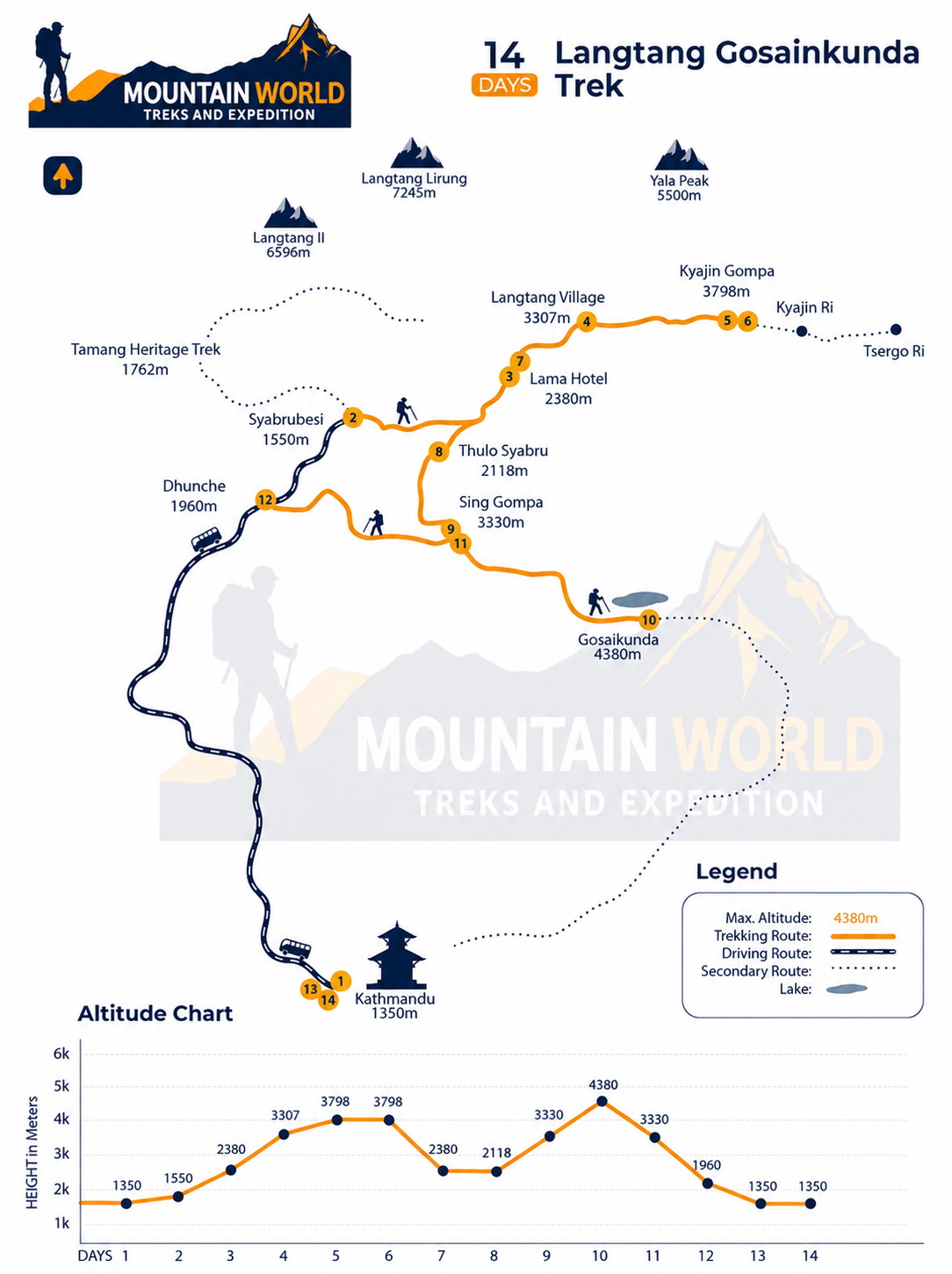
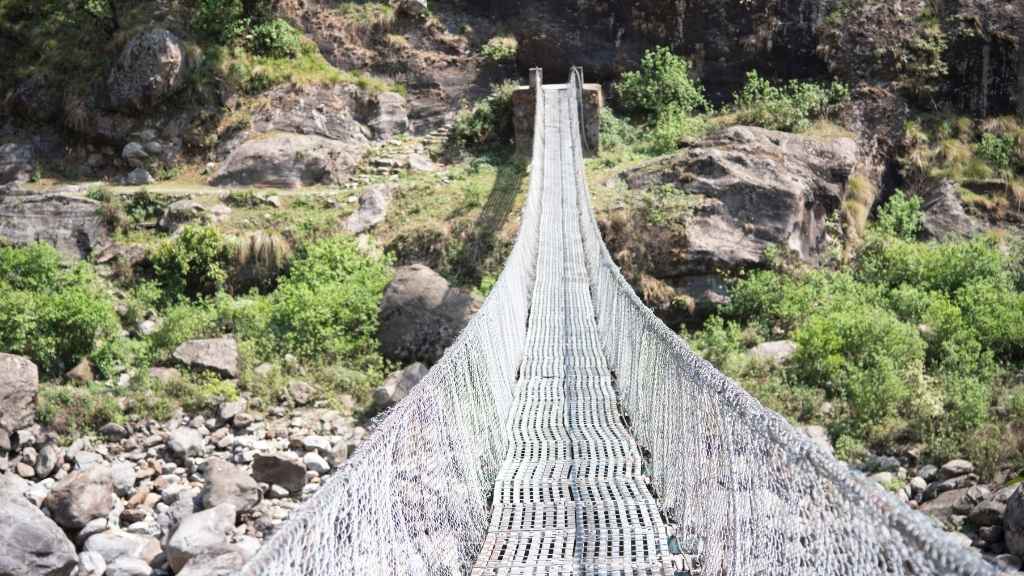
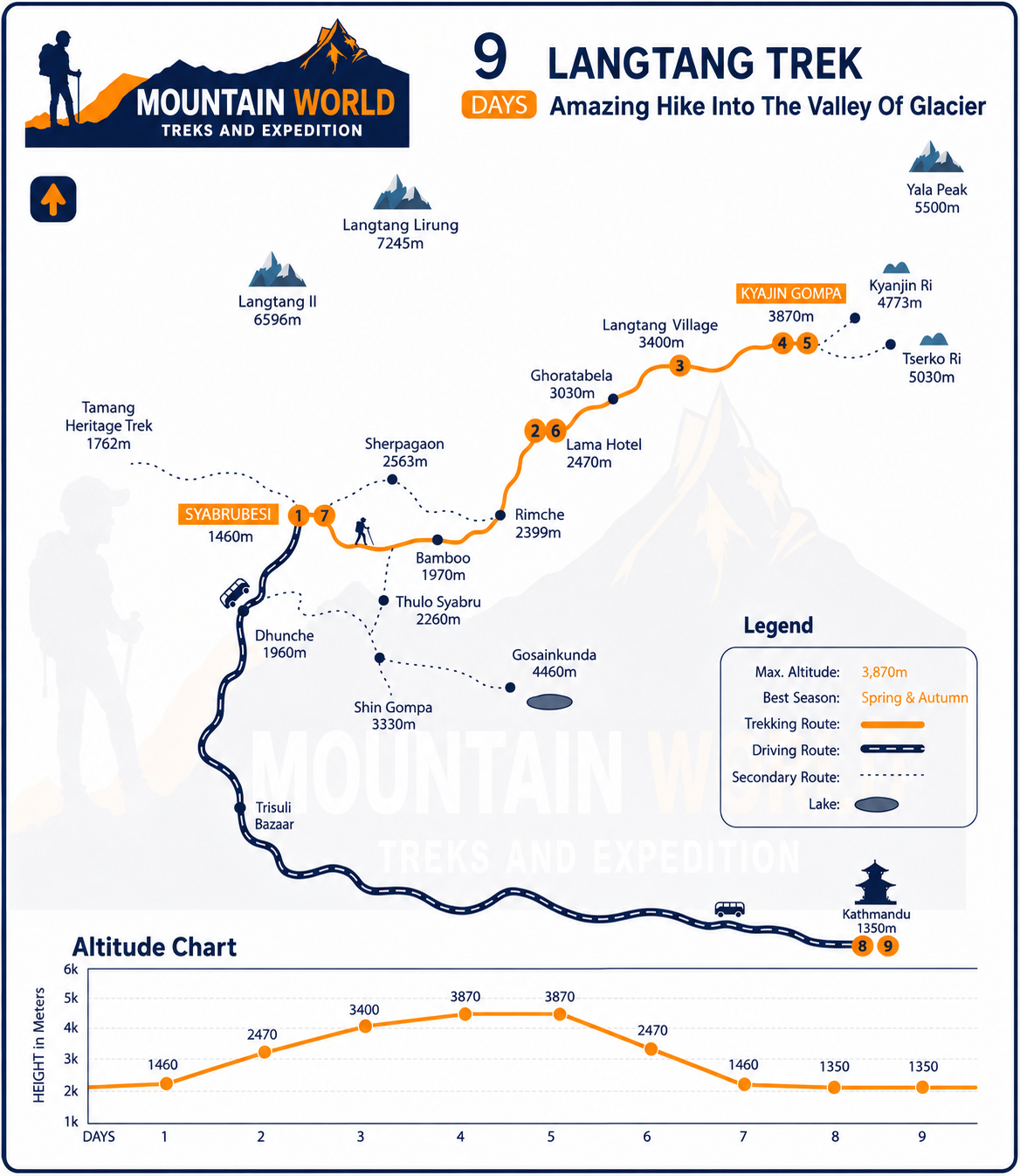
The journey begins with a drive from Kathmandu to Syabrubesi. The trail follows rivers and forests into Langtang Valley from there. You will pass through traditional Tamang villages, suspension bridges, and mountain paths surrounded by green hills and snowy peaks along the way.
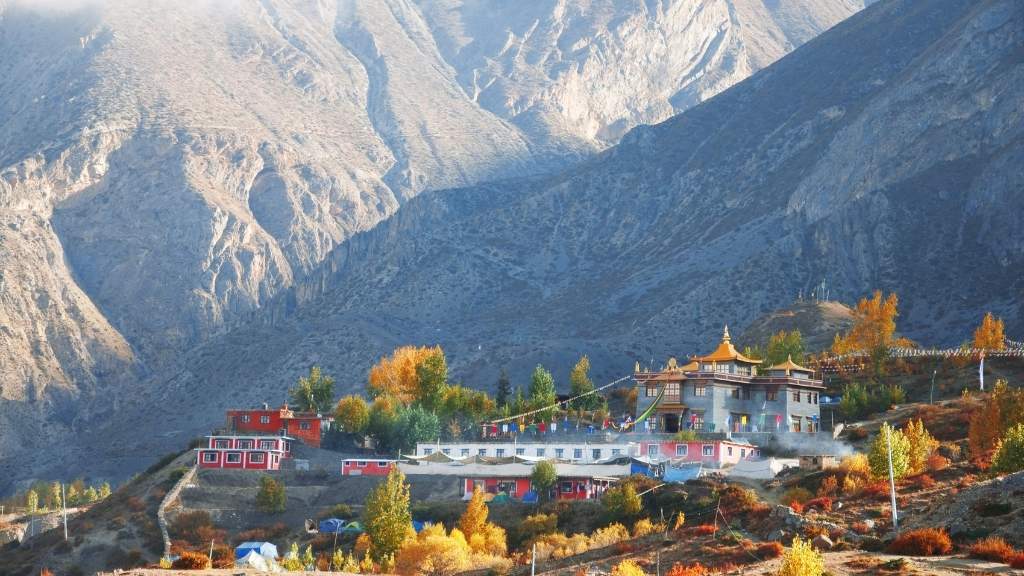
One of the most special parts of this trek is reaching Kyanjin Gompa in Langtang Valley. This beautiful village sits below giant Himalayan mountains and offers incredible views. Many trekkers spend extra time here to explore glaciers and enjoy sunrise views.
The trail continues toward the holy lakes of Gosainkunda Lake after Langtang Valley. These lakes are very important for both Hindu and Buddhist pilgrims. The blue water, high mountains, and peaceful surroundings make this place unforgettable.
Langtang Valley and Gosainkunda Lake Trek usually takes around 14 days depending on your itinerary and walking pace. This trek is popular because it offers:
- Beautiful Himalayan Mountain views
- Sacred alpine lakes
- Local Tamang and Buddhist culture
- Forests and wildlife
- Comfortable tea house trekking
- Less crowded trails than Everest and Annapurna
- Great adventure close to Kathmandu
Trekkers enjoy views of:
- Langtang Lirung
- Dorje Lakpa
- Ganesh Himal
- surrounding snow-covered Himalayan peaks
Langtang Gosainkunda Trek is a great choice for trekkers who want nature, culture, mountains, and spiritual beauty in one trip. It feels peaceful, natural, and personal. And because the route is close to Kathmandu, it is easier to reach than many remote Himalayan treks.
Langtang Gosainkunda Trek is one of the best choices for travelers looking for a real Himalayan trekking experience in Nepal without large crowds.
Why Choose Langtang Valley and Gosainkunda Lake Trek in Nepal
A peaceful Himalayan trek with mountain views, local culture, and sacred lakes. TheLangtang Valley and Gosainkunda Lake Trek in Nepal is a very special trekking route. It brings together beautiful mountain views, peaceful forests, traditional villages, and one of Nepal’s most sacred lake areas in a single journey.
Many trekkers visit Everest or Annapurna, but Langtang and Gosainkunda offers you something different. The trails feel quieter, more natural, and closer to local life. You will walk through mountain villages, meet friendly local people, and enjoy Himalayan scenery without large crowds.
For travelers looking for a trek that feels peaceful and meaningful while still offering adventure, this route is one of the best in Nepal.
Langtang Valley and Gosainkunda Lake Trek offers Beautiful mountain views from the beginning
One reason people love this trek is the mountain scenery. As you leave Kathmandu and enter the Rasuwa region, the landscapes begin to change. Green hills slowly open into wide valleys and snowy peaks. During the trek you can enjoy views of:
- Langtang Lirung
- Dorje Lakpa
- Ganesh Himal
- mountain glaciers
- rocky high passes
- deep valleys
- sunrise over snow-covered peaks
The views feel close and powerful, especially around Langtang Valley and Gosainkunda. The mountains here feel wild and peaceful at the same time.
Culture and Nature on the Langtang Valley and Gosainkunda Lake Trek
This trek is not only about mountains. It also gives a strong local cultural experience. The Langtang region is home to Tamang communities. Their lifestyle, food, language, and traditions are deeply connected to the Himalayas. Along the trail you will see:
- stone-built mountain villages
- Buddhist prayer flags
- mani walls
- chortens
- monasteries
- yak grazing fields
- traditional tea houses
Trekkers often enjoy spending time with local families and learning about village life. This cultural side makes the journey feel more personal.
Sacred beauty of Gosainkunda Lake
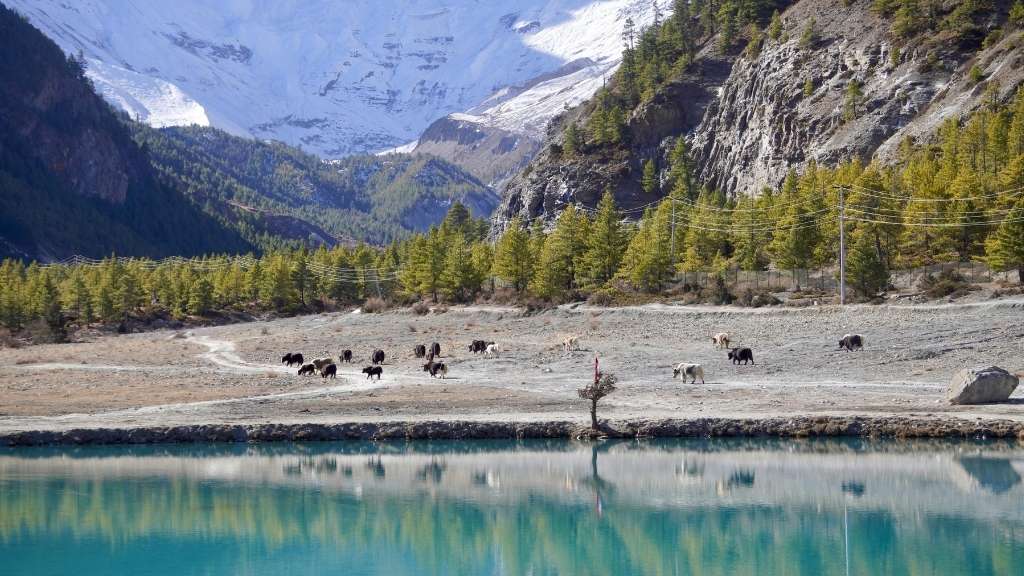
One of the biggest reasons to choose this trek is reaching Gosainkunda Lake. This high-altitude lake is one of the holiest places in Nepal. Pilgrims visit every year, especially during Janai Purnima. The lake is surrounded by rocky hills and Himalayan peaks. The blue water looks beautiful in every season.
Many trekkers say Gosainkunda becomes one of their most unforgettable memories in Nepal. The place feels calm and powerful. Even sitting beside the lake for a short time feels special.
Langtang Valley and Gosainkunda Lake Trek is Less crowded than popular trekking routes
Another reason travelers choose Langtang Gosainkunda is the peaceful trail. Compared with Everest Base Camp or Annapurna Base Camp, Langtang Gosainkunda trek gives you:
- fewer trekkers
- quieter tea houses
- more open trails
- peaceful villages
- easier mountain moments without crowds
You can walk slowly, enjoy nature, and take in the views. For photographers and travelers who enjoy quiet mountain trails, this is a big advantage.
Close to Kathmandu and easy to access
This trek is also convenient. From Kathmandu, the road journey to Syabrubesi is manageable. No domestic flight is needed. That means:
- easier travel planning
- fewer transport delays
- lower trip cost
- more flexibility
For many trekkers, this makes Langtang Gosainkunda easier than some remote Himalayan routes.
Good balance of challenge and comfort
The trek feels adventurous but still comfortable. You walk through forests, villages, valleys, and high-altitude trails. At the same time, tea houses provide:
- meals
- warm drinks
- simple rooms
- mountain hospitality
The route feels challenging enough to feel rewarding but comfortable enough for many trekkers with decent fitness.
Wildlife and changing landscapes
The scenery changes often during the trek. You may walk through:
- bamboo forests
- rhododendron forests
- waterfalls
- alpine meadows
- glacier valleys
- rocky mountain trails
- sacred lakes
Wildlife may include:
- Himalayan birds
- mountain goats
- yak caravans
- local livestock
Because the landscape changes every few days, the trek always feels fresh.
Perfect for trekkers wanting more than one experience
Many trekking routes focus on one thing. Langtang Gosainkunda gives several experiences together:
- mountain trekking
- village culture
- sacred pilgrimage route
- nature and forests
- glacier scenery
- high-altitude lake views
That combination makes the trek feel complete. You experience both adventure and peaceful mountain culture in one journey.
Why many trekkers love Langtang Gosainkunda Trek
Travelers often choose this trek because it offers:
- beautiful Himalayan views
- sacred lakes
- rich Tamang culture
- peaceful trails
- tea house comfort
- easy access from Kathmandu
- fewer crowds
- great photography spots
- memorable local experiences
- strong spiritual mountain atmosphere
Langtang Gosainkunda Trek is perfect for people who want a real Himalayan trekking adventure in Nepal with nature, culture, and peaceful mountain beauty together.
Langtang Gosainkunda Trek Cost and Package Details
Complete cost guide for Langtang Gosainkunda Trek in Nepal
One of the good things about the Langtang Gosainkunda Trek in Nepal is that it gives an amazing Himalayan trekking experience without the higher costs of some other famous trekking routes because the trek is close to Kathmandu and does not require domestic flights, many trekkers find it more affordable while still enjoying mountain views, culture, and beautiful landscapes.
The total cost depends on:
- trekking days
- guide or porter service
- accommodation
- food and drinks
- permits
- transportation
- gear rental
- personal spending
Some travelers join a trekking package, while others customize their own trip. Here is a simple breakdown.
Trek permit cost
For Langtang Gosainkunda Trek, trekkers need permits. Main permits usually include:
- Langtang National Park Entry Permit
- Required to enter the protected trekking area.
- TIMS card (if needed depending on trekking arrangement)
These are used for trekker registration and safety.
Permit costs can change with government updates, so it is always good to check before arrival. These permits help support conservation and trail management in the Langtang region.
Transportation cost
The trek usually starts with a road trip from Kathmandu to Syabrubesi. At the end, trekkers return from Dhunche or nearby back to Kathmandu. Transport options may include:
Local bus
- Budget-friendly option.
- Good for travelers keeping costs low.
Shared jeep
- More comfortable and faster.
- Popular with trekking groups.
Private jeep
- Most flexible and comfortable.
- Great for travelers wanting easier transport.
Private transport costs more but saves time and feels easier.
Guide and porter cost
Many trekkers choose local trekking support.
Guide
A guide helps with:
- route planning
- daily trekking support
- local knowledge
- culture and villages
- safety
- altitude advice
- communication with tea houses
Guides also make the journey easier and more comfortable.
Porter
A porter helps carry heavy bags.
This makes walking more enjoyable, especially on uphill sections. Many trekkers find this very helpful. Hiring local staff also supports mountain communities.
Accommodation cost
Tea houses are available throughout the route. Rooms are simple but comfortable. Most include:
- bed
- blanket
- shared bathroom
- dining area
At lower elevations, options may feel slightly more comfortable. Higher areas are more basic because supplies are harder to transport. Tea houses are warm and welcoming. Evenings around the dining room often become a favorite trekking memory.
Food and drinks cost
Meals are available every day on the route. Popular foods include:
- Dal Bhat
- noodles
- fried rice
- soup
- eggs
- bread
- potatoes
- pancakes
- tea
- coffee
Higher altitude usually means higher prices because supplies are carried up. Drinking water may include:
- boiled water
- filtered water
- bottled water
Many trekkers carry reusable bottles and water purification tablets.
Gear and equipment cost
If you already own trekking gear, costs stay lower. If not, many items can be rented in Kathmandu. Some of the common gear includes:
- trekking boots
- sleeping bag
- down jacket
- backpack
- trekking poles
- gloves
- hat
Renting gear helps many travelers save money.
Extra personal expenses
Travelers often spend extra on:
- snacks
- charging devices
- WiFi
- hot shower
- bakery items
- drinks
- souvenirs
- tipping guides and porters
These costs vary from person to person.
Average total budget
A simple idea for planning:
Budget trek
- Lower-cost transport + basic tea houses.
Mid-range trek
- Guide + comfortable tea house + normal daily spending.
Private trekking package
- Guide + porter + transport + permits + accommodation + meals.
This option feels easier because most details are arranged.
What is usually included in trekking packages?
Many trekking companies include:
- airport pickup
- Kathmandu hotel
- transport
- permits
- guide
- porter
- accommodation
- meals during trek
- government taxes
Some packages also include:
- farewell dinner
- trekking map
- emergency support
Always check package details clearly.
Is Langtang Gosainkunda Trek worth the cost?
For many travelers, yes. The trek offers:
- mountain views
- beautiful Langtang Valley
- sacred Gosainkunda Lake
- local culture
- tea house experience
- peaceful trekking routes
- easy access from Kathmandu
Compared with many Himalayan adventures, the experience feels very rewarding for the budget. It gives trekkers nature, culture, adventure, and unforgettable Himalayan memories in one beautiful trip.
Best Time for Langtang Gosainkunda Trek
When is the best season to trek Langtang Gosainkunda in Nepal?
The Langtang Gosainkunda Trek in Nepal can be done in different seasons, but some months are much better than others. Because this trek includes both Langtang Valley and the higher alpine area around Gosainkunda Lake, weather plays a big role in your trekking experience.
The best trekking season usually depends on:
- mountain visibility
- temperature
- trail condition
- snowfall
- rainfall
- personal trekking style
Some trekkers want warm days and flowers. Some want crystal-clear mountain views. Others enjoy peaceful winter trails.
Here is a simple season guide.
Spring season (March to May)
Spring is one of the best times for Langtang Gosainkunda Trek. The weather becomes warmer after winter and the hills start turning green. This season feels fresh and colorful. Trekkers enjoy:
- clear mountain views
- warmer daytime temperatures
- blooming rhododendron forests
- comfortable walking weather
- beautiful landscapes
- active tea houses
The forests between Syabrubesi and higher villages look especially beautiful during spring.
Views of:
- Langtang Lirung
- Dorje Lakpa
- surrounding snowy peaks
are often very clear.
At higher altitude around Gosainkunda mornings can still feel cold, but the skies are usually excellent. Spring is perfect for:
- mountain views
- flowers and green hills
- photography
- first-time trekkers
- stable trekking conditions
Autumn season (September to November)
Autumn is also considered the best season. After monsoon, the skies often become very clear. The air feels fresh. Mountain views are usually excellent. This is one of the most popular trekking seasons in Nepal. Autumn offers:
- dry trails
- stable weather
- clear sunrise views
- amazing mountain photography
- comfortable temperatures
- lively trekking atmosphere
The views around Gosainkunda Lake can be especially beautiful. The lake often reflects the surrounding mountains clearly. Autumn is ideal for:
- best visibility
- comfortable trekking weather
- clear Himalayan scenery
- cultural trekking season
- travelers wanting the classic Nepal trekking experience
Winter season (December to February)
Winter brings colder temperatures. Higher areas around Gosainkunda may receive snow. The landscapes become very quiet and beautiful. Trekkers who choose winter often enjoy:
- peaceful trails
- dramatic snowy views
- fewer trekkers
- fresh mountain air
But winter also means:
- colder nights
- snow on trails
- extra gear needed
- slower walking in high areas
The route can feel harder around the lake if heavy snow arrives. Still, winter can be amazing for experienced trekkers who enjoy quiet mountains. This season is best for:
- fewer crowds
- snow-covered landscapes
- peaceful trekking
Monsoon season (June to August)
Monsoon brings regular rain. Lower parts of the trail become greener. Waterfalls look beautiful. But trekking can feel harder. The possible conditions include:
- wet trails
- clouds
- rain
- slippery sections
- limited mountain visibility
Higher mountain views are not always clear. However, some trekkers still enjoy monsoon for:
- quiet villages
- fresh landscapes
- fewer visitors
Gosainkunda can still feel beautiful, but weather may change quickly. For most trekkers, the best months are:
Spring
- March
- April
- May
Autumn
- September
- October
- November
These months usually give the best balance of:
- visibility
- trail condition
- comfortable temperatures
- photography
- overall trekking experience
- Weather at higher altitude
The weather near Gosainkunda Lake changes fast. A sunny morning can become cold and windy later. Trekkers should prepare for:
- strong sun
- cold mornings
- chilly nights
- sudden weather change
- wind in open areas
Layered clothing helps a lot.
Which season is best for you?
You can choose spring if you want:
- warmer trekking days
- flowers
- green hills
- colorful nature
Choose autumn if you want:
- the clearest mountain views
- dry trails
- classic trekking weather
Choose winter if you want:
- snow
- quiet trails
Choose monsoon if you prefer:
- green landscapes
- fewer trekkers
For most travelers visiting Nepal, the best time for Langtang Gosainkunda Trek is spring and autumn. These seasons offer:
- clear Himalayan Mountain views
- comfortable trekking weather
- beautiful forests
- easier trail conditions
- unforgettable views of Langtang Valley and Gosainkunda Lake
The right season can make the trek even more memorable.
Trek Difficulty, Altitude and Acclimatization
How hard is the Langtang Gosainkunda Trek?
The Langtang Gosainkunda Trek in Nepal is considered a moderate-level trek. This means it is not a technical climbing route, but it still requires good walking stamina, basic fitness, and mental preparation.
You do not need mountaineering skills, ropes, or climbing experience. However, you will walk for many days in a row, often on uphill and downhill mountain trails. The trek becomes more challenging mainly because of altitude and long walking hours rather than technical difficulty.
Daily walking difficulty
On average, trekkers walk:
- 4 to 7 hours per day
- sometimes up to 8 hours on longer days
- uphill stone steps in lower regions
- rocky and uneven trails in higher regions
The early part of the trek from Kathmandu to Langtang Valley is more forested and gradual. As you move toward Gosainkunda Lake, the trail becomes steeper, colder, and more physically demanding.
Altitude overview
Altitude plays an important role in this trek. You start at low elevation near Kathmandu and slowly climb into high mountain areas. Some of key elevation points include:
- Syabrubesi: around 1,500m
- Langtang Village: around 3,400m
- Kyanjin Gompa: around 3,800m
- Gosainkunda Lake: around 4,380m
At higher altitudes, the air becomes thinner and walking feels more tiring. This is completely normal in Himalayan trekking.
What is altitude sickness?
Altitude sickness (AMS) happens when your body does not adjust quickly enough to lower oxygen levels. It may cause:
- headache
- dizziness
- tiredness
- nausea
- loss of appetite
- difficulty sleeping
Most trekkers experience only mild symptoms if they walk slowly and drink enough water. Serious cases are rare when proper precautions are followed.
How to acclimatize properly
Acclimatization means giving your body time to adjust to altitude. Good acclimatization practices include:
- Do not rush. A steady pace helps your body adjust naturally.
- Hydration is very important at high altitude.
- Short breaks during walking help reduce pressure on the body.
- Places like Kyanjin Gompa are important for rest and exploration.
- Energy food like dal bhat helps maintain strength.
What makes this trek physically challenging?
Even though it is moderate, some parts are tough:
- long uphill stone steps
- cold temperatures at higher altitude
- thinner oxygen near Gosainkunda
- long trekking days
- carrying backpacks
But the trail is well-established and does not require climbing skills. With proper pacing, most trekkers complete it successfully.
Who can do this trek?
This trek is suitable for:
- beginners with good fitness
- experienced trekkers
- solo travelers with guide
- photographers
- cultural travelers
- nature lovers
You should be comfortable walking several hours a day for multiple days.
Tips to make the trek easier
Here are simple ways to make your journey smoother:
- train by walking before the trek
- carry a light backpack
- wear comfortable trekking shoes
- stay hydrated
- avoid alcohol during the trek
- sleep well at tea houses
- follow your guide’s advice
These small habits make a big difference. The Langtang Gosainkunda Trek is:
- not technical
- physically moderate
- altitude challenging in upper sections
- manageable with preparation
Inside Nepal, it is considered one of the best treks for people who want a real Himalayan experience without extreme difficulty. The combination of forests, valleys, and high alpine lakes makes it rewarding at every step. Especially when you reach Gosainkunda Lake, all effort feels worth it.
Accommodation and Food During the Trek
During the Langtang Gosainkunda Trek in Nepal, you will stay in simple mountain lodges called tea houses. These tea houses are found along the entire route, from lower villages near Kathmandu side all the way up to high mountain areas like Gosainkunda Lake.
They are basic but very important for trekkers because they provide food, rest, and warmth in remote Himalayan areas.
Accommodation in tea houses
Tea houses are small lodges run by local families. They are simple but comfortable enough for trekking needs. Most of the rooms include:
- twin beds
- mattress and pillow
- warm blanket (sometimes limited at high altitude)
- shared bathroom facilities
- wooden or stone-built rooms
At lower elevations, rooms feel more comfortable. As you go higher toward Gosainkunda, the facilities become simpler due to difficult transportation. Even though they are basic, tea houses offer something very special; warm Nepali hospitality in the mountains.
Dining hall experience
Every tea house has a common dining area. This is the warmest and most social place in the lodge. Inside the dining hall you will find:
- wooden benches and tables
- a central heater or stove
- trekkers from different countries
- guides and porters resting after the day
In the evening, this place becomes very lively and friendly. People share stories, eat together, and relax after long walking days. It feels like a small mountain community.
Food on the trekking route
Food is freshly prepared in tea houses along the trail. Even in remote areas of Nepal, you will always find warm meals. Some common food options include:
- Dal Bhat (rice, lentils, vegetables)
- noodles (fried or soup)
- fried rice
- pasta and macaroni
- soups (garlic soup is very popular at altitude)
- eggs (boiled, omelette, fried)
- pancakes and bread items
- tea, coffee, and hot lemon drinks
Dal Bhat is the most important trekking meal because it gives long-lasting energy and is often served with refills.
Food changes with altitude
As you go higher toward Gosainkunda Lake, food becomes:
- simpler
- slightly more expensive
- limited in variety
This happens because all supplies must be carried by porters or animals. Lower villages offer more options, while higher areas focus on basic but energy-rich meals.
Drinking water on the trek
Safe drinking water is very important during trekking. You can get water in different ways:
- boiled water from tea houses
- filtered water
- bottled water (available in lower areas)
Many trekkers also use water purification tablets or filters. Staying hydrated helps reduce altitude sickness and keeps energy levels stable.
Electricity and charging
Electricity is available in most tea houses, but it is limited. Charging phones or cameras may cost extra, especially at higher altitude. Power is usually solar or generator-based in remote areas. It is a good idea to carry a power bank.
WiFi and communication
WiFi is available in some lower villages, but it is:
- slow
- unstable
- sometimes not available
Mobile network works in some parts of the trail but not everywhere. Many trekkers choose to disconnect and enjoy nature during the journey.
Hygiene and comfort level
Tea houses are clean but basic. You can expect:
- shared bathrooms
- simple washing facilities
- cold water in higher regions
- limited hot showers (extra cost in some places)
Comfort decreases with altitude, but experience increases. The higher you go, the more natural and peaceful it feels.
What makes tea house trekking special?
Tea house trekking is one of the most unique parts of the Langtang Gosainkunda experience. It gives you:
- local cultural experience
- interaction with mountain families
- simple Himalayan lifestyle
- warm hospitality
- community atmosphere
This is not luxury travel. It is real mountain living.
Accommodation and food on the Langtang Gosainkunda Trek are simple but very meaningful. You may not get luxury rooms, but you get something more valuable:
- warm local hospitality
- fresh mountain food
- peaceful nights in nature
- unforgettable dining hall experiences
Especially near Gosainkunda Lake, staying in tea houses becomes part of the adventure itself. It makes the trek feel real, authentic, and deeply connected to the Himalayas.
Culture and Local Experience in Langtang & Gosainkunda
The Langtang Gosainkunda Trek in Nepal is not only about mountains and lakes. It is also a journey through rich local culture, traditions, and spiritual life. Along the trail, you will meet friendly mountain communities, mainly the Tamang people, who have lived in this region for generations.
As you move from the lower hills near Kathmandu toward high mountain areas like Gosainkunda Lake, you will notice how culture slowly changes with altitude, environment, and lifestyle.
This trek gives you a real feeling of Himalayan life, not just a tourist experience.
Tamang culture and mountain lifestyle
The main ethnic group in this region is the Tamang community. Their culture is deeply connected to Tibetan Buddhism and mountain traditions. Along the trail, you will see:
- traditional stone houses
- prayer flags on rooftops and hills
- mani walls carved with Buddhist mantras
- chortens (small stupas)
- spinning prayer wheels in villages
Life here is simple and closely connected to nature. People depend on farming, animal husbandry, and trekking tourism for their livelihood. Trekkers often find locals very welcoming and humble. Even a simple greeting in villages feels warm and respectful.
Buddhist influence in the region
Buddhism plays an important role throughout the Langtang region. You will often hear chanting, see monasteries, and observe spiritual symbols along the trail. Important spiritual elements include:
- monasteries (gompas)
- prayer wheels
- incense offerings
- chanting monks
- sacred mountain beliefs
One of the most peaceful places is Kyanjin Gompa, where you can visit a monastery and feel the calm mountain spiritual atmosphere. The environment feels quiet, respectful, and deeply connected to nature.
Sacred importance of Gosainkunda
One of the most important cultural highlights of the trek is Gosainkunda Lake. This high-altitude lake is considered sacred by both Hindus and Buddhists. According to belief, the lake was created by Lord Shiva, and many pilgrims visit it every year, especially during the festival of Janai Purnima.
At this time, thousands of devotees walk to the lake for religious bathing and prayers. Even outside the festival season, the lake feels spiritual and peaceful. Many trekkers sit quietly by the water, enjoying silence and mountain views.
Local food and hospitality
One of the most memorable parts of this trek is the hospitality of local people. Tea house owner’s welcome trekkers warmly, often treating them like family guests. You will experience:
- homemade meals
- warm greetings
- simple but caring service
- stories from local life
- shared dining rooms with trekkers and guides
Even in remote areas, people remain kind and helpful. This makes the journey feel safe and friendly.
Festivals and traditions
If you trek during the right season, you may witness local festivals. Some important cultural celebrations include:
- Lhosar (Tamang New Year)
- Janai Purnima at Gosainkunda
- Buddhist prayer ceremonies
- village festivals and gatherings
These events show music, dancing, traditional clothes, and spiritual rituals. They give trekkers a deeper understanding of local life.
Everyday life in the mountains
Life in this region is simple but hardworking. People here:
- walk long distances daily
- carry supplies by foot or animals
- farm on terraced hills
- depend on seasons for agriculture
- welcome trekkers with kindness
Children often walk to school through mountain paths. Despite challenges, life feels peaceful and connected to nature.
Interaction with trekkers
Locals are used to welcoming trekkers from all over the world. Simple interactions include:
- greetings on the trail
- sharing tea in lodges
- conversations about culture
- learning basic Nepali words
Many trekkers remember these small interactions more than the mountains themselves.
Why culture makes this trek special
The Langtang Gosainkunda Trek is special because it is not only a nature journey—it is also a cultural experience. You don’t just see mountains. You also see:
- living traditions
- spiritual beliefs
- mountain lifestyle
- human connection in remote areas
It feels real, honest, and untouched. The cultural experience of the Langtang Gosainkunda Trek in Nepal is simple but powerful. From Tamang villages to Buddhist monasteries and sacred places like Gosainkunda Lake, every step shows a different part of Himalayan life.
It is a journey where nature and culture exist together in a beautiful balance.
Packing List and Trek Preparation Tips
The Langtang Gosainkunda Trek in Nepal takes you through forests, villages, and high mountain areas like Gosainkunda Lake. Because the route includes both lower warm areas and cold high-altitude regions, packing correctly is very important.
Good packing makes your trek easier, safer, and more comfortable. You don’t need expensive gear, but you do need the right essentials.
Clothing (very important)
Weather changes a lot during this trek, so layering is the key. You should pack:
- lightweight t-shirts
- thermal base layers
- warm fleece jacket
- down jacket (for cold areas)
- waterproof jacket and pants
- trekking trousers
- warm hat (beanie)
- sun hat or cap
- gloves (light + warm pair)
- enough underwear and socks
- quick-dry clothes
In higher areas near Gosainkunda, nights can become very cold, so warm layers are essential.
Footwear
Good shoes make a huge difference on this trek. You should bring:
- strong trekking boots (waterproof if possible)
- comfortable sandals or slippers (for tea houses)
- warm trekking socks (wool or thermal)
Your boots should already be used before the trek to avoid blisters. The trail can be rocky, muddy, or snowy depending on season.
Trekking gear
These items help you walk safely and comfortably:
- backpack (30–50L for daily use)
- duffel bag (if you use porter)
- trekking poles (very helpful on steep sections)
- sleeping bag (important for cold nights)
- headlamp with extra batteries
- rain cover for bag
Trekking poles are especially useful during long descents.
Personal items
Don’t forget small but important items:
- sunglasses (UV protection)
- sunscreen (high SPF)
- lip balm
- personal hygiene items
- hand sanitizer
- wet wipes
- small towel
Sun is strong even in cold mountain areas.
First aid and health items
You should carry a small personal medical kit:
- basic painkillers
- altitude sickness medicine (if needed)
- band-aids
- antiseptic cream
- stomach medicine
- personal prescription medicines
Altitude near Gosainkunda Lake makes health care planning important.
Important documents
You should always carry:
- passport
- trekking permits
- travel insurance copy
- emergency contact details
- passport photos (for permits if needed)
Keep them safe in a waterproof pouch.
Electronics
You must have useful electronic items include:
- mobile phone
- power bank
- charging cable
- camera
- universal adapter
Charging is available in tea houses but may cost extra at higher altitude.
Trek preparation before coming to Nepal
Before starting the trek in Nepal, some basic preparation helps a lot. You should:
- walk or hike regularly before the trip
- do light cardio exercises
- practice stair climbing
- improve stamina gradually
- stay hydrated in daily life
- avoid last-minute heavy physical stress
Good fitness makes the trek much more enjoyable.
Mental preparation
Trekking is not only physical. It is also mental. You should be ready for:
- long walking days
- simple accommodation
- changing weather
- limited internet
- basic facilities in mountains
A positive mindset makes the experience much better.
Packing mistakes to avoid
Many trekkers make simple mistakes like:
- carrying too much unnecessary clothing
- bringing heavy luggage
- wearing new shoes without breaking them in
- forgetting warm layers
- ignoring rain protection
Packing light but smart is always best.
For the Langtang Gosainkunda Trek in Nepal, good packing is very important because the route changes from warm valleys to cold high mountains near Gosainkunda Lake. If you pack properly, your trek becomes:
- safer
- more comfortable
- more enjoyable
- less stressful
Simple preparation makes a big difference in the Himalayas.
Major Trip Highlights of Langtang Gosainkunda Trek in Nepal
- Langtang Valley mountain views
- Sacred Gosainkunda Lake
- Tamang culture and villages
- Peaceful trekking trails
- Close to Kathmandu
- Moderate difficulty
- Tea house experience
- Less crowded routes