

Trip Facts of Annapurna Base camp Trek
-
4130m
-
1-20 people
-
Bus/Car/Van/Flight
-
Spring & Autumn
-
Moderate
-
Breakfast/Lunch/Dinner
-
ACAP & TIMS
-
Trekking
-
Kathmandu
-
Kathmandu
-
Hotel & Tea House
-
Basic Fitness Required
Annapurna Base Camp Trek Overview
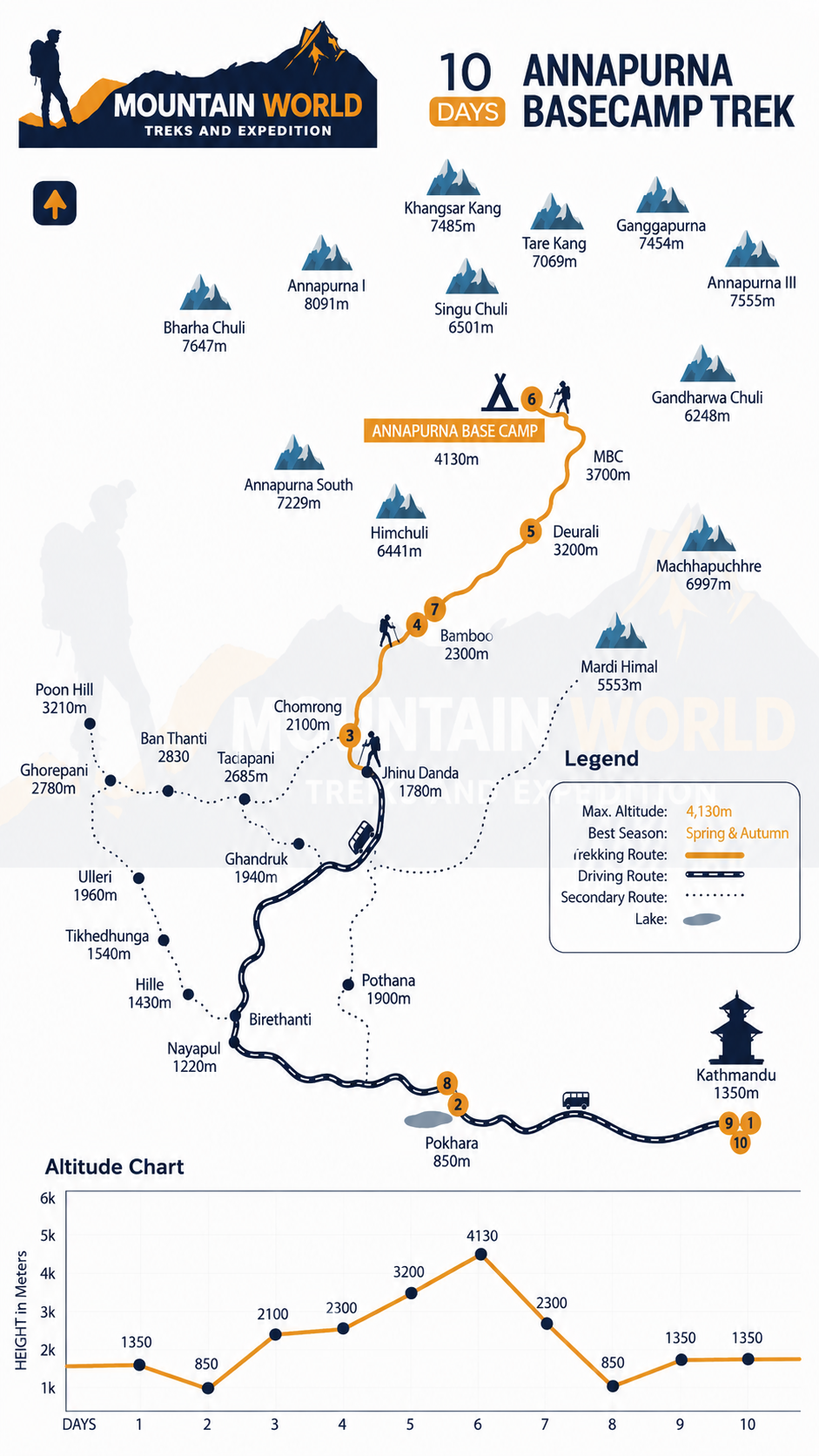
The Annapurna Base Camp Trek is a moderate trek in Nepal that enters the Annapurna Sanctuary and reaches Annapurna Base Camp at 4,130m (13,550 ft). The trek typically takes 7–12 days depending on the itinerary and offers views of Annapurna I, Machapuchare, and surrounding Himalayan peaks. It passes through traditional Gurung villages and includes teahouse accommodation along the route.
Why Choose the Annapurna Base Camp Trek?
The Annapurna Base Camp Trek is a moderate Himalayan trek in Nepal suitable for beginners and experienced trekkers. It reaches 4,130m and involves no technical climbing, making it one of the most accessible high-altitude treks in the Himalayas. The route offers close mountain views, cultural village experiences, and comfortable teahouse stays throughout the journey.
Why trekkers love the Annapurna Base Camp Trek
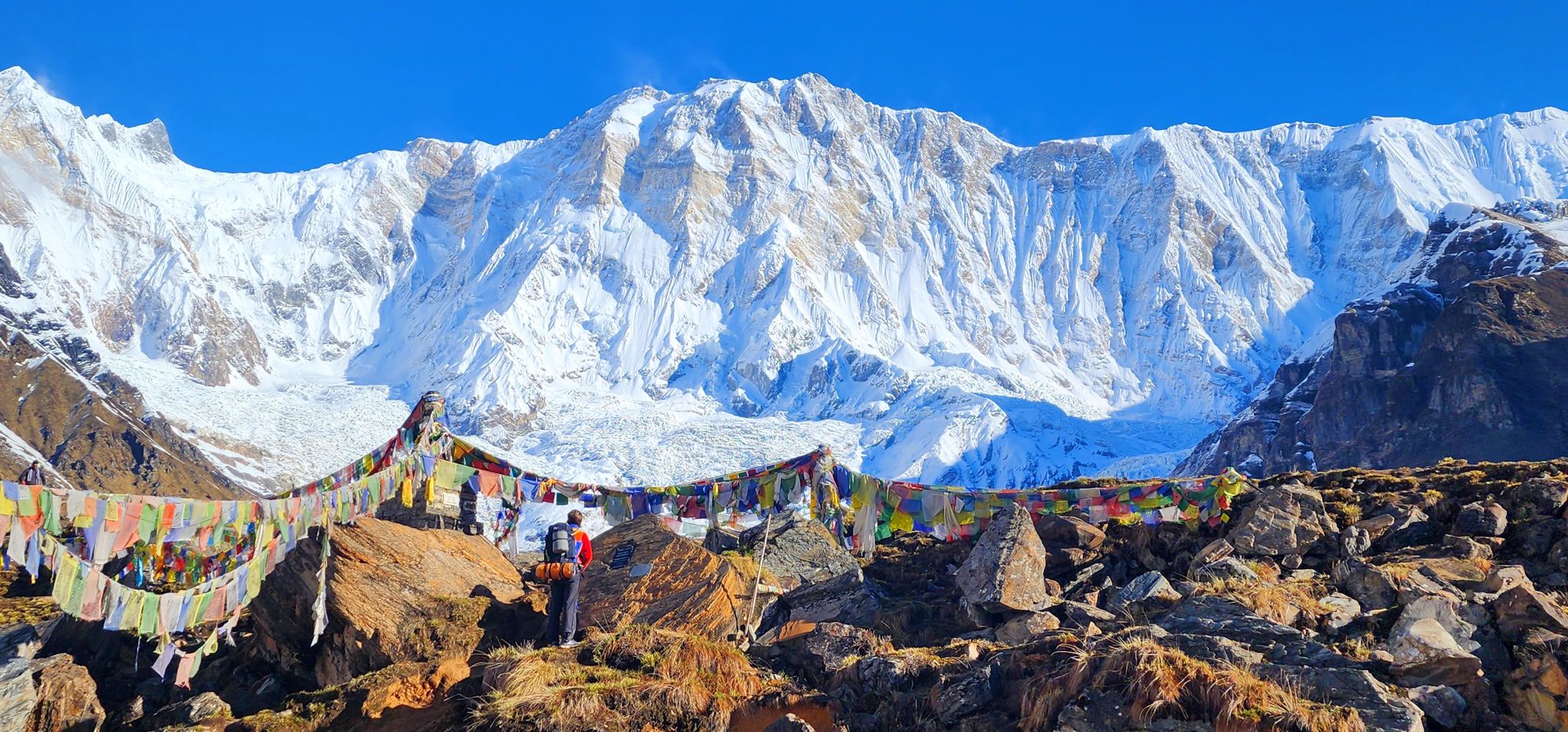
- Stand beneath Annapurna I (8,091 m) and enjoy close-up views of Machhapuchhre (Fishtail), Hiunchuli, Gangapurna, and other snow-capped Himalayan peaks from Annapurna Base Camp (4,130 m / 13,550 ft).
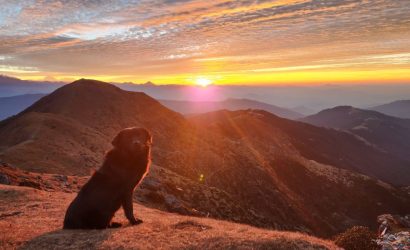
- Witness an unforgettable Himalayan sunrise as the first rays of sunlight illuminate the Annapurna massif, creating one of Nepal’s most spectacular mountain panoramas.
- Ideal for beginners and experienced trekkers with a moderate difficulty level. No technical climbing, mountaineering skills, or special equipment are required.
- Experience incredible landscape diversity, from terraced farmland and traditional mountain villages to rhododendron forests, bamboo groves, alpine meadows, glaciers, and high Himalayan terrain.
- Stay in traditional family-run teahouses and enjoy warm Nepali hospitality, comfortable accommodation, and freshly prepared local meals throughout the journey.
- Discover the culture of the Gurung and Magar communities, visiting traditional villages where local customs and mountain lifestyles have been preserved for generations.
- Enjoy outstanding photography opportunities with dramatic mountain vistas, waterfalls, suspension bridges, lush forests, and panoramic viewpoints throughout the trek.
- Complete the adventure in just 10 days, making it an excellent choice for travelers with limited holiday time who want an authentic Himalayan trekking experience.
Whether you’re planning your first trek in Nepal or looking for your next Himalayan adventure, the Annapurna Base Camp Trek offers an unforgettable combination of spectacular scenery, rich culture, and achievable adventure. It’s a journey that leaves you with not only incredible photographs but also lifelong memories of Nepal’s mountains and the people who call them home.
Watch our Annapurna Base Camp Trek video guide
Where Is Annapurna Base Camp Located?
Annapurna Base Camp is located at an altitude of 4,130m (13,550 ft) in the Annapurna Sanctuary within the Annapurna Conservation Area of Kaski District, Gandaki Province, Nepal. The trek to the base camp typically starts from Pokhara and passes through mountain villages, forests, and river valleys.
Key Facts
- Located at 4,130 m (13,550 ft) in the Annapurna Sanctuary.
- Surrounded by Annapurna I (8,091 m), Machhapuchhre (Fishtail), Hiunchuli, and Gangapurna.
- Situated inside the Annapurna Conservation Area, Nepal’s largest protected conservation area.
- The trek starts with a short drive from Pokhara to the trailhead before continuing on foot.
- The route follows the Modi Khola Valley, passing through traditional Gurung and Magar villages, rhododendron forests, and bamboo groves.
This unique location makes the Annapurna Base Camp Trek one of Nepal’s most scenic and accessible Himalayan adventures, offering spectacular mountain views without requiring technical climbing experience.
How Difficult Is the Annapurna Base Camp Trek?
The Annapurna Base Camp Trek is a moderate trek in Nepal suitable for beginners with good fitness levels. No technical climbing is required. Trekkers typically walk 5–7 hours per day over 7–12 days, reaching a maximum altitude of 4,130m (13,550 ft).
What makes it challenging:
- Reaches 4,130m (13,549 ft) at Annapurna Base Camp
- 5-7 hours of walking daily
- Thousands of stone steps between Chhomrong and Bamboo, steep ascents and descents
- Long trekking days with limited flat terrain
How to prepare: 4–6 weeks of regular aerobic training, hiking, cycling, running, or stair climbing, before departure.
Fit first-timers complete this trek every season, and prior Himalayan experience isn’t necessary. Strong legs and good lungs make the real difference between an exhausting slog and an enjoyable adventure.
Read our complete guide to Annapurna Base Camp trek difficulty – fitness prep timeline, daily walking distances, and what beginners should know.
When Is the Best Time to Trek Annapurna Base Camp?
The best time to trek Annapurna Base Camp is during spring (March–May) and autumn (September–November). These seasons offer stable weather, clear mountain views, and comfortable trekking temperatures. They are considered the safest and most popular periods for reaching Annapurna Base Camp at 4,130m in Nepal.
- Spring: Rhododendron forests in full bloom (Nepal’s national flower), warm days, cool clear nights
- Autumn: The clearest skies of the year right after monsoon widely considered the single best trekking window, near-guaranteed blue-sky days in October
- Winter: Quiet, uncrowded trails and often brilliantly clear skies, but snow above 3,000m and sharp temperature drops, not recommended for first-timers
- Monsoon: Lush green scenery and total solitude, but muddy trails, leeches below Chhomrong, and frequent cloud cover
Book well in advance for spring departures, teahouses fill up quickly in April.
Read our complete guide to the best time for the ABC trek – month-by-month weather, crowd levels, and packing tips per season.
Best Months at a Glance
| Season | Months | Overall Rating |
|---|---|---|
| Spring | March – May | ⭐⭐⭐⭐⭐ Excellent |
| Autumn | September – November | ⭐⭐⭐⭐⭐ Excellent |
| Winter | December – February | ⭐⭐⭐ Good for experienced trekkers |
| Monsoon | June – August | ⭐⭐ Not recommended for most trekkers |
How Much Does the Annapurna Base Camp Trek Cost?
The Annapurna Base Camp Trek costs from USD 699 per person for a standard 10-day package in Nepal. This price includes trekking permits, transportation, an experienced guide, porter service, teahouse accommodation, and all meals during the trek.
| Category | Details | Cost (USD) |
| All Required Permits | ACAP + TIMS card | $50 |
| Ground Transport | Kathmandu–Pokhara–Kathmandu (tourist bus) + private jeep trailhead transfers | $90 |
| Licensed Trekking Guide & Porter | Government-licensed | $180 |
| Teahouse Accommodation | 7 nights on trail | $80 |
| All Meals | Breakfast, lunch, dinner + tea/coffee (8 days) | $180 |
| City Accommodation | Kathmandu & Pokhara (twin sharing) | $50 |
| First Aid Kit | Emergency medical kit (guide-carried) | $15 |
| Operations & Support | Logistics, admin, emergency backup | $54 |
| Total Package | $699 |
Optional add-on: Kathmandu-Pokhara-Kathmandu domestic flight, $120 one way / $240 return per person.
Prices last updated: July 2026
Read our complete guide to Annapurna Base Camp trek costs – full price breakdown and what’s included vs. excluded.
Annapurna Base Camp Trek Packing List
For the Annapurna Base Camp Trek, pack layered clothing for changing mountain temperatures, waterproof trekking boots, a warm down jacket, and a sub-zero sleeping bag. Essential gear also includes trekking poles, gloves, a warm hat, sunglasses, sunscreen, and a reusable water bottle. These items help ensure safety and comfort while trekking up to 4,130m (13,550 ft) in the Himalayas.
Essential gear checklist:
- Sleeping bag (-10°C comfort rating)
- Down jacket, fleece, and thermal base layers
- Waterproof jacket and pants
- Waterproof hiking boots
- Warm hat, gloves, and trekking poles
- Headlamp and power bank
- Water bottles and purification tablets
- Sunscreen, sunglasses, and lip balm
- Personal medications and basic first-aid kit
- 35–45L daypack (or 55–65L pack if not hiring a porter)
Packing tip: Most trekkers only need 8-12 kg of personal gear, especially when hiring a porter. Pack light, layer smart, and skip unnecessary electronics.
Read our complete Annapurna Base Camp trek packing list – full gear checklist and expert packing tips.
What Are Food and Accommodation Like on the ABC Trek?
Accommodation on the Annapurna Base Camp Trek is in traditional teahouses, which are family-run mountain lodges offering basic rooms and shared facilities. Food is freshly prepared and includes local and international options such as dal bhat, noodles, fried rice, pasta, soups, and pancakes. Facilities become more basic as altitude increases toward Annapurna Base Camp at 4,130m.
Accommodation:
- Twin beds, foam mattresses, and mountain-facing windows
- Private bathrooms and hot showers available at lower altitude (Jhinu Danda, Chhomrong)
- Shared facilities become standard higher up, at Deurali and Annapurna Base Camp
- A four-season sleeping bag is provided on loan with our package
- Comfortable hotel stays with Wi-Fi and hot showers in Kathmandu and Pokhara
Food:
- Dal bhat (rice, lentil soup, vegetables, pickle), the trekker staple, with unlimited refills
- Noodle soups, vegetable fried rice, momos, Tibetan bread, and pasta also available
- Boiled or filtered water available at every teahouse, avoid untreated tap water
- Prices rise with altitude, since everything above Chhomrong is carried in by porter
The common dining room, warmed by a central stove, is where the real social heart of the trek happens, swapping stories with trekkers from around the world over dal bhat and coffee.
Read our complete guide to food and accommodation on the ABC trek – full menu breakdown and what to expect at each stop.
Altitude Sickness on the Annapurna Base Camp Trek
Altitude sickness is possible on the Annapurna Base Camp Trek, but the risk is generally low when you follow a proper itinerary. The trek reaches 4,130 m (13,550 ft), where some trekkers may experience mild Acute Mountain Sickness (AMS). Walking at a steady pace, staying hydrated, and recognizing early symptoms greatly reduce the risk.
Common mild AMS symptoms:
- Persistent headache
- Nausea and loss of appetite
- Fatigue
How we help prevent it:
- Guides trained in altitude illness recognition and first aid
- Daily health monitoring throughout the trek
- Guide-carried emergency medical kits
- Strict ascent protocol, descent recommended immediately if symptoms worsen, never itinerary pressure over health
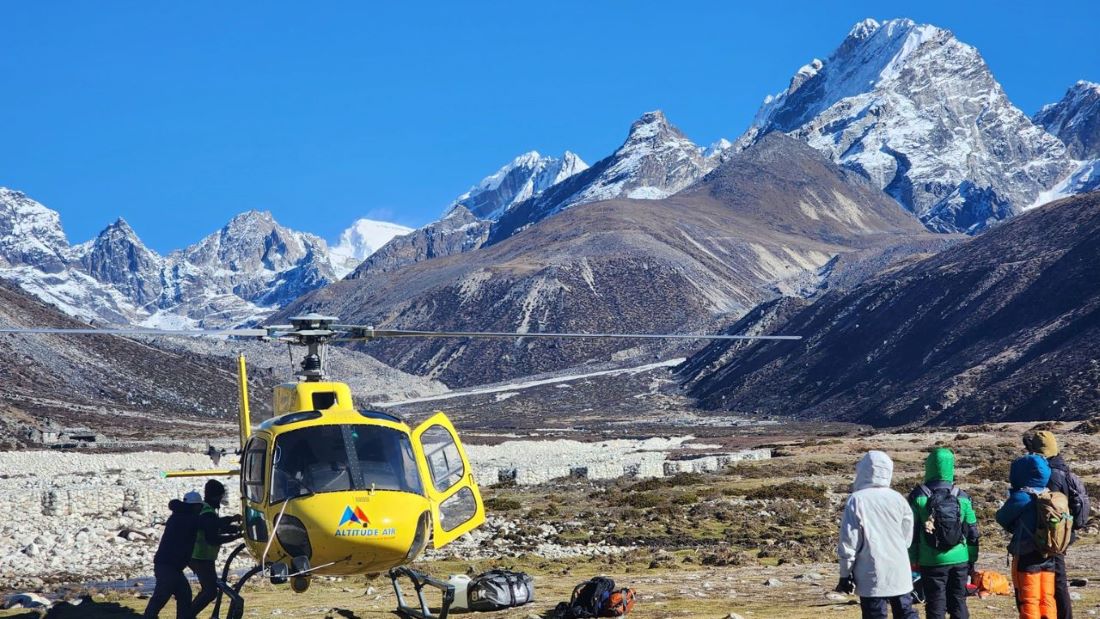
Comprehensive travel insurance covering emergency helicopter evacuation is strongly recommended and should be arranged before departure.
Read our complete guide to altitude sickness on the ABC trek – symptoms, prevention, and what to do if it happens.
What Permits Do You Need for the Annapurna Base Camp Trek?
The Annapurna Base Camp Trek requires two permits: the Annapurna Conservation Area Permit (ACAP) and the Trekkers’ Information Management System (TIMS) Card (where applicable). When you book with us, we arrange all required permits before your trek, so you can focus on enjoying your Himalayan adventure.
1. ACAP (Annapurna Conservation Area Permit)
Issued by Nepal’s National Trust for Nature Conservation, this permit grants entry to the Annapurna Conservation Area — one of the largest and most biologically diverse protected areas in Asia. Permit fees directly fund conservation programs and local community development in the region.
2. TIMS Card (Trekkers’ Information Management System)
Required by the Nepal Tourism Board for all trekkers, the TIMS Card registers your details for safety monitoring and is checked at entry checkposts along the trail. In an emergency, the TIMS system helps rescue teams quickly locate registered trekkers.
Read our complete guide to Annapurna Base Camp Trek permits – costs, how they’re processed, and what documents you’ll need.
The Annapurna Base Camp Trek is more than a walk to the mountains. It’s breathtaking landscapes, warm Gurung and Magar hospitality, and a connection with nature that stays with you long after the trail ends.