-
Bus, Airlines
-
3 Stars Hotels
-
5,416 metres
-
Kathmandu
-
Feb, Mar, Apr & May
-
Eco-Tour, Hiking
-
All meals during the trek
-
English, Spanish, French, Chinese
-
Easy to Moderate
-
2-15
Mardi Himal Trek Itinerary, Cost & Complete Travel Guide
The Mardi Himal Trek is one of Nepal’s most scenic and rewarding short trekking adventures, perfect for travelers seeking breathtaking Himalayan landscapes, peaceful mountain trails, and authentic local culture. Situated in the Annapurna region close to Pokhara, this hidden gem offers an unforgettable journey through dense rhododendron forests, traditional Gurung and Magar villages, alpine meadows, and spectacular high ridges with panoramic mountain views.
Known for its less crowded and off-the-beaten-path experience, the Mardi Himal Trek provides stunning close-up views of Machhapuchhre (Fishtail Mountain), Annapurna South, Hiunchuli, and the surrounding snow-capped Himalayan peaks. The trail gradually ascends through beautiful landscapes filled with diverse flora, wildlife, and peaceful tea house settlements, making it an ideal trekking destination for nature lovers, photographers, solo travelers, and adventure seekers.
The trek is suitable for both beginners and experienced hikers, offering a moderate trekking experience without requiring technical climbing skills. Along the way, trekkers can enjoy warm Nepali hospitality, traditional mountain lifestyles, and mesmerizing sunrise and sunset views over the Himalayas. Whether you are looking for a short Himalayan escape, an affordable trekking package, or a memorable adventure in Nepal, the Mardi Himal Trek delivers the perfect combination of natural beauty, cultural richness, and mountain exploration.
With easy access from Pokhara and flexible itineraries ranging from 5 to 7 days, the Mardi Himal Trek has become one of the best trekking destinations in Nepal for travelers who want a quieter alternative to the busy Annapurna Base Camp routes while still experiencing incredible Himalayan scenery and authentic trekking adventures.
Best Time to Visit Mardi Himal
The best time to visit the Mardi Himal Trek is during the spring (March to May) and autumn (September to November) seasons. These months offer clear skies, stable weather, comfortable temperatures, and breathtaking mountain views, making the trekking experience more enjoyable and safer for travelers from around the world.
Spring Season (March to May)
Spring is considered one of the most beautiful times to trek to Mardi Himal. During this season, the forests along the trail come alive with colorful rhododendron flowers, creating stunning natural scenery throughout the journey. The weather remains warm and pleasant during the daytime, while the mountain views are usually clear and spectacular.
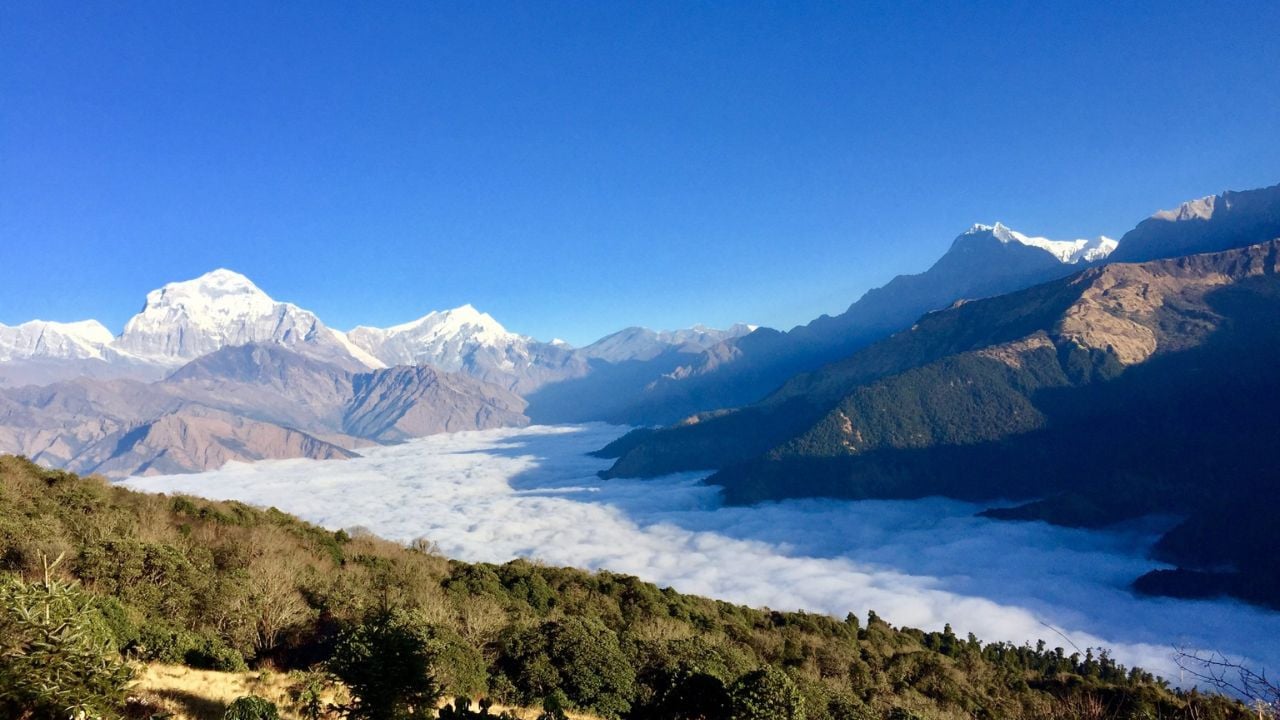
Trekkers can enjoy panoramic views of Machhapuchhre (Fishtail), Annapurna South, Hiunchuli, and other snow-covered peaks under bright blue skies. Spring is also ideal for photography, nature lovers, and first-time trekkers because the trails are vibrant and full of life.
Autumn Season (September to November)
Autumn is the most popular trekking season in Nepal and one of the best times to explore the Mardi Himal Trek. After the monsoon rains, the skies become crystal clear, offering incredible visibility of the Himalayan ranges. The weather is dry, stable, and comfortable, making trekking conditions excellent for both beginners and experienced hikers.
This season also coincides with major Nepali festivals like Dashain and Tihar, allowing trekkers to experience local culture and traditions during the journey. The fresh mountain air, scenic landscapes, and golden hillsides make autumn a perfect time for outdoor adventure in Nepal.
Winter Season (December to February)
Winter trekking to Mardi Himal is possible for adventurous travelers who enjoy peaceful trails and snowy landscapes. The route becomes quieter with fewer trekkers, offering a more remote and serene experience. Snowfall at higher elevations creates magical Himalayan scenery, especially near Mardi Himal Base Camp.
However, temperatures can drop below freezing during the night, and heavy snowfall may occasionally affect the trail conditions. Proper winter clothing and preparation are essential for trekking during this season.
Monsoon Season (June to August)
The monsoon season brings heavy rainfall to the Annapurna region, making trails muddy, slippery, and sometimes difficult to navigate. Clouds and rain can block mountain views, and leeches may appear in forest areas. Despite these challenges, the hills and forests become incredibly green and beautiful during monsoon.
This season is recommended mainly for experienced trekkers who prefer fewer crowds and lush natural landscapes. Travelers should prepare for unpredictable weather and carry proper rain gear.
Recommended Season
For the best overall trekking experience, spring and autumn are highly recommended for the Mardi Himal Trek. These seasons provide the perfect combination of pleasant weather, clear Himalayan views, blooming forests, and safe trekking conditions, allowing visitors to fully enjoy the beauty of Nepal’s hidden Himalayan paradise.
Trek Difficulty, Distance, and Altitude Details of Mardi Himal Trek
The Mardi Himal Trek is considered a moderate-level trek in Nepal, making it suitable for both beginners and experienced trekkers. Although the route does not require technical climbing skills, the trail includes continuous uphill and downhill walking through forests, ridges, and mountain paths. Trekkers should have a basic level of physical fitness and stamina to comfortably complete the journey.
Trek Difficulty Level
Compared to other popular trekking routes in the Annapurna region, the Mardi Himal Trek is shorter and less demanding. However, some sections of the trail, especially near High Camp and Mardi Himal Base Camp, can be steep and physically challenging due to the high altitude and rugged terrain.
Most trekkers walk for around 4 to 7 hours each day depending on the itinerary and pace. The trail passes through stone staircases, narrow forest routes, and exposed ridges with stunning mountain views. Since the trek gradually gains elevation, proper acclimatization and steady walking are important for a safe and enjoyable experience.
The trek is ideal for:
- Beginner trekkers looking for a Himalayan adventure
- Nature lovers and photographers
- Solo travelers and small groups
- Families with good fitness levels
- Experienced hikers seeking a short off-the-beaten-path trek
Total Trek Distance
The total trekking distance of the Mardi Himal Trek is approximately 40 to 50 kilometers (25 to 31 miles), depending on the chosen itinerary and starting point. Most trekking routes begin from Kande, Phedi, or Dhampus after a short drive from Pokhara.
A standard Mardi Himal Trek usually takes around 5 to 7 days to complete. Daily walking distances are moderate, allowing trekkers to enjoy the scenery, tea houses, and mountain atmosphere without rushing.
Altitude Details
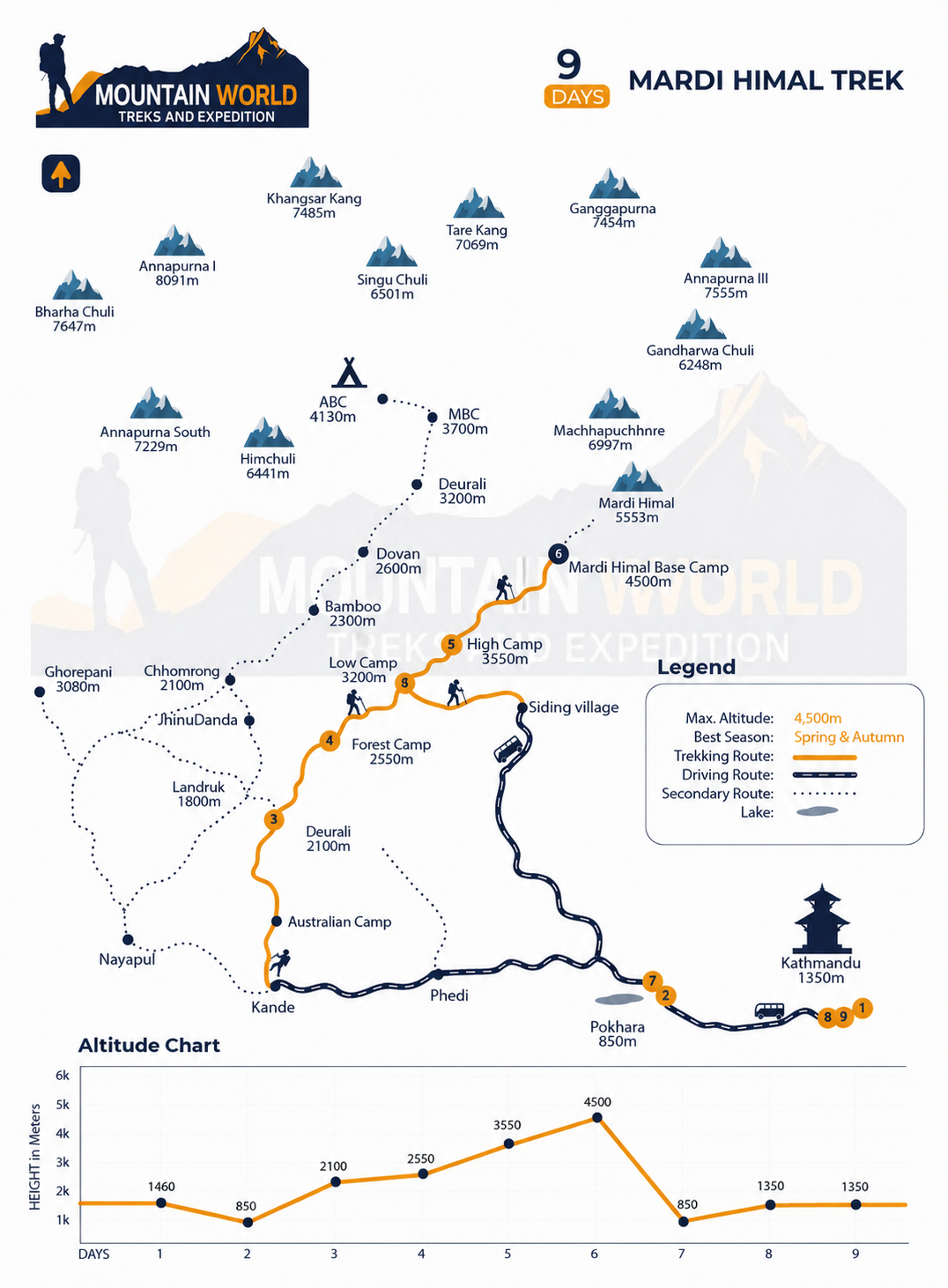
One of the major highlights of the Mardi Himal Trek is its impressive altitude gain within a relatively short distance. The trek starts from lower hill areas near Pokhara and gradually climbs into the high Himalayan landscape.
Important altitude points along the trek include:
Pokhara – Approximately 822 meters
Kande – Around 1,770 meters
Forest Camp – Around 2,500 meters
Low Camp – Around 2,970 meters
High Camp – Around 3,580 meters
Mardi Himal Base Camp – Approximately 4,500 meters
Is Altitude Sickness a Concern?
At higher elevations, the air becomes thinner, and some trekkers may experience mild symptoms of altitude sickness such as headaches, fatigue, or shortness of breath. Drinking plenty of water, walking slowly, and taking proper rest are recommended to help the body adjust to the altitude.
Although the Mardi Himal Trek is shorter than many high-altitude treks in Nepal, altitude sickness can still affect trekkers above 3,000 meters. The risk is lower compared to Everest Base Camp or Annapurna Circuit, but proper preparation and acclimatization are still important.
Trekkers are advised to:
Walk at a comfortable pace
Overall Trek Experience
Stay hydrated throughout the trek
Avoid alcohol at high altitude
Take enough rest
Inform guides immediately if symptoms worsen
The Mardi Himal Trek offers an excellent balance of adventure, moderate challenge, and spectacular Himalayan scenery. Its manageable distance, beautiful landscapes, and rewarding mountain views make it one of the best short treks in Nepal for travelers looking to experience the Himalayas without committing to a long and difficult expedition.
Accommodation, Food, and Tea Houses on the Trail of Mardi Himal Trek
The Mardi Himal Trek offers comfortable and authentic tea house trekking experiences throughout the route. Although the trail is less crowded compared to other popular treks in Nepal, trekkers can still find basic yet welcoming accommodation, warm meals, and friendly local hospitality at different stops along the journey.
Tea House Accommodation
Tea houses are small mountain lodges run by local families that provide food, accommodation, and resting places for trekkers. Along the Mardi Himal trail, tea houses are available in popular overnight stops such as Forest Camp, Low Camp, Badal Danda, High Camp, and nearby villages.
The rooms are usually simple and basic, typically offering:
Twin-sharing beds with blankets and pillows
Wooden rooms with minimal furniture
Shared bathrooms and toilets
Common dining areas with heating stoves
Limited charging and Wi-Fi facilities
As the altitude increases, accommodation becomes more basic due to the remote mountain environment. Higher camps often have fewer facilities, but the breathtaking Himalayan views and peaceful atmosphere make the experience unforgettable.
During peak trekking seasons in spring and autumn, tea houses can become busy, so booking through a trekking agency or guide is often recommended.
Food Available on the Trail
The food on the Mardi Himal Trek is simple, fresh, and filling, designed to provide trekkers with enough energy for long walking days. Most tea houses offer a similar menu with both Nepali and international dishes.
Popular meals available on the trail include:
Dal Bhat (traditional Nepali meal with rice, lentils, vegetables, and pickles)
Fried rice and noodles
Momos (Nepali dumplings)
Pancakes, porridge, and toast
Soups and pasta
Eggs, potatoes, and chapati
Tea, coffee, hot lemon, and ginger honey drinks
Dal Bhat is the most recommended meal among trekkers because it is nutritious, unlimited in many tea houses, and provides long-lasting energy for trekking.
Drinking Water and Hygiene
Trekkers can buy bottled water or refill drinking water at tea houses along the trail. To reduce plastic waste, many trekkers prefer carrying reusable water bottles with purification tablets or water filters.
Basic hygiene facilities are available, but hot showers and charging services may cost extra, especially at higher altitudes. Internet and mobile network coverage can also become limited in remote areas.
Tea House Experience and Local Hospitality
One of the most memorable parts of the Mardi Himal Trek is the warm hospitality of local mountain communities. Tea house owners are known for their friendliness and welcoming nature, creating a cozy atmosphere for trekkers after long hiking days.
Evenings are usually spent in shared dining halls around a warm stove, where trekkers from different countries share stories, meals, and experiences while enjoying incredible mountain surroundings.
Overall Experience
Accommodation and food on the Mardi Himal Trek are simple but comfortable enough for a rewarding Himalayan adventure. The tea houses provide everything trekkers need to rest, eat, and experience authentic mountain life while enjoying one of Nepal’s most scenic and peaceful trekking routes.
Essential Packing List and Trekking Tips for Mardi Himal Trek
Proper preparation is one of the most important parts of a successful trekking experience in Nepal. Although the Mardi Himal Trek is considered a moderate and relatively short Himalayan trek, weather conditions in the mountains can change quickly. Carrying the right gear and following useful trekking tips will help make your journey safer, more comfortable, and enjoyable.
Essential Packing List
Packing light but smart is highly recommended for the Mardi Himal Trek. Trekkers should bring clothing and equipment suitable for both warm daytime temperatures and cold mountain nights.
Clothing Essentials
- Warm down jacket or insulated jacket
- Waterproof and windproof trekking jacket
- Thermal innerwear for cold temperatures
- Comfortable trekking pants and T-shirts
- Fleece jacket or sweater
- Warm gloves, woolen hat, and neck scarf
- Good-quality trekking socks
- Lightweight raincoat or poncho
- Comfortable sleepwear
Footwear
- Strong and comfortable trekking boots with good grip
- Lightweight sandals or slippers for tea houses
- Extra shoelaces and blister care items
Trekking Gear
Backpack (30–40 liters)
- Rain cover for backpack
- Trekking poles for balance and support
- Sleeping bag suitable for cold weather
- Headlamp or flashlight with extra batteries
- Reusable water bottles or hydration pack
- Water purification tablets or filter
- Personal Items
- Sunscreen and lip balm
- Sunglasses with UV protection
- Basic toiletries and wet wipes
- Personal medications and first aid kit
- Power bank and charging cables
- Passport copies and trekking permits
- Camera or smartphone for photograp
Snacks and Energy Foods
Carrying light snacks during the trek can help maintain energy levels between meals. Popular trekking snacks include:
- Energy bars
- Dry fruits and nuts
- Chocolate and biscuits
- Electrolyte powders
Important Trekking Tips
Train and Prepare Before the Trek
Although the Mardi Himal Trek is beginner-friendly, preparing your body with light exercise, walking, or hiking before the trip can improve stamina and reduce fatigue during the trek.
Walk Slowly and Stay Hydrated
Altitude gain can affect the body, especially above 3,000 meters. Walking at a steady pace and drinking enough water throughout the day helps reduce the risk of altitude sickness.
Pack According to the Season
Weather conditions in the Himalayas vary greatly depending on the season. Spring and autumn usually have stable weather, while winter requires extra warm clothing and monsoon season needs proper rain protection.
Start Trekking Early Each Day
Morning weather in the mountains is usually clearer and calmer. Starting early allows trekkers to enjoy better views and reach the next destination safely before evening weather changes.
- Respect Local Culture and Nature
The Mardi Himal Trek passes through traditional villages and beautiful natural environments. Trekkers should respect local customs, avoid littering, and help preserve the peaceful Himalayan ecosystem.
Hire a Guide or Porter if Needed
Although the trail is relatively straightforward, hiring a local guide can improve safety, navigation, and cultural understanding. Porters can also help carry heavy bags, making the trek more comfortable and enjoyable.
Final Thoughts
The Mardi Himal Trek is a perfect Himalayan adventure for travelers seeking stunning mountain views, peaceful trails, and authentic Nepali culture. With proper packing, good preparation, and smart trekking habits, trekkers can fully enjoy one of Nepal’s most beautiful and unforgettable short trekking experiences.
Cost, Permits, and Travel guide from Pokhara to Mardi Himal
The Mardi Himal Trek is one of the most affordable and accessible trekking adventures in Nepal. Starting from Pokhara, the trek offers a perfect combination of short travel time, reasonable costs, breathtaking Himalayan views, and authentic mountain experiences. Whether you are a budget traveler or looking for a comfortable guided trek, Mardi Himal provides options for every type of trekker.
Estimated Cost of Mardi Himal Trek
The total cost of the Mardi Himal Trek depends on factors such as trek duration, accommodation type, transportation, guide services, and personal spending habits. On average, trekkers can expect to spend between USD 250 to USD 700 for a complete 5 to 7-day trek.
Basic Cost Breakdown
Permits
Trekkers need mandatory permits to enter the Annapurna region:
Annapurna Conservation Area Permit (ACAP)
TIMS Card (Trekkers’ Information Management System)
The permit cost for most foreign trekkers is NPR 3,000 SAARC nationals receive discounted permit fees.
Transportation Costs
The trek usually starts after a short drive from Pokhara to Kande, Phedi, or Dhampus.
Approximate transportation costs:
Local bus: NPR 300–600
Shared jeep: NPR 700–1,500
Private jeep or taxi: NPR 3,000–6,000
Transportation from Kathmandu to Pokhara may include:
Tourist bus: USD 12–20
Domestic flight: USD 80–150
Accommodation and Food Costs
Tea house accommodation along the trail is affordable and simple. Basic rooms generally cost:
NPR 500–1,500 per night
Meals usually cost:
NPR 500–1,200 per meal depending on altitude and location
Daily food and accommodation expenses can range from:
NPR 3,000–6,000 per day
Guide and Porter Costs
Hiring a licensed guide or porter is optional but highly recommended, especially for first-time trekkers.
Average daily rates:
Guide: USD 25–35 per day
Porter: USD 18–25 per day
Many trekkers also share guides and transportation costs in groups to reduce expenses. Reddit trekking discussions often mention group-sharing as a budget-friendly option for Mardi Himal trekkers.
Required Permits for Mardi Himal Trek
The Mardi Himal Trek lies inside the Annapurna Conservation Area, so trekkers must carry valid permits during the journey.
Annapurna Conservation Area Permit (ACAP)
The ACAP permit is mandatory for entering the Annapurna region.
Current ACAP fees:
Foreign nationals: NPR 3,000
SAARC nationals: NPR 1,000
Children under 10: Free
TIMS Card
The TIMS card helps track trekkers for safety and emergency purposes.
Typical TIMS fees:
Solo foreign trekkers: USD 20
Group trekkers: USD 10
SAARC nationals pay reduced rates.
Permits can be obtained from:
Nepal Tourism Board office in Kathmandu
Nepal Tourism Board office in Pokhara
Registered trekking agencies
Travel Guide from Pokhara to Mardi Himal
Step 1: Reach Pokhara
Most trekkers first travel to Pokhara from Kathmandu by tourist bus or domestic flight. Pokhara is the main gateway to the Annapurna trekking region and offers plenty of hotels, restaurants, trekking shops, and travel agencies.
Step 2: Drive to the Trek Starting Point
From Pokhara, trekkers usually drive to: Kande- Phedi – Dhampus
Kande is the most common starting point for the Mardi Himal Trek. The drive takes approximately 1 to 2 hours depending on road conditions.
Step 3: Begin the Trek
The trail gradually passes through: Australian Camp – Forest Camp – Low Camp – Badal Danda – high Camp – Mardi Himal Base Camp
The standard trek usually takes 5 to 7 days to complete depending on the itinerary and walking pace.
Highlights
- Stunning Close-Up View of Machhapuchhre (Fishtail)
- Less Crowded and Peaceful Trails
- Beautiful Ridge-Line Walking Experience
- Diverse Landscapes in a Short Trek
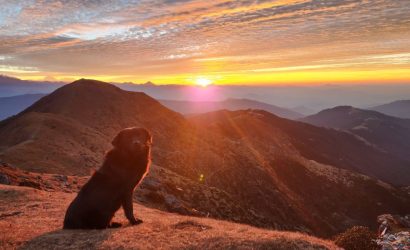
- Spectacular Sunrise from Mardi Himal view point/Base Camp