What is Gokyo Lake Trek? Overview of the Everest Hidden Blue Lake Route
The Gokyo Lake Trek Nepal 2026 is one of the most stunning and peaceful trekking routes in the Everest region. It is famous for its deep turquoise glacial lakes, massive Himalayan views, and the dramatic Gokyo Ri viewpoint (5,357m), which offers one of the best panoramas of Mount Everest and surrounding peaks.
The Gokyo route is quieter, more scenic, and deeply connected with nature unlike the crowded Everest Base Camp Trail. It takes you through remote Sherpa villages, high alpine valleys, and glacial landscapes formed by ancient ice movements. The entire journey feels more raw and less commercial, making it ideal for you if you want a more peaceful Everest experience.
This trek lies inside the Khumbu region, which is part of the greater Everest ecosystem within Sagarmatha National Park, a UNESCO World Heritage landscape known for its glaciers, mountains, and unique Himalayan biodiversity.
The Beauty of the Gokyo Valley
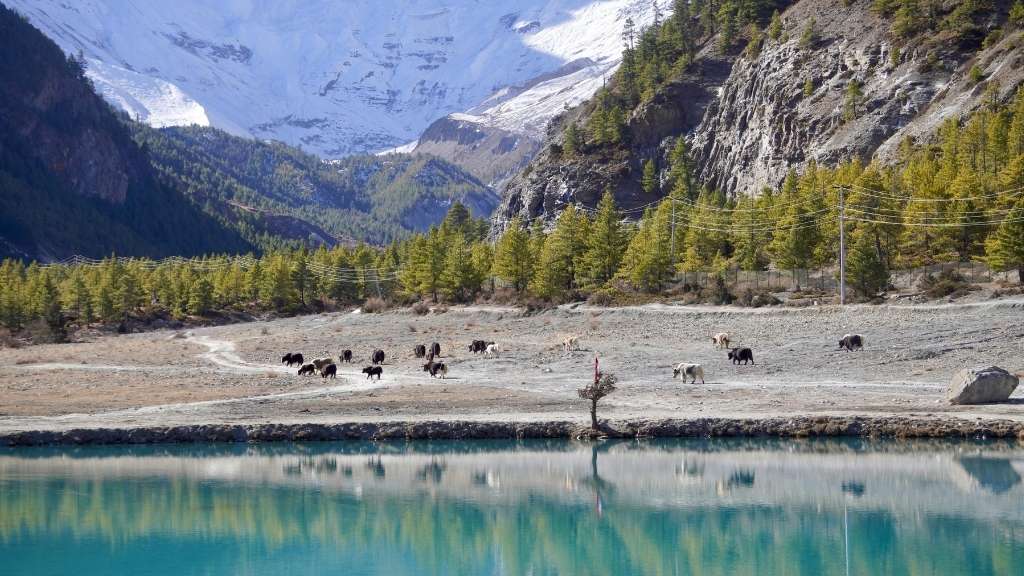
The main highlight of this trek is the Gokyo Valley, home to a series of breathtaking glacial lakes known for their unreal blue color. These lakes sit at high altitude and are surrounded by snow-covered peaks and massive ice formations. What makes the valley special is its natural beauty:
- Crystal-clear turquoise lakes formed by glaciers
- Reflection of mountains on calm lake surfaces
- Wide open valleys surrounded by giant Himalayan peaks
- A peaceful environment far from crowded trekking routes
The scenery feels almost surreal, especially when sunlight hits the lakes and turns them into glowing blue mirrors of the sky.
Gokyo Ri: The Ultimate Everest Viewpoint
One of the biggest attractions of this trek is the hike to Gokyo Ri (5,357m). From here, you get a 360-degree Himalayan panorama, which is often considered better than many viewpoints in the Everest region. From the top, you can see:
- Mount Everest (8,848m)
- Lhotse and Makalu
- Cho Oyu (8,188m)
- Ngozumpa Glacier (Nepal’s longest glacier)
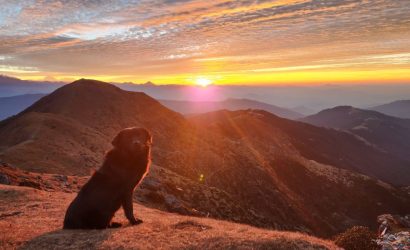
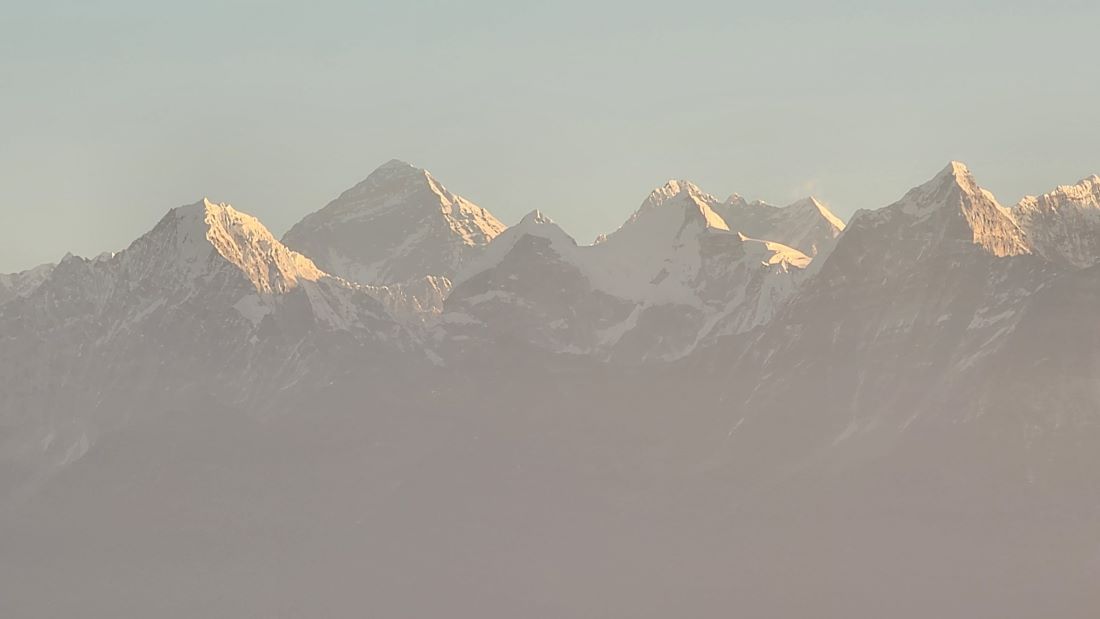
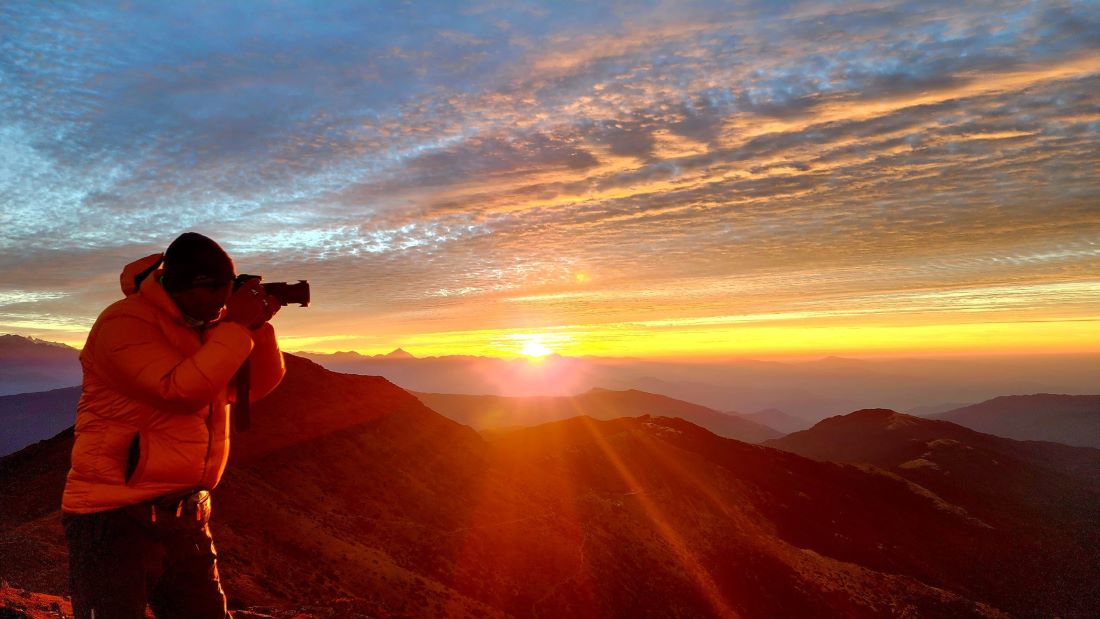
The sunrise from Gokyo Ri is especially famous because it lights up the entire Everest range in golden colors while the lakes below remain frozen and blue.
A Quieter Alternative to Everest Base Camp
One of the main reasons trekkers choose Gokyo is its peaceful atmosphere. While Everest Base Camp attracts thousands of trekkers in peak seasons, the Gokyo trail remains relatively quiet. This means you can enjoy:
- Less crowded trails
- More peaceful walking experience
- Better connection with nature
- Slower, more relaxing trekking rhythm
It still offers Everest views, but without the heavy tourist flow of the main EBC route.
Remote but Rewarding Himalayan Experience
The trek gradually moves from lower villages like Namche Bazaar into high alpine terrain. As you climb higher, the environment changes dramatically from green forests to icy glaciers and wide open valleys.
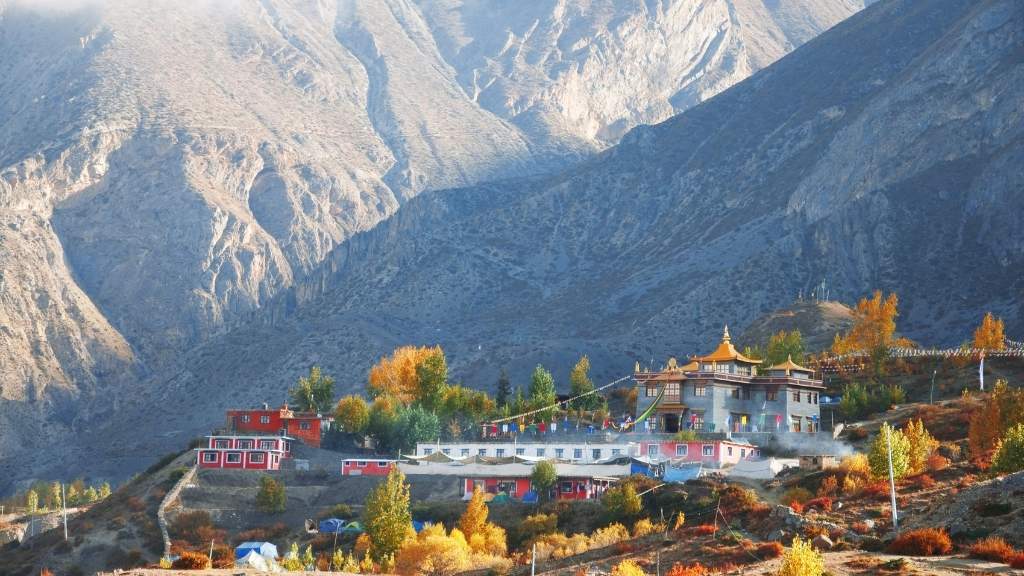
The experience feels remote but safe, with well-established tea houses along the route. You experience both natural beauty and Sherpa culture in a very balanced way inside the Everest region connected to Sagarmatha National Park.
The Gokyo Lake Trek is a hidden gem of the Everest region, offering turquoise glacial lakes, quiet trails, and one of the best mountain viewpoints in Nepal. It is perfect for trekkers who want Everest scenery but prefer a more peaceful and less crowded route compared to the classic base camp trail.
Gokyo Lake Trek Location, Route Map & How to Reach from Kathmandu
The Gokyo Lake Trek is located in the Khumbu (Everest) region of eastern Nepal, within the high Himalayan valleys that lie inside the world-famous Everest trekking zone. The trail runs alongside glaciers, Sherpa villages, and alpine landscapes that are part of the broader ecosystem of Sagarmatha National Park, one of the most important protected mountain regions in the world.
Unlike lower-altitude treks that start by road, the Gokyo route is a high Himalayan trek that begins after a mountain flight to Lukla, making it more direct and time-efficient but also more remote from the start.
Step 1: Kathmandu to Lukla (Gateway to Everest)
The journey to Gokyo Lake almost always begins with a short but dramatic flight from Kathmandu to Lukla (2,860m).
This flight is considered one of the most scenic mountain flights in the world. As you leave Kathmandu Valley, you gradually see green hills, deep river valleys, and finally the towering Himalayan peaks.
The flight usually takes around 25–35 minutes, and lands at the famous Tenzing-Hillary Airport, which is known for its short runway and high-altitude location.
Step 2: Trek from Lukla to Namche Bazaar
After landing in Lukla, the trekking journey officially begins. The first major stop is Namche Bazaar (3,440m), which is the main trading and acclimatization town of the Everest region. This section of the trail includes:
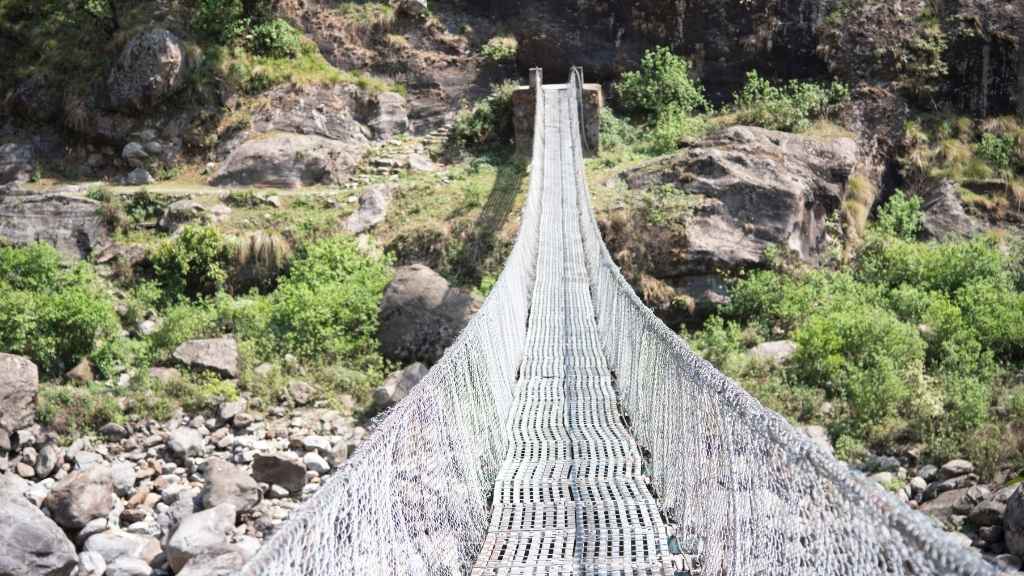
- Suspension bridges over Dudh Koshi River
- Forest trails with pine and rhododendron trees
- Gradual uphill climbs and village settlements
- Entry into the core Everest trekking region inside Sagarmatha National Park
Namche Bazaar is a crucial stop because it helps trekkers adjust to altitude before going higher.
Step 3: Namche to Dole and Gokyo Valley Route
From Namche Bazaar, the trail splits from the main Everest Base Camp route and moves toward the quieter Gokyo Valley. The path goes through:
- Dole (4,038m)
- Machhermo (4,470m)
- Finally Gokyo Village (4,790m)
This section is more remote, peaceful, and less crowded compared to the main EBC trail. The landscape becomes more alpine, with fewer trees and more open valleys, rivers, and glacier views.
Final Destination: Gokyo Lakes & Gokyo Ri
The trek ends at the stunning Gokyo Lakes system, a group of high-altitude glacial lakes known for their deep blue color and spiritual importance.
Nearby stands Gokyo Ri (5,357m), the main viewpoint of the trek, offering one of the best panoramic views of Everest and surrounding peaks. From here, trekkers can also see:
- Ngozumpa Glacier (largest glacier in Nepal)
- Everest, Lhotse, Makalu, and Cho Oyu
- Vast Himalayan landscapes stretching across the horizon
Route Summary
Kathmandu →Lukla → Phakding → Namche Bazaar → Dole → Machhermo → Gokyo Village → Gokyo Lakes → Gokyo Ri
The Gokyo Lake Trek starts with a scenic flight to Lukla and continues through the heart of the Everest region before turning into the quieter Gokyo Valley. The route combines forest trails, Sherpa villages, and high alpine landscapes, all within the protected Himalayan environment of Sagarmatha National Park, making it one of the most beautiful trekking routes in Nepal.
Gokyo Lakes Height, Gokyo Ri (5,357m) & Everest Panorama Viewpoint
The Gokyo region is famous not only for its trekking route but mainly for its high-altitude lakes and one of the best viewpoint peaks in the entire Everest region. This section of the trek is where the landscape becomes truly dramatic glacial lakes, towering peaks, and massive ice formations come together in one wide Himalayan panorama.
The entire area lies inside the high mountain ecosystem of Sagarmatha National Park, where glaciers and snow peaks shape the geography of the Gokyo Valley.
Gokyo Lakes Altitude & Formation
The Gokyo Lakes system is a group of six main glacial lakes located at very high altitude, ranging from around 4,700 meters to 5,000+ meters above sea level. These lakes are formed by:
- Meltwater from glaciers
- Snow accumulation from surrounding peaks
- Natural glacial basin formations over thousands of years
The water appears deep turquoise or blue because of glacial sediment (rock flour) that reflects sunlight in a unique way. The most visited lakes are:
- Third Lake (Gokyo Village area; main settlement)
- Fourth Lake (closer to Gokyo Ri base)
- Fifth Lake (most scenic viewpoint lake)
Each lake becomes more remote and dramatic as you go higher.
Gokyo Ri Height (5,357m) – The Ultimate Viewpoint
The highlight of the entire trek is Gokyo Ri, a high viewpoint peak rising to 5,357 meters above sea level. It is a steep but non-technical climb from Gokyo Village and usually takes 2–3 hours depending on fitness and weather conditions.
Even though it is not a technical mountain, the altitude makes the climb physically demanding because:
- Oxygen level is significantly lower
- The trail is steep and rocky
- Cold wind increases near the top
However, the reward is considered one of the best in Nepal.
Everest Panorama from Gokyo Ri
From the summit of Gokyo Ri, trekkers get a 360-degree Himalayan panorama, often considered more open and wide than many other viewpoints in the Everest region. On a clear day, you can see:
- Mount Everest (8,848m)
- Lhotse (8,516m)
- Makalu (8,485m)
- Cho Oyu (8,188m)
- Ngozumpa Glacier (largest glacier in Nepal)
What makes this viewpoint special is not just the number of peaks, but the way they appear together in a single wide horizon, with glaciers, valleys, and lakes below.
Sunrise Experience at Gokyo Ri
The sunrise hike is one of the most emotional parts of the trek. Most trekkers start climbing early morning in darkness using headlamps. As the sun rises:
- Everest slowly turns golden
- Clouds settle below the mountains
- The Gokyo Lakes below reflect light and sky
- Snow peaks glow in orange and pink shades
This moment is often described as one of the most peaceful and powerful experiences in the Himalayas.
Importance of the Gokyo Region
The Gokyo area is not only scenic but also environmentally and culturally important. It is part of a fragile glacial system inside Sagarmatha National Park and is respected by local Sherpa communities. The lakes are considered sacred, and many trekkers show respect by keeping the area clean and quiet. The region also plays a key role in the Himalayan water system as it feeds rivers downstream.
The Gokyo Lakes and Gokyo Ri are the heart of the entire trek. The lakes sit at extremely high altitude with stunning turquoise colors, while Gokyo Ri offers one of the best Everest viewpoints in Nepal.
Together, they create a powerful combination of glaciers, mountains, silence, and sunrise views, making the Gokyo Lake Trek one of the most unforgettable journeys inside Sagarmatha National Park.
The Six Sacred Gokyo Lakes: Beauty, Facts & Spiritual Importance
The Gokyo Lakes system is one of the most stunning natural attractions in the Everest region and a major highlight of the entire trek. These lakes are not just beautiful water bodies. They are high-altitude glacial lakes formed over thousands of years, sitting in a remote Himalayan valley surrounded by massive snow peaks and glaciers.
This entire lake system lies within the protected mountain environment of Sagarmatha National Park, where nature, glaciers, and local culture exist in a very delicate balance.
What Are the Six Gokyo Lakes?
The Gokyo Lakes are a group of six main glacial lakes, stretching from around 4,700 meters to over 5,000 meters in elevation. Each lake is connected through glacial meltwater streams and natural underground channels. The lakes are:
- First Lake (Longponga Tsho)
- Second Lake (Taujung Tsho)
- Third Lake (Gokyo Tsho) (near Gokyo Village – most visited)
- Fourth Lake (Ngozumpa Tsho)
- Fifth Lake (Gyazumpa Tsho) (most scenic viewpoint lake)
- Sixth Lake (least visited and more remote)
As you go higher, the lakes become more isolated, quieter, and more dramatic in appearance.
Why the Lakes Look Deep Blue or Turquoise
One of the most fascinating features of the Gokyo Lakes is their bright blue and turquoise color, which often looks unreal in photographs. This color is created by:
- Fine rock particles (glacial flour)
- Reflection of sunlight on glacier water
- Depth and mineral content of the lakes
- Clear high-altitude atmosphere
When sunlight hits the surface, the lakes shine like glass mirrors reflecting the sky and surrounding mountains.
Sacred Importance of Gokyo Lakes
The Gokyo Lakes are not only natural wonders but also sacred sites for local Sherpa and Buddhist communities. They are considered spiritually important because:
- They are believed to be protected by mountain deities
- Local people respect them as holy water sources
- Religious festivals are sometimes held near the lakes
- Damaging or polluting the area is culturally discouraged
Because of this, you are expected to maintain silence, cleanliness, and respect while visiting.
Fifth Lake – The Most Famous Viewpoint
Among all six lakes, the Fifth Lake is the most popular viewpoint. From here, you get an incredible panoramic angle of:
- Everest region peaks
- Ngozumpa Glacier
- Wide valley landscapes
- Gokyo Valley below
Many trekkers consider this spot one of the most photogenic locations in the entire Everest region.
Glacial Environment & Natural Importance
The Gokyo Lakes are part of a larger glacial system connected to the Himalayas. They are fed by melting ice from surrounding peaks and glaciers, making them a sensitive part of the mountain ecosystem. Inside Sagarmatha National Park, these lakes also play an important role in:
- Supporting downstream water systems
- Maintaining glacier balance
- Preserving high-altitude biodiversity
This makes the region both beautiful and environmentally fragile.
The Six Gokyo Lakes are the jewels of the Everest region. Each lake becomes more remote and beautiful as you go higher, with deep blue water, glacier surroundings, and peaceful silence.
They are not only a visual highlight of the Gokyo Lake Trek but also a sacred natural heritage site inside Sagarmatha National Park, making the journey both scenic and spiritually meaningful.
Best Time for Gokyo Lake Trek Nepal
Choosing the right season is very important for the Gokyo Lake Trek, because the experience completely changes depending on weather, visibility, and trail conditions. Since this trek goes above 4,700 meters and reaches the high viewpoint of Gokyo Ri (5,357m), clear skies and stable weather make a huge difference in safety and mountain views.
The entire route lies inside the high Himalayan region of Sagarmatha National Park, where weather can change quickly even within a single day.
Spring Season (March to May) – Best for Flowers & Clear Views
Spring is one of the most beautiful and popular seasons for the Gokyo Lake Trek. During this time, the weather becomes warmer, skies are usually clear in the morning, and the entire region becomes colorful. In spring, you will experience:
- Rhododendron forests blooming in red, pink, and white
- Stable trekking conditions with less extreme cold
- Clear mountain views, especially early in the day
- Lively trekking trails with moderate number of trekkers
This season is perfect for photographers because the contrast of blue lakes, green valleys, and white mountains looks stunning.
Autumn Season (September to November) – Best Overall Season
Autumn is widely considered the best time for the Gokyo Lake Trek. After the monsoon season ends, the air becomes clean and visibility improves significantly. During autumn, you can observe:
- Crystal-clear views of Everest, Makalu, and Cho Oyu
- Dry and stable weather conditions
- Perfect sunrise visibility from Gokyo Ri
- Comfortable daytime temperatures for trekking
This is the most recommended season for trekkers who want the best Himalayan scenery with minimal weather risk inside Sagarmatha National Park.
Winter Season (December to February) – Cold but Crystal Clear
Winter is a quieter and more challenging season for this trek. While the temperatures drop significantly, the mountain visibility becomes extremely sharp and clear. In winter, you will notice:
- Very cold mornings and nights (especially above 4,000m)
- Snow-covered landscapes and frozen lakes in some areas
- Very few trekkers on the trail
- Extremely clear skies for mountain photography
This season is suitable for experienced trekkers who can handle cold weather and want solitude.
Monsoon Season (June to August) – Least Recommended
Monsoon is the least favorable season for the Gokyo Lake Trek due to heavy rainfall and unstable trail conditions. During monsoon, you will see:
- Trails become muddy and slippery
- Frequent cloud cover blocks mountain views
- Flight delays to Lukla are common
- Risk of landslides in lower regions increases
However, the landscape becomes very green and fresh, and waterfalls are more active, which some trekkers still enjoy.
The best time for the Gokyo Lake Trek is spring (March–May) and autumn (September–November). These seasons offer the best combination of clear skies, stable weather, and unforgettable Himalayan views from Gokyo Ri and surrounding valleys inside Sagarmatha National Park.
Gokyo Lake Trek Cost Breakdown (Budget, Guide, Flights, Food & Accommodation)
The Gokyo Lake Trek cost is generally higher than short treks in Nepal because it is located in the high Everest region and includes a mountain flight to Lukla. However, the experience is extremely rewarding, offering turquoise lakes, glaciers, and one of the best viewpoints in the Himalayas.
The trek takes place inside the remote mountain system of Sagarmatha National Park, where everything must be transported by air or carried by porters, which also affects the overall cost.
1. Flight Cost (Kathmandu to Lukla & Return)
One of the biggest expenses is the round-trip flight between Kathmandu and Lukla. This short mountain flight is the only direct access to the Everest region. The cost is high because:
- Short runway operations in high altitude
- Weather-dependent delays and cancellations
- Limited aircraft availability
This flight is the fastest way to enter the trekking route and saves many days of road travel.
2. Accommodation Cost (Tea Houses)
Accommodation during the trek is in simple mountain tea houses run by local Sherpa families. The typical features include:
- Basic twin rooms
- Shared bathrooms
- Simple wooden beds and blankets
- Limited heating in higher villages
Prices increase as altitude rises because supplies are harder to transport. Lower villages like Namche are cheaper compared to higher areas like Gokyo.
3. Food Cost During Trek
Food is another important daily expense because everything is carried manually or by animals. Some of the common meals include:
- Dal bhat (main energy meal)
- Noodles and fried rice
- Pasta, soups, and potatoes
- Eggs and breakfast items
- Tea, coffee, and hot drinks
Dal bhat is the most cost-effective option because it is filling and often served with unlimited refills.
4. Guide and Porter Cost
Hiring a guide or porter is optional but highly recommended for safety and comfort.
- Guide helps with navigation, weather updates, and cultural explanation
- Porter carries heavy bags and reduces physical strain
In remote sections inside Sagarmatha National Park, guides are especially useful because weather and terrain can change quickly.
5. Extra Expenses (Hidden Costs)
Apart from main trekking costs, there are small daily expenses such as:
- Charging electronic devices (paid in tea houses)
- Hot showers in lodges
- WiFi in lower villages
- Snacks, chocolate, and drinks
- Tips for guide and porter
These costs vary depending on comfort level.
The Gokyo Lake Trek is a mid-to-high budget trek in Nepal, mainly due to the Lukla flight and high-altitude logistics. However, the cost is worth it because it includes world-class mountain views, sacred lakes, glaciers, and peaceful trekking trails inside Sagarmatha National Park.
It is a premium Himalayan experience that balances adventure, nature, and culture in one journey.
Tea Houses, Food & Accommodation Experience in Gokyo Valley
The Gokyo Lake Trek accommodation and food experience is simple, traditional, and deeply connected to the Himalayan lifestyle. Unlike city hotels, everything here is basic but warm, and the real charm comes from the local hospitality of Sherpa-run tea houses along the trail.
Since the entire trek is located inside the high Himalayan region of Sagarmatha National Park, all supplies are carried by porters or yaks, which directly affects both comfort level and pricing.
Tea House Accommodation Experience
Accommodation on the Gokyo trail is mainly in family-run tea houses found in villages like Namche, Dole, Machhermo, and Gokyo. Rooms are usually:
- Simple twin-sharing bedrooms
- Wooden beds with thin mattresses
- Warm blankets provided (sometimes extra required in cold seasons)
- Shared bathrooms located outside the rooms
As you go higher in altitude, especially near Gokyo (4,790m), facilities become more basic due to harsh weather and limited resources.
Despite the simplicity, the atmosphere is very welcoming. After long trekking days, these tea houses feel like safe shelters in the middle of a vast mountain landscape.
Dining Hall Experience (The Heart of Tea Houses)
One of the most memorable parts of the trek is the shared dining hall experience. Every evening, trekkers from different countries gather around a central stove or heater. Inside the dining hall:
- A warm fire or gas heater keeps the room heated
- Trekkers share stories and travel experiences
- Guides and porters rest and interact with guests
- The atmosphere feels social and friendly
This space becomes the heart of the trekking experience, especially in cold mountain nights.
Food on the Gokyo Trek
Food is simple but energy-rich, designed to support long trekking days at high altitude. Most meals are freshly cooked by local families using limited ingredients brought from lower villages. Common food items include:
- Dal bhat (rice, lentils, vegetables – unlimited energy meal)
- Fried rice and noodles
- Pasta and soups
- Potatoes and vegetable curry
- Eggs and basic breakfast options
- Tea, coffee, ginger lemon honey drinks
Dal bhat is the most recommended meal because it is filling, nutritious, and helps maintain stamina during high-altitude walking.
Comfort Level & Facilities
Since the Gokyo Valley is remote and high in altitude, facilities are limited compared to lower trekking regions. You can expect:
- No luxury hotels or private bathrooms in most places
- Limited hot water availability (often solar or gas heated)
- Charging facilities available at extra cost
- WiFi only in lower villages like Namche
As you move higher, comfort decreases, but the natural beauty and silence increase significantly.
Accommodation and food on the Gokyo Lake Trek are basic but warm and culturally rich. Tea houses provide simple shelter, home-cooked meals, and a welcoming environment that reflects true Himalayan life inside Sagarmatha National Park.
Even though facilities are simple, the experience of staying in remote mountain villages surrounded by glaciers and peaks makes it one of the most authentic trekking experiences in Nepal.
Difficulty Level, Altitude Sickness & Safety Tips for Gokyo Lake Trek
The Gokyo Lake Trek is considered a moderate to challenging Himalayan trek, mainly because of its high altitude and long walking days rather than technical difficulty. It does not require climbing skills, but it does demand good stamina, patience, and proper acclimatization.
Since the trail reaches up to Gokyo Ri (5,357m) and stays above 4,700m for several days, trekkers must understand altitude-related risks carefully. The entire route lies inside the high mountain environment of Sagarmatha National Park, where weather and oxygen levels change significantly with elevation.
Difficulty Level of the Trek
The trek is not technical, meaning there is:
- No ropes or climbing equipment needed
- No glacier crossing with gear (in standard route)
- Well-marked trails with tea houses along the way
However, it is still physically demanding because:
- Daily walking is 5 to 7 hours on average
- Continuous uphill and downhill sections
- Thin air above 3,500m reduces stamina
- Cold temperatures in higher villages
So, it is best suited for trekkers with basic fitness and regular walking habits.
Altitude Sickness (AMS) Risk
Altitude sickness is one of the main challenges of the Gokyo Lake Trek because the route climbs gradually above 4,000 meters. The common symptoms include:
- Headache and dizziness
- Loss of appetite
- Fatigue and slow movement
- Mild nausea or difficulty sleeping
Higher risk zones include:
- Namche Bazaar (3,440m)
- Dole and Machhermo (4,000m+)
- Gokyo Village (4,790m)
- Gokyo Ri (5,357m)
The risk increases if you ascend too quickly without proper rest.
Acclimatization Strategy
Proper acclimatization is the most important safety factor on this trek. The recommended practices include:
- Stay one extra day in Namche Bazaar
- Walk slowly and avoid rushing uphill
- Drink plenty of water daily
- Do short hikes instead of full rest days
- Follow “climb high, sleep low” rule when possible
The body needs time to adjust to lower oxygen levels in high-altitude regions of Sagarmatha National Park.
Safety Tips for the Trek
To ensure a safe trekking experience, follow these important guidelines:
Health & Fitness
- Do light cardio training before the trek
- Avoid alcohol and smoking during trekking
- Eat enough high-energy food
Weather Protection
- Carry warm layered clothing
- Always wear windproof jackets at higher altitude
- Protect yourself from UV rays (sunglasses & sunscreen)
Trekking Safety
- Walk at a steady, slow pace
- Do not ignore altitude sickness symptoms
- Inform guide immediately if you feel unwell
Emergency Preparedness
- Carry travel insurance covering high-altitude rescue
- Keep emergency contacts with guide or agency
- Avoid trekking alone in remote sections
The Gokyo Lake Trek is a moderate-to-challenging adventure that becomes safe and enjoyable with proper preparation and acclimatization. The main challenge is not the terrain but the altitude gain above 4,000 meters.
With the right pacing, hydration, and awareness, you can safely enjoy the incredible landscapes, glaciers, and viewpoints of the Everest region inside Sagarmatha National Park while minimizing altitude risks.
Gokyo vs Everest Base Camp vs Cho La Pass – Which Trek is Better?
The Everest region offers several world-famous trekking routes, but three of the most popular are the Gokyo Lake Trek, Everest Base Camp (EBC) Trek, and the Cho La Pass route. Each one has a different experience, difficulty level, and landscape style. Choosing the right one depends on your fitness, time, and what kind of Himalayan experience you want.
All three routes lie inside the protected Himalayan environment of Sagarmatha National Park, but each trail offers a completely different perspective of the Everest region.
1. Gokyo Lake Trek – Best for Lakes & Wide Everest Views
The Gokyo Lake Trek is known for its peaceful environment, turquoise lakes, and the Gokyo Ri viewpoint (5,357m). The reason why you should choose Gokyo:
- Less crowded trails
- Stunning blue glacial lakes
- One of the widest Everest panoramas from Gokyo Ri
- Quieter and more natural trekking experience
This trek is perfect for those who want beauty, silence, and photography opportunities without heavy crowds.
2. Everest Base Camp Trek – Best for Classic Everest Experience
The Everest Base Camp Trek is the most famous trekking route in the world. It takes you directly to the base of Mount Everest. The reason why you should choose EBC:
- Walk to the base of Mount Everest (5,364m)
- Iconic route with strong history and global recognition
- Vibrant Sherpa villages like Namche Bazaar
- Close-up glacier and mountain experience
However, it is usually more crowded and physically demanding due to longer duration and busy trails.
3. Cho La Pass Trek: Best for Adventure & Challenge
The Cho La Pass Trek connects Gokyo Valley and Everest Base Camp via a high mountain pass at around 5,420 meters. The reason why you should choose Cho La Pass:
- Combines both Gokyo and EBC routes
- More adventurous and technical
- Includes glacier crossing sections
- Requires good fitness and experience
This route is ideal for experienced trekkers who want a challenging Himalayan adventure.
Quick Comparison Summary
- Gokyo Trek → Best views + peaceful + lakes
- EBC Trek → Classic Everest base experience + popularity
- Cho La Pass → Adventure + difficulty + combination route
So,
If you want peace, wide mountain views, and natural beauty, Gokyo is the best choice.
If you want the most famous Everest experience, go for Everest Base Camp.
If you want a challenging adventure combining both, Cho La Pass is the ultimate option.
No matter which route you choose, all three journeys pass through the breathtaking Himalayan environment of Sagarmatha National Park, making them some of the most unforgettable trekking experiences in the world.
Trip Highlights of Gokyo Lake Trek
- Stunning turquoise Gokyo Lakes surrounded by glaciers
- Gokyo Ri (5,357m) sunrise with Everest, Lhotse, Makalu views
- Peaceful and less crowded Everest region trekking route
- View of Ngozumpa Glacier, Nepal’s longest glacier
- Traditional Sherpa villages like Namche, Dole, and Machhermo
- Wide Himalayan panorama without heavy tourist crowds
- Perfect photography opportunities at every altitude
- Calm and spiritual atmosphere near sacred lakes
- Beautiful forest trails in lower Everest region
- High-altitude alpine landscapes and icy valleys