
Review


Bard Curuttttt!!!


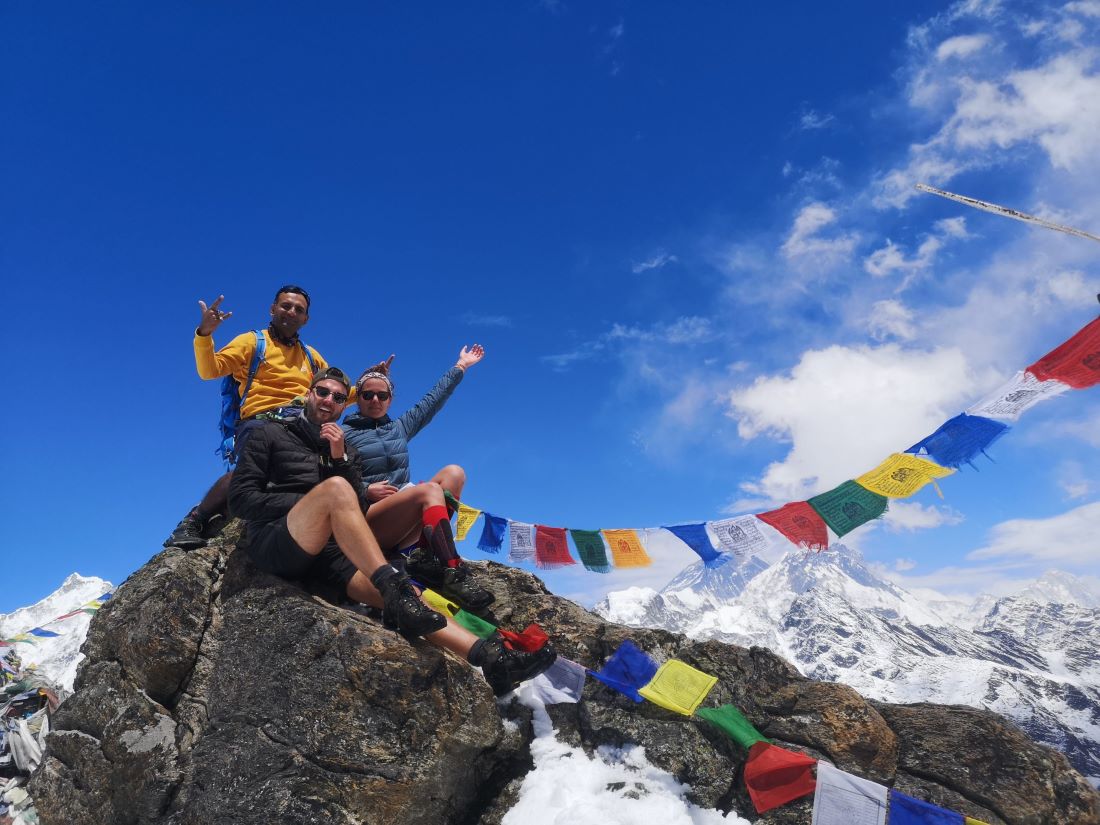
Everything was perfectly taken care of, thanks to Sali Trekking, making our trekking expedition all the more memorable.
Nepal — 23 Oct to 2 Nov 2025.


Hi! I’m Renee, 11 years old and I went on the Annapurna Base Camp trek with my dad through Sali Trekking. It was one of the most amazing experiences of my life!
Our guide, Navin, was super nice and took great care of us the whole way. He always made sure we were safe, comfortable, and happy. He taught us so many things about the mountains, the villages, and the people. I really liked how patient and kind he was, especially when the trek got tough.
The mountains looked so beautiful — like they were touching the sky! I couldn’t believe how big they were. Every day was like a new adventure, walking through forests, crossing bridges, and meeting friendly people on the way.
Thank you to Sali Trekking and Navin for making my first big trek so special. I’ll never forget it! I can’t wait to come back to Nepal and do another trek someday.
-
Car and Flight
-
1-16
-
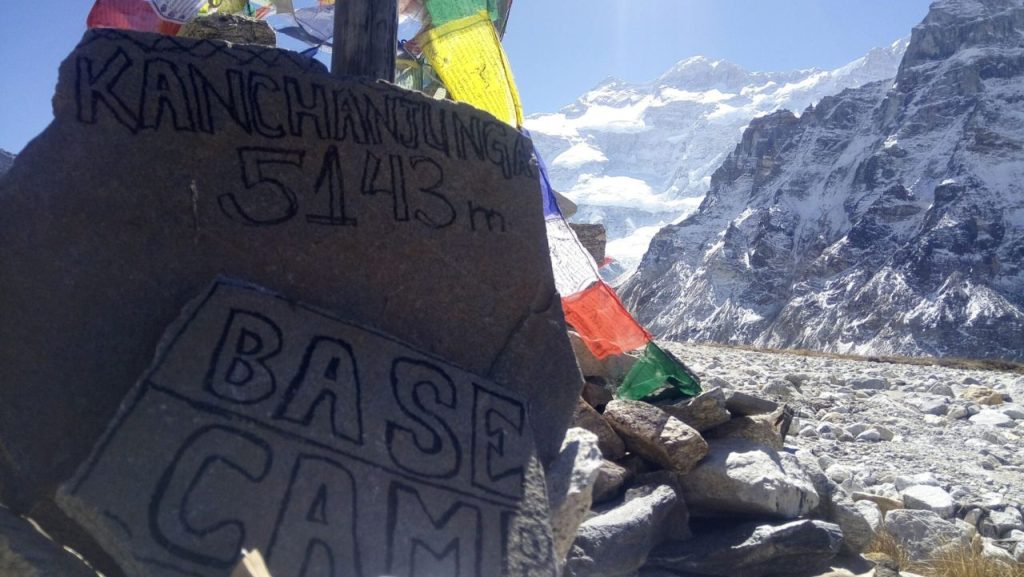
5143m
-
Kathmandu
-
Kathmandu
-
Spring & Autumn
-
Trekking
-
English
-
3 Meals/Day
-
Provided
-
Good stamina & Endurance needed
Introduction to Kanchenjunga Circuit Trek 2026
Review


Bard Curuttttt!!!


Everything was perfectly taken care of, thanks to Sali Trekking, making our trekking expedition all the more memorable.
Nepal — 23 Oct to 2 Nov 2025.


Hi! I’m Renee, 11 years old and I went on the Annapurna Base Camp trek with my dad through Sali Trekking. It was one of the most amazing experiences of my life!
Our guide, Navin, was super nice and took great care of us the whole way. He always made sure we were safe, comfortable, and happy. He taught us so many things about the mountains, the villages, and the people. I really liked how patient and kind he was, especially when the trek got tough.
The mountains looked so beautiful — like they were touching the sky! I couldn’t believe how big they were. Every day was like a new adventure, walking through forests, crossing bridges, and meeting friendly people on the way.
Thank you to Sali Trekking and Navin for making my first big trek so special. I’ll never forget it! I can’t wait to come back to Nepal and do another trek someday.
Major Trip Highlights of Kanchenjunga Circuit Trek in Nepal
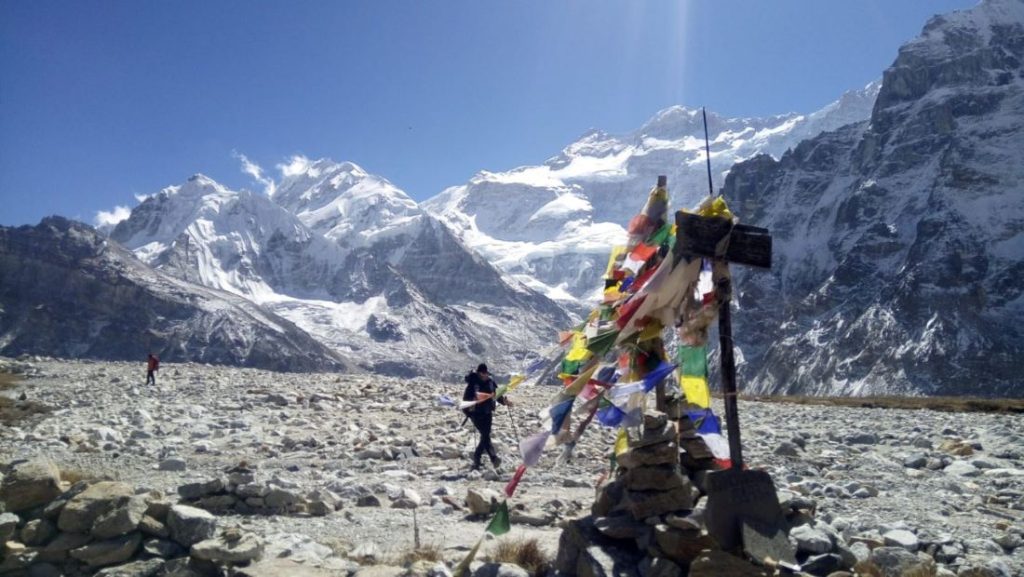
- Stunning views of Mount Kanchenjunga (8,586m), the world’s third-highest peak
- Explore both North Base Camp (Pangpema) and South Base Camp (Oktang)
- Walk through remote and untouched Himalayan trails in eastern Nepal
- Experience rich culture of Limbu, Rai, and Sherpa communities
- Trek inside the protected Kanchenjunga Conservation Area
- Spot rare wildlife like red panda, snow leopard, and Himalayan black bear
- Cross dramatic landscapes: glaciers, alpine meadows, rivers, and deep valleys
- Enjoy a peaceful trekking route with very few tourists
- Authentic teahouse stays in traditional mountain villages
- One of the most remote, wild, and adventurous treks in Nepal
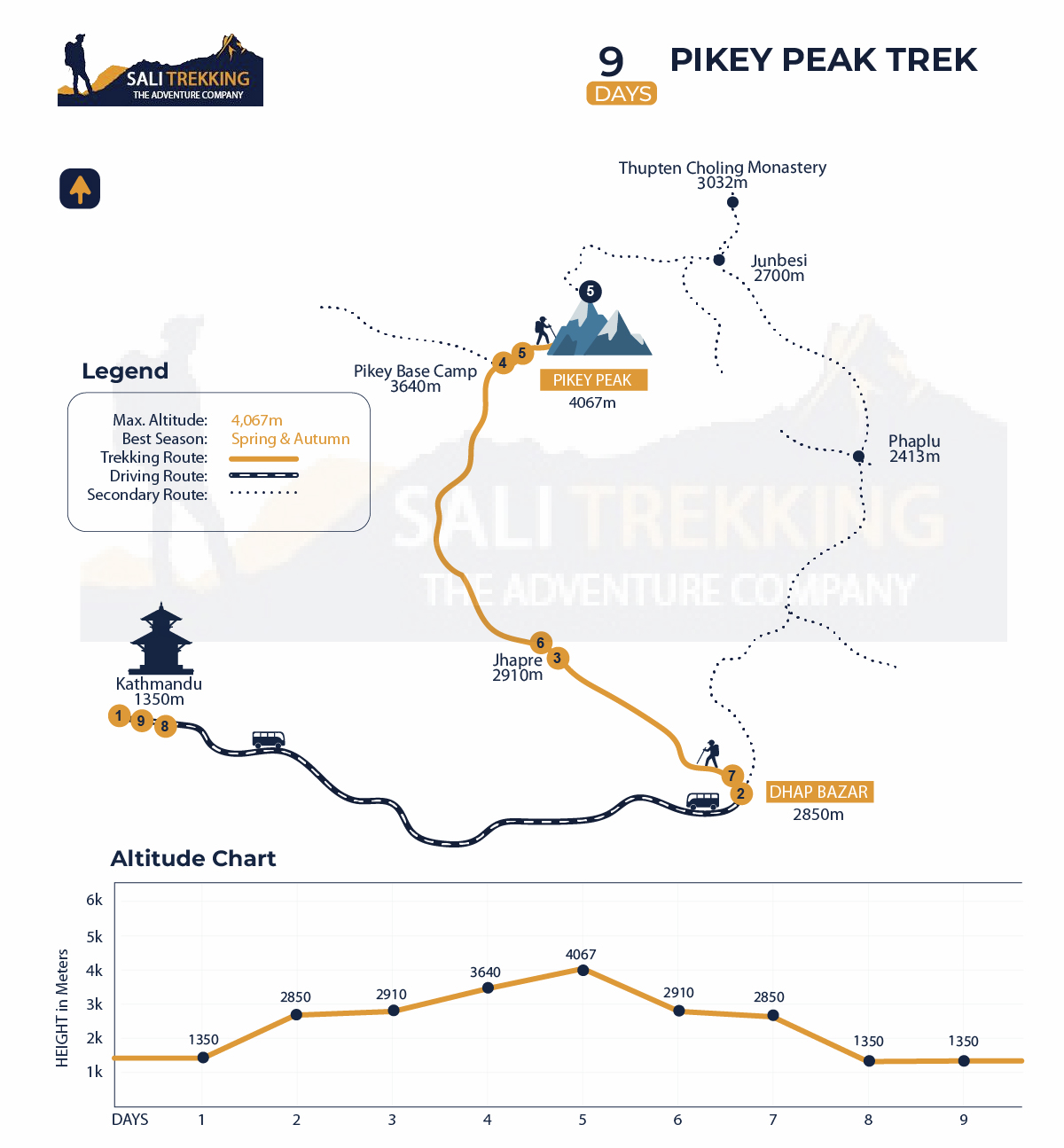
Kanchenjunga Circuit Trek 2026: Day by Day Itinerary
This itinerary includes everything from your arrival in Nepal to your final departure. It is designed for beginners, giving enough time for acclimatization, culture, and Everest views without rushing the journey.
You land in Kathmandu, the busy capital of Nepal. After airport pickup, you are transferred to your hotel in Thamel area. The day is for rest after your flight. In the evening, you meet your guide for a trek briefing about the Kanchenjunga Circuit Trek route, permits, and preparation.
A short flight takes you from Kathmandu to the hot lowlands of Bhadrapur in eastern Nepal. From here, your journey slowly changes into a scenic mountain drive. You pass tea gardens of Ilam, small rivers, and green rolling hills before reaching Taplejung, the gateway to Kanchenjunga.
Today feels like entering a different world. A rough mountain road takes you deeper into remote eastern Nepal. You cross rivers, suspension bridges, and small villages before reaching Sekathum, a quiet settlement beside the river where the real trekking atmosphere begins.
Your first full trekking day begins with excitement. The trail climbs steadily through dense forests, waterfalls, and narrow cliffside paths. The sound of rivers follows you all day. You reach Amjilosa, a small peaceful village surrounded by green hills.
The trail becomes calmer today. You walk through bamboo forests and alongside flowing rivers. Occasionally, you pass small stone houses. Gyabla is quiet and peaceful, perfect for resting and adjusting to mountain life.
As you move higher, the landscape changes. You enter Ghunsa, a beautiful village with prayer flags, monasteries, and wooden houses. This village feels culturally rich, influenced by Tibetan Buddhism, and marks a major stop in the trek.
Today is slow and important. You stay in Ghunsa to help your body adjust to altitude. You can explore nearby hills, visit monasteries, or simply enjoy mountain views. The air is thinner now, so rest is key.
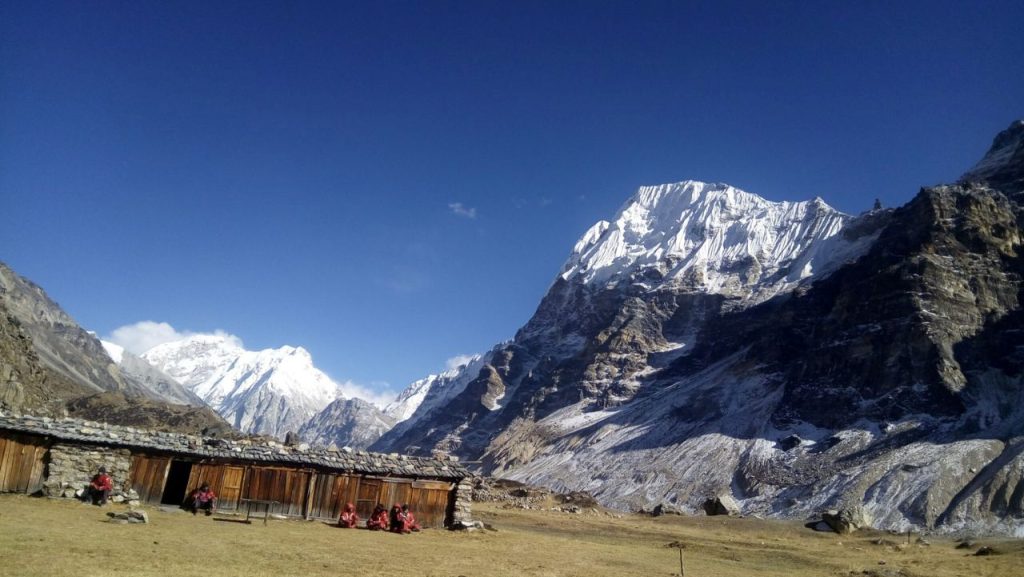
The trail becomes more dramatic. You walk beside glaciers, rocky slopes, and deep valleys. Mountains start feeling very close. Khambachen is a remote high-altitude settlement surrounded by stunning peaks like Jannu.
Another rest day, but more exciting. You can take short hikes around glaciers and viewpoints. The scenery here feels raw and powerful, with very few people around.
Today feels like stepping into a wild desert of ice and rock. The trail is open, windy, and extremely remote. Lhonak is one of the most isolated settlements in Nepal, surrounded by huge mountains and silence.
You start descending. Oxygen feels easier, and your body relaxes. The trail back to Ghunsa feels familiar, and you rest again in the same beautiful village.
Now the circuit begins. You climb again through forests and ridges toward Sele Le, a quiet high camp with wide Himalayan views. The route is less traveled and very peaceful.
The landscape opens up again. You see the southern face of Kanchenjunga and walk through alpine meadows. Tseram is a calm place surrounded by mountains.
Today you hike to Oktang Viewpoint, one of the most beautiful spots in Nepal. Glaciers shine below you, and Kanchenjunga’s south face rises dramatically. After enjoying the view, you return to Tseram.
You descend into green forests again. The air becomes warmer, and birds and rivers replace icy silence. Tortong feels peaceful and relaxing.
You enter human settlements again. Yamphudin village shows traditional life of eastern Nepal. You interact with locals, see farming fields, and experience warm hospitality.
The trail becomes easier. You walk through villages, farmlands, and gentle hills. This is the final trekking feeling before the journey ends.
You leave the trekking trail behind and drive back to Taplejung. It feels like returning to civilization after a long Himalayan adventure.
A long scenic drive takes you from mountains down to the flat Terai plains. The landscape changes completely in one day.
You return to Kathmandu and enjoy free time in shopping, food, or relaxation after completing one of Nepal’s most remote treks.
Our team transfers you to the airport. Your Kanchenjunga Circuit Trek in Nepal ends with unforgettable memories of remote mountains, culture, and wilderness.
Kanchenjunga Circuit Trek Nepal: What Is Included and Excluded
What's Included in the Trekking Package
- Airport transfers in Kathmandu (arrival and departure)
- Kathmandu hotel accommodation (3-star, bed & breakfast, 2 nights)
- Domestic flights: Kathmandu–Lukla–Kathmandu (both ways, baggage included)
- All teahouse accommodation on the trek (twin-sharing)
- All meals on the trek (breakfast, lunch, and dinner throughout)
- Professional English-speaking licensed trekking guide
- Porter service (1 porter per 2 trekkers, max 15kg per person)
- All permits and entry fees (TIMS, National Park)
- Technical group climbing equipment: rope, ice screws, snow stakes, fixed lines
- Personal technical equipment on loan: crampons, harness, carabiner, ascender, helmet
- First aid kit and basic altitude medications (Diamox available on request)
- Pulse oximeter monitoring.
- Sleeping bag and duffle bag if needed
What Is Excluded in The Climbing package
- International flights to and from Kathmandu
- Nepal visa fees (available on arrival at Kathmandu airport, USD 30 for 15 days, USD 50 for 30 days)
- Travel insurance (NOT mandatory, BUT better to cover helicopter evacuation to 6,500m and mountaineering activities)
- Personal trekking gear: sleeping bag (-20°C rated), mountaineering boots, trekking poles (available to rent in Kathmandu's Thamel district)
- Alcoholic beverages and bottled water (reusable bottle and purification tablets recommended)
- Hot showers, Wi-Fi, and battery charging at teahouses (charged locally at each teahouse)
- Tips and gratuities for guide and porters (customary and much appreciated)
Most Asked Questions about Kanchenjunga Circuit Trek
The Kanchenjunga Circuit Trek in Nepal is a remote and adventurous trekking route that circles Mount Kanchenjunga (8,586m), the third-highest mountain in the world. It is located in eastern Nepal and is known for its untouched natural beauty, deep valleys, glaciers, and traditional mountain villages.
This trek combines both North Base Camp (Pangpema) and South Base Camp (Oktang), making it a complete Himalayan circuit experience. Unlike popular trekking routes like Everest or Annapurna, this trail is quiet, less commercial, and more authentic. It is ideal for trekkers seeking wilderness, culture, and raw Himalayan adventure in Nepal.
The Kanchenjunga Circuit Trek is located in the far eastern region of Nepal, mainly in the Taplejung district. It lies close to the borders of India (Sikkim) and Tibet (China). The trek starts from low hill areas and gradually moves into high-altitude Himalayan landscapes.
This region is part of the Kanchenjunga Conservation Area, which is protected for its biodiversity and rare wildlife. Because of its remote location, access is limited, making it one of the least crowded trekking regions in Nepal. The isolation and untouched nature make it a perfect destination for adventure seekers.
The Kanchenjunga Circuit Trek usually takes 18 to 25 days, depending on the itinerary, walking pace, and acclimatization schedule. The trek is long because it covers both the northern and southern sides of the Kanchenjunga region. Additional days are required for travel from Kathmandu to Taplejung and return.
Rest days are also included in high-altitude places like Ghunsa and Khambachen to prevent altitude sickness. This long duration makes it a true expedition-style trek rather than a short hike. It is ideal for trekkers who want a deep Himalayan experience in Nepal.
The Kanchenjunga Circuit Trek is considered a challenging and strenuous trek in Nepal. It involves long walking days, steep uphill climbs, rocky trails, and high-altitude passes above 5,000 meters. The region is very remote, meaning facilities are basic and emergency access is limited.
Weather conditions can also change quickly in the Himalayas. Because of these factors, this trek is not suitable for beginners. However, with good physical fitness, proper preparation, and a licensed guide, it is achievable. It is best suited for experienced trekkers who want a real wilderness adventure.
Yes, prior trekking experience is highly recommended for the Kanchenjunga Circuit Trek. Since the route is long, remote, and high in altitude, having experience in multi-day trekking helps a lot. Trekkers should ideally have done previous hikes in places like Everest Base Camp or Annapurna Base Camp before attempting Kanchenjunga.
Experience helps you understand altitude management, endurance, and long walking days. However, even if you are not an expert, strong fitness and mental preparation can still make it possible under professional guidance from a licensed trekking company in Nepal.
The highest point of the Kanchenjunga Circuit Trek is Pangpema (North Base Camp) at 5,143 meters above sea level. Some viewpoints on the southern side also reach above 4,500 meters. At this altitude, oxygen levels are significantly lower, and trekkers must follow proper acclimatization rules.
This high elevation is one of the main reasons the trek is considered challenging. However, the reward is incredible panoramic views of Mount Kanchenjunga and surrounding Himalayan peaks, making the effort completely worthwhile.
Yes, the full Kanchenjunga Circuit Trek usually includes both North Base Camp (Pangpema) and South Base Camp (Oktang). The northern side offers close-up views of the massive Kanchenjunga glacier and peaks, while the southern side provides dramatic landscapes and wider mountain panoramas.
Completing both sides gives a full circuit experience of the region. Some shorter versions of the trek may only include the North Base Camp, but the complete circuit is considered more rewarding and scenic for trekkers visiting Nepal.
The best time for the Kanchenjunga Circuit Trek in Nepal is Spring (March–May) and Autumn (September–November). During these seasons, the weather is stable, skies are clear, and mountain views are excellent. Spring offers blooming rhododendron forests, while autumn provides crystal-clear visibility after the monsoon.
These conditions make trekking safer and more enjoyable. These seasons are also ideal for photography and wildlife observation in the Kanchenjunga Conservation Area.
Yes, it is possible to do The Kanchenjunga Circuit Trek in winter (December–February), but it is very challenging. The higher regions become extremely cold, and heavy snowfall may block trails above 4,000 meters.
Accommodation options may also be limited in some villages. Only experienced trekkers with proper winter gear and preparation should attempt it. However, the trails are very quiet during this season, offering a peaceful but tough Himalayan experience in Nepal.
No, the monsoon season (June–August) is not recommended for the Kanchenjunga Circuit Trek. Heavy rainfall causes slippery trails, landslides, and leeches in lower forest areas. Mountain views are often blocked by clouds, reducing visibility.
Transportation to eastern Nepal can also be affected by weather conditions. Although the region becomes very green and beautiful, trekking conditions are not safe or comfortable. That is why most trekking agencies in Nepal avoid operating Kanchenjunga treks during monsoon.
To complete the Kanchenjunga Circuit Trek in Nepal, trekkers need special permits because the region is restricted and environmentally protected. The main permits are the Restricted Area Permit (RAP) and the Kanchenjunga Conservation Area Permit (KCAP). The RAP is required because the area lies near international borders and is classified as a controlled trekking zone. The KCAP is needed to enter the conservation area and help protect wildlife and forests.
These permits can only be arranged through a registered trekking agency in Nepal, not individually. They are checked at several points during the trek, especially in Taplejung and Ghunsa, making compliance mandatory for all trekkers.
No, you cannot trek the Kanchenjunga Circuit independently without a guide. The Nepal government has made it mandatory to hire a licensed trekking guide for this region. This rule exists because the area is remote, less developed, and close to sensitive border zones. A guide ensures safety, helps with navigation, manages permits, and assists during emergencies.
Since the trail has limited signage and basic infrastructure, trekking alone would be risky. Therefore, all trekkers must go through a registered trekking company in Nepal, which provides experienced guides familiar with the Kanchenjunga region.
Solo trekking is strictly not allowed in the Kanchenjunga region of Nepal. The area is classified as a restricted trekking zone due to its remoteness and proximity to international borders. Nepal tourism regulations require all trekkers to be accompanied by at least one licensed guide. This rule ensures safety, proper monitoring, and environmental protection.
Solo trekking is also discouraged because of long distances between villages, limited communication, and high-altitude risks. Even experienced trekkers must join through a government-registered trekking agency to explore the Kanchenjunga Circuit Trek safely.
On the Kanchenjunga Circuit Trek, trekkers usually walk around 5 to 7 hours per day, depending on the section and altitude. Some days may be shorter during acclimatization, while higher altitude or circuit sections can extend walking time. The terrain includes steep ascents, rocky trails, river crossings, and long forest paths.
Because the trek is remote, daily distances between villages are longer compared to other trekking routes in Nepal. Proper pacing is important to avoid fatigue and altitude sickness, and guides usually manage the walking speed to ensure safety and comfort.
Accommodation on the Kanchenjunga Circuit Trek is basic and simple, mostly consisting of small teahouses and local lodges. These are run by local families in remote villages of eastern Nepal. Rooms usually have twin beds, blankets, and shared bathroom facilities.
As you go higher into areas like Khambachen and Lhonak, facilities become more limited due to remoteness and harsh weather. Heating is minimal, and comfort is basic, but the hospitality of local people makes the experience warm and welcoming. In some remote sections, camping may be required depending on the itinerary.
Yes, food is available throughout the Kanchenjunga Circuit Trek, but it is simple and locally prepared. Teahouses along the trail serve fresh meals cooked by local families. The most common dish is Dal Bhat (rice, lentils, and vegetables), which provides high energy for long trekking days.
Other options include noodles, soups, fried rice, potatoes, and Tibetan-style food in higher regions. While food availability is consistent, choices become more limited as you go higher into remote areas. Still, the meals are fresh, filling, and suitable for high-altitude trekking.
The Kanchenjunga Circuit Trek offers simple Himalayan food options that are suitable for long trekking days. The most common meal is Dal Bhat, which is nutritious and provides unlimited energy. Along with this, trekkers can find noodles, vegetable soups, fried rice, pasta, potatoes, and basic snacks. In higher villages like Ghunsa and Khambachen,
Tibetan-style food such as momos, thukpa, and butter tea becomes more common. Although the menu is not wide, the food is freshly prepared and designed to support trekkers in high-altitude conditions in Nepal.
Yes, teahouses are available along most parts of the Kanchenjunga Circuit Trek, especially in lower and mid-altitude villages. However, they are more basic and fewer in number compared to popular trekking routes like Everest or Annapurna. In remote sections of eastern Nepal, teahouses may be very simple with limited facilities.
In higher regions such as Lhonak, options can be very basic and sometimes combined with camping arrangements. Despite this, teahouses provide essential food, shelter, and warm hospitality to trekkers exploring this remote Himalayan region.
The Kanchenjunga Circuit Trek usually starts from Taplejung, a remote town in eastern Nepal. To reach Taplejung, trekkers first fly from Kathmandu to Bhadrapur or Biratnagar and then take a long jeep drive through hills, tea gardens, and rural settlements. Taplejung serves as the main gateway to the Kanchenjunga region.
From here, the trekking trail officially begins and gradually enters deeper into the Himalayan wilderness. This starting point marks the transition from city life to one of the most remote trekking areas in Nepal.
To reach Taplejung from Kathmandu, trekkers usually take a combination of flight and road travel. First, you take a domestic flight from Kathmandu to Bhadrapur in eastern Nepal, which is the fastest and most common option. From Bhadrapur, you continue by jeep or local transport for several hours through scenic hills, tea plantations of Ilam, and rural villages until you reach Taplejung.
Alternatively, it is also possible to travel entirely by road from Kathmandu, but this takes much longer. This journey gives a beautiful introduction to eastern Nepal’s landscapes before starting the trek.
Yes, altitude sickness (AMS) is a common concern on the Kanchenjunga Circuit Trek in Nepal because the route climbs above 5,000 meters at Pangpema (North Base Camp). As trekkers ascend, oxygen levels decrease, which can affect anyone regardless of fitness level. Symptoms include headache, dizziness, nausea, and fatigue.
However, with proper acclimatization, slow ascent, and hydration, it can be managed safely. The itinerary is usually designed with rest days in places like Ghunsa and Khambachen to help the body adjust. Following your guide’s instructions is very important to reduce risks and ensure a safe trekking experience in this remote Himalayan region.
To prevent altitude sickness during the Kanchenjunga Circuit Trek, proper preparation and trekking discipline are very important. The key is to ascend slowly and allow your body to adapt to higher altitudes. Drinking plenty of water, avoiding alcohol, and eating well-balanced meals also help reduce risk. Rest days in places like Ghunsa are essential for acclimatization.
Physical fitness before the trek improves endurance but does not fully prevent AMS. Many trekkers also consult doctors about medication like Diamox before traveling. Most importantly, always listen to your guide and never ignore symptoms while trekking in the high Himalayas of Nepal.
The Kanchenjunga Circuit Trek cost in Nepal generally ranges between $1,800 and $3,500+ per person, depending on services, group size, and itinerary length. The cost includes permits, guide and porter fees, accommodation, meals, and transportation. Because this is a remote and restricted region, expenses are higher than many other trekking routes.
Longer itineraries that include both North and South Base Camps also increase the total cost. Budget options are available for basic services, while premium packages offer more comfort and better logistics. Overall, the price reflects the remoteness and challenging nature of this Himalayan trek.
A standard Kanchenjunga Circuit Trek package in Nepal usually includes all essential trekking services. This covers airport pickup and drop in Kathmandu, domestic flights and jeep transfers, trekking permits (RAP and KCAP), accommodation during the trek, meals (breakfast, lunch, and dinner), and a licensed guide.
Some packages also include porter service for carrying luggage. The goal is to provide a complete hassle-free trekking experience in this remote region. Since Kanchenjunga is a restricted area, booking through a registered trekking company is mandatory, and most logistics are managed by the agency for safety and convenience.
Even though Kanchenjunga trekking packages are comprehensive, some costs are usually not included. These include international flights to Nepal, travel insurance, personal expenses such as snacks, drinks, Wi-Fi, and hot showers, as well as tips for guides and porters. Emergency costs or extra accommodation in Kathmandu before or after the trek are also typically excluded. Trekkers are advised to prepare for these additional expenses separately.
Travel insurance is especially important because it must cover high-altitude trekking and possible evacuation in remote areas of eastern Nepal.
To book the Kanchenjunga Circuit Trek in Nepal, you must go through a registered trekking agency because the region is restricted. Solo bookings are not allowed by the Nepal government. You need to contact a licensed company, confirm your itinerary, and provide passport details for permit processing. Most agencies offer both group and private trekking options.
It is recommended to book in advance, especially during peak seasons like spring and autumn. Early booking ensures better logistics, guide availability, and smooth permit arrangements for this remote Himalayan trek.
No, the Kanchenjunga region is one of the least crowded trekking areas in Nepal. Unlike Everest or Annapurna, very few trekkers visit this remote region due to its long duration, restricted access, and challenging terrain. This makes the experience very peaceful and authentic. You will often walk for hours without meeting other trekking groups.
The low number of tourists helps preserve the natural environment and local culture. For travelers seeking solitude, wilderness, and a true Himalayan adventure, Kanchenjunga offers one of the most untouched trekking experiences in Nepal.
The Kanchenjunga Conservation Area in eastern Nepal is rich in biodiversity and home to rare Himalayan wildlife. Some of the most famous species include the red panda, snow leopard, Himalayan black bear, musk deer, and Himalayan tahr. Birdlife is also abundant, making it a great destination for nature lovers.
Although sightings are rare due to the animals’ shy nature, the region is known for its ecological importance. Dense forests, alpine meadows, and remote valleys provide a natural habitat for these endangered species, making the trek a unique wildlife experience in Nepal.
Internet and mobile network on the Kanchenjunga Circuit Trek are very limited. In lower villages, you may find weak mobile signals or occasional network coverage, but as you go higher into remote areas, connectivity often disappears completely.
Wi-Fi is not widely available, and if present, it is slow and unreliable. This digital isolation is part of the trekking experience in eastern Nepal. Trekkers are encouraged to inform family in advance and enjoy a break from modern communication while exploring the untouched Himalayan wilderness.
For the Kanchenjunga Circuit Trek, packing should focus on warmth, safety, and practicality due to high altitude and remote conditions. Essential items include warm layered clothing, waterproof jacket, trekking boots, sleeping bag rated for sub-zero temperatures, trekking poles, and a daypack.
Personal items like sunscreen, lip balm, first aid kit, and water purification tablets are also important. Documents such as passport, permits, and travel insurance must be carried. Since facilities are basic in eastern Nepal, proper preparation ensures comfort, safety, and a successful Himalayan trekking experience.
Yes, the Kanchenjunga Circuit Trek is generally safe when done with a licensed guide and proper preparation. The main risks include altitude sickness, remote terrain, and changing weather conditions. However, Nepal’s trekking system and experienced guides help manage these risks effectively.
Safety improves significantly when trekkers follow acclimatization schedules, stay hydrated, and listen to their guide. Because the region is remote, emergency evacuation can take time, so travel insurance is essential. Overall, with proper planning, Kanchenjunga is a safe and rewarding Himalayan adventure.
The Kanchenjunga Circuit Trek is famous in Nepal because it offers one of the most remote, untouched, and scenic trekking experiences in the Himalayas. It surrounds Mount Kanchenjunga (8,586m), the third-highest peak in the world, and passes through diverse landscapes, from lush forests to glaciers.
Unlike commercial trekking routes, it remains quiet and less crowded. The region is also rich in culture, wildlife, and natural beauty. For trekkers seeking solitude and adventure, Kanchenjunga represents the purest form of Himalayan trekking in Nepal.
Trekkers choose the Kanchenjunga Circuit Trek over Everest or Annapurna because it offers a more remote, wild, and authentic Himalayan experience. While Everest and Annapurna are more developed and crowded, Kanchenjunga remains untouched and peaceful.
It provides deeper cultural exposure, richer biodiversity, and true wilderness trekking in eastern Nepal. There are fewer tourists, making the journey more personal and adventurous. It is ideal for experienced trekkers who want solitude, challenge, and raw natural beauty instead of commercial trekking routes.
Useful Information
Review


Bard Curuttttt!!!


Everything was perfectly taken care of, thanks to Sali Trekking, making our trekking expedition all the more memorable.
Nepal — 23 Oct to 2 Nov 2025.


Hi! I’m Renee, 11 years old and I went on the Annapurna Base Camp trek with my dad through Sali Trekking. It was one of the most amazing experiences of my life!
Our guide, Navin, was super nice and took great care of us the whole way. He always made sure we were safe, comfortable, and happy. He taught us so many things about the mountains, the villages, and the people. I really liked how patient and kind he was, especially when the trek got tough.
The mountains looked so beautiful — like they were touching the sky! I couldn’t believe how big they were. Every day was like a new adventure, walking through forests, crossing bridges, and meeting friendly people on the way.
Thank you to Sali Trekking and Navin for making my first big trek so special. I’ll never forget it! I can’t wait to come back to Nepal and do another trek someday.