QUICK ANSWER
The five non-negotiables are broken-in trekking boots, a sub-zero down jacket, a sleeping bag rated to -10°C, a full layering system (base + mid + shell), and water purification. There are no ATMs on the trail, so carry all your cash from Pokhara. Forgot something? You can rent sleeping bags, down jackets and trekking poles in Pokhara’s Lakeside for about $1-2 a day.
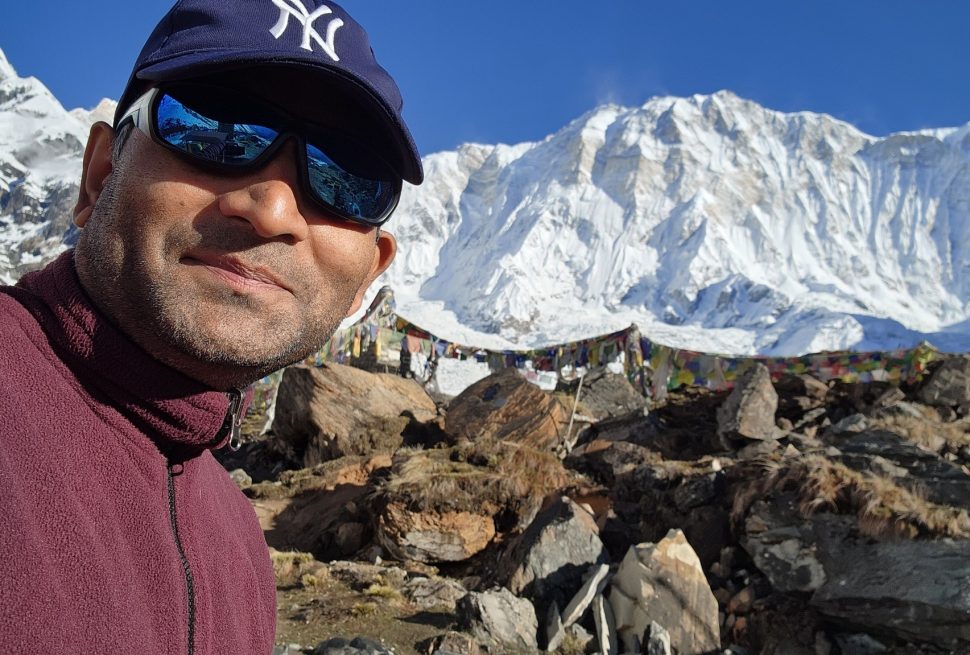
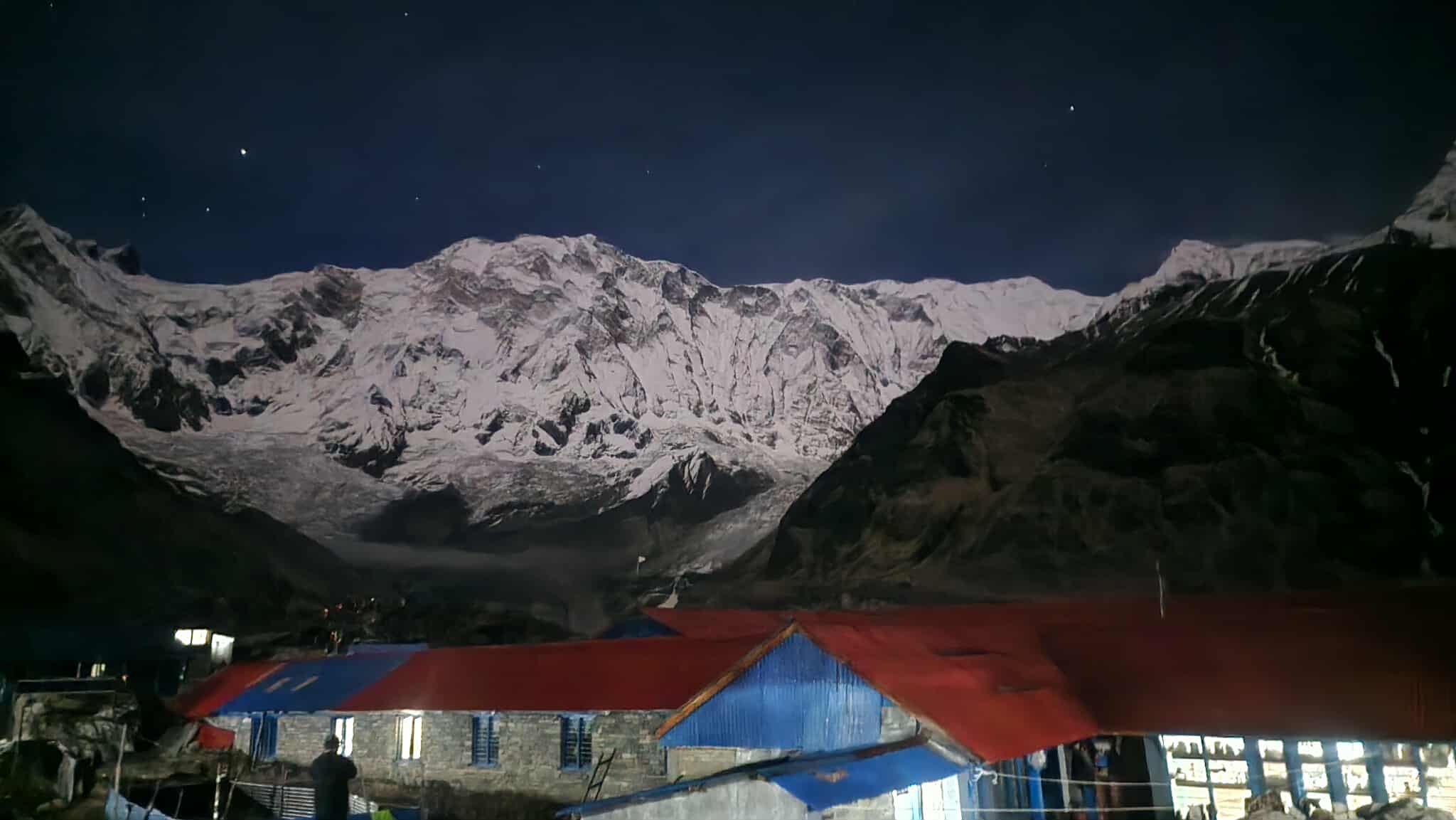
There is a specific kind of regret that only trekkers understand. It is not the regret of going too slow or starting too late. It is the regret of standing at Annapurna Base Camp on a freezing morning, staring at your bag, realising you left your proper down jacket at home because you thought the fleece you packed would be fine. It is never fine.
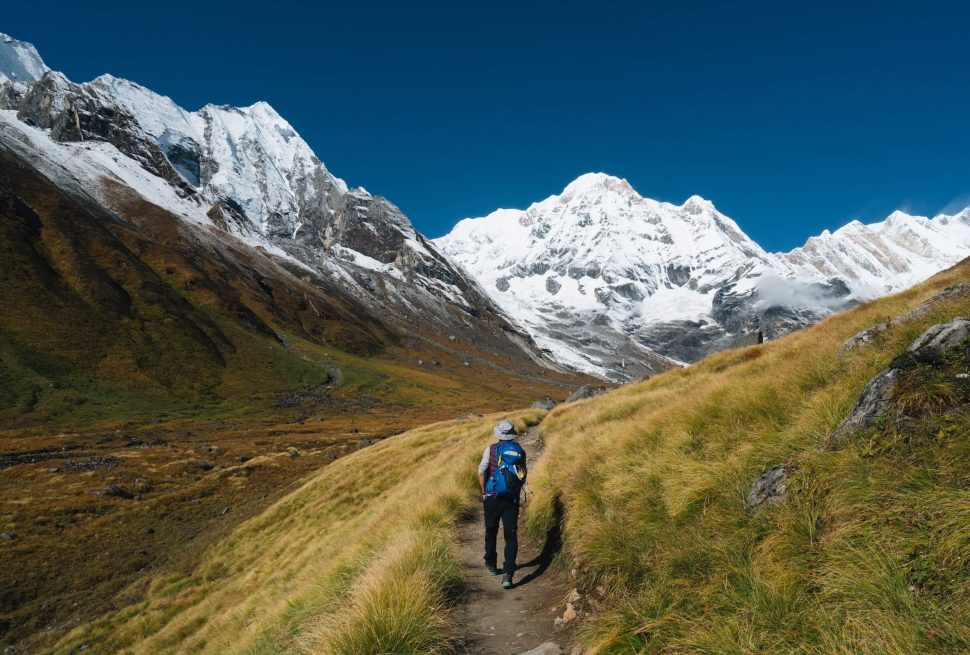
Packing for the Annapurna Base Camp Trek is not complicated, but it does reward careful thought. Unlike the most remote restricted routes in Nepal, the Annapurna trail is relatively well served, with teahouses, the city of Pokhara close by, and gear shops where you can rent or buy what you forgot. But you still climb from warm lower valleys up to a glacial basin at 4,130 metres, so you will experience everything from warm afternoon sun to sub-zero mornings, sometimes within the same day.
This guide gives you a complete, practical Annapurna Base Camp Trek packing list, organised by category, with honest advice on what is essential, what is optional, what to leave behind, and what you can simply rent in Pokhara.
The Golden Rule: Layering
Before the specific list, understand the single most important packing principle for this trek, layering. The temperature on the Annapurna Base Camp Trek varies enormously, from hot, humid forest sections to freezing alpine mornings at base camp. No single garment can handle this range.
The solution is layers. A base layer next to your skin manages moisture. A mid layer of fleece or light down provides insulation. An outer shell protects against wind and rain. By adding and removing layers throughout the day, you stay comfortable in any condition. This approach is far more effective than relying on one heavy jacket, and it keeps your pack lighter and more versatile.
What Clothing Do You Need for the ABC Trek?
Upper Body
Pack two to three base layer tops, ideally moisture-wicking synthetic or merino wool, not cotton. Cotton holds sweat, stays wet, and chills you at altitude.
Bring a warm fleece or insulated mid layer for cooler sections and evenings.
A down jacket is essential for the cold mornings and evenings in the upper sections and at base camp. This is not optional. The down jacket is what keeps you warm during the freezing pre-dawn sunrise at Annapurna Base Camp.
A waterproof and windproof shell jacket protects against rain, snow, and wind. A good shell is critical, particularly in spring and autumn when weather can change quickly.
Pack two to three trekking t-shirts for daytime walking, again synthetic or merino rather than cotton.
Lower Body
Bring two pairs of trekking trousers, quick-drying and comfortable. Convertible trousers that zip off into shorts are popular for the warmer lower sections.
Pack thermal leggings or base layer bottoms for the cold upper sections and for sleeping at base camp.
A pair of waterproof over-trousers is valuable insurance against rain, especially outside the driest months.
Extremities
Bring a warm hat or beanie for cold mornings and evenings, and a sun hat or cap for the exposed daytime sections.
Pack a pair of warm gloves, ideally insulated, for the cold mornings, plus a thinner liner glove if you feel the cold.
Bring a buff or neck gaiter for warmth, dust, and sun protection.
Pack three to four pairs of trekking socks, wool or synthetic, plus a couple of liner socks if you are prone to blisters.
What Footwear is best for ABC Trek?
Your footwear is the most important gear decision you will make for this trek.
A pair of sturdy, broken-in trekking boots with good ankle support is essential. The stone staircases and uneven trail demand proper boots, not running shoes. Critically, break them in before the trek. New boots cause blisters, which can ruin the experience.
Bring a pair of lightweight camp shoes or sandals for relaxing at teahouses in the evening, giving your feet a break from boots.
Pack gaiters if you are trekking in monsoon (for mud and leeches) or winter (for snow). They are optional in the dry seasons.
What are the Backpacks and Bags you will need?
If you are using a porter, you will typically have two bags. A main duffel or backpack of 50 to 65 litres carried by the porter holds the bulk of your gear. Many agencies provide a duffel bag.
A daypack of 30 to 40 litres that you carry yourself holds what you need during the day, including water, snacks, layers, rain gear, camera, and your permits and documents. This is the bag that stays with you at all times.
Bring a waterproof rain cover for both bags, and consider dry bags or plastic bags inside to keep clothing and electronics dry.
Do You Need a Sleeping Bag?
A good sleeping bag rated to at least minus 10 degrees Celsius is essential, particularly for the upper sections and base camp. Teahouses provide blankets, but nights at altitude are cold and a proper bag makes all the difference. Many agencies provide a sleeping bag, and you can also rent one in Pokhara.
A sleeping bag liner adds warmth and keeps your bag clean. It is a small, light, worthwhile addition.
What are the Documents you will require?
Carry your passport, with at least six months validity, kept safe and dry in your daypack.
Bring your ACAP permit and TIMS card, both required for the trek and checked at multiple checkpoints. Keep them in a waterproof pouch.
Pack printed copies of your travel insurance policy and emergency contact numbers.
Bring enough Nepalese Rupees in cash for the entire trek. There are no ATMs on the trail, so withdraw what you need in Pokhara before you start. Budget for meals, drinks, hot showers, WiFi, charging, snacks, and tips.
Bring passport-sized photos, useful for permits and any unexpected paperwork.
How can your health and Safety be ensured on the Trek?
Pack a personal first-aid kit including blister plasters, painkillers, any personal medication, rehydration salts, and basic wound care.
Bring water purification tablets or a filter. Buying bottled water on the trail is expensive and creates plastic waste, so treating tap or stream water is better for your budget and the environment.
Consider altitude sickness medication such as acetazolamide, after consulting your doctor before the trip. Knowing the symptoms of altitude sickness is as important as carrying medication.
Pack high-SPF sunscreen and SPF lip balm. The sun at altitude is intense, even when it is cold.
Bring quality sunglasses with UV protection. Sun glare off snow at base camp can be severe.
Carry hand sanitiser and a small supply of toilet paper, as not all teahouses provide it.
What are electronic accessories you need to have?
Bring a headlamp with spare batteries. This is essential for early morning starts, dark teahouse corridors, and any night-time needs.
A power bank is highly valuable. Teahouses charge a fee for charging devices, and charging can be unreliable at higher elevations. A good power bank keeps your phone and camera alive between stops.
Bring your phone and camera to capture the spectacular scenery, plus the appropriate charging cables and a universal travel adapter for Nepal.
What are the Toiletries and Personal Items you will need?
Pack a quick-drying travel towel, lightweight and far more practical than a regular towel.
Bring travel-sized toiletries, including toothbrush, toothpaste, soap, and any personal items, kept minimal to save weight.
Pack wet wipes for days when a hot shower is not available or too expensive.
Bring lip balm, moisturiser, and any personal skincare for the dry mountain air.
What will be the Food and Snacks you need to bring?
Teahouses provide three meals a day, but personal snacks are valuable for energy on the trail. Pack energy bars, nuts, dried fruit, and chocolate. Buy these in Pokhara, where they are far cheaper than on the upper trail. Electrolyte or rehydration sachets are also useful for staying hydrated and replacing salts.
What to Leave Behind
Just as important as what to bring is what to leave. Do not overpack. A heavy bag makes the trek harder and is unfair to your porter, who has weight limits for good reason.
Leave behind cotton clothing, which does not perform at altitude. Leave heavy books, excessive electronics, and bulky toiletries. Leave valuable jewellery and anything you would be devastated to lose or damage. And leave any single heavy item you packed out of fear rather than need, the layering system handles the cold better than one giant jacket.
What You Can Rent or Buy in Pokhara
One of the advantages of the Annapurna Base Camp Trek is that Pokhara has excellent gear shops in the Lakeside area where you can rent or buy almost anything.
You can rent a sleeping bag (around USD 1 to 2 per day), a down jacket (around USD 1 to 2 per day), and trekking poles (around USD 1 per day). You can buy or rent gaiters, and buy snacks, sunscreen, water purification tablets, and most other consumables.
This means if you forget something or do not want to buy expensive gear for a single trip, Pokhara has you covered. Renting major items like sleeping bags and down jackets is a smart, cost-effective choice for many trekkers.
Sample Packing Checklist
| Category | Items |
| Clothing | Base layers, fleece/mid layer, down jacket, waterproof shell, trekking tees, trekking trousers, thermal leggings, over-trousers, warm hat, sun hat, gloves, buff, trekking socks |
| Footwear | Broken-in trekking boots, camp shoes/sandals, gaiters (seasonal) |
| Bags | Main duffel/pack (50-65L), daypack (30-40L), rain covers, dry bags |
| Sleeping | Sleeping bag (-10°C), liner |
| Documents & money | Passport, ACAP permit, TIMS card, insurance copies, NPR cash, passport photos |
| Health | First-aid kit, water purification, altitude meds (if advised), sunscreen, lip balm, sunglasses, sanitiser, toilet paper |
| Electronics | Headlamp + spare batteries, power bank, phone, camera, cables, adapter |
| Toiletries | Travel towel, travel toiletries, wet wipes, moisturiser |
| Food | Energy bars, nuts, dried fruit, chocolate, electrolyte sachets |
Seasonal Packing Adjustments
In spring and autumn, the peak seasons, pack the full layering system, as mornings and evenings are cold while days can be warm. A down jacket and good sleeping bag are essential.
In winter, add extra warm layers, heavier gloves, a warmer sleeping bag, and gaiters for snow. The upper sections are seriously cold and may be snowbound.
In monsoon, prioritise waterproof gear, gaiters and leech protection for the forest sections, quick-drying clothing, and dry bags to protect everything from the persistent rain.
FAQ: Annapurna Base Camp Trek Packing List
1. What is the most important item to pack for the trek?
Broken-in trekking boots and a warm down jacket are the two most critical items. Boots prevent blisters and handle the terrain, while the down jacket keeps you warm at the cold base camp mornings.
2. Do I need a sleeping bag for the trek?
Yes. While teahouses provide blankets, nights at altitude are cold and a sleeping bag rated to at least minus 10 degrees Celsius is strongly recommended. You can rent one in Pokhara.
3. Can I rent gear in Pokhara?
Yes. Pokhara’s Lakeside area has many gear shops where you can rent sleeping bags, down jackets, and trekking poles for a dollar or two per day, or buy almost anything you need.
4. How heavy should my pack be?
Keep your main bag as light as possible, ideally under the porter weight limit (often around 15 kg shared between two trekkers). Your daypack should hold only what you need during the day.
5. Should I bring trekking poles?
Yes, trekking poles are highly recommended for the long descents and the famous stone staircases. They reduce knee strain significantly.
6. Do I need water purification?
Yes. Buying bottled water on the trail is expensive and creates plastic waste. Water purification tablets or a filter let you safely treat tap and stream water.
7. What kind of clothing should I avoid?
Avoid cotton. It holds moisture, stays wet, and chills you at altitude. Choose synthetic or merino wool base layers and trekking clothes instead.
8. How much cash should I bring?
Bring enough Nepalese Rupees for the entire trek, as there are no ATMs on the trail. Budget for meals, drinks, hot showers, WiFi, charging, snacks, and tips, and withdraw cash in Pokhara before you start.
9. Do I need special gear for winter or monsoon?
For winter, add extra warm layers, a warmer sleeping bag, and gaiters for snow. For monsoon, prioritise waterproof gear, leech protection, and dry bags to keep everything dry.
10. What should I keep in my daypack?
Water, snacks, a warm layer, rain gear, sunscreen, sunglasses, your camera, and crucially your passport, permits, and money. Keep these on you at all times rather than in your main pack.
11. Can I wear running shoes or trainers instead of trekking boots?
It’s not recommended. The stone staircases, loose rock and uneven trail put real strain on your ankles, and sturdy boots with ankle support reduce the risk of rolls and slips. Trail runners suit fast, light hikers on dry days, but for most trekkers broken-in boots are the safer choice.
12. Do I really need a power bank?
Yes, it’s strongly recommended. Teahouses charge a fee to use their sockets, charging is slower and less reliable higher up, and cold drains phone and camera batteries faster. A 10,000–20,000 mAh power bank keeps your devices alive between charges and saves you money on charging fees.
13. How many days of clothing should I pack?
You don’t need a fresh set for every day. Two to three base layers, two trekking trousers, and three to four pairs of socks are enough for the whole trek if you rotate and air them. Quick-drying synthetics or merino let you rinse and dry items overnight, keeping your pack light.
14. Do I need crampons or microspikes for the ABC Trek?
Usually no. In spring, autumn and summer the trail needs no traction aids. In winter or after heavy snow, lightweight microspikes can help on icy sections near the upper teahouses and base camp. Full mountaineering crampons are not needed, as the ABC Trek is a walking route, not a technical climb.
15. Should I use a hydration bladder or water bottles?
Either works. A bladder makes it easy to sip while walking, but the tube can freeze on cold mornings high up. Many trekkers carry one bottle plus a bladder, or two wide-mouth bottles that are easier to refill and treat with purification tablets. Aim to carry at least two to three litres of capacity.
16. Do I need a porter, or can I carry my own pack?
Both are common. Carrying your own pack keeps costs down and suits experienced trekkers travelling light. Hiring a porter spares your knees on the long staircases, supports the local economy, and lets you enjoy the trek with just a daypack. If you hire one, keep the main bag under the agreed weight limit.
17. What should my travel insurance cover for the trek?
Make sure your policy explicitly covers trekking to at least 4,130 metres and includes emergency helicopter evacuation and medical treatment. Many standard travel policies exclude high-altitude trekking, so check the wording carefully and carry a printed copy with your emergency contact numbers.
18. Can I buy gear on the trail, or only in Pokhara?
Stock up in Pokhara. The Lakeside gear shops sell and rent almost everything, at far better prices and selection than the trail. Teahouses higher up sell only basics like snacks, water-purification tablets and the occasional item, usually at a premium, so don’t rely on buying anything important once you’ve started.
Final Thoughts
Packing well for the Annapurna Base Camp Trek is about being prepared without being overloaded. Master the layering system, prioritise the essentials like good boots, a warm down jacket, and a proper sleeping bag, and take advantage of Pokhara’s gear shops for anything you can rent rather than buy.
Get your packing right and you will be warm at base camp, dry in the rain, comfortable on the climbs, and free to focus on what really matters, the extraordinary mountains all around you. Pack smart, trek happy, and enjoy one of the great journeys of the Himalayas.
Related Articles:
- Full cost guide: /annapurna-base-camp-trek-cost
- Food & accommodation: /annapurna-base-camp-trek-food-accommodation
- Altitude sickness guide: /annapurna-base-camp-trek-altitude-sickness
- Trekking permits: /nepal-trekking-permits
- 10-day itinerary: /annapurna-base-camp-trek-itinerary
- Trek difficulty: /annapurna-base-camp-trek-difficulty
Sources and References
| Source | Reference |
| Nepal Tourism Board / ACAP | ACAP entry permit and TIMS card requirements for the Annapurna region |
| Trekking Agencies’ Association of Nepal (TAAN) | Porter weight limits and welfare guidelines |
| Himalayan Rescue Association (HRA) | Altitude sickness prevention and acetazolamide (Diamox) guidance |
| Annapurna Conservation Area Project (ACAP) | Trail rules, including plastic-bottle restrictions and water treatment |
| Your confirmed 10-day ABC itinerary | Elevation profile and stage data (internal reference) |