This guide covers our complete 14-day Everest Base Camp Trek itinerary, from your arrival in Kathmandu to your departure from Nepal. You’ll find a detailed day-by-day breakdown of the trek, including daily walking hours, altitude, overnight stops, acclimatization days, and what to expect at each stage of the journey.
The Everest Base Camp Trek is more than just a hike to the foot of the world’s highest mountain. It’s a journey through the heart of the Khumbu region, where you’ll experience Sherpa culture, visit centuries-old monasteries, cross iconic suspension bridges, and walk alongside glaciers beneath some of the tallest mountains on Earth.
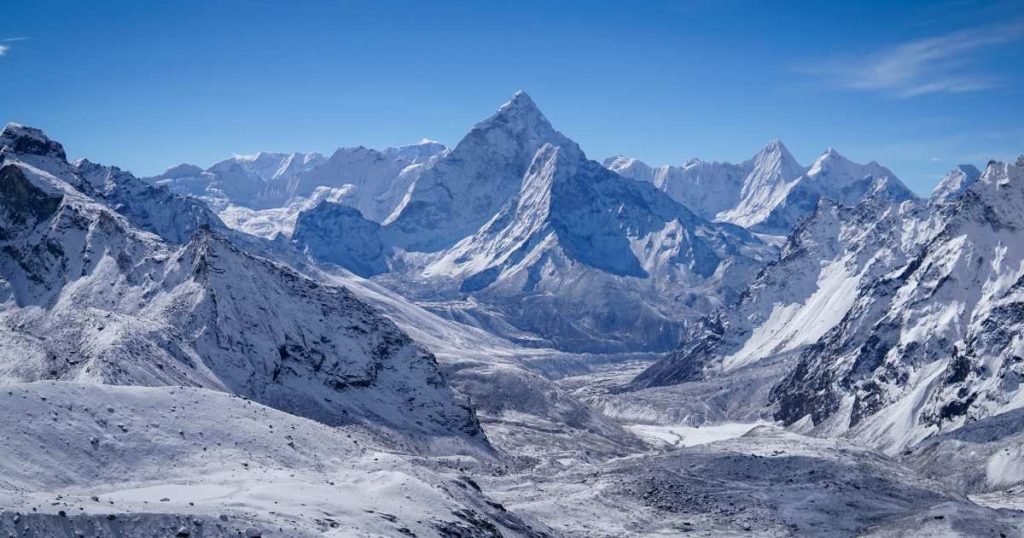
The adventure begins with a scenic flight to Lukla before following the classic trail through Phakding, Namche Bazaar, Tengboche, Dingboche, Lobuche, and Gorak Shep. Along the way, you’ll enjoy ever-changing landscapes and close-up views of Mount Everest, Lhotse, Nuptse, Ama Dablam, Thamserku, and Pumori.
To help you adjust safely to the altitude, the itinerary includes two important acclimatization days in Namche Bazaar and Dingboche. Taking these extra days greatly improves your chances of reaching Everest Base Camp comfortably while reducing the risk of altitude sickness.
If you’d like to see what the journey looks like before you go, watch our Everest Base Camp Trek video guide for trail highlights, mountain scenery, and practical trekking tips.
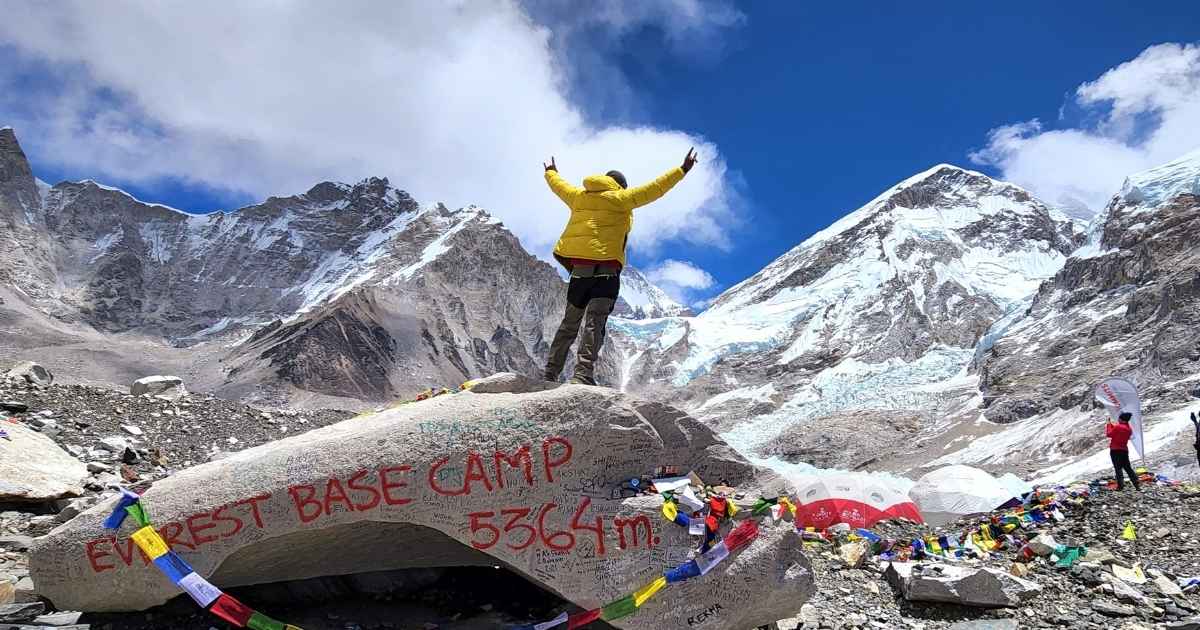
The highlight of the trek is reaching Everest Base Camp (5,364 m / 17,598 ft) beside the Khumbu Glacier and Khumbu Icefall. The following morning, you’ll hike to Kala Patthar (5,545 m / 18,192 ft), widely regarded as the best viewpoint for watching the sunrise over Mount Everest.
Planning your own adventure? Explore our Everest Base Camp Trek package for detailed pricing, trip inclusions, and expert guidance on the trek’s difficulty, the best time to visit, altitude sickness, packing list, accommodation, permits, and everything else you need to prepare for a safe and memorable journey.
Everest Base Camp Trek at a Glance
| Feature | Details |
| Duration | 14 Days (Kathmandu to Kathmandu) |
| Trek Duration | 12 Days of trekking |
| Starting Point | Kathmandu |
| Trek Starts | Lukla |
| Highest Point | Kala Patthar (5,545 m / 18,192 ft) |
| Everest Base Camp Altitude | 5,364 m / 17,598 ft |
| Total Trekking Distance | Approximately 130 km (round trip) |
| Daily Walking Time | 3–8 hours |
| Difficulty | Moderate to Challenging |
| Accommodation | Mountain teahouses and hotel in Kathmandu |
| Best Seasons | Spring (March–May) and Autumn (September–November) |
| Acclimatization Days | 2 (Namche Bazaar and Dingboche) |
Everest Base Camp Trek Itinerary – Outline plan
Every day on the Everest Base Camp Trek brings something new, whether it’s crossing thrilling suspension bridges, walking through traditional Sherpa villages, visiting ancient monasteries, or getting your first close-up views of the world’s highest peaks.
Our 14-day itinerary is carefully paced with two acclimatization days in Namche Bazaar and Dingboche, giving you time to adjust to the altitude while enjoying some of the best viewpoints along the trail. The table below gives you a quick overview of the route before we dive into each day in detail.
| Day | Itinerary |
|---|---|
| 1 | Arrive in Kathmandu |
| 2 | Lukla → Phakding (3–4 hrs) |
| 3 | Phakding → Namche (6–7 hrs) |
| 4 | Acclimatization in Namche (3–4 hrs) |
| 5 | Namche → Tengboche (5–6 hrs) |
| 6 | Tengboche → Dingboche (5–6 hrs) |
| 7 | Acclimatization in Dingboche (4–5 hrs) |
| 8 | Dingboche → Lobuche (5–6 hrs) |
| 9 | Lobuche → EBC → Gorak Shep (7–8 hrs) |
| 10 | Kala Patthar → Pheriche (7–8 hrs) |
| 11 | Pheriche → Namche (6–7 hrs) |
| 12 | Namche → Lukla (6–7 hrs) |
| 13 | Fly to Kathmandu |
| 14 | Final Departure |
Everest Base Camp Trek Itinerary with Day-by-Day Details
Day 1: Arrival in Kathmandu (1,400 m / 4,593 ft)
Route: Tribhuvan International Airport – Hotel in Kathmandu
Walking Time: Minimal
Highest Altitude: 1,400 m (4,593 ft)
Meals: Not included (depending on your package)
Accommodation: Hotel in Kathmandu
Overview
Your Everest Base Camp adventure begins as you arrive at Tribhuvan International Airport in Kathmandu, Nepal’s vibrant capital. After clearing immigration and collecting your luggage, you’ll be welcomed by your trekking representative and transferred to your hotel in the lively Thamel district.
The rest of the day is free to relax after your journey or explore the colorful streets of Kathmandu. Thamel is filled with trekking shops, cafés, restaurants, and local markets, making it the perfect place to pick up any last-minute gear you may need.
In the evening, you’ll attend a pre-trek briefing with your guide. During this meeting, you’ll review the itinerary, discuss altitude safety, check your equipment, and have the opportunity to ask any final questions before heading into the mountains.
Although no trekking takes place today, it’s a great time to rest, stay hydrated, and prepare both physically and mentally for the adventure ahead.
Highlights
- Airport pickup and hotel transfer.
- Meet your trekking guide and fellow trekkers.
- Explore the bustling streets of Thamel.
- Attend the Everest Base Camp trek briefing and gear check.
- Overnight in Kathmandu.
Day 2: Fly to Lukla (2,860 m) & Trek to Phakding (2,610 m)
Route: Kathmandu/Ramechhap – Lukla – Phakding
Flight Time: 30–35 minutes (from Kathmandu) or 15–20 minutes (from Ramechhap during peak seasons)
Trekking Distance: Approximately 8 km (5 miles)
Walking Time: 3–4 hours
Highest Altitude: Lukla – 2,860 m (9,383 ft)
Meals: Breakfast, Lunch & Dinner
Accommodation: Teahouse in Phakding
Overview
Your Everest Base Camp adventure truly begins today with one of the world’s most exciting mountain flights to Lukla. On a clear day, the short flight offers breathtaking views of snow-capped Himalayan peaks, deep valleys, and rolling green hills before landing at the famous Tenzing-Hillary Airport.
After meeting the rest of the trekking crew and making final preparations, you’ll begin walking along the classic Everest trail. Since this is your first day at altitude, the route is relatively short and mostly downhill or gently undulating, giving your body time to adjust.
The trail passes through traditional Sherpa villages, terraced fields, colorful prayer wheels, mani stones, and fluttering prayer flags while following the turquoise waters of the Dudh Koshi River. You’ll cross several suspension bridges and enjoy your first taste of life in the Khumbu region as yaks and mule caravans transport supplies along the trail.
Don’t be surprised if you have to pause while yak caravans pass along the narrow trail, they always have the right of way.
After around three to four hours of easy trekking, you’ll arrive in the peaceful village of Phakding. Nestled beside the river, it’s the perfect place to relax, enjoy a warm meal, and settle into your first Himalayan teahouse before a more challenging day of trekking to Namche Bazaar awaits tomorrow.
Highlights
- Scenic flight to the mountain airstrip at Lukla.
- Begin trekking through the beautiful Khumbu region.
- Walk alongside the Dudh Koshi River.
- Pass traditional Sherpa villages, mani walls, and prayer flags.
- Cross your first suspension bridges.
- Enjoy your first night in a traditional Himalayan teahouse.
Day 3: Trek from Phakding (2,610 m) to Namche Bazaar (3,440 m)
Route: Phakding – Monjo – Jorsalle – Namche Bazaar
Trekking Distance: Approximately 10–11 km (6–7 miles)
Walking Time: 6–7 hours
Highest Altitude: Namche Bazaar – 3,440 m (11,286 ft)
Meals: Breakfast, Lunch & Dinner
Accommodation: Teahouse in Namche Bazaar
Overview
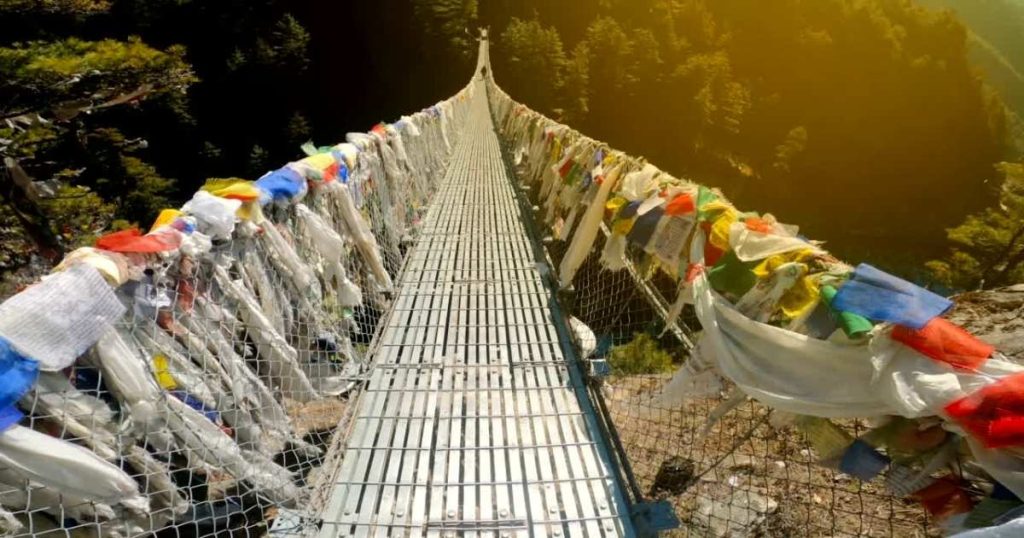
After breakfast, you’ll set off on one of the most rewarding days of the Everest Base Camp Trek. The trail follows the Dudh Koshi River through pine forests and traditional Sherpa villages, crossing several exciting suspension bridges decorated with colorful prayer flags.
You’ll pass through the villages of Benkar and Monjo before entering Sagarmatha National Park, a UNESCO World Heritage Site and the gateway to the Everest region. Here, your permits are checked before the trail continues to Jorsalle, the last settlement before the long climb to Namche Bazaar.
After lunch, you’ll cross the famous Hillary Suspension Bridge, one of the highest and most iconic bridges on the trek. From here, the trail begins a steady uphill climb through dense forests. Although this section is physically demanding, the effort is rewarded with your first distant view of Mount Everest on a clear day, along with glimpses of Lhotse and Nuptse.
The climb after the Hillary Suspension Bridge is the first section where most trekkers really feel the altitude.
The final climb brings you to Namche Bazaar, the vibrant commercial and cultural center of the Khumbu region. Surrounded by towering mountains, this lively Sherpa town is home to cozy teahouses, cafés, bakeries, trekking shops, and stunning viewpoints. You’ll spend the next two nights here, allowing your body to acclimatize before continuing to higher elevations.
Highlights
- Follow the scenic Dudh Koshi River through beautiful forests.
- Enter Sagarmatha National Park, a UNESCO World Heritage Site.
- Cross the famous Hillary Suspension Bridge.
- Enjoy your first glimpse of Mount Everest (weather permitting).
- Arrive at the bustling Sherpa town of Namche Bazaar.
- Prepare for tomorrow’s acclimatization day.
Day 4: Acclimatization Day in Namche Bazaar (3,440 m)
Route: Acclimatization hike to Everest View Hotel or Khumjung Village – Return to Namche Bazaar
Trekking Distance: Approximately 5–7 km (3–4 miles)
Walking Time: 3–4 hours
Highest Altitude: Everest View Hotel – 3,880 m (12,729 ft)
Meals: Breakfast, Lunch & Dinner
Accommodation: Teahouse in Namche Bazaar
Overview
Today is your first acclimatization day, an important part of the Everest Base Camp Trek. Instead of taking a full day off, you’ll follow the “climb high, sleep low” approach, giving your body time to adjust to the increasing altitude before heading higher.
The morning begins with a hike to the Everest View Hotel, one of the highest-altitude hotels in the world. As you climb above Namche Bazaar, the views gradually open up. On a clear day, Everest, Lhotse, Nuptse, Ama Dablam, and Thamserku remain in sight for much of the hike, making it one of the most rewarding acclimatization walks on the trek.
Many itineraries also include a visit to Khumjung, a traditional Sherpa village known for its monastery and the Hillary School, founded by Sir Edmund Hillary. It’s a great opportunity to learn more about Sherpa culture and see what everyday life is like in the Everest region.
After the hike, you’ll return to Namche Bazaar for lunch and have the rest of the afternoon to relax. Whether you choose to enjoy a coffee at a local café, browse the trekking shops, or simply rest at your teahouse, spending another night in Namche helps your body prepare for the higher elevations ahead.
Highlights
- Follow the “climb high, sleep low” acclimatization strategy.
- Hike to the Everest View Hotel for panoramic Himalayan views.
- See Everest, Lhotse, Nuptse, Ama Dablam, and Thamserku on a clear day.
- Visit the traditional Sherpa village of Khumjung (time permitting).
- Explore Namche Bazaar’s cafés, bakeries, and trekking shops.
- Spend a second night in Namche Bazaar before continuing to higher elevations.
Day 5: Trek from Namche Bazaar (3,440 m) to Deboche (3,820 m)
Route: Namche Bazaar – Kyangjuma – Phunki Tenga – Tengboche – Deboche
Trekking Distance: Approximately 11 km (6.8 miles)
Walking Time: 5–6 hours
Highest Altitude: Tengboche – 3,860 m (12,664 ft)
Overnight Altitude: Deboche – 3,820 m (12,533 ft)
Meals: Breakfast, Lunch & Dinner
Accommodation: Teahouse in Deboche
Overview
Today’s trek takes you along one of the most scenic sections of the Everest Base Camp Trail. Leaving Namche Bazaar, you’ll follow a gently undulating path with breathtaking views of Mount Everest, Lhotse, Nuptse, Ama Dablam, and Thamserku. With towering peaks visible for much of the journey, it’s easy to see why many trekkers consider this one of the most memorable days of the entire trek.
The trail gradually descends through pine and rhododendron forests to Phunki Tenga, a small riverside settlement where you’ll cross the Dudh Koshi River before beginning a steady uphill climb. Although the ascent is challenging, the incredible Himalayan backdrop makes every step worthwhile.
Upon reaching Tengboche, you’ll visit the famous Tengboche Monastery, the largest and most important Buddhist monastery in the Everest region. Surrounded by snow-capped peaks, it is a peaceful place to pause, explore, and, if timing allows, observe the monks during their afternoon prayer ceremony.
After visiting the monastery, it’s a short downhill walk through a tranquil forest to Deboche, a quieter village nestled among tall fir and rhododendron trees. Staying in Deboche offers a more peaceful atmosphere than Tengboche while positioning you perfectly for the next day’s trek to Dingboche.
Highlights
- Experience the peaceful atmosphere of Tengboche Monastery.
- Enjoy uninterrupted views of Everest, Lhotse, and the iconic Ama Dablam.
- Walk through fragrant pine and rhododendron forests.
- Unwind in the tranquil village of Deboche after a rewarding day’s trek.
Day 6: Trek from Deboche (3,820 m) to Dingboche (4,410 m)
Route: Deboche – Pangboche – Somare – Orsho – Dingboche
Trekking Distance: Approximately 11 km (6.8 miles)
Walking Time: 5–6 hours
Highest Altitude: Dingboche – 4,410 m (14,469 ft)
Meals: Breakfast, Lunch & Dinner
Accommodation: Teahouse in Dingboche
Overview
Leaving Deboche behind, the trail descends through a peaceful forest before crossing the Imja Khola on a suspension bridge. From here, you’ll make a gradual climb to Pangboche, one of the oldest Sherpa villages in the Khumbu region. As the trees begin to thin, Ama Dablam dominates the skyline, offering some of the most iconic mountain views on the Everest Base Camp Trek.
Beyond Pangboche, the landscape begins to change noticeably. Dense forests gradually disappear, giving way to open alpine meadows, rocky hillsides, and wide glacial valleys. As you gain altitude, you’ll also notice cooler temperatures and thinner air, making it important to maintain a slow, steady pace and stay well hydrated.
Passing through the small settlements of Somare and Orsho, you’ll continue along the Imja Valley with spectacular views of Ama Dablam, Lhotse, Island Peak, and the surrounding Himalayan giants. The trail is less steep than previous days but the higher altitude makes the walk more demanding.
By afternoon, you’ll arrive in Dingboche, a picturesque village surrounded by stone-walled fields built to protect crops from the strong mountain winds. Known as the “summer valley” of the Khumbu, Dingboche offers breathtaking scenery and serves as an important acclimatization stop before heading higher toward Lobuche and Everest Base Camp.
Highlights
- Walk through the historic Sherpa village of Pangboche.
- Enjoy close-up views of the magnificent Ama Dablam.
- Trek through the beautiful Imja Valley.
- Watch the landscape change from forests to alpine terrain.
- Admire views of Lhotse, Island Peak, and surrounding Himalayan peaks.
- Arrive at Dingboche, your second acclimatization stop before Everest Base Camp.
Day 7: Acclimatization Day in Dingboche (4,410 m)
Route: Acclimatization hike to Nangkartshang Peak – Return to Dingboche
Trekking Distance: Approximately 5–6 km (3–4 miles)
Walking Time: 3–5 hours
Highest Altitude: Nangkartshang Peak – approximately 5,080 m (16,667 ft)
Meals: Breakfast, Lunch & Dinner
Accommodation: Teahouse in Dingboche
Overview
Today is your second and final acclimatization day before heading above 4,500 meters. Although it’s called a rest day, you’ll spend a few hours hiking to a higher elevation to help your body adapt to the thinner air. Following the principle of “climb high, sleep low” is one of the most effective ways to reduce the risk of altitude sickness.
After breakfast, you’ll hike to the viewpoint on Nangkartshang Peak, located above Dingboche. The trail is steep in places, but you’ll be rewarded with some of the finest panoramic views of the trek. From the top, you can admire towering Himalayan peaks including Makalu, the world’s fifth-highest mountain, along with Lhotse, Ama Dablam, Island Peak, Cho Oyu (on clear days), and the vast Imja Valley below.
After spending time enjoying the scenery and taking photographs, you’ll descend back to Dingboche for lunch. The afternoon is yours to relax, rehydrate, explore the village, or simply soak in the peaceful mountain atmosphere before continuing toward Lobuche tomorrow.
This acclimatization day is an important part of the itinerary, helping prepare your body for the higher elevations of Gorak Shep, Everest Base Camp, and Kala Patthar over the next few days.
Highlights
- Complete your second acclimatization hike.
- Climb to the scenic viewpoint on Nangkartshang Peak.
- Enjoy panoramic views of Makalu, Lhotse, Ama Dablam, Island Peak, and the Imja Valley.
- Give your body time to adapt before trekking to higher elevations.
- Relax and recharge in the peaceful village of Dingboche.
Day 8: Trek from Dingboche (4,410 m) to Lobuche (4,940 m)
Route: Dingboche – Dughla (Thukla) – Thukla Pass – Lobuche
Trekking Distance: Approximately 8 km (5 miles)
Walking Time: 5–6 hours
Highest Altitude: Lobuche – 4,940 m (16,207 ft)
Meals: Breakfast, Lunch & Dinner
Accommodation: Teahouse in Lobuche
Overview
Today, you’ll leave Dingboche behind and continue toward the small mountain settlement of Lobuche. The trail gradually climbs through open alpine terrain, with fewer trees and more rocky landscapes as you gain altitude. Along the way, you’ll enjoy beautiful views of Taboche, Cholatse, and the surrounding Himalayan peaks. The air feels noticeably thinner here, so it’s important to walk at a comfortable pace and stay well hydrated.
After a steady walk, you’ll reach the small settlement of Dughla (Thukla), a popular lunch stop before the day’s main ascent. From here, the trail climbs steeply to Thukla Pass, where you’ll find a collection of memorials dedicated to climbers and Sherpas who lost their lives on Mount Everest. This quiet and emotional place offers a moment to reflect on the history and challenges of climbing the world’s highest mountain.
The memorials at Thukla Pass are a quiet reminder of how demanding these mountains can be.
Beyond the pass, the trail follows the edge of the Khumbu Glacier, with rocky moraines and glacial landscapes replacing the greenery of the lower valleys. The air is noticeably thinner at this altitude, so maintaining a slow and steady pace is essential.
By late afternoon, you’ll arrive at the small settlement of Lobuche, surrounded by towering Himalayan peaks. After checking into your teahouse, you can relax, enjoy a warm meal, and prepare for tomorrow’s unforgettable journey to Everest Base Camp.
Highlights
- Trek through the rugged alpine landscapes of the upper Khumbu.
- Enjoy spectacular views of Taboche, Cholatse, and surrounding peaks.
- Visit the moving Everest Memorials at Thukla Pass.
- Walk beside the impressive Khumbu Glacier.
- Arrive at Lobuche, the final overnight stop before Gorak Shep and Everest Base Camp.
Day 9: Trek from Lobuche (4,940 m) to Everest Base Camp (5,364 m) & Return to Gorak Shep (5,164 m)
Route: Lobuche – Gorak Shep – Everest Base Camp – Gorak Shep
Trekking Distance: Approximately 15 km (9.3 miles)
Walking Time: 7–8 hours
Highest Altitude: Everest Base Camp – 5,364 m (17,598 ft)
Meals: Breakfast, Lunch & Dinner
Accommodation: Teahouse in Gorak Shep
Overview
Today is the day you’ve been working toward since the start of the trek. After an early breakfast in Lobuche, you’ll follow the rocky trail to Gorak Shep, the last permanent settlement on the Everest Base Camp route. After checking into your teahouse and leaving your main bag behind, you’ll continue towards the legendary Everest Base Camp.
The trail winds alongside the Khumbu Glacier, crossing rocky moraines and uneven terrain with spectacular views of the surrounding Himalayan peaks. Although the distance isn’t long, the high altitude makes every step more challenging, so it’s important to walk slowly and conserve your energy.
Reaching Everest Base Camp (5,364 m) is an unforgettable moment. Standing at the foot of the world’s highest mountain, surrounded by the Khumbu Icefall and towering peaks, is a dream come true for trekkers from around the world. During the spring climbing season, you’ll also see colorful expedition tents spread across the glacier as climbers prepare for their summit attempts.
After celebrating your achievement and taking plenty of photos, you’ll retrace your steps to Gorak Shep for the night. Tomorrow morning brings one final challenge. a sunrise hike to Kala Patthar, the best viewpoint for panoramic views of Mount Everest.
Highlights
- Reach the legendary Everest Base Camp (5,364 m).
- Trek alongside the spectacular Khumbu Glacier.
- Stand beneath the iconic Khumbu Icefall.
- See Everest expedition camps during the spring climbing season.
- Celebrate one of the world’s greatest trekking achievements.
- Overnight at Gorak Shep, the highest overnight stop of the trek.
Day 10: Hike to Kala Patthar (5,545 m) & Trek to Pheriche (4,240 m)
Route: Gorak Shep – Kala Patthar – Gorak Shep – Lobuche – Thukla – Pheriche
Trekking Distance: Approximately 13–14 km (8–9 miles)
Walking Time: 7–8 hours
Highest Altitude: Kala Patthar – 5,545 m (18,192 ft)
Meals: Breakfast, Lunch & Dinner
Accommodation: Teahouse in Pheriche
Overview
You’ll start the day before sunrise with a hike to Kala Patthar, the highest point of the Everest Base Camp Trek. The early morning air is cold, but watching the first rays of sunlight illuminate Mount Everest makes the climb unforgettable. Although the ascent is relatively short, the steep trail and thin air make it more demanding than the distance suggests. From the summit, you’ll enjoy breathtaking panoramic views of Everest, Lhotse, Nuptse, Pumori, and the surrounding Himalayan peaks before beginning your descent.
As the first rays of sunlight illuminate the Himalayan peaks, you’ll witness breathtaking views of Everest, Nuptse, Lhotse, Pumori, and the vast Khumbu Glacier below. Since Everest Base Camp itself doesn’t offer a full view of the summit, Kala Patthar is considered the ultimate viewpoint and one of the highlights of the trek.
After spending time at the summit capturing photos and soaking in the unforgettable scenery, you’ll descend to Gorak Shep for breakfast before beginning the long descent. Retracing your steps through Lobuche and past the Everest Memorials at Thukla Pass, you’ll gradually lose altitude, making the walk noticeably more comfortable as the air becomes richer in oxygen.
By late afternoon, you’ll arrive in the peaceful village of Pheriche, where you’ll enjoy a well-earned rest after one of the most rewarding days of the expedition. With the highest points of the trek now behind you, the return journey continues with easier downhill hiking over the coming days.
Highlights
- Early morning hike to Kala Patthar (5,545 m).
- Watch a breathtaking Himalayan sunrise over Mount Everest.
- Enjoy panoramic views of Everest, Lhotse, Nuptse, Pumori, and the Khumbu Glacier.
- Descend from the highest point of the trek to lower altitude.
- Overnight in the quiet mountain village of Pheriche.
Day 11: Trek from Pheriche (4,240 m) to Namche Bazaar (3,440 m)
Route: Pheriche – Pangboche – Deboche – Tengboche – Phunki Tenga – Namche Bazaar
Trekking Distance: Approximately 19–20 km (12–12.5 miles)
Walking Time: 6–7 hours
Highest Altitude: Tengboche – 3,860 m (12,664 ft)
Meals: Breakfast, Lunch & Dinner
Accommodation: Teahouse in Namche Bazaar
Overview
With the highest part of the trek behind you, today’s journey is mostly downhill as you make your way back to Namche Bazaar. The increase in oxygen and lower altitude makes the walk much more comfortable, allowing you to fully appreciate the scenery that may have gone unnoticed on the ascent.
The trail leads through the villages of Pangboche, Deboche, and Tengboche, where you can enjoy another visit to the famous Tengboche Monastery if time permits. Surrounded by towering peaks and peaceful forests, this section of the trail is one of the most beautiful in the Everest region.
After descending to Phunki Tenga, you’ll cross the Dudh Koshi River before tackling the final uphill climb back to Namche Bazaar. Although this last ascent requires some effort, reaching Namche feels like returning to familiar surroundings after several days at high altitude.
Back in Namche Bazaar, you can celebrate your successful journey to Everest Base Camp with a hot shower, a freshly brewed coffee, or a visit to one of the town’s bakeries and cafés. It’s the perfect place to relax, reflect on your achievement, and enjoy a comfortable night’s rest before the final trek back to Lukla.
Highlights
- Descend through the scenic villages of Pangboche, Deboche, and Tengboche.
- Pass through beautiful pine and rhododendron forests.
- Enjoy another opportunity to visit Tengboche Monastery.
- Cross the Dudh Koshi River before the final climb to Namche.
- Relax in the lively Sherpa town of Namche Bazaar after reaching lower altitude.
Day 12: Trek from Namche Bazaar (3,440 m) to Lukla (2,860 m)
Route: Namche Bazaar – Monjo – Phakding – Lukla
Trekking Distance: Approximately 18 km (11.2 miles)
Walking Time: 6–7 hours
Highest Altitude: Namche Bazaar – 3,440 m (11,286 ft)
Meals: Breakfast, Lunch & Dinner
Accommodation: Teahouse in Lukla
Overview
Today marks the final day of trekking on the Everest Base Camp Trail. After breakfast, you’ll leave Namche Bazaar and descend through pine forests, crossing several suspension bridges over the Dudh Koshi River as you retrace your steps toward Lukla.
The trail passes through Monjo, where you’ll exit Sagarmatha National Park, before continuing through familiar Sherpa villages, prayer wheels, mani walls, and riverside paths to Phakding. After a lunch break, the final section follows the Dudh Koshi Valley before a gradual uphill climb leads you back to Lukla.
Arriving in Lukla is a moment of celebration. You’ve successfully completed one of the world’s most iconic trekking adventures, covering roughly 130 kilometers through the breathtaking Khumbu region. Many trekkers spend the evening sharing stories and celebrating with their guides and porters, whose support and local knowledge have been an essential part of the journey.
Enjoy your final night in the mountains before tomorrow’s scenic flight back to Kathmandu.
Highlights
- Complete the final day of trekking in the Everest region.
- Descend through beautiful forests and traditional Sherpa villages.
- Cross several iconic suspension bridges over the Dudh Koshi River.
- Exit Sagarmatha National Park at Monjo.
- Celebrate the successful completion of your Everest Base Camp Trek in Lukla.
- Spend your last night in the Himalayas before returning to Kathmandu.
Day 13: Fly from Lukla to Kathmandu
Route: Lukla – Kathmandu (or Ramechhap during peak trekking seasons, followed by a drive to Kathmandu)
Flight Time: 30–35 minutes (to Kathmandu) or 15–20 minutes (to Ramechhap)
Drive Time (if via Ramechhap): Approximately 4–5 hours
Highest Altitude: Lukla – 2,860 m (9,383 ft)
Meals: Breakfast
Accommodation: Hotel in Kathmandu
Overview
After an early breakfast, you’ll head to Tenzing-Hillary Airport for your scenic flight back from Lukla. Weather in the Everest region can be unpredictable, so flight schedules are always subject to weather conditions. On a clear day, the short flight offers one last opportunity to enjoy spectacular aerial views of the Himalayan peaks before returning to the bustling city of Kathmandu.
During the busy spring and autumn trekking seasons, flights often operate between Lukla and Ramechhap instead of Kathmandu due to air traffic congestion. If your flight lands in Ramechhap, you’ll continue with a comfortable drive back to Kathmandu.
Once you arrive in Kathmandu, you’ll be transferred to your hotel, where you can enjoy a hot shower, relax after your mountain adventure, or explore the city’s lively streets. Many trekkers spend the afternoon shopping for souvenirs, visiting local cafés, or simply reflecting on the incredible journey to Everest Base Camp.
In the evening, you may choose to celebrate your achievement with a traditional Nepali dinner or enjoy a farewell meal with your trekking team, marking the successful completion of an unforgettable Himalayan adventure.
Highlights
- Enjoy a scenic mountain flight from Lukla.
- Take in your final aerial views of the Himalayas.
- Transfer to your hotel in Kathmandu.
- Spend your free time shopping, sightseeing, or relaxing.
- Celebrate the successful completion of your Everest Base Camp Trek.
Day 14: Final Departure
Route: Hotel – Tribhuvan International Airport
Driving Time: Approximately 20–30 minutes (depending on traffic)
Meals: Breakfast (if included at your hotel)
Accommodation: Not Included
Overview
Your 14-day Everest Base Camp Trek comes to an end today. Depending on your flight schedule, you can enjoy a leisurely breakfast at your hotel before transferring to Tribhuvan International Airport for your onward journey.
As you leave Nepal, you’ll take home far more than photographs. From the thrilling flight to Lukla and the warm hospitality of the Sherpa people to standing at Everest Base Camp and watching the sunrise from Kala Patthar, you’ve experienced one of the world’s most iconic trekking adventures.
If you have extra time in Nepal, consider extending your stay to explore Kathmandu’s UNESCO World Heritage Sites, visit Pokhara, enjoy a jungle safari in Chitwan National Park, or join another trekking or cultural tour.
We hope the memories, friendships, and breathtaking Himalayan landscapes stay with you long after your journey ends, and we look forward to welcoming you back to Nepal for your next adventure.
Highlights
- Enjoy breakfast at your hotel before departure.
- Private transfer to Tribhuvan International Airport.
- Depart Nepal with unforgettable memories of the Everest region.
- Option to extend your stay with additional tours or trekking adventures.
- End of your Everest Base Camp Trek.
Is This the Right Everest Base Camp Itinerary for You?
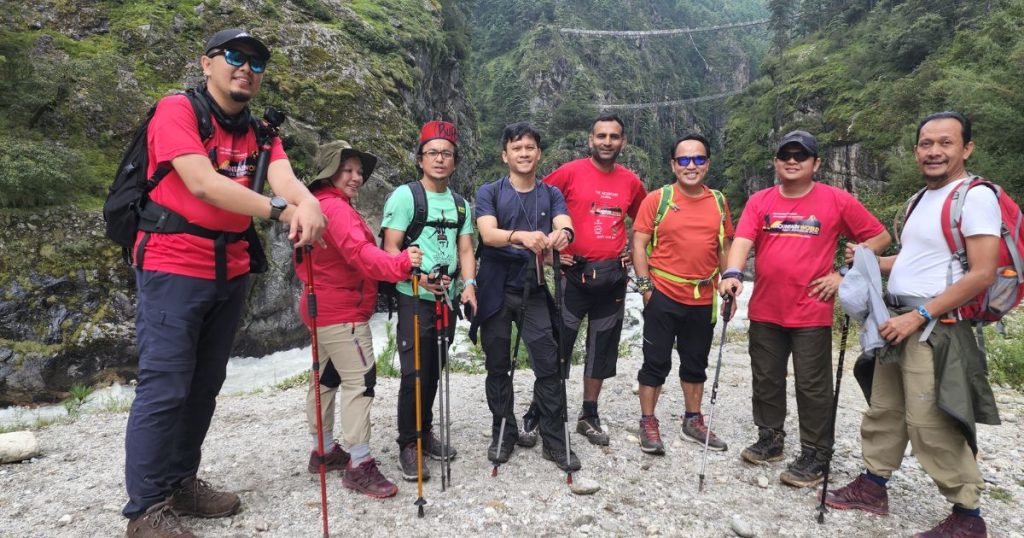
This 14-day itinerary is one of the most popular choices for the Everest Base Camp Trek. With two built-in acclimatization days and a comfortable trekking pace, it’s ideal for both first-time trekkers and experienced hikers.
That said, no single itinerary is right for everyone. Some trekkers prefer a shorter schedule, while others want extra time to explore the Khumbu region or extend their adventure to Gokyo Lakes or the Everest Three Passes.
The itinerary on this page is fully customizable. Whether you’d like to add extra acclimatization days, arrange a helicopter return, extend your trek, or shorten the itinerary to fit your schedule, we can tailor the trip to suit your fitness level, travel plans, and interests.
Have a different itinerary in mind? Contact us, and our local trekking experts will help you create an Everest Base Camp adventure that’s personalized just for you.
Extend Your Everest Base Camp Trek with the Gokyo Lakes Trek
If you have extra time and want to experience even more of the Everest region, consider extending your Everest Base Camp Trek with the spectacular Gokyo Lakes Trek. This extension takes you away from the busy Everest Base Camp trail and into the peaceful Gokyo Valley, home to a series of beautiful turquoise glacial lakes surrounded by some of the highest mountains in the world.
Planning this route? Explore our Everest Base Camp with Gokyo Lakes Trek package for a detailed itinerary, pricing, trip inclusions, difficulty, and everything you need to know before your adventure.
Instead of returning directly from Gorak Shep, the route crosses the challenging Cho La Pass (5,420 m) before descending into the Gokyo Valley. Along the way, you’ll cross glaciers, walk quieter trails, and experience a different side of the Everest region that many trekkers consider even more scenic than the classic route.
One of the biggest highlights is climbing Gokyo Ri (5,357 m). From the summit, you’ll enjoy sweeping views of Mount Everest, Lhotse, Makalu, Cho Oyu, the turquoise Gokyo Lakes, and the vast Ngozumpa Glacier, the longest glacier in Nepal. Many trekkers rank this viewpoint among the very best in the Himalayas.
Want to see the trail before you go? Watch our Everest Base Camp & Gokyo Lakes Trek video guide for highlights of the route, Cho La Pass, Gokyo Ri, and practical trekking tips.
Adding the Gokyo Lakes Trek typically extends your adventure by 3 to 5 days, depending on your itinerary and acclimatization schedule. While crossing Cho La Pass makes the trek more demanding, it also rewards you with quieter trails, greater landscape variety, and one of the most complete trekking experiences in the Everest region.
Why Choose the Gokyo Extension?
- Visit the beautiful turquoise Gokyo Lakes.
- Cross the challenging Cho La Pass (5,420 m).
- Hike to Gokyo Ri for one of the best viewpoints in the Everest region.
- Experience quieter trails away from the main Everest Base Camp route.
- See Everest, Lhotse, Makalu, Cho Oyu, and the Ngozumpa Glacier from a single viewpoint.
- Extend your trek by 3–5 days for an even more rewarding Himalayan adventure.
Frequently Asked Questions About the Everest Base Camp Trek Itinerary
1. How many days does the Everest Base Camp Trek take?
Most Everest Base Camp treks take 12 to 16 days, depending on the itinerary. Our standard itinerary is 14 days, including arrival and departure from Kathmandu, with two acclimatization days to help reduce the risk of altitude sickness.
2. What is the best itinerary for the Everest Base Camp Trek?
A 14-day itinerary is considered the best option for most trekkers because it includes proper acclimatization in Namche Bazaar and Dingboche while allowing enough time to safely reach Everest Base Camp and Kala Patthar.
3. Why are acclimatization days included in the itinerary?
Acclimatization days help your body adjust to higher elevations, reducing the risk of altitude sickness. Most itineraries include rest days in Namche Bazaar and Dingboche following the “climb high, sleep low” principle.
4. How many hours do you walk each day?
Daily walking time typically ranges from 3 to 8 hours, depending on the day’s destination, trail conditions, and altitude.
5. How far do you trek each day?
Most days involve trekking 8 to 20 kilometers (5–12 miles). The longest day is usually the return trek from Pheriche to Namche Bazaar.
6. What is the highest point of the trek?
The highest point is Kala Patthar (5,545 m / 18,192 ft), which offers the best panoramic views of Mount Everest.
7. What is the altitude of Everest Base Camp?
Everest Base Camp is located at 5,364 meters (17,598 feet) above sea level.
8. Why do trekkers hike to Kala Patthar?
Kala Patthar provides the best close-up views of Mount Everest. Since Everest is partially hidden from Base Camp itself, most trekkers consider Kala Patthar the highlight of the journey.
9. Where do you stay during the trek?
Trekkers stay in traditional Himalayan teahouses offering comfortable rooms, hot meals, and basic facilities throughout the route.
10. Are meals included during the trek?
Most guided Everest Base Camp packages include breakfast, lunch, and dinner during the trek, while meals in Kathmandu may vary depending on the package.
11. Is the Everest Base Camp Trek difficult?
The trek is considered moderate to challenging due to its high altitude, long walking days, and continuous elevation gain. No technical climbing experience is required.
12. Can beginners complete the Everest Base Camp Trek?
Yes. Beginners with good physical fitness, proper preparation, and enough time for acclimatization can successfully complete the trek.
13. Which day is the hardest?
Most trekkers find Day 9 (Everest Base Camp) and Day 10 (Kala Patthar) the most challenging because of the high altitude and longer walking hours.
14. What happens if the Lukla flight is delayed?
Flight delays are common due to mountain weather. It’s recommended to keep one or two extra days in your travel schedule to accommodate possible delays.
15. When is the best time to trek to Everest Base Camp?
The best seasons are spring (March to May) and autumn (September to November) when the weather is generally stable and mountain views are at their best.
16. Can the itinerary be shortened?
Yes. Some operators offer 12-day itineraries by reducing time in Kathmandu or using helicopter returns, but these itineraries allow less flexibility for acclimatization.
17. Can I extend the Everest Base Camp Trek?
Yes. Popular extensions include the Gokyo Lakes Trek, Cho La Pass, Three Passes Trek, or a helicopter return to Kathmandu.
18. Do I need a guide for the Everest Base Camp Trek?
Yes. Under current Nepal regulations, international trekkers are generally required to trek with a licensed guide in the Everest region.
19. How much altitude do you gain each day?
Most trekking days involve an elevation gain of 300 to 800 meters, with acclimatization days helping your body adjust before climbing higher.
20. Is there internet and electricity during the trek?
Yes. Most teahouses provide Wi-Fi and charging facilities for an additional fee, although both services become more expensive at higher elevations.
21. Can I shower during the Everest Base Camp Trek?
Yes. Hot showers are available in many teahouses for an additional charge. Availability may be limited at higher altitudes.
22. What permits are required for the Everest Base Camp Trek?
You’ll need the Sagarmatha National Park Entry Permit and the Khumbu Pasang Lhamu Rural Municipality Permit.
23. How much should I budget for personal expenses?
Most trekkers carry USD 200–300 in cash for drinks, snacks, Wi-Fi, charging, hot showers, tips, and other personal expenses.
24. What should I pack for the Everest Base Camp Trek?
Essential items include layered clothing, waterproof gear, quality hiking boots, trekking poles, a warm sleeping bag, sunglasses, sunscreen, gloves, and a personal first-aid kit.
25. Is travel insurance necessary?
Yes. Comprehensive travel insurance covering high-altitude trekking (up to at least 6,000 meters) and emergency helicopter evacuation is strongly recommended.