-
Car/Flight
-
1-16
-
5,535m
-
Kathmandu
-
Kathmandu
-
Spring & Autumn
-
Trekking
-
English
-
Breakfast/Lunch/Dinner
-
National Park & Municipality Permit
-
Stamina & Endurance Required
-
Hard
Everest Three High Pass Trek: Complete Guide for 2026
The Everest Three High Pass Trek is one of the most challenging trekking adventures in Nepal’s Everest region. It is designed for trekkers who want to go beyond the classic Everest Base Camp route and experience the full Himalayan circuit, including remote valleys, glaciers, high passes, and iconic viewpoints.
This trek is also widely known as the Everest Three Passes Trek, as it crosses three major high-altitude mountain passes above 5,000 meters:
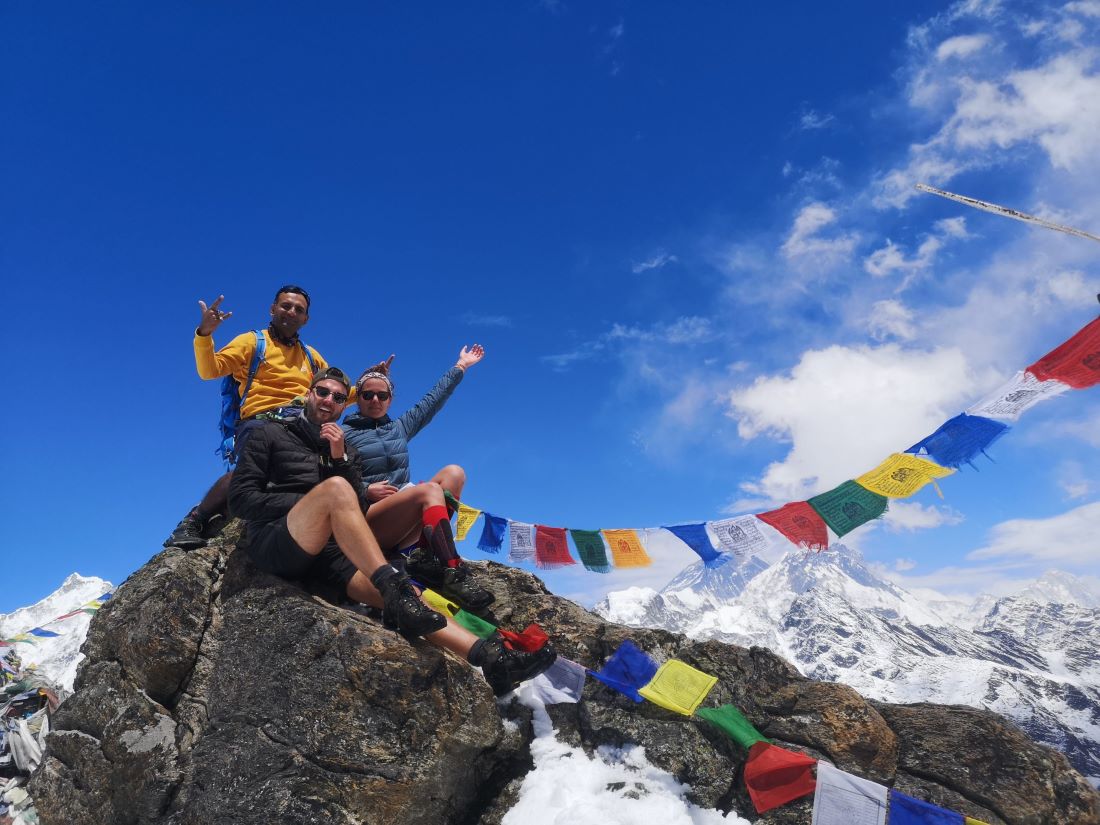
- Kongma La Pass (5,535m)
- Cho La Pass (5,420m)
- Renjo La Pass (5,360m)
These passes connect the major valleys of the Everest region, making the Everest Three High Pass Trek one of Nepal’s most thrilling Himalayan circuit adventures. Along the journey, trekkers also explore some of the most famous destinations in Nepal, including:
- Everest Base Camp (5,364m)
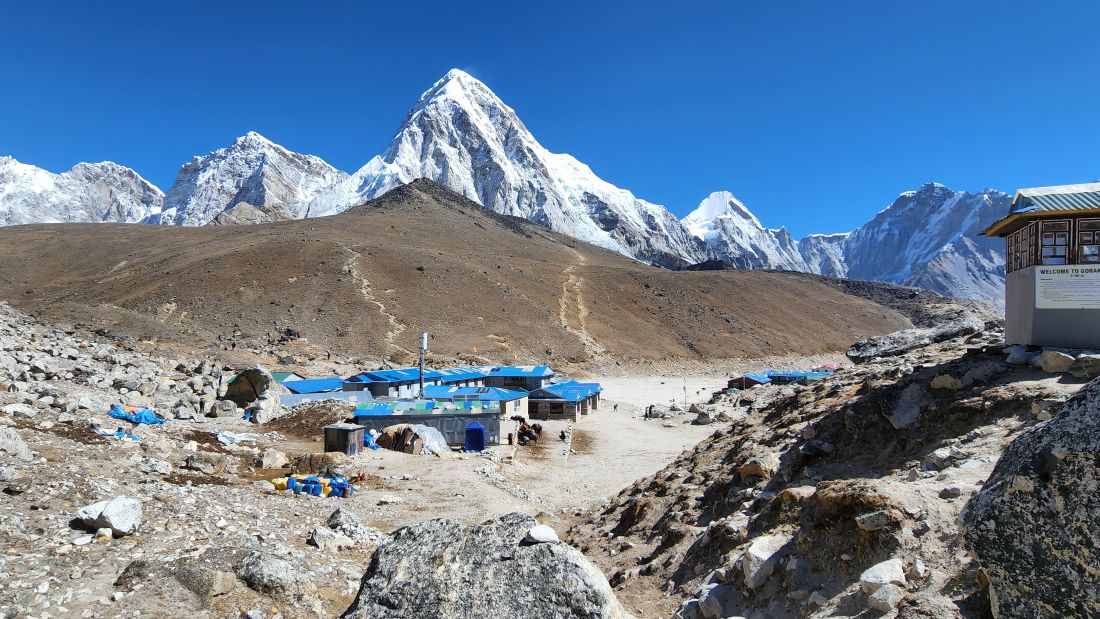
- Kala Patthar viewpoint (5,545m)
- Gokyo Lakes
- Namche Bazaar
- Tengboche Monastery
- Traditional Sherpa villages
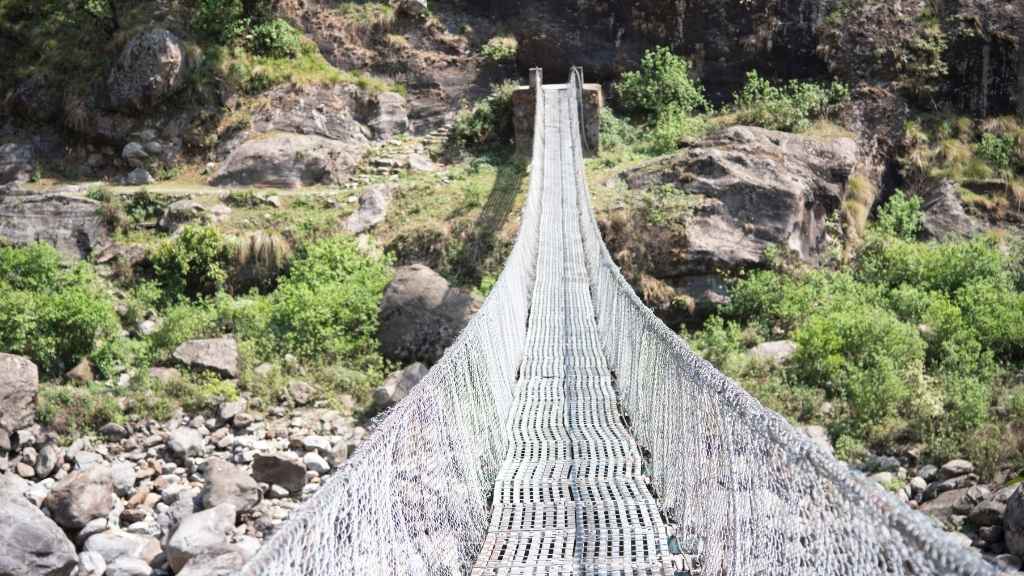
- Glaciers, suspension bridges, and alpine valleys
The trek begins with a scenic mountain flight from Kathmandu to Lukla, one of the world’s most famous airports. From Lukla, the trail gradually ascends through forests, rivers, and Sherpa settlements before reaching high-altitude terrain.
This route is considered one of the best trekking experiences in Nepal because it combines:
- Everest Base Camp expedition
- Three high Himalayan passes
- Gokyo Lakes valley
- Iconic sunrise from Kala Patthar
- Deep Sherpa cultural experience
- Close-up views of Mount Everest and surrounding giants
Combining Everest Base Camp, Gokyo Lakes, Sherpa culture, and three high mountain passes, the Everest Three High Pass Trek is widely regarded as one of the ultimate trekking experiences in Nepal.
Everest Three High Pass Trek – Best Time (Complete 2026 Guide)
The best time for the Everest Three High Pass Trek in Nepal is spring (March–May) and autumn (September–November). These seasons offer better weather, clear views, and safe conditions for crossing high passes above 5,000m. Autumn is the most recommended season due to crystal-clear skies and dry trails.
This trek, also known as the Everest Three Passes Trek, is one of the most challenging and complete trekking circuits in the Everest (Khumbu) region. Weather plays a crucial role because trekkers must cross high mountain passes such as Kongma La (5,535m), Cho La (5,420m), and Renjo La (5,360m), where conditions can change quickly.
Spring Season (March to May)
Spring (March to May) is one of the most popular seasons for the Everest Three High Pass Trek, ideal for trekkers who want clear weather, scenic beauty, and reliable trail conditions.
During spring, the weather is generally stable with clear skies and moderate temperatures, making trekking comfortable at both lower and higher elevations. The trails are also enriched with blooming rhododendron forests, adding colour and beauty to the journey.
Autumn Season (September to November)
October and November are especially recommended for the Everest Three High Pass Trek due to perfect visibility and crystal-clear weather conditions. Autumn is widely considered the best overall season for the Everest Three High Pass Trek
Autumn season offers the most reliable trekking conditions in Nepal with crystal-clear skies, dry trails, and the highest mountain visibility of the year. Weather remains stable, making it the safest time to cross high passes above 5,000 meters.
Winter Season (December to February)
Winter trekking on the Everest Three High Pass Trek is possible but highly challenging. And it is recommended only for those with strong high-altitude trekking experience.
Temperatures drop significantly below freezing, especially at higher elevations. Heavy snowfall often blocks high passes such as Cho La and Kongma La, making parts of the route difficult or inaccessible.
Monsoon Season (June to August)
The monsoon season is the least recommended time for the Everest Three High Pass Trek in Nepal. ideal generally avoided unless you are an experienced trekker seeking solitude.
Heavy rainfall in lower regions makes trails slippery and increases the risk of landslides. Flight delays to Lukla are also common due to poor visibility. While higher regions like Gokyo may be less affected, overall trekking conditions remain unpredictable.
Best Overall Time for the Everest Three High Pass Trek
- Best seasons: Spring (Mar–May) & Autumn (Sep–Nov)
- Best months: April & October
- Worst season: Monsoon (Jun–Aug)
- Most challenging: Winter (Dec–Feb)
- Main challenge: High-altitude passes above 5,000m
- Key requirement: Perfect weather for safe pass crossings
- Trek type: High-altitude circuit trek in Everest region
Everest Three High Pass Trek Weather by Season (2026 Guide)
| Season | Temperature | Visibility | Trail Condition | Difficulty | Recommendation |
| Spring (Mar–May) | Moderate / Cold at altitude | Very Good | Stable & Dry | Moderate | ⭐⭐⭐⭐ Highly Recommended |
| Autumn (Sep–Nov) | Mild days / Cold nights | Excellent | Very Stable | Easy-Moderate | ⭐⭐⭐⭐⭐ Best Season |
| Winter (Dec–Feb) | Very Cold | Good but snowy | Snow-covered / Risky | Difficult – hard | Experienced only⭐⭐ |
| Monsoon (Jun–Aug) | Warm & Wet | Poor | Slippery / Unsafe | Very Difficult | Not Recommended ⭐ |
Food and Accommodation During the Everest Three High Pass Trek
Food and accommodation on the Everest Three High Pass Trek are simple, comfortable, and designed to meet the needs of trekkers in the region. Throughout the trek, you will stay in traditional tea houses run by local Sherpa families and enjoy freshly prepared meals such as Dal Bhat, noodles, soups, pasta, and Tibetan bread.
While facilities become more basic at higher elevations, most trekking villages provide clean rooms, warm meals, electricity, and limited Wi-Fi access. Although accommodation standards and food choices become more limited as altitude increases, all major villages along the route offer the essential services needed for a safe and comfortable trekking.
Accommodation on the Everest Three High Pass Trek
Accommodation during the Everest Three High Pass Trek is provided in local tea houses (mountain lodges) located throughout the Everest region. These lodges offer a unique opportunity to experience authentic Himalayan hospitality while trekking through some of Nepal’s most spectacular landscapes.
You will stay in tea houses in villages, most rooms are twin-sharing with two single beds, mattresses, pillows, and warm blankets. Its generally basic but clean, comfortable, and welcoming.
What Are Tea Houses Like in the Everest Region?
Its family-run mountain lodges that provide accommodation, meals, and a place to relax after a long day of trekking. They are an important part of trekking culture in Nepal and allow visitors to experience local Sherpa hospitality.
Facilities commonly available in tea houses include:
- Twin-sharing rooms
- Shared bathrooms
- Dining halls with heating stoves
- Charging facilities (additional fee may apply)
- Hot showers (available in many villages for an extra cost)
- Wi-Fi access in larger settlements
As you gain altitude, facilities become more basic due to the challenges of transporting supplies into remote mountain areas. Villages near Cho La Pass, Kongma La Pass, and other high-altitude areas typically offer fewer services than lower villages such as Namche Bazaar.
Food on the Everest Three High Pass Trek
Food in the Everest region is simple, nutritious, and prepared fresh each day. Local lodge owner serves a variety of Nepali, Sherpa, Tibetan, and international dishes to help trekkers maintain energy throughout the journey.
Popular Local Foods:
- Dal Bhat (rice, lentil soup, vegetables)
- Sherpa stew
- Tibetan bread
- Noodle soup
- Momos (Nepali dumplings)
- Tsampa porridge
Common International Foods
- Pasta
- Fried rice
- Pancakes
- Pizza (available in some villages)
- Eggs (fried, boiled, or omelet)
- Potatoes and vegetables
- Bread with jam or honey
Menus are surprisingly varied in lower villages, although choices become more limited at higher elevations.
Drinks Available Along the Route
Trekkers can find a wide range of hot and cold drinks throughout the Everest region, including:
- Milk tea
- Black tea
- Ginger tea
- Lemon tea
- Coffee
- Hot chocolate
- Hot lemon
- Soft drinks
- Bottled water
- Soups
At higher altitudes, warm drinks are highly recommended to help maintain body temperature and hydration.
Food and Water Safety Tips
Maintaining proper nutrition and hydration is essential when trekking above 5,000 meters.
To stay healthy during the Everest Three High Pass Trek:
- Eat freshly cooked meals whenever possible
- Avoid raw vegetables and salads at higher elevations
- Drink at least 3–4 litres of water daily
- Use water purification tablets or filtered water
- Carry electrolyte supplements or rehydration salts
- Choose energy-rich foods to support long trekking days
Proper hydration can also help reduce the risk of altitude-related problems.
How Food and Facilities Change with Altitude
As altitude increases, transporting food, fuel, and supplies becomes more difficult. Most goods are carried by porters, yaks, or helicopters, which increases costs in higher villages.
Because of this food prices gradually increase with altitude (A meal that costs NPR 500-700 in Lukla may cost NPR 1,000-1,500 or more in higher villages due to transportation costs.)
- Menu options become more limited
- Fresh ingredients are less readily available
- Charging devices and hot showers become more expensive
For example:
- Lukla and Namche Bazaar: Wide variety of food choices and modern facilities
- Dingboche and Lobuche: Moderate food selection and more basic services
- Gokyo and Thagnak: Simpler menus and limited facilities
These changes are a normal part of trekking in remote Himalayan regions.
Why Dal Bhat Is the Best Trekking Meal
Dal Bhat is the most popular meal among trekkers and guides in Nepal. It consists of rice, lentil soup, vegetables, and sometimes curry, providing a balanced combination of carbohydrates, protein, and nutrients.
Benefits of Dal Bhat include:
- High energy for long trekking days
- Easy digestion at altitude
- Nutritious and filling
- Often served with unlimited refills
Many trekking guides in Nepal jokingly say:
“Dal Bhat Power, 24 Hour.”
For many trekkers, Dal Bhat becomes the go-to meal throughout the Everest Three High Pass Trek because it provides reliable energy and excellent value.
Everest Three High Pass Trek Cost for 2026
The average cost of the Everest Three High Pass Trek in Nepal ranges from USD 1,500 to USD 3,500 per person, depending on itinerary, group size, guide and porter services, accommodation standards, and whether domestic flights are included.
At Mountain World Treks, we offer a complete Everest Three High Pass Trek package starting from USD 1,599 per person, which includes permits, accommodation, meals during the trek, guide and porter service, and Lukla flight with airport transfers for a safe and hassle-free experience.
How Much Does the Everest Three High Pass Trek Cost?
The cost of the Everest Three High Pass Trek varies based on the level of service, trek duration, and trekking style. Since this trek combines Everest Base Camp, Gokyo Lakes, and three high mountain passes above 5,000 meters, it is generally more expensive than standard trekking routes in Nepal.
Typical Price Range for 2026
| Trek Type | Estimated Cost (USD) |
| Budget Trek | $1,500–$2,000 |
| Standard Package | $2,000–$2,800 |
| Premium Package | $2,800–$3,500+ |
Most trekkers choose a standard package that balances comfort, safety, and value.
What Affects the Cost of the Everest Three High Pass Trek?
Several factors influence the total cost:
- Trek duration (18–21 days)
- Domestic flights to and from Lukla
- Guide and porter services
- Group size
- Accommodation standards
- Meals during the trek
- Trekking season
- Travel insurance
- Personal expenses
The longer the trek and the higher the level of service, the higher the overall cost.
What’s Usually Included in the Trek Cost?
Most Everest Three High Pass Trek packages include:
- Airport transfers in Kathmandu
- Kathmandu hotel accommodation
- Kathmandu-Lukla-Kathmandu flights
- Sagarmatha National Park Permit
- Khumbu Pasang Lhamu Rural Municipality Permit
- Experienced trekking guide
- Porter service
- Tea house accommodation during the trek
- Meals during the trek
- First aid kit and safety support
Always check the detailed inclusions before booking.
Extra Costs to Budget For
Even with a package trek, you should budget additional money for personal expenses.
Common extra costs include:
- Hot showers: $3–$8
- Charging devices: $2–$5 per charge
- Wi-Fi access: $5–$10
- Bottled drinks and snacks
- Laundry services
- Travel insurance
- Tips for guides and porters
Most trekkers spend an additional $200–$500 during the trek depending on personal spending habits.
Is the Everest Three High Pass Trek Worth the Cost?
Yes, the Everest Three High Pass Trek is absolutely worth the cost for trekkers looking for a complete Himalayan adventure in Nepal.
Unlike standard Everest Base Camp treks, this journey combines Everest Base Camp, Kala Patthar, Gokyo Lakes, and three high mountain passes above 5,000 meters, Kongma La, Cho La, and Renjo La, into a single circuit trek.
It offers a unique mix of high-altitude adventure, remote Himalayan landscapes, and authentic Sherpa culture, making it one of the most rewarding and best-value trekking experiences in Nepal.
Because of its length, altitude, and variety of terrain, many trekkers consider it a once-in-a-lifetime Himalayan experience rather than just a trek.
Packing List for Everest Three High Pass Trek
Packing correctly for the Everest Three High Pass Trek is essential, as this is a high-altitude trek above 5,000 meters where weather conditions can be cold, windy, and unpredictable. A well-planned packing list ensures safety, comfort, and better performance throughout the journey.
Essential Trekking Gear
- Trekking backpack (30–40L for daily use)
- Duffel bag (carried by porter)
- Sleeping bag (-15°C to -20°C rating)
- Trekking poles (very useful for high passes)
- Headlamp with extra batteries
- Water bottles or hydration bladder
- UV-protection sunglasses
Clothing for Everest Three High Pass Trek (Layer System)
Layering is important because temperatures change quickly with altitude.
Base Layer (Inner Wear)
- Thermal tops and bottoms
- Moisture-wicking t-shirts
Mid Layer (Warm Layer)
- Fleece jacket
- Light down jacket
Outer Layer (Protection Layer)
- Waterproof jacket
- Windproof pants
- Rain cover
Other Clothing
- Trekking pants (2–3 pairs)
- Warm hat and sun hat
- Gloves (light + heavy)
- Wool socks (4–6 pairs)
Footwear
- Waterproof trekking boots (well broken-in before trek)
- Lightweight camp shoes or sandals
- Extra warm socks for high altitude
Avoid brand-new shoes during the trek to prevent blisters.
Personal Items
- Sunscreen (high SPF)
- Lip balm (cold protection)
- Toiletries (toothbrush, soap, towel)
- Wet wipes and hand sanitizer
- Toilet paper
Health & Safety Items
- Basic first aid kit
- Altitude sickness medicine (consult doctor)
- Painkillers and personal medication
- Rehydration salts
- Blister treatment kit
Electronics & Accessories
- Power bank (charging is expensive in the mountains)
- Camera or smartphone
- Extra memory cards
- Charging cables
- Nepal plug adapter (Type C/D/M)
Optional But Useful Items
- Energy bars, chocolate, dry fruits
- Notebook or journal
- Lightweight towel
- Binoculars
- Earplugs (for teahouses)
What You Should NOT Carry
To make your trek easier, avoid:
- Heavy jeans or cotton clothing
- Unnecessary extra clothes
- Hard suitcases
- Expensive jewelry
- Too many electronics
Packing Tips for Everest Three High Pass Trek
- Pack light but smart
- Use layers instead of heavy clothing
- Keep essentials in your daypack
- Protect gear from cold and rain
- Test equipment before arriving in Nepal
For the Everest Three High Pass Trek, you need warm layered clothing, proper trekking boots, a quality sleeping bag, and essential safety gear. Lightweight and practical packing is always better than carrying excess weight in high-altitude conditions.
Why Book Everest Three High Pass Trek with Mountain World Treks and Expedition
Booking the Everest Three High Pass Trek with a local Nepal-based company like Mountain World Treks and Expedition ensures better safety, expert guidance, and a more comfortable Himalayan experience. Since this is a challenging high-altitude trek crossing three passes above 5,000 meters, having experienced local support significantly improves safety, logistics, and overall enjoyment.
Local Knowledge of the Everest Region
Our guides have deep experience in the Everest (Khumbu) region of Nepal and understand:
- Safest trekking routes
- Hidden trail conditions
- better accommodation to book in advance
- Emergency exit routes
This knowledge is especially important when crossing:
- Kongma La Pass (5,535m)
- Cho La Pass (5,420m)
- Renjo La Pass (5,360m)
Experienced Local Guides
Our guides are trained in high-altitude trekking and assist you with:
- Altitude sickness awareness and prevention
- Safe trekking pace and acclimatization
- Navigation in snow, fog, or difficult terrain
- Cultural insights about Sherpa villages
- Local communication and support
Most of our guides are from the Everest region, giving you an authentic and safe trekking experience.
Safety and Emergency Support
Safety is a top priority on the Everest Three High Pass Trek. We provide:
- Emergency helicopter evacuation support (if required)
- Altitude sickness monitoring
- First aid assistance
- 24/7 guide support during the trek
In remote high-altitude areas, quick response can make a major difference.
Affordable and Flexible Packages
Local trekking companies in Nepal generally offer:
- Better pricing compared to international agencies
- Flexible itineraries
- Private, group, or custom treks
- Budget to premium options
You can choose a package that fits your travel style and comfort level.
Hassle-Free organized Trek
When you book with us, everything is arranged and you can simply focus on enjoying the trek.
- Trekking permits
- Kathmandu–Lukla–Kathmandu flights
- Accommodation during the trek
- Experienced guide and porter
- Full logistics and support
Booking with a local trekking company not only supports the local community but also helps travellers save money by avoiding unnecessary middleman costs. This means you get a more direct, transparent, and value-driven Everest Three High Pass Trek experience with a local operator.
The top highlights trekkers love most on the Everest Three High Pass Trek
- Cross Three High Himalayan Passes Above 5,000 Meters.
- Visit Everest Base Camp
- Sunrise from Kala Patthar
- Explore the Beautiful Gokyo Lakes
- Experience Sherpa Culture
- Amazing Himalayan Mountain Views
- Adventure on Suspension Bridges and Glacier Trails
- A Complete Everest Experience