-
3 Stars Hotels
-
5,416 metres
-
Kathmandu
-
Feb, Mar, Apr & May
-
Trekking
-
All meals during the trek
-
English
-
Moderate to Difficult
-
No Limit
-
Provided
Everest View Trek: Overview of Short Everest Region Trek
The Everest View Trek is one of the most popular short trekking routes in Nepal that offers stunning views of Mount Everest without going all the way to Everest Base Camp. It is designed for trekkers who want a quick, easy, and scenic Himalayan experience inside the world-famous Khumbu region.
The trek lies inside Sagarmatha National Park, a UNESCO World Heritage Site known for its tall mountains, glaciers, and traditional Sherpa settlements. This region is home to Mount Everest (8,848m), the highest peak in the world, along with other giants like Ama Dablam, Lhotse, and Thamserku.
The Everest View Trek is a short and beginner-friendly journey that focuses more on scenic beauty and cultural experience rather than extreme altitude challenges unlike long and difficult expeditions. The trail takes you through peaceful mountain villages, pine forests, suspension bridges, and famous viewpoints like Namche Bazaar and Everest View Hotel.
The biggest highlight of this trek is that you can see Mount Everest very clearly within just a few days of trekking, making it perfect for travelers who have limited time but still want a real Himalayan adventure.
The journey usually starts with a thrilling flight from Kathmandu to Lukla, followed by trekking through beautiful Sherpa villages. Each day brings a new landscape from river valleys to high mountain viewpoints.
The Everest View Trek is a short, scenic, and comfortable Himalayan trek in Nepal that gives you a real glimpse of Mount Everest and the Khumbu region without extreme difficulty or long trekking duration.
Where is Everest View Trek Located? Route, Map & Starting Point (Lukla)
The Everest View Trek is located in the Khumbu region of eastern Nepal, one of the most famous trekking areas in the world. This region lies inside Sagarmatha National Park, which is a UNESCO World Heritage Site known for its glaciers, high mountains, and unique Sherpa culture.
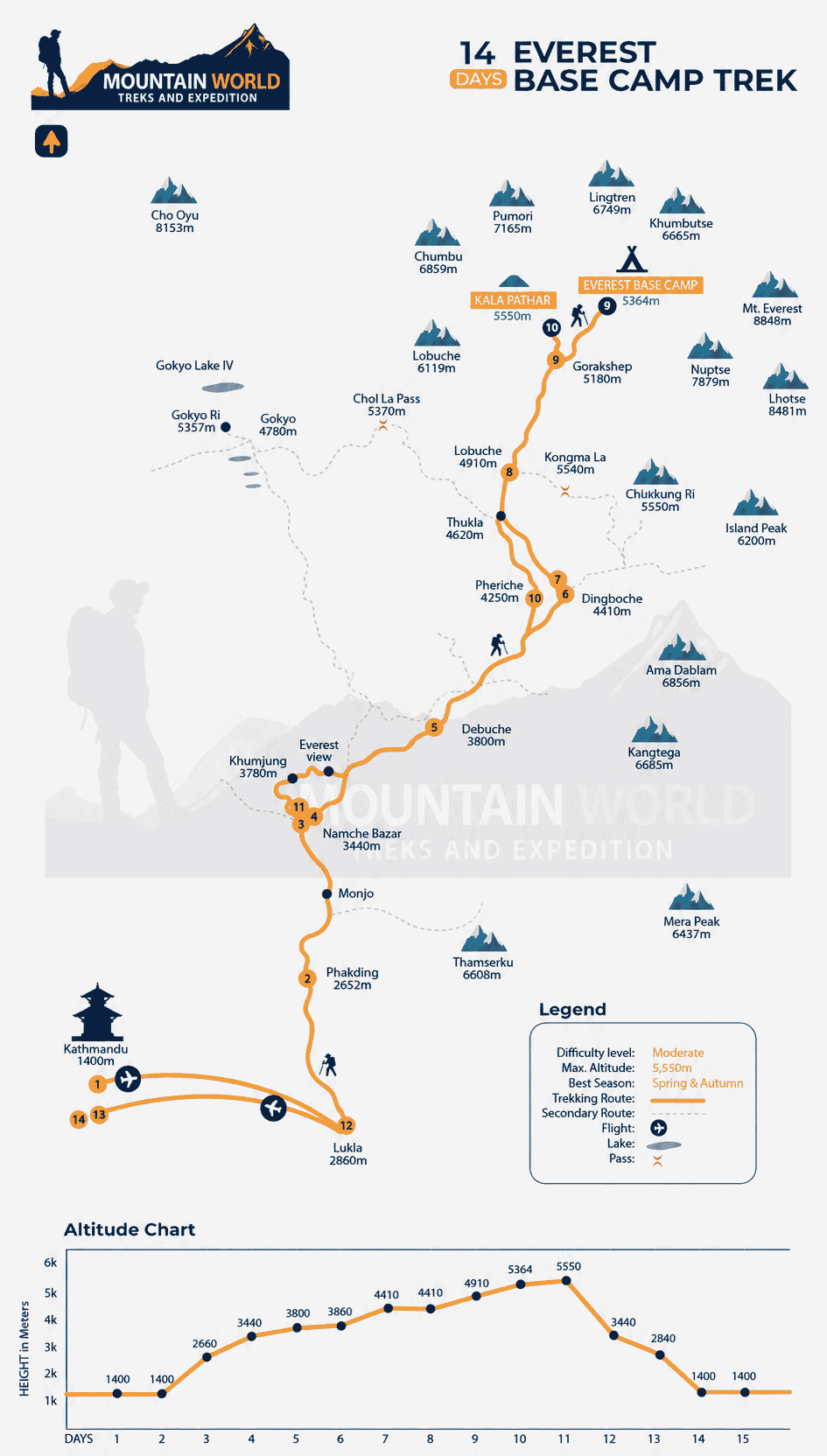
The journey officially begins from Kathmandu, but the real trekking route starts after a short and exciting flight to Lukla (2,860m). This flight is considered one of the most adventurous airport landings in the world, surrounded by mountains and deep valleys.
From Lukla, the trail gradually moves through beautiful Himalayan settlements and forests. The main trekking route includes:
- Lukla (starting point)
- Phakding (riverside village)
- Namche Bazaar (main Sherpa town)
- Everest View Hotel view Point
As you move forward, the trail follows the Dudh Koshi River, crossing suspension bridges and passing through pine forests and small villages. The landscape slowly changes from lower green hills to high mountain terrain with clear views of Himalayan peaks.
Namche Bazaar is the most important stop on the route. It is a busy yet beautiful mountain town where trekkers usually rest and acclimatize. You can already see peaks like Ama Dablam, Thamserku from here, and even distant views of Everest on clear days.
The final highlight of this trek is the viewpoint near Everest View Hotel, where trekkers get their first full panoramic view of Mount Everest and surrounding giants.
The Everest View Trek is located in the Khumbu region of Nepal, starting from Lukla and moving through iconic Sherpa villages inside Sagarmatha National Park, offering a perfect short Himalayan route filled with culture, nature, and mountain views.
Everest View Trek Difficulty Level: Is It Good for Beginners?
The Everest View Trek is considered an easy to moderate Himalayan trek, which makes it one of the most beginner-friendly trekking options in Nepal’s Everest region. It does not require any technical climbing skills, but it still gives a real mountain trekking experience inside Sagarmatha National Park.
Even though the trek is short, it includes altitude gain, uphill walking, and long trekking days, so basic fitness is still important.
Overall Difficulty: Easy to Moderate
Most days of the trek involve 3 to 7 hours of walking, depending on the route. The lower sections like Lukla to Phakding are easy and comfortable, while the climb from Phakding to Namche Bazaar becomes more challenging due to continuous uphill trails.
The trek is not technical, meaning:
- No climbing gear is needed
- No ropes or mountaineering experience required
- Only normal trekking fitness is enough
However, endurance and slow walking are very important for comfort.
Altitude Factor
The main difficulty of this trek is altitude. The highest point of the standard Everest View Trek is around Namche Bazaar (3,440m) and nearby viewpoints. At this height, some trekkers may feel:
- Mild headache
- Shortness of breath while climbing
- Slight tiredness or reduced energy
- Difficulty sleeping on the first night
These effects are normal and usually temporary if you walk slowly and stay hydrated. Inside Sagarmatha National Park, the trail is designed with gradual ascent, which helps your body adjust naturally.
Trail Conditions
The trail is well-established and frequently used by trekkers and locals. You will walk on:
- Stone steps and village paths
- Suspension bridges over rivers
- Forest trails with gradual uphill sections
- Open viewpoints near Namche and Everest Viewpoint
Some sections are steep, especially before Namche Bazaar, but overall the path is safe and well-maintained.
Is It Suitable for Beginners?
Yes, the Everest View Trek is perfect for beginners, especially those who want to experience the Himalayas for the first time. It is suitable if you:
- Can walk 4 to 6 hours daily
- Have basic fitness
- Are comfortable with light uphill walking
- Are ready for simple altitude exposure
Even families and older trekkers often complete this trek successfully with proper pacing.
The Everest View Trek is a short, safe, and beginner-friendly Himalayan trek inside Sagarmatha National Park. It offers a real mountain experience with manageable difficulty, making it one of the best choices for first-time trekkers in the Everest region.
Best Time for Everest View Trek Nepal
Choosing the right season is very important for the Everest View Trek because weather in the Himalayas can change quickly. Since the route lies inside Sagarmatha National Park, clear skies and stable conditions make a big difference in mountain visibility and trekking comfort.
This trek can technically be done throughout the year, but some seasons are much better than others in terms of views, safety, and overall experience.
Spring (March to May) – Best for Flowers & Clear Views
Spring is one of the most beautiful times for the Everest View Trek. The lower trails come alive with blooming rhododendron forests, and the weather is generally stable. During this season:
- Skies are mostly clear in the morning
- Temperature is comfortable for trekking
- Forests are full of red and pink rhododendron flowers
- Mountain views are visible on most days
This is a great season for photography and nature lovers because everything looks fresh and colorful.
Autumn (September to November) – Best Overall Season
Autumn is widely considered the best time for the Everest View Trek. After the monsoon ends, the air becomes clean and visibility improves dramatically. In this season:
- Crystal-clear views of Mount Everest and surrounding peaks
- Dry and stable trekking trails
- Perfect weather conditions for walking
- High chances of clear sunrise and sunset views
This is also the most popular trekking season in Nepal, but since this is a short trek, the trails remain manageable.
Winter (December to February) – Cold but Very Clear
Winter offers extremely clear mountain views, but it comes with cold temperatures, especially at higher elevations like Namche Bazaar. The conditions include:
- Very clear skies with sharp mountain views
- Cold mornings and freezing nights
- Fewer trekkers on the trail
- Possibility of light snow in higher areas
This season is suitable for those who can handle cold weather and want a quieter trekking experience.
Monsoon (June to August) – Least Recommended
Monsoon is not the ideal time for this trek due to heavy rainfall and cloudy conditions. During this season:
- Trails can be slippery and muddy
- Flights to Lukla may face delays
- Mountain views are often blocked by clouds
- Risk of leeches in lower forest areas
However, the landscape becomes very green and lush, which some trekkers still enjoy.
The best time for the Everest View Trek is spring and autumn, when weather conditions are stable and mountain views inside Sagarmatha National Park are at their clearest. These seasons offer the perfect balance of safety, comfort, and unforgettable Himalayan scenery.
Everest View Trek Cost Breakdown (Budget, Standard & Guided Options)
The Everest View Trek is a moderately priced short trek in Nepal, but the total cost can vary depending on your travel style, comfort level, and whether you choose a guide or porter. Since the trek takes place inside Sagarmatha National Park, some costs like permits and flights are fixed, while others depend on personal choice.
Overall, this trek is cheaper than Everest Base Camp but still includes essential mountain travel expenses like flights and accommodation in remote villages.
Transportation Cost (Kathmandu–Lukla Round Trip)
One of the biggest expenses of this trek is the flight between Kathmandu and Lukla. This short mountain flight is the main gateway to the Everest region. Costs may include:
- Kathmandu to Lukla flight (one of the highest-cost items)
- Possible flight delays or weather rescheduling
- Airport taxes and handling charges
Since there is no road access to Lukla, this flight is mandatory for almost all trekkers.
Accommodation Cost (Tea Houses)
Accommodation during the trek is in simple tea houses run by local Sherpa families. Prices are affordable in lower areas but slightly higher in Namche Bazaar due to remoteness. Typical features:
- Basic twin rooms with shared bathrooms
- Simple bedding and blankets
- More comfortable lodges in Namche Bazaar
Rooms are inexpensive, but prices increase with altitude due to transportation difficulty.
Food Cost During Trek
Food is a daily expense and becomes more expensive as you go higher. Meals are freshly prepared and designed for energy during trekking.
Common meals include:
- Dal bhat (most popular and filling meal)
- Nboodles, fried rice, and pasta
- Eggs, soups, and potatoes
- Hot drinks like tea, coffee, and ginger lemon tea
Food costs increase at higher altitude because everything is carried manually or by porters/yaks.
Guide and Porter Cost
Hiring a guide is strongly recommended for safety and local knowledge, while a porter helps carry your heavy backpack.
- Guide: navigation, safety, cultural explanation
- Porter: reduces physical load during trekking
Inside Sagarmatha National Park, guides are especially helpful due to changing weather and altitude conditions.
Other Extra Expenses
You should also budget for small daily costs such as:
- Hot showers in tea houses
- Charging electronic devices
- WiFi in selected villages (like Namche)
- Snacks, chocolates, and drinks
- Tips for guide and porter
These small expenses can add up depending on your comfort level.
The Everest View Trek is a budget-friendly to mid-range Himalayan trek. The biggest cost is the Lukla flight, while food and accommodation remain moderate. Overall, it offers excellent value for a short and scenic adventure inside Sagarmatha National Park.
Accommodation & Food Experience on Everest View Trek (Tea House Life)
One of the most memorable parts of the Everest View Trek is staying in traditional Himalayan tea houses along the trail. These are small, family-run lodges that offer basic shelter, warm meals, and a chance to experience real Sherpa hospitality inside Sagarmatha National Park.
Even though the trek is short, the accommodation experience changes as you go higher from relatively comfortable lodges in lower villages to more basic and simple rooms in higher altitude areas.
Tea House Accommodation Experience
Tea houses are the main type of accommodation on this trek. They are simple but very welcoming, designed to support trekkers in remote mountain regions.
Typical room features include:
- Twin-sharing rooms with basic wooden beds
- Thin mattresses, pillows, and blankets
- Shared bathroom facilities in most places
- Limited heating (usually only in dining areas)
In lower villages like Phakding, rooms are slightly more comfortable. As you reach Namche Bazaar, lodges become more developed with better facilities, bakeries, and cafes. Higher areas are more basic due to remoteness and altitude.
Food on the Everest View Trek
Food on the trek is simple, fresh, and designed to give energy for long walking days. Even in remote areas, tea houses serve a variety of meals prepared by local cooks.
Common food options include:
- Dal bhat (rice, lentils, vegetables – unlimited energy meal)
- Fried rice and noodles
- Pasta, macaroni, and soups
- Eggs (boiled, omelet, or fried)
- Potatoes and Tibetan bread
- Pancakes and light breakfast items
Dal bhat is the most recommended meal because it is filling, nutritious, and widely available everywhere in the Everest region.
Drinks & Warm Beverages
Hot drinks are very important during this trek, especially as you gain altitude. Tea houses offer a good selection of warm beverages such as:
- Milk tea (chai)
- Black tea and lemon tea
- Ginger honey lemon tea (very helpful at altitude)
- Instant coffee
These drinks help keep your body warm and hydrated, especially in cold mornings and evenings.
Atmosphere in Tea Houses
Tea houses also provide a unique social experience. Most of them have a shared dining hall where trekkers gather in the evening. Inside the dining area:
- A central stove is often used for heating
- Trekkers share stories and travel experiences
- Guides and locals interact with visitors
- A warm and friendly mountain atmosphere is created
This cozy environment becomes one of the highlights of the entire trekking journey.
Accommodation and food on the Everest View Trek are basic but very authentic, offering a real Himalayan lifestyle experience. Staying in tea houses inside Sagarmatha National Park allows trekkers to enjoy warm hospitality, simple meals, and a peaceful mountain atmosphere throughout the journey.
Sherpa Culture & Local Lifestyle in Everest Region
One of the most meaningful parts of the Everest View Trek is not just the mountains, but the chance to experience the unique Sherpa culture and Himalayan lifestyle. As you trek through villages inside Sagarmatha National Park, you will see how deeply people are connected with nature, mountains, and spiritual traditions.
Life in Mountain Villages
The Sherpa villages along the route are small, peaceful, and built to survive in high-altitude conditions. Most houses are made of stone and wood, designed to keep warm during cold Himalayan weather. Daily life here is simple and revolves around:
- Farming barley, potatoes, and seasonal vegetables
- Running small tea houses for trekkers
- Raising yaks and livestock
- Carrying goods between villages and trading supplies
Despite limited modern facilities, life feels balanced, calm, and deeply connected to nature.
Buddhism and Spiritual Life
Buddhism plays a very important role in Sherpa culture. Along the trail, you will notice many spiritual symbols such as:
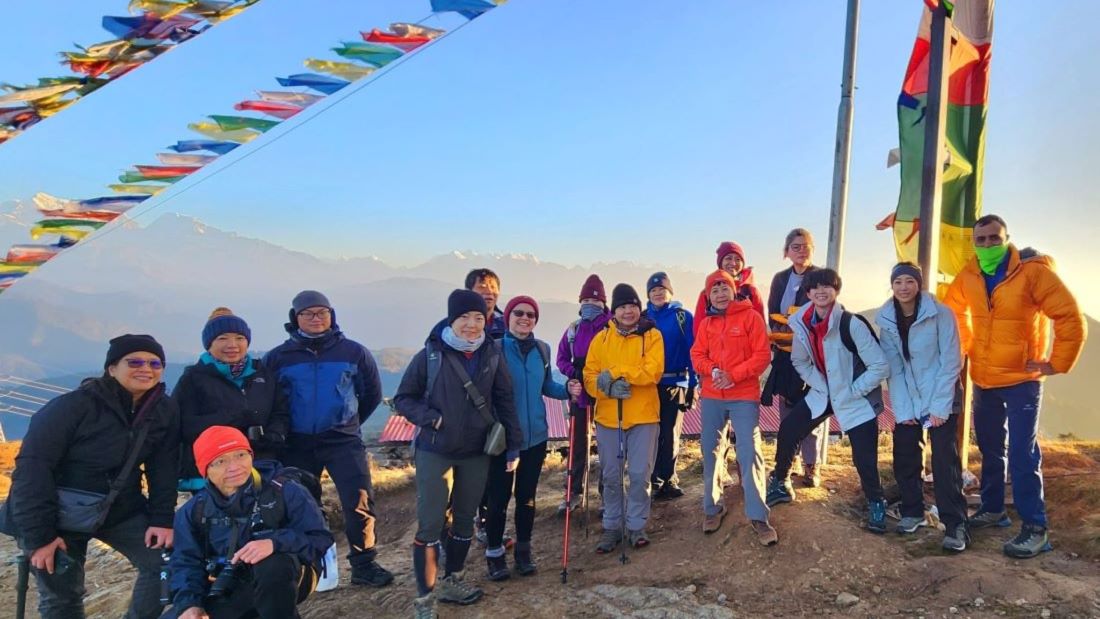
- Prayer flags fluttering in the wind
- Small monasteries on hillsides
- Stone mani walls carved with mantras
- Prayer wheels along village paths
These represent peace, protection, and respect for the mountains. Locals strongly believe that the Himalayas are sacred, and they treat nature with great respect.
Sherpa Hospitality
Sherpa people are known for their warm and friendly nature. Even in remote villages, trekkers are welcomed with kindness and hospitality. You may experience:
- Smiling greetings along the trail
- Warm conversations in tea houses
- Helpful guidance during the trek
- A strong sense of community spirit
This friendliness makes the trekking experience feel more personal and memorable.
Festivals & Traditions
If your trek matches local festival time, you may witness traditional celebrations such as:
- Losar (Tibetan New Year)
- Dumji Festival (Sherpa cultural celebration)
- Buddhist prayer ceremonies in monasteries
During festivals, villages become lively with music, dancing, and communal gatherings, offering a deeper insight into Himalayan culture.
Connection with Mountains
For Sherpa communities, the mountains are not just landscapes; they are sacred and respected as part of life. Mount Everest, known locally as Sagarmatha, is deeply respected in spiritual beliefs.
This strong connection between people and nature is one of the most unique aspects of the Everest region.
The Everest View Trek is not only about scenery but also about experiencing the living culture of Sherpa communities. Inside Sagarmatha National Park, trekkers get a rare chance to see how tradition, spirituality, and mountain life exist together in perfect harmony.
Safety, Altitude Sickness & Trekking Tips for Everest View Trek
The Everest View Trek is generally a safe and well-managed trekking route, but it still takes place in a high-altitude Himalayan environment. Since the trail lies inside Sagarmatha National Park, proper preparation, awareness, and slow walking are important for a comfortable and safe journey.
Even short treks in the Everest region can affect the body because of altitude changes, weather variation, and long walking hours.
Altitude Sickness Awareness
Altitude sickness is one of the main concerns during this trek, especially when you reach Namche Bazaar (3,440m) and nearby viewpoints. Some of the Common symptoms include:
- Headache and mild dizziness
- Shortness of breath while walking uphill
- Fatigue and low energy
- Difficulty sleeping at night
- Loss of appetite in some cases
These symptoms are usually mild and temporary if you follow proper trekking rules and do not rush.
How to Prevent Altitude Problems
The best way to avoid altitude sickness is to ascend slowly and give your body time to adjust. The important tips include:
- Walk at a slow and steady pace
- Drink plenty of water every day
- Avoid alcohol during the trek
- Take rest breaks while climbing uphill
- Do not skip acclimatization day in Namche Bazaar
Inside Sagarmatha National Park, the trekking route is designed with gradual altitude gain, which helps reduce serious risks.
Weather and Trail Safety
Weather in the Everest region can change quickly. A clear morning can turn cloudy or windy in the afternoon. The safety considerations for the trail are:
- Trails may be icy or slippery in winter
- Rain can make stone steps slippery
- Strong winds may occur in higher viewpoints
- Fog can reduce visibility in forest sections
Wearing proper trekking shoes and layered clothing is very important for safety and comfort.
Essential Trekking Tips
To make your trek safe and enjoyable, follow these simple but important tips:
- Wear comfortable trekking boots with good grip
- Carry warm layered clothing (weather changes quickly)
- Pack a small first aid kit
- Use sunscreen and sunglasses at high altitude
- Keep your backpack light and organized
- Walk slowly, especially on uphill sections
Small preparation can make a big difference in your trekking experience.
Importance of a Guide
Although the Everest View Trek is well-marked, hiring a guide is highly recommended. A guide helps with:
- Route navigation and safety
- Understanding local culture and villages
- Managing altitude and pace
- Handling emergencies if needed
In remote mountain areas inside Sagarmatha National Park, having local support makes the journey more safe and meaningful.
The Everest View Trek is a safe but altitude-sensitive Himalayan trek. With proper preparation, slow walking, and awareness of weather conditions, trekkers can comfortably enjoy the beauty and views of the Everest region without major difficulties.
Why Everest View Trek is One of the Best Short Treks in Nepal
The Everest View Trek is famous because it delivers a complete Himalayan experience in a short time. Even though it is not a long expedition, it still offers some of the most iconic mountain views and cultural experiences inside Sagarmatha National Park.
This trek is often chosen by travelers who want to see Mount Everest without doing the full Everest Base Camp journey, making it one of the most rewarding short treks in Nepal.
Stunning Everest Region Views
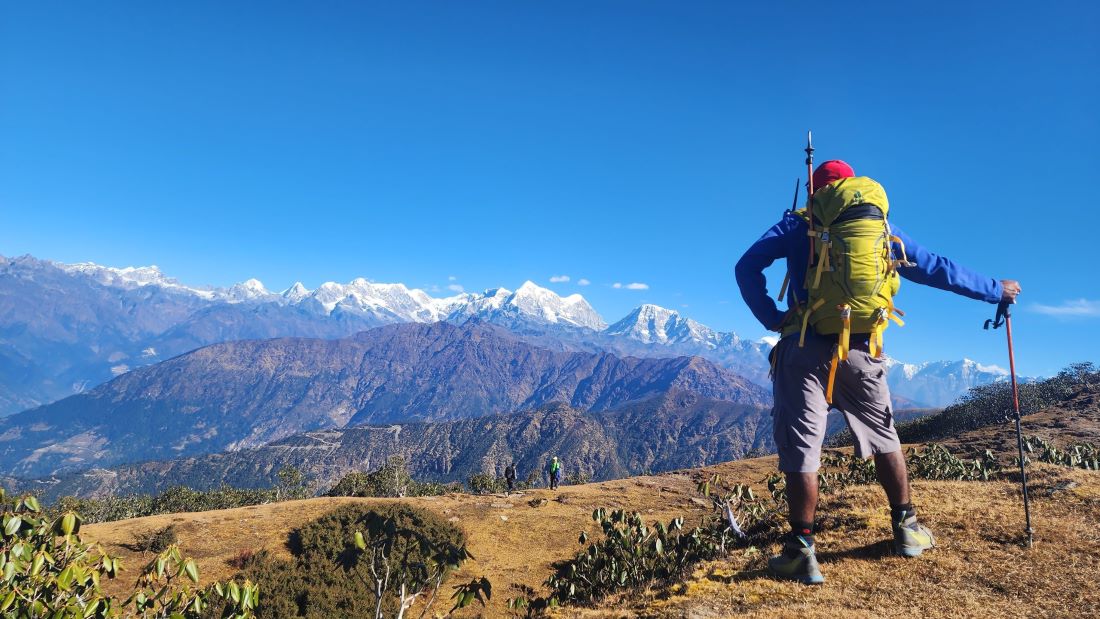
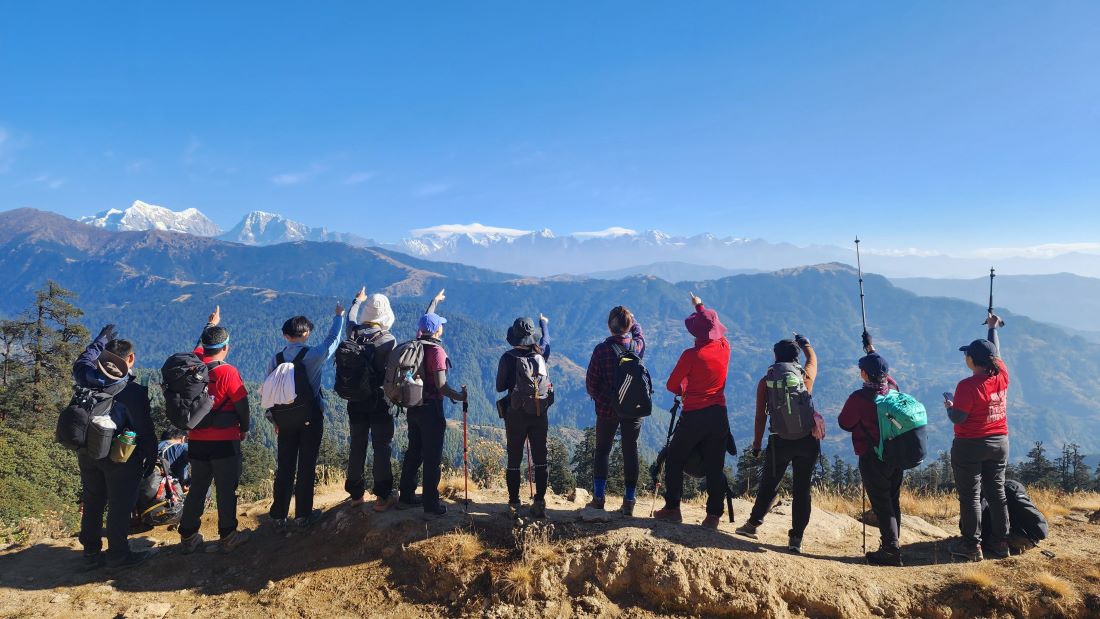
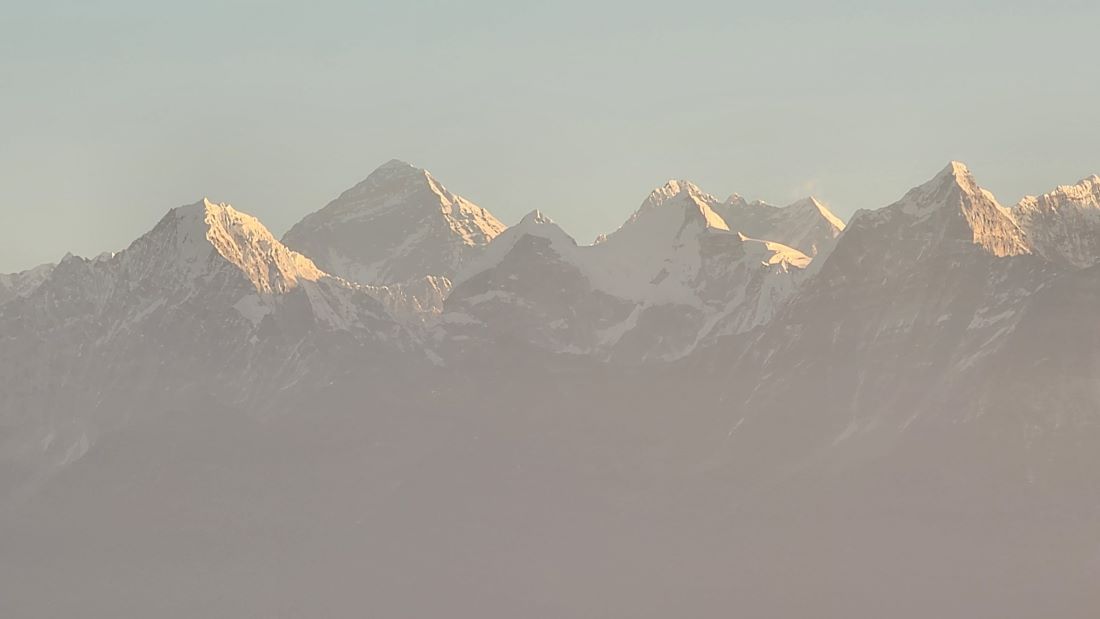
One of the biggest highlights of this trek is the chance to see Mount Everest (8,848m) along with other Himalayan giants like Ama Dablam, Lhotse, and Thamserku. The viewpoint near Everest View Hotel is especially famous because it offers:
- Clear panoramic mountain views (on good weather days)
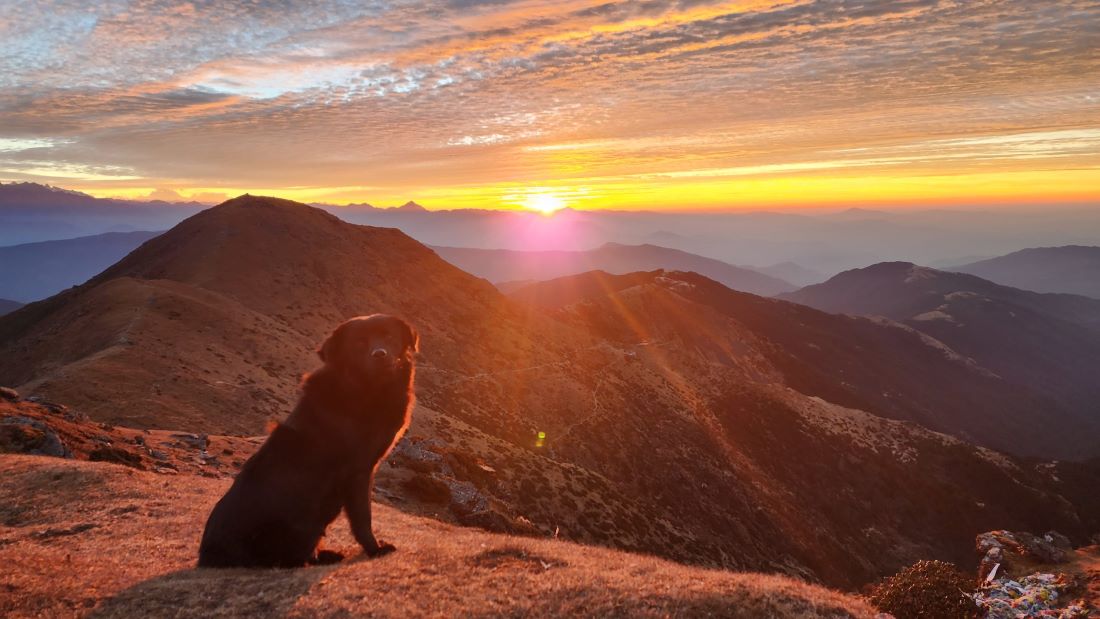
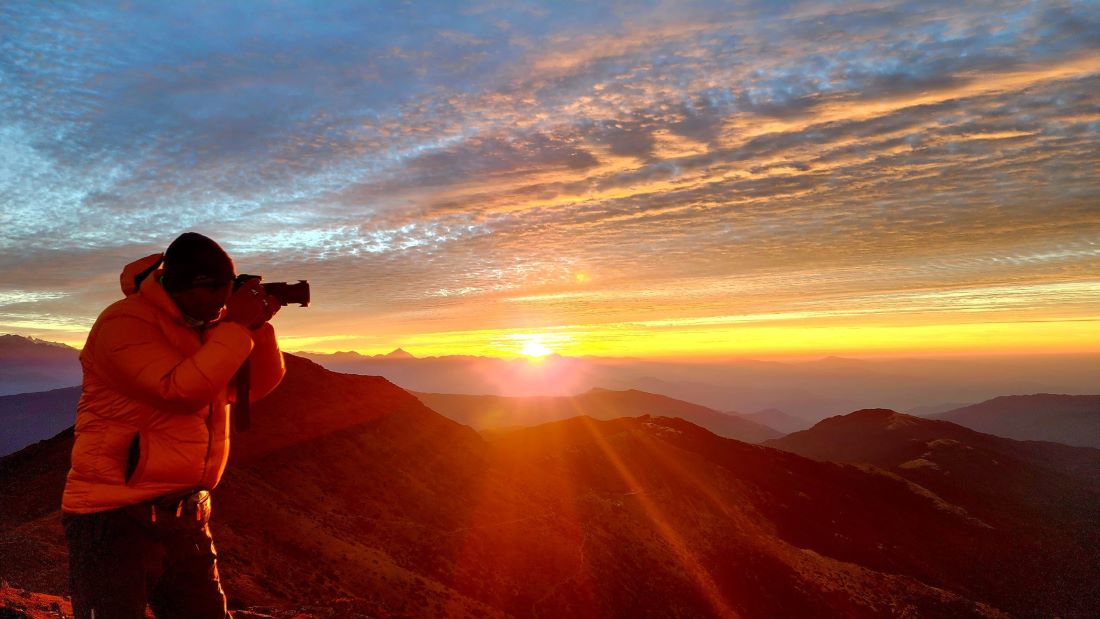
- Sunrise and sunset golden lighting over peaks
- Close visual experience of Everest without extreme altitude trekking
Short But Complete Trekking Experience
Unlike longer treks, this route is short but still gives a full Himalayan journey experience. In just a few days, you experience:
- Scenic mountain flight to Lukla
- Forest trails and river valleys
- Traditional Sherpa villages
- High-altitude viewpoints
It is a perfect balance between comfort and adventure.
Authentic Sherpa Culture
Another major highlight is the opportunity to experience real Sherpa life. The trail passes through villages where people live simple mountain lifestyles, deeply connected to Buddhism and nature.
Inside Sagarmatha National Park, trekkers get to see monasteries, prayer flags, and local traditions that make the journey culturally rich.
Perfect for Photography
The Everest View Trek is highly popular among photographers because it offers:
- Wide Himalayan landscapes
- Clear mountain silhouettes
- Traditional village scenes
- Sunrise and sunset viewpoints
Every section of the trail gives a new visual experience.
Beginner-Friendly Himalayan Adventure
This trek is one of the best choices for beginners because it:
- Does not require technical skills
- Has moderate walking hours
- Includes proper acclimatization at Namche Bazaar
- Offers safe and well-established trails
It is often recommended as a first Himalayan trek.
The Everest View Trek is special because it combines short duration, easy trekking, rich culture, and world-class mountain views inside Sagarmatha National Park. It is one of the best ways to experience Mount Everest and the Khumbu region without doing a long and difficult expedition.
Highlights
- First close panoramic views of Mount Everest (8,848m) without reaching Base Camp
- Scenic mountain flight from Kathmandu to Lukla, one of the world’s most thrilling airports
- Trek inside the iconic Sagarmatha National Park, a UNESCO World Heritage Site
- Walk through traditional Sherpa villages like Phakding and Namche Bazaar
- Cross suspension bridges over the Dudh Koshi River
- Sunrise and sunset viewpoints with Ama Dablam, Lhotse, and Everest scenery
- Authentic tea house stay experience in Himalayan villages
- Buddhist monasteries, prayer flags, and Mani walls along the trail
- Beginner-friendly Himalayan trek with short duration (5 to 7 days)
- One of the best short photography treks in Nepal