The best time for Manaslu Circuit Trek is generally during spring (March–May) and autumn (September–November), when the weather is stable and mountain views are at their clearest. The season you pick shapes everything: the clarity of your mountain views, the condition of Larkya La Pass, the crowd levels on the trail, and even how much you pay for your restricted area permit.
At Mountain World Treks, we have guided trekkers across the Manaslu Circuit through every season. This guide is built on that real, on-the-ground experience, not guesswork. Whether you are chasing the clearest Himalayan views, the quietest trails, or the most comfortable temperatures, the right month is out there for you.
The short answer? October is the best single month for most trekkers, stable weather, sharp visibility, and reliable pass conditions. April runs a close second, rhododendron forests in full bloom, warm trail temperatures, and lower permit costs. But every season has its own character, and the best time for your trek depends on what matters most to you.
Read on for an honest, month-by-month breakdown of exactly what to expect on the Manaslu Circuit throughout the year.
Best time for Manaslu Circuit Trek
Month-by-month overview for planning your trek with Mountain World Treks
| Month | Season | Rating | Best for | Pass risk |
| – Autumn | ||||
| September | Post-monsoon | Good | Green trails, clearing skies, fewer crowds | Low |
| October | Autumn | Best overall | Clearest views, stable weather, reliable pass | Very low |
| November | Autumn | Excellent | Quieter trails, cold but great conditions | Low |
| – Spring | ||||
| March | Spring | Good | Rhododendron bloom begins, quiet teahouses | Medium (snow) |
| April | Spring | Excellent | Peak bloom, clear skies, warm trail temps | Low |
| May | Late spring | Good (early) | Lush landscapes – aim for pass before mid-May | Medium (Rain) |
| – Monsoon | ||||
| June | Monsoon | Not advised | Leeches, landslides, poor visibility | High |
| July | Monsoon | Avoid | Peak rain, trail hazards, obscured views | Very high |
| August | Monsoon | Avoid | Conditions improve only at end of month | Very High |
| – Winter | ||||
| December | Early winter | With care | Crystal clear skies, very cold, early month best | Medium |
| January | Winter | Not advised | Experienced mountaineers only, -20°C nights | Very high |
| February | Winter | With care | Improves late month, near-complete solitude | Medium-high |
- Best single month October
- Fewest crowds March or November
- Best for flowers April
- Lower permit cost Spring or Winter
Still unsure which month suits your schedule and experience level? Our team at Mountain World Treks has walked every section of the Manaslu Circuit across all seasons. We will give you an honest recommendation based on your dates, fitness, and goals, no pressure, just experience. Contact us and we will help you plan the perfect trek.
Why Matters Most To You Trek on the Manaslu Trek
Every trekker comes to the Manaslu Circuit with different goals. Some want to stand on Larkya La under a perfectly clear sky and see nothing but Himalayan peaks in every direction. Others want empty trails, quiet teahouses, and the feeling of having this remote circuit almost entirely to themselves. Some are watching their budget; others are chasing rhododendron season.
There is no single wrong answer, but there is a best month for yourspecific priorities. After 20 years of guiding trekkers on this circuit, here is our honest recommendation based on what matters most to you.
| Your priority | Ideal month(s) | Why it works |
|---|---|---|
| Sharpest mountain views | October | Post-monsoon air is at its clearest, Manaslu’s south face appears in full detail from Lho and beyond |
| Quiet trails, fewer trekkers | November/March | Both months offer excellent trekking conditions with a fraction of the crowd levels seen in October or April |
| Rhododendron forests in bloom | April | Red, pink, and white rhododendrons line the trail from Namrung to Lho at full bloom, the most colourful month on the circuit |
| Lowest permit cost | March/April/May/December | Off-peak restricted area permits cost significantly less, a real saving per person compared to the September–November peak window |
| Warmest trail temperatures | April/May | Daytime temperatures at mid-altitude are at their most comfortable, ideal for trekkers who prefer warmth over cold |
| First Himalayan trek | October/April | The most predictable weather windows, fully open teahouses, and reliable Larkya La conditions, best for first-timers in the Himalayas |
| Combined with Tsum Valley | October/April | Adding the Tsum Valley extension needs two stable weather windows, peak months give the most consistent conditions across both valleys |
| Photography & landscape | October/April | October for crisp blue-sky mountain shots; April for dramatic flower-framed landscapes, both deliver exceptional photography conditions |
Not sure which priority fits your trip? That is completely normal, most trekkers are balancing two or three of these at once. For example, if you want good views and fewer crowds, November is your answer. If you want colour, warmth, and lower permit costs, April wins easily.
At Mountain World Treks, we help you match your dates, budget, and experience level to the right season before you book anything. There is no pressure, just honest, experience-based advice from a team that has walked every section of this circuit across every season.
Get in touch with us today and we will help you find your perfect window.
Manaslu Circuit Trek Weather
Weather plays a major role in the overall experience of the Manaslu Circuit Trek. Unlike lower-altitude hiking routes, the Manaslu region spans a wide range of elevations, from around 700 meters in the subtropical Budhi Gandaki Valley to 5,106 meters at Larkya La Pass. As a result, trekkers experience several climate zones during a single journey.
The lower sections of the trek, including Machha Khola, Jagat, and Deng, are generally warm and humid, especially during spring and summer. As the trail climbs through Namrung, Lho, Samagaun, and Samdo, temperatures become cooler and weather conditions can change rapidly. Near Dharamsala and Larkya La Pass, freezing temperatures, strong winds, and snowfall are possible at any time of the year.
In general, the Manaslu region experiences four distinct seasons:
| Season | Months | Weather Conditions |
| Spring | March-May | Mild temperatures, blooming forests, clear mountain views |
| Summer/Monsoon | June-August | Heavy rainfall, cloudy skies, lush landscapes |
| Autumn | September-November | Stable weather, dry trails, excellent visibility |
| Winter | December-February | Cold temperatures, snow at higher elevations, fewer trekkers |
One of the reasons why the Manaslu Circuit Trek is considered a challenging Himalayan trek is the unpredictable mountain weather. Conditions can change quickly, particularly above 3,500 meters. A sunny morning may turn into cloudy conditions by afternoon, and snow can occasionally fall even during the main trekking seasons.
Average Temperature by Elevation
| Location | Elevation | Zone | Spring (Mar–May) | Autumn (Sep–Nov) | Winter (Dec–Feb) |
| Machha Khola | 869 m | Low | 16 – 28°C | 14 – 26°C | 6 – 18°C |
| Jagat | 1,340 m | Low | 12 – 24°C | 10 – 22°C | 2 – 14°C |
| Deng | 1,804 m | Low | 10 – 22°C | 8 – 20°C | 0 – 12°C |
| Namrung | 2,630 m | Mid | 6 – 18°C | 5 – 16°C | –4 – 8°C |
| Lho | 3,180 m | Mid | 4 – 16°C | 3 – 14°C | –6 – 5°C |
| Samagaon | 3,530 m | High | 2 – 14°C | 1 – 12°C | –8 – 2°C |
| Samdo | 3,875 m | High | 0 – 10°C | –1 – 9°C | –10 – 0°C |
| Dharamsala Base camp | 4,460 m | High | –3 – 6°C | –4 – 5°C | –15 – –3°C |
| Larkya La Pass Highest point | 5,160 m | Alpine | –8 – 2°C | –10 – 0°C | –20 – –8°C |
Weather Challenges on the Manaslu Circuit Trek
Trekkers should be prepared for several weather-related challenges, including:
- Cold temperatures at higher elevations
- Strong winds near Larkya La Pass
- Occasional snowfall in spring and autumn
- Heavy monsoon rainfall during summer
- Slippery trails after rain or snow
- Large temperature differences between day and night
Why Autumn and Spring Have the Best Weather
Most trekking experts recommend autumn (September to November) and spring (March to May) because these seasons provide the most stable weather conditions. During these months, trekkers can expect:
- Clear skies and excellent visibility
- Comfortable daytime temperatures
- Lower risk of landslides
- Safer conditions for crossing Larkya La Pass
- Spectacular mountain views of Manaslu, Himalchuli, Ngadi Chuli, and Ganesh Himal
Weather at Larkya La Pass
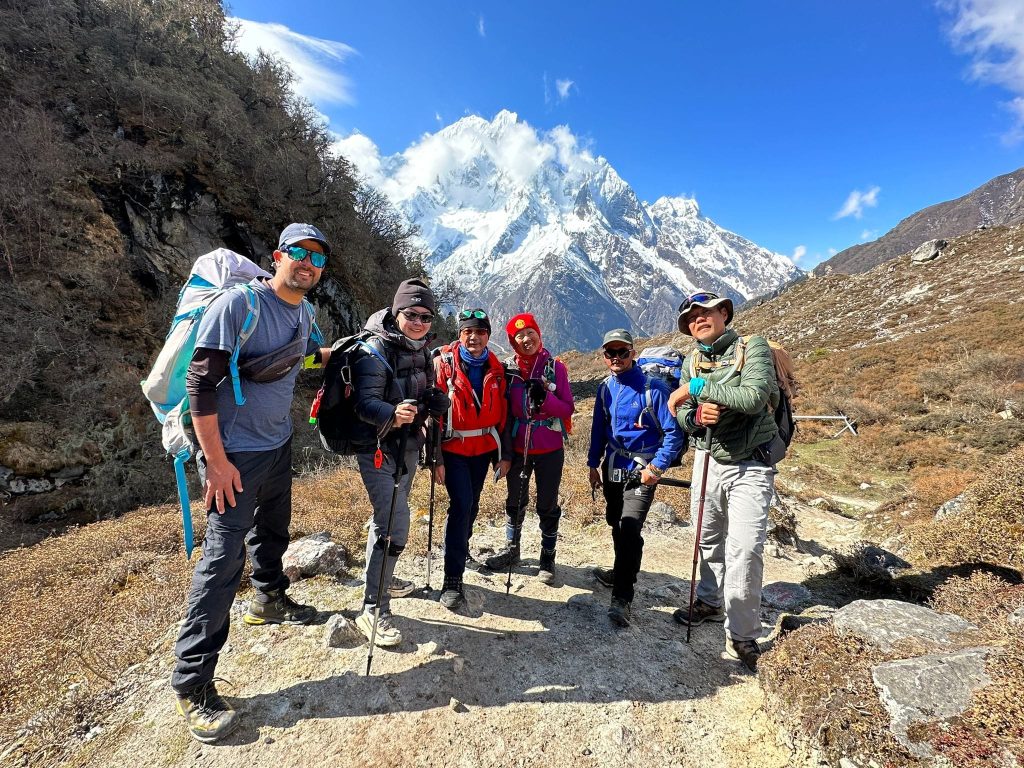
Larkya La Pass is the highest point of the Manaslu Trek and often experiences the harshest weather. Temperatures can drop well below freezing, particularly during the early morning hours when most trekkers begin the pass crossing. Conditions at the pass may include:
- Freezing temperatures
- Snow-covered trails
- Strong winds
- Sudden weather changes
- Reduced visibility during storms
For this reason, guides closely monitor weather forecasts before attempting the crossing.
How Weather Affects Trekking Conditions
Weather directly impacts:
- Trail safety
- Mountain visibility
- Accommodation availability
- Transportation schedules
- Overall trekking comfort
Choosing the right season can significantly improve your chances of enjoying clear mountain views, comfortable temperatures, and a successful crossing of Larkya La Pass.
While weather in the Himalayas is never completely predictable, planning your trek during spring or autumn offers the highest likelihood of favorable conditions and an unforgettable Manaslu Circuit Trek experience.
Manaslu Trek in Spring (March to May)
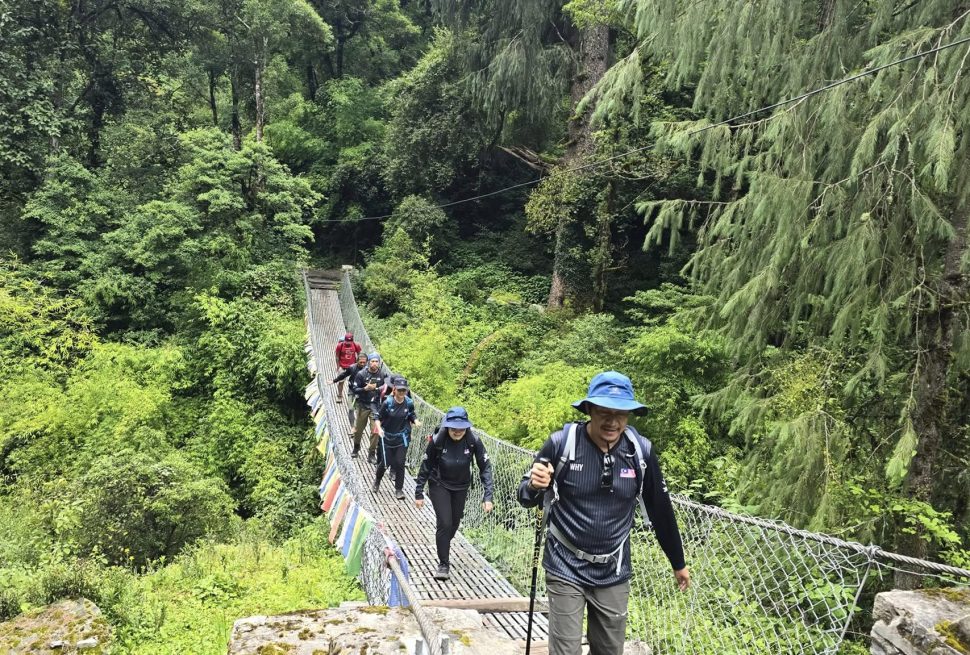
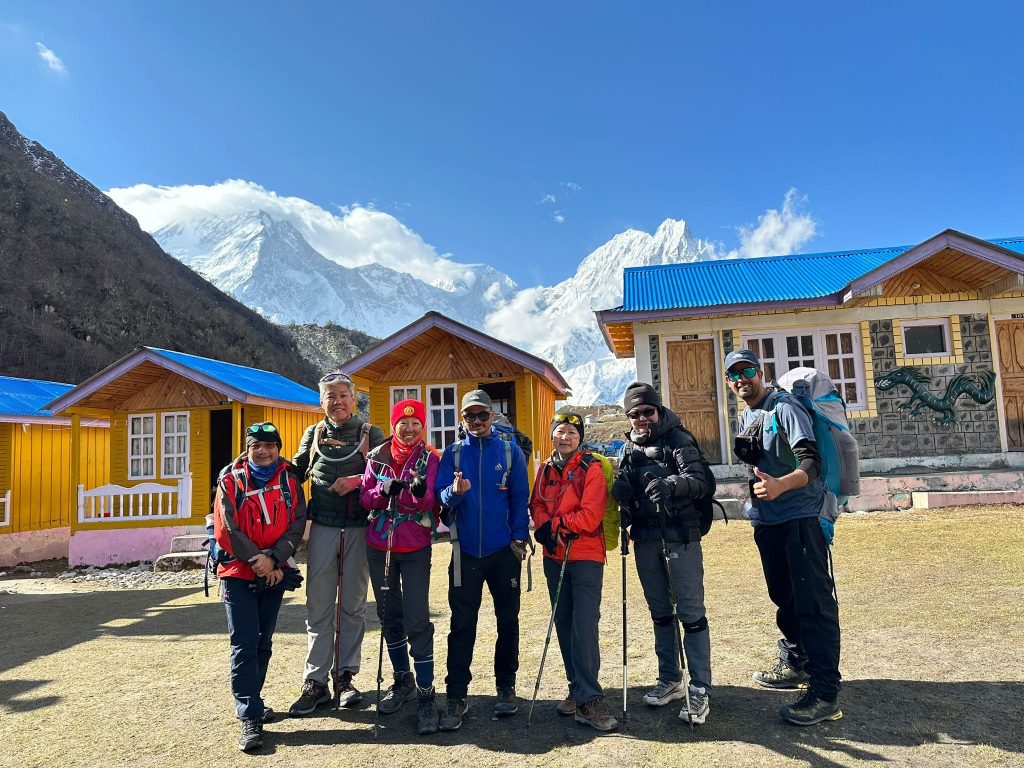
Spring is widely regarded as one of the best time for Manaslu Circuit Trek. As winter snow begins to melt and temperatures gradually rise, the entire region transforms into a vibrant landscape filled with blooming rhododendron forests, green hillsides, and crystal-clear mountain views. For many trekkers, spring offers the perfect balance between comfortable weather, stunning scenery, and favorable trekking conditions.
From March to May, the Manaslu region comes alive after the cold winter months. Villages become more active, tea houses reopen fully, and trekking trails are generally free from heavy snow. The combination of mild temperatures and excellent visibility makes spring one of the most popular times to explore the remote Manaslu Conservation Area.
Spring Weather on the Manaslu Circuit
Spring weather is generally stable and pleasant throughout the trekking season.
| Month | Day Temperature | Night Temperature |
| March | 10°C to 18°C | -5°C to 2°C |
| April | 12°C to 22°C | -2°C to 5°C |
| May | 15°C to 25°C | 0°C to 8°C |
Higher elevations such as Samdo, Dharamsala, and Larkya La Pass remain considerably colder, especially during the early morning and nighttime hours.
Why Spring Is One of the Best Seasons for Manaslu
Spring is one of the best seasons for the Manaslu Circuit Trek, offering pleasant weather, clear views, and vibrant landscapes. Temperatures are comfortable, and trails feel lively as the winter cold fades, making trekking enjoyable and refreshing.
A key highlight is the rhododendron blooms, which cover hillsides in red, pink, and white. Villages like Jagat, Deng, Namrung, and Lho look especially beautiful, with blooming forests and snow-capped peaks creating perfect conditions for photography.
Spring offers comfortable trekking temperatures on the Manaslu Circuit, making long hiking days much easier compared to winter. Daytime conditions are generally pleasant, allowing steady walking without extreme cold or weather discomfort.
Evenings are cool but manageable, and temperatures rarely drop to harsh freezing levels. This makes spring ideal for trekkers who prefer stable conditions and simple layering instead of heavy winter gear.
-Spring offers longer daylight hours on the Manaslu Circuit compared to autumn and winter, giving trekkers more time each day to complete their journey comfortably.
This means more relaxed trekking schedules, extra time for photography, better acclimatization opportunities, and greater flexibility when planning daily walking distances.
Challenges of Trekking in Spring
Although spring is considered an excellent season, trekkers should still be aware of potential challenges.
1. Afternoon Clouds
As temperatures rise during the day, cloud cover occasionally develops in the afternoon. While mornings are usually clear, some mountain views may become partially obscured later in the day.
2. Busy Trekking Season
Spring is one of Nepal’s peak trekking seasons.You may encounter:
- More trekking groups
- Higher demand for guides and porters
- Busy tea houses in popular villages
However, compared to Everest Base Camp and Annapurna Base Camp, the Manaslu Circuit remains relatively uncrowded.
3. Occasional Snow at Higher Elevations
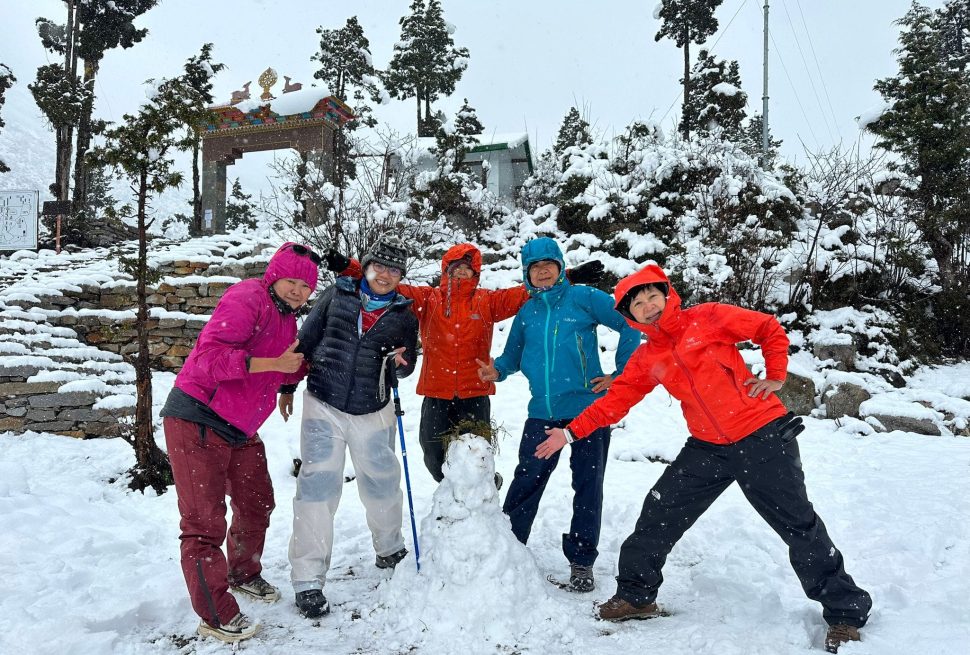
Early spring, especially in March, can still bring snowfall around – Samdo, Dharamsala, Larkya La Pass. Most crossings remain possible, but weather conditions should always be monitored carefully.
March on the Manaslu Circuit
March marks the beginning of the spring trekking season in the Manaslu region. Temperatures start to rise, snow begins melting at lower elevations, and the mountains remain beautifully covered with fresh winter snow.
Weather Conditions
- Gradually warming daytime temperatures
- Cold nights at higher elevations
- Clear mountain views
- Occasional snowfall near Larkya La Pass
Advantages
- Fewer trekkers than peak seasons
- Fresh snow on surrounding peaks
- Excellent photography opportunities
- Quiet trails and peaceful lodges
Challenges
- Cold mornings and evenings
- Some snow may remain on higher sections
Best For
Trekkers seeking solitude, clear mountain views, and early spring conditions.
April on the Manaslu Circuit
April is widely considered one of the best months for the Manaslu Circuit Trek. The weather is generally stable, temperatures are comfortable, and rhododendron forests bloom across the lower hills of the Manaslu region. Clear skies and dry trail conditions provide excellent opportunities to enjoy panoramic views of Mount Manaslu and surrounding Himalayan peaks.
Weather Conditions
- Mild daytime temperatures
- Cool but manageable nights
- Stable weather patterns
- Excellent mountain visibility
Advantages
- Blooming rhododendron forests
- Spectacular mountain views
- Comfortable trekking temperatures
- Reliable trail conditions
- Excellent photography opportunities
Challenges
- More trekkers compared to March
- Popular tea houses may fill quickly
Best For Trekkers seeking the perfect balance of clear weather, mountain scenery, and comfortable trekking conditions.
May on the Manaslu Circuit
May is the warmest month of the spring season and remains an excellent time for the Manaslu Circuit Trek. Longer daylight hours, comfortable temperatures, and lush green landscapes create favorable trekking conditions throughout the route.
Weather Conditions
- Warm daytime temperatures
- Comfortable evenings
- Increasing humidity late in the month
- Occasional pre-monsoon clouds
Advantages
- Longer trekking days
- Green and vibrant landscapes
- Comfortable weather
- Good trail conditions
Challenges
- Afternoon haze may reduce visibility
- Chance of occasional rain showers
Best For
Trekkers who prefer warmer temperatures and longer daylight hours.
Is Spring the Best Season for Trekking in Manaslu Region?
For many trekkers, the answer is yes. Spring combines:
- Comfortable temperatures
- Vibrant natural scenery
- Clear mountain views
- Longer days
- Stable trail conditions
Whether you’re a first-time Himalayan trekker or an experienced adventurer, spring offers an unforgettable trekking experience in one of Nepal’s most remote and beautiful mountain regions.
If your goal is to experience colorful forests, snow-capped peaks, and pleasant weather while avoiding the extreme cold of winter, spring is one of the best times to trek the Manaslu Circuit.
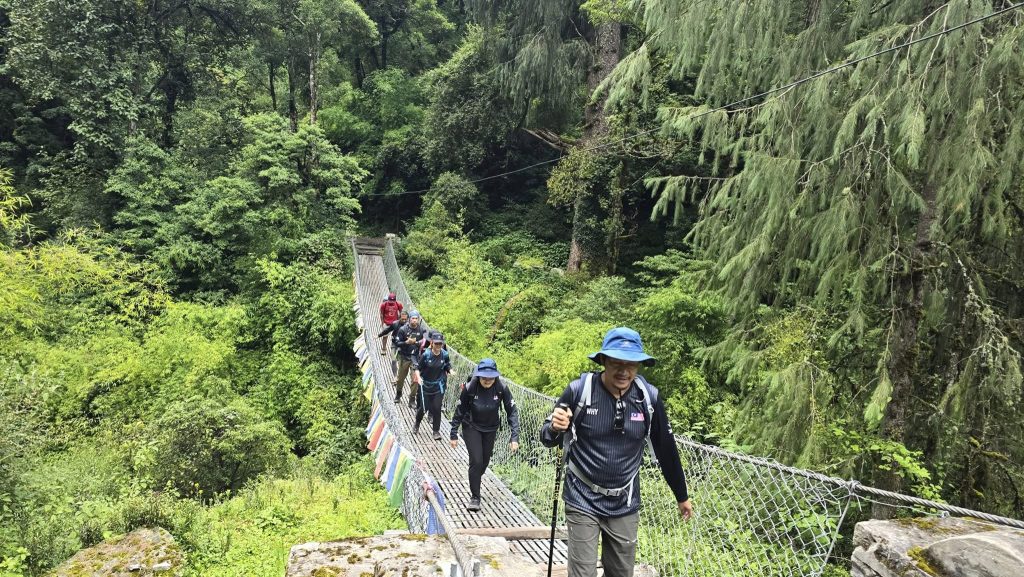
Manaslu Circuit Trek in Autumn (September to November)
Autumn is widely considered the best trekking season for the Manaslu Circuit Trek. After the heavy monsoon rains clear the dust and pollution from the atmosphere, the entire region transforms into a crystal-clear Himalayan paradise.
From September to November, trekkers enjoy stable weather, breathtaking mountain views, and the most comfortable trekking conditions of the year. This is also the most popular season for crossing the legendary Larkya La Pass (5,106 m).
If you are planning the Manaslu Circuit Trek and want the “perfect Himalayan experience,” autumn is the season most trekkers choose.
Autumn Weather on the Manaslu Circuit
Autumn brings dry, stable, and predictable weather conditions.
| Month | Day Temperature | Night Temperature |
| September | 15°C to 23°C | 8°C to 12°C |
| October | 10°C to 20°C | 0°C to 8°C |
| November | 8°C to 18°C | -5°C to 5°C |
September can still feel slightly humid after monsoon, but conditions improve quickly. By October and November, the air becomes crisp, dry, and extremely clear.
What Makes Autumn the Best Season?
Autumn is considered the golden season for trekking in Nepal, and Manaslu is no exception.
1. Crystal-Clear Mountain Views
Autumn offers the best visibility of the entire year. You can clearly see:
- Mount Manaslu (8,163 m)
- Himalchuli
- Ngadi Chuli
- Ganesh Himal
- Larkya Peak
The skies are deep blue, and mountain views are sharp from morning to sunset.
2. Stable and Safe Trekking Conditions
After monsoon, the trails dry out, making trekking much safer and more comfortable. You get:
- Dry and stable trails
- Safe River crossings
- Predictable weather patterns
- Less risk of landslides compared to monsoon
This makes autumn ideal for both beginners and experienced trekkers.
3. Fully Open Tea Houses and Services
Autumn is peak trekking season, so all infrastructure is fully operational. Expect:
- Comfortable tea houses along the route
- Fresh food availability everywhere
- Experienced guides and porters in high demand
- Well-organized trekking services
Everything runs smoothly during this season.
4. Perfect Lighting and Photography Conditions
Autumn is a dream season for photographers. You get:
- Golden sunrise over Manaslu
- Sharp Mountain silhouettes
- Clear starry night skies
- Dramatic landscapes after monsoon greenery
October especially is famous for postcard-perfect Himalayan photos.
September on the Manaslu Circuit
September marks the end of the monsoon season and the beginning of autumn trekking in Nepal. Conditions gradually improve throughout the month, with clearer skies and better mountain visibility.
Weather Conditions
- Decreasing rainfall
- Pleasant temperatures
- Improving visibility
- Fresh post-monsoon landscapes
Advantages
- Greener scenery after the rains
- Fewer trekkers than October
- Clear mountain views later in the month
- Comfortable trekking conditions
Challenges
- Early September may still experience rain
- Some trails can remain muddy
Best For
Trekkers looking for excellent scenery and fewer crowds before the peak autumn season.
October on the Manaslu Circuit (Best Month)
October is widely regarded as the best month for the Manaslu Circuit Trek. Stable weather, crystal-clear skies, and ideal trekking conditions make it the most popular month among trekkers.
Weather Conditions
- Dry and stable weather
- Comfortable temperatures
- Excellent mountain visibility
- Minimal rainfall
Advantages
- Spectacular Himalayan views
- Ideal trail conditions
- Comfortable trekking temperatures
- Reliable crossing of Larkya La Pass
Challenges
- Higher number of trekkers
- Popular lodges may be busier
Best For
Trekkers seeking the best overall weather, mountain views, and trekking experience.
November on the Manaslu Circuit Trek
November continues the excellent trekking conditions of autumn while offering slightly fewer crowds than October. Clear skies and stable weather make it one of the most rewarding months for the trek.
Weather Conditions
- Dry weather
- Crisp mornings and evenings
- Excellent visibility
- Cooler temperatures than October
Advantages
- Outstanding mountain views
- Less crowded than October
- Stable trekking conditions
- Comfortable daytime temperatures
Challenges
- Colder nights at higher elevations
- Shorter daylight hours
Best For
Trekkers who want autumn conditions with fewer crowds and exceptional mountain scenery.
Larkya La Pass in Autumn
Larkya La Pass is at its safest and most stable during autumn.
Conditions:
- Clear weather windows
- Dry or lightly snowy trail
- High success rate for crossing
- Best panoramic views from the top
October and November offer the most reliable crossing conditions of the year.
Is Autumn the Best Season for the Manaslu Circuit Trek?
For most trekkers, the answer is absolutely yes, autumn is widely considered the best season for the trekking to Manaslu. After the monsoon clears the dust and humidity, the entire region opens up with crystal-clear skies and stable mountain weather.
Autumn combines everything you want from a Himalayan trek, making it the most reliable and rewarding time of the year. The trails are dry, the views are sharp, and the overall trekking experience is at its peak.
- Crystal-clear mountain views of Manaslu and surrounding peaks
- Stable and dry weather conditions throughout the trek
- Safe and comfortable trail conditions after monsoon
- Ideal temperatures for long trekking days
- Best season for crossing Larkya La Pass
- Fully open tea houses and trekking services
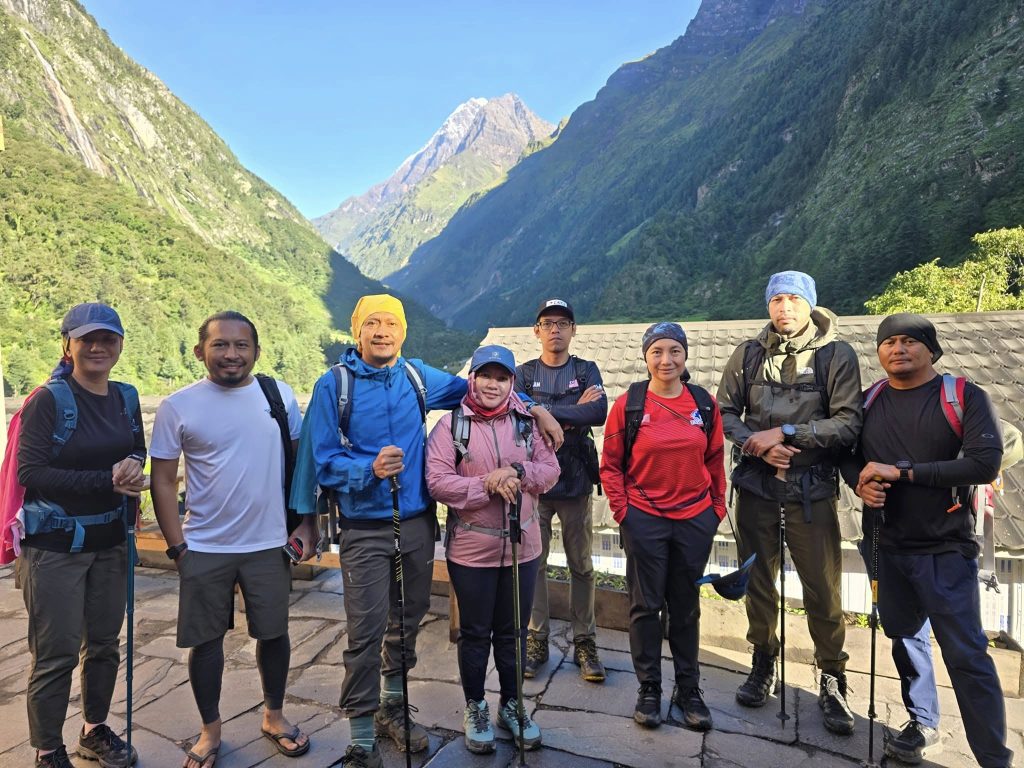
Manaslu Trek in Winter (December to February)
Winter is the least crowded season on the Manaslu Trekking, offering a completely different experience from the busy autumn and spring months. While colder temperatures and snowfall create additional challenges, winter rewards adventurous trekkers with pristine mountain scenery, peaceful trails, and an authentic Himalayan wilderness experience.
For those who enjoy solitude and don’t mind trekking in cold conditions, winter can be one of the most memorable times to explore the Manaslu region. Snow-covered villages, frozen streams, crystal-clear skies, and breathtaking mountain views create a magical atmosphere that few trekkers get to experience.
However, winter trekking on the Manaslu Circuit requires proper preparation, suitable gear, and a flexible itinerary due to changing weather conditions.
Winter Weather on the Manaslu Circuit
Winter temperatures vary significantly depending on elevation.
| Month | Day Temperature | Night Temperature |
| December | 5°C to 15°C | -8°C to 0°C |
| January | 2°C to 12°C | -15°C to -5°C |
| February | 5°C to 15°C | -10°C to -2°C |
At higher elevations such as Dharamsala and Larkya La Pass, temperatures can fall far below freezing, especially before sunrise.
What Makes Winter Special?
Many trekkers overlook winter, but it offers several unique advantages.
1. Peaceful Trails and Fewer Crowds
One of the biggest benefits of winter trekking is the lack of crowds. Unlike autumn, when tea houses may be busy, winter offers:
- Quiet villages
- Empty trails
- More personalized service
- Peaceful trekking experience
Trekkers often spend entire days without encountering large trekking groups.
2. Spectacular Snow-Covered Landscapes
Winter transforms the Manaslu region into a Himalayan wonderland. The mountains, forests, and high-altitude meadows become covered in snow, creating stunning scenery throughout the trek. Many photographers consider winter one of the most rewarding seasons because of:
- Fresh snowfall
- Dramatic mountain contrasts
- Crystal-clear visibility
- Unique landscape photography opportunities
3. Exceptional Mountain Views
Despite the cold temperatures, winter often provides some of the clearest skies of the year. Mountain views are frequently outstanding, with excellent visibility of:
- Mount Manaslu
- Himalchuli
- Ngadi Chuli
- Ganesh Himal
- Annapurna II
- Larkya Peak
The dry winter air creates incredibly sharp and detailed views of the surrounding Himalayan giants.
4. Authentic Village Experience
Winter allows trekkers to experience daily life in remote mountain communities without the distractions of peak trekking season. Villages such as:
- Namrung
- Lho
- Samagaun
- Samdo
feel quieter and more authentic during winter, offering deeper cultural interactions with local residents.
Challenges of Winter Trekking
Winter trekking on the Manaslu is not suitable for everyone. Trekkers should carefully consider the following challenges before choosing a winter departure.
1. Extremely Cold Nights
The biggest challenge is undoubtedly the cold. Night temperatures above 3,500 meters frequently drop below freezing. At locations such as Samdo, Dharamsala, Larkya La Pass and temperatures can reach -10°C to -20°C during particularly cold periods. A high-quality sleeping bag and warm clothing are essential.
2. Snow on Larkya La Pass
Larkya La Pass is the most weather-sensitive section of the trek. Heavy snowfall can result in:
- Deep snow accumulation
- Slippery trails
- Delayed crossings
- Temporary route closures
Guides closely monitor weather forecasts and trail conditions before crossing the pass.
3. Shorter Daylight Hours
Winter days are shorter than spring and autumn. This means:
- Earlier starts
- Less flexibility during trekking days
- More careful planning
Trekkers need to manage their daily schedule efficiently.
4. Limited Services in Some Villages
Although most tea houses remain open, some smaller lodges may close during the coldest months. Food options and accommodation choices may be more limited compared to peak trekking seasons.
December on the Manaslu Circuit
December marks the start of winter in the Manaslu region. Temperatures begin to drop significantly, particularly around Larkya La Pass, but clear skies often provide magnificent views of the Himalayas.
Weather Conditions
- Cold temperatures
- Frosty mornings and nights
- Generally clear weather
- Possible snowfall at higher elevations
Advantages
- Quiet trails and lodges
- Excellent mountain visibility
- Beautiful winter scenery
- Peaceful trekking experience
Challenges
- Very cold nights
- Potential snowfall on high passes
- Some facilities may close for winter
Best For
Trekkers seeking solitude, clear mountain views, and a winter trekking adventure.
January on the Manaslu Circuit
January is one of the coldest months on the Manaslu Circuit Trek. Winter conditions dominate the region, especially at higher elevations near Larkya La Pass. Snow-covered landscapes and crystal-clear skies create breathtaking mountain scenery, while the trails remain exceptionally quiet.
Weather Conditions
- Very cold temperatures, especially at night
- Frequent snow at higher elevations
- Clear skies on many days
- Reduced daylight hours
Advantages
- Very few trekkers on the trail
- Stunning snow-covered Himalayan views
- Peaceful tea houses and lodges
- Excellent opportunities for photography
Challenges
- Extreme cold at higher elevations
- Possible snowfall and trail disruptions
- Some lodges may be closed
Best For
Experienced trekkers looking for solitude, winter scenery, and a more adventurous trekking experience.
February on the Manaslu Circuit
February remains part of the winter season, but conditions gradually begin to improve as spring approaches. Days become slightly longer, and clear weather often rewards trekkers with spectacular views of Mount Manaslu and surrounding peaks.
Weather Conditions
- Cold temperatures throughout the trek
- Snow possible near Larkya La Pass
- Generally clear mountain views
- Dry air and low humidity
Advantages
- Quiet trails and fewer visitors
- Beautiful winter mountain scenery
- Excellent visibility on clear days
- Peaceful trekking experience
Challenges
- Freezing nights at higher elevations
- Snow may affect high mountain crossings
- Limited trekking facilities in some areas
Best For
Trekkers seeking a quiet Himalayan adventure and stunning winter landscapes.
Is Larkya La Pass Open in Winter?
One of the most frequently asked questions is whether Larkya La Pass remains open during winter. The answer depends on snowfall and weather conditions.
Generally:
- December crossings are often possible.
- January crossings may be challenging after heavy snowfall.
- February conditions usually improve toward the end of the month.
Trekkers should always remain flexible and follow their guide’s recommendations.
Is Winter a Good Time for the Manaslu Circuit Trek?
Winter is not the easiest season, but it can be one of the most rewarding. If you are prepared for cold temperatures and possible snow, winter offers:
- Incredible mountain views
- Peaceful trails
- Unique Himalayan scenery
- Authentic cultural experiences
- A true sense of adventure
For trekkers seeking solitude and dramatic winter landscapes, the Manaslu Trek in winter provides an unforgettable Himalayan experience that few travelers ever get to witness.
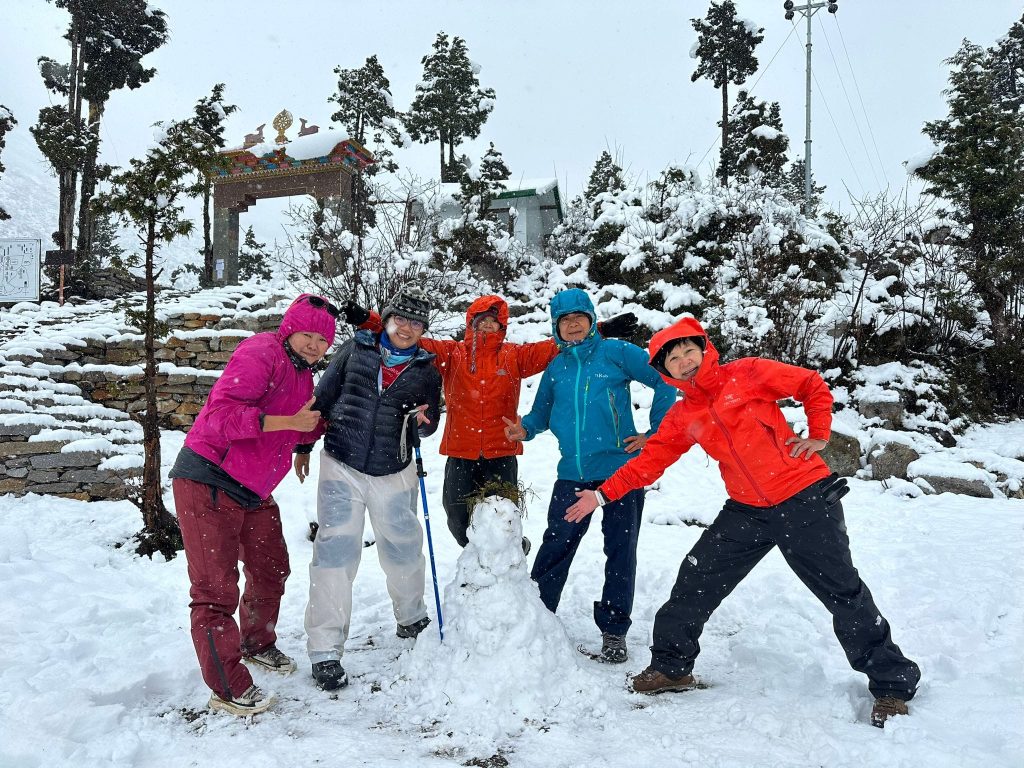
Manaslu Trek in Monsoon (June to August)
Monsoon season in Nepal runs from June to August, and Manaslu Trek takes on a completely different character during this time. Instead of dry mountain trails and sharp Himalayan views, trekkers are welcomed by lush green valleys, mist-covered forests, and powerful river systems fed by continuous rainfall. While the landscape becomes incredibly vibrant and alive, monsoon trekking also brings serious challenges that require careful planning and flexibility.
For adventurous trekkers who don’t mind rain and unpredictable conditions, monsoon offers a rare opportunity to experience the Manaslu region in its raw, untouched form with very few crowds on the trail.
However, it is important to understand that this season is considered one of the most difficult times for the Manaslu Circuit Trekking due to weather instability and trail hazards.
Monsoon Weather on the Manaslu Circuit
Monsoon weather in the Manaslu region is dominated by high humidity, frequent rainfall, and reduced visibility.
| Month | Day Temperature | Night Temperature |
| June | 15°C to 25°C | 8°C to 15°C |
| July | 18°C to 25°C | 10°C to 16°C |
| August | 18°C to 26°C | 10°C to 17°C |
At lower elevations, rain can be heavy and persistent, while higher elevations often experience mist, fog, and occasional snowfall near Larkya La Pass even during monsoon months. Weather conditions can change quickly, making daily planning less predictable compared to autumn or spring.
What Makes Monsoon Special?
Despite the challenges, monsoon trekking in Manaslu has its own unique beauty and advantages.
1. Lush Green Landscapes Everywhere
Monsoon transforms the entire Manaslu region into a green paradise. Hillsides, forests, and farmland become intensely vibrant, creating a completely different visual experience from the dry seasons.You’ll see:
- Deep green terraced fields
- Flowing waterfalls at every turn
- Misty valleys and cloud-covered peaks
- Wildflowers blooming along trails
It is one of the most visually dramatic seasons for nature lovers.
2. Very Few Crowds on the Trail
Monsoon is one of the least crowded trekking seasons in Nepal. This means:
- Quiet teahouses
- Empty trekking trails
- No congestion at viewpoints
- Peaceful cultural interactions
For trekkers seeking solitude, this is one of the biggest advantages of the season.
3. Powerful Rivers and Waterfalls
The Manaslu region becomes extremely dynamic during monsoon due to heavy rainfall. You’ll experience:
- Fast-flowing Budhi Gandaki River
- Strong waterfalls along cliffs and valleys
- Roaring streams and swollen river crossings
The sound and energy of water become a constant part of the journey.
4. Authentic Local Experience
With fewer trekkers around, villages feel more natural and less tourist-oriented. In places like:
- Jagat
- Deng
- Namrung
- Samagaun
you can experience more genuine interactions with local communities and observe daily rural Himalayan life during the rainy season.
Challenges of Monsoon Trekking
Monsoon is considered a challenging season to trek to Manaslu Circuit, and trekkers must be prepared for difficult conditions.
1. Heavy Rainfall and Slippery Trails
Rain is the most consistent challenge during monsoon, Expect:
- Muddy and slippery trails
- Wet stone steps and forest paths
- Reduced walking speed
- Constant damp conditions
Proper waterproof gear becomes essential for comfort and safety.
2. Landslide Risk in Lower Sections
Certain parts of the Manaslu route pass through steep valleys and landslide-prone areas. During monsoon:
- Trail blockages may occur
- Detours can be required
- Delays are possible due to safety checks
The Budhi Gandaki gorge section is especially sensitive during heavy rainfall periods.
3. Leeches in Forest Areas
Leeches are very common during monsoon, especially below 2,500 meters. They are typically found in:
- Dense forests
- Wet grassy sections
- Shaded muddy trails
While harmless, they can be uncomfortable, and proper trekking socks or gaiters are strongly recommended.
4. Limited Mountain Views
One of the biggest drawbacks of monsoon trekking is poor visibility. Expect:
- Thick cloud cover most of the day
- Occasional short clear moments in early morning
- Hidden Himalayan peaks
Views of Mount Manaslu and surrounding peaks are often obscured by clouds.
Is Larkya La Pass Possible in Monsoon?
Larkya La Pass (5,106 m) is generally open during monsoon, but conditions are highly unpredictable.
Typical monsoon conditions include:
- Fog and low visibility
- Wet and slippery snow patches
- Sudden weather changes
- Occasional early snowfall at high altitude
Crossing is usually possible, but requires a flexible itinerary and careful monitoring by your guide.
June on the Manaslu Circuit
June on the Manaslu Circuit Trek
June marks the transition from spring to the monsoon season. Early June can still offer relatively good trekking conditions, but rainfall increases as the month progresses, particularly in lower elevations.
Weather Conditions
- Increasing rainfall
- Warmer temperatures
- Higher humidity levels
- Mixed visibility conditions
Advantages
- Lush green landscapes
- Fewer trekkers on the route
- Vibrant forests and waterfalls
- Peaceful trekking environment
Challenges
- Slippery trails
- Reduced mountain visibility
- Possibility of transportation delays
Best For Trekkers looking for fewer crowds and greener scenery before the peak monsoon season
July on the Manaslu Circuit
July falls in the heart of Nepal’s monsoon season. Heavy rainfall affects lower sections of the trail, and cloud cover often obscures mountain views. Despite these challenges, the landscape becomes incredibly green and vibrant.
Weather Conditions
- Frequent rainfall
- High humidity
- Cloudy skies
- Limited mountain visibility
Advantages
- Very few trekkers
- Lush vegetation and forests
- Abundant waterfalls and rivers
- Unique off-season experience
Challenges
- Wet and muddy trails
- Increased leech activity
- Higher risk of landslides
Best For
Experienced trekkers comfortable with monsoon conditions and seeking complete solitude.
August on the Manaslu Circuit
August remains part of the monsoon season, with continued rainfall throughout much of the region. The landscapes are at their greenest, but trekking conditions can be challenging due to wet trails and limited views.
Weather Conditions
- Frequent rain showers
- Warm temperatures
- High humidity
- Cloud-covered mountains
Advantages
- Quiet trails and tea houses
- Lush green scenery
- Beautiful waterfalls
- Peaceful trekking atmosphere
Challenges
- Slippery and muddy paths
- Limited mountain visibility
- Possible landslides and road delays
Best For
Adventurous trekkers who do not mind rain and want to avoid crowds completely.
Is Monsoon a Good Time for the Manaslu Circuit Trek?
Monsoon is not the most popular season for the Manaslu Circuit, but it offers a completely different Himalayan experience. If you can handle rain, mud, and uncertainty, monsoon rewards you with:
- Deep green Himalayan scenery
- Peaceful and uncrowded trails
- Powerful rivers and waterfalls
- A raw and untamed version of the mountains
For the right kind of traveler, the Manaslu Circuit Trek in monsoon feels wild, immersive, and unforgettable in a very different way from peak trekking seasons.
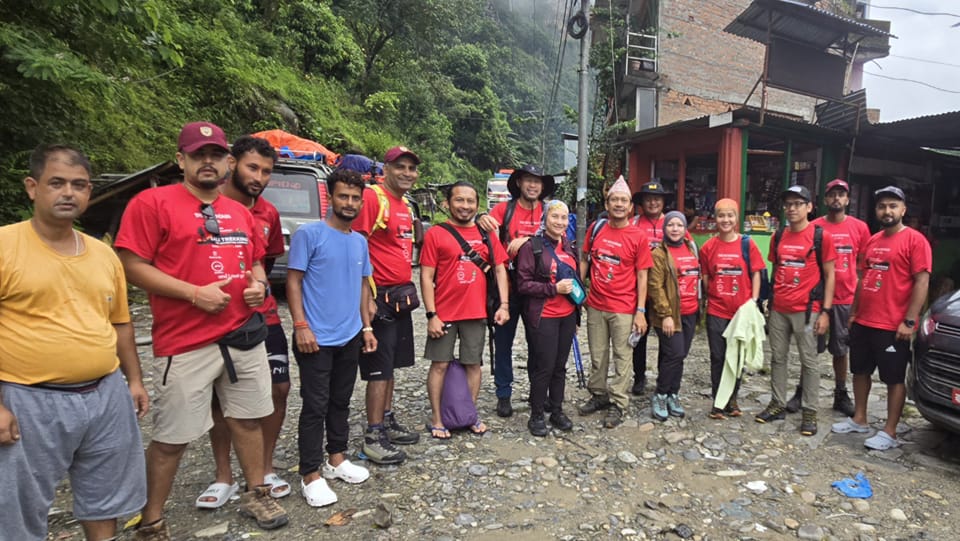
Best Months for Manaslu Circuit Trek & Why They Matter
The Manaslu Circuit Trek is one of Nepal’s most rewarding Himalayan adventures, circling the world’s eighth-highest mountain and crossing the dramatic Larkya La Pass (5,106 m). But timing is everything here. The experience can change completely depending on the month you choose.
So, what are the best months for the Manaslu Circuit Trek?
The clear answer is: April, May, October, and November.
These months offer the best combination of weather, mountain views, safety, and trekking comfort.
Simple Month Comparison
| Month | Conditions | Why Go |
| April | Excellent | Flowers + stable weather |
| May | Very good | Warm + long trekking days |
| October | Best | Clear skies + perfect conditions |
| November | Excellent | Fewer crowds + sharp views |
What About Other Months?
Just for context:
- December–February (Winter): very cold, snow risk at pass
- June–August (Monsoon): rain, landslides, poor visibility
These months are not ideal unless you are very experienced or looking for a different kind of adventure.
Local Expert Recommendation: When Do We Recommend Trekking the Manaslu Circuit?
At Mountain World Treks, our local guides, licensed and based in the Manaslu region – have been leading Manaslu Circuit treks for over a decade across all seasons. Over the years, we’ve observed that October and November consistently offer the most stable weather conditions, with clear Himalayan views from Lho, Samagaun, and the Larkya La region.
In October, early morning winds at Larkya La are usually calmer, which makes the 3–4 AM crossing window safer for most groups. By contrast, December and January often bring heavy snow accumulation near Dharmasala, sometimes slowing the ascent or requiring an earlier start.
Spring (April–May) remains our second recommendation, especially for trekkers who enjoy rhododendron blooms between Namrung and Samagaun. However, occasional haze can slightly reduce mountain clarity compared to autumn.
Based on years of on-ground guiding experience, we recommend October-November and April-May as the most balanced and reliable trekking windows for safety, visibility, and overall enjoyment.
FAQs – Best Time for Manaslu Circuit Trek
1. What is the best time for the Manaslu Circuit Trek?
The best time is spring (March-May) and autumn (September-November) due to stable weather and clear mountain views. These seasons offer the safest and most comfortable trekking conditions in the Himalayas.
2. Which is the best month for the Manaslu Circuit Trek?
October is the best month because of crystal-clear skies and perfect trekking weather. It is also the most popular month for crossing Larkya La Pass safely.
3. Is spring a good time for Manaslu Circuit Trek?
Yes, spring is very good with pleasant temperatures and blooming rhododendrons. It also offers fresh landscapes and decent mountain visibility.
4. Why is autumn the best season for Manaslu Trek?
Autumn provides the clearest mountain views and the most stable weather conditions. It is considered the safest and most reliable trekking season.
5. Can I do the Manaslu Circuit Trek in winter?
Yes, but it is challenging due to heavy snow and freezing temperatures. Proper gear and experience are required for winter trekking.
6. Is monsoon a good time for Manaslu Trek?
Monsoon is not recommended due to heavy rain, landslides, and leeches. Visibility is also very poor during this season.
7. Which season has the best mountain views in Manaslu?
Autumn offers the sharpest and clearest views of the Himalayas. October and November are especially ideal for photography.
8. Is September a good month for Manaslu Circuit Trek?
Yes, September is a good transition month after monsoon with improving weather. The trails are greener but still slightly wet in places.
9. Is November too cold for Manaslu Trek?
November is cold, especially at higher altitudes, but still very clear. It is a great month for experienced trekkers who prefer fewer crowds.
10. When is Larkya La Pass easiest to cross?
October and November offer the safest and most stable conditions for crossing. The trail is dry and weather is generally predictable.
11. Which season is best for beginners?
Autumn is best for beginners due to stable weather and safe trail conditions. It also provides the most reliable trekking experience.
12. When is Manaslu Trek least crowded?
Monsoon and winter are the least crowded seasons on the trail. Autumn is busier but still well-managed with good infrastructure.
13. Is April good for Manaslu Circuit Trek?
Yes, April is excellent with warm weather and blooming rhododendrons. It is one of the most scenic months in spring.
14. What is the worst time for Manaslu Circuit Trek?
Monsoon is the worst season due to rain, landslides, and poor visibility. It also makes trekking more difficult and less predictable.
15. Which season should I choose for the best experience?
Autumn is the best overall season for the Manaslu Circuit Trek. Spring is the second-best option for scenery and nature.